REVIEW · PIANILLO
Amalfi: Make Fresh Pasta, Mozzarella & Tiramisù with wine
Book on GetYourGuide →Operated by Giovanni's cooking class · Bookable on GetYourGuide
Make dinner while watching the Amalfi Coast fade.
This cooking class takes place at Luna d’Agerola, an Amalfi farmhouse run by the Acampora family, where the views stretch toward the Gulf of Salerno. You start with the farm itself, then move into real hands-on food work guided by family chefs like Giovanni and Valentino.
I love two things most: first, you learn tiramisu from scratch using Nonna Maria’s recipe, not a simplified shortcut. Second, mozzarella making feels truly special because it’s tied to the farm’s milk and done step-by-step, so you end with something you actually understand and can recreate.
One consideration: getting to a countryside farmhouse can take extra time, and the meeting point can vary by option booked. If you’re without a car, give yourself a little buffer and plan carefully.
In This Review
- Key highlights to look for
- Luna d’Agerola: Why the setting matters more than you think
- Enter the farm kitchen with Giovanni and Valentino
- The tiramisù lesson: building dessert confidence from Nonna Maria’s recipe
- Mozzarella making on farm milk: hands-on, messy, and worth it
- Fresh pasta and tagliatelle: grandma’s recipe you’ll actually remember
- Wine tasting, organic products, and your final meal
- How long it takes and why the 1–2 hours can feel like more
- Price and value: what $34 includes, and what that means in real terms
- Getting there on the Amalfi Coast: parking helps, but plan the drive
- Food restrictions and language support: what you should do before you go
- Who this suits best, and who might want a different plan
- Should you book this Amalfi pasta, mozzarella & tiramisù class?
- FAQ
- Where does this Amalfi cooking class take place?
- How long is the experience?
- What does it cost?
- What dishes will I learn to make?
- Is wine included?
- Do I also get a farm tour?
- Is parking included?
- Is hotel pickup and drop-off included?
- What languages are the lessons taught in?
- Can you handle food restrictions, and is a private group possible?
Key highlights to look for
- Tiramisu from scratch with Nonna Maria’s recipe (you’ll do the work, not just watch)
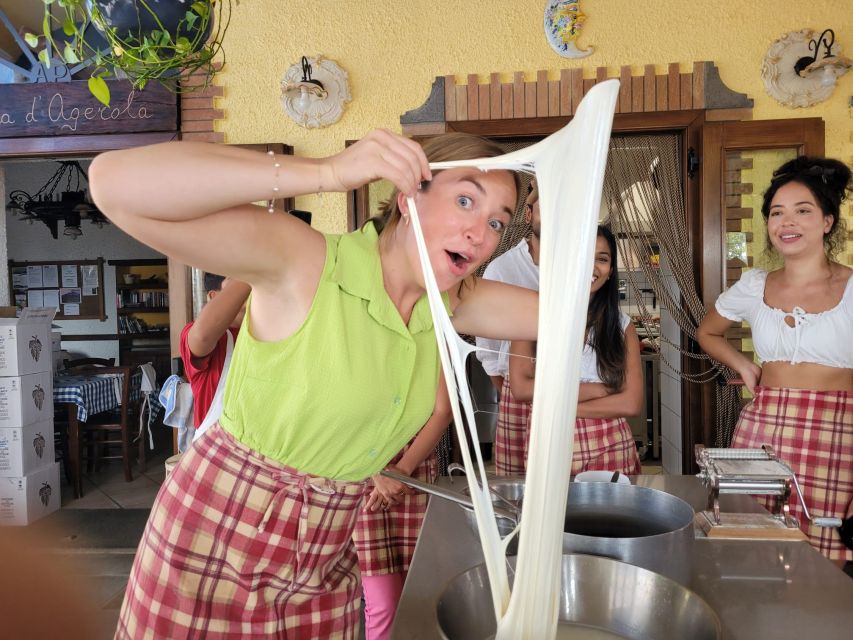
- Mozzarella making together using milk from the farm’s cow
- Fresh pasta with grandma-style technique, served as part of your meal
- Wine tasting while you settle in, plus a full meal at the end
- Family-led hospitality, with hosts like Giovanni and Valentino keeping the mood light
- Breathtaking Gulf views from the property, with time to tour the farm
Luna d’Agerola: Why the setting matters more than you think
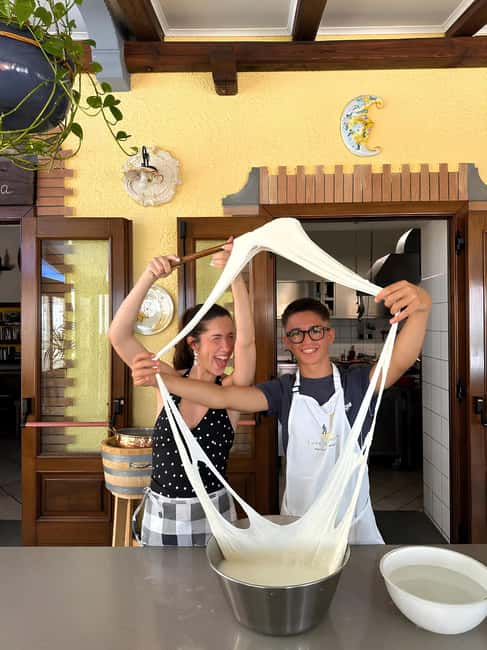
This experience isn’t just a cooking class in a kitchen. It’s a working farmhouse setting with a big, practical reason it works: you’re cooking with the rhythm of the place. You’ll be welcomed in an authentic Amalfi farmhouse overlooking the upper Amalfi Coast, and the view toward the Gulf of Salerno is the kind that makes you slow down before you even start.
The farm has been tended for centuries by the Acampora family, and the place carries a strong cultural thread too. The property connects to poet Salvatore Di Giacomo and his Neapolitan dialect poem Luna d’Agerola, which is part of why the farmhouse name matters. In plain terms: this isn’t a random venue. It’s a home base with pride behind it, and you feel that in how you’re taught.
You also get a farm tour, which helps you connect the dots between ingredients and technique. Instead of thinking about mozzarella as something you buy and forget, you watch how it fits into farm life. That connection is what turns an activity into an actual memory you’ll keep.
You can also read our reviews of more tours and experiences in Pianillo.
Enter the farm kitchen with Giovanni and Valentino
Your welcome is part orientation, part vibe-setting. You’re shown the farm and given a feel for what will happen next, and then you move into the teaching portion where the instruction stays clear and friendly.
The class is led by an Italian chef from the Acampora family, and English is available as well. In practice, hosts like Giovanni and Valentino are the names you may hear most, and their energy shows up in how they handle the lesson. Many people highlight that the atmosphere is warm and funny, and the group format is structured so everyone gets a chance to participate.
That participation is key. If you’ve done cooking classes before, you may know the awkward version where everyone watches and only a couple people do the “cool part.” Here, mozzarella stretching and pasta work are typically hands-on, and tiramisù isn’t just assembly at the end. It’s taught from scratch.
The tiramisù lesson: building dessert confidence from Nonna Maria’s recipe
The class flow usually starts with tiramisù, and that’s smart. You get moving early, and while the tiramisù components set up, you can shift into pasta and mozzarella without feeling like you’re racing the clock.
You’ll learn how to make an authentic tiramisù from scratch using Nonna Maria’s recipe. That means you’re working through the process rather than getting the quick version. You’ll also see the logic behind the technique—how texture matters, how the layering is supposed to look and behave, and how timing affects results.
This is also where the group energy shows up. People describe it as interactive, with lots of encouraging participation. Even when the class includes many adults, the teaching is built around getting everyone involved, and you’re not stuck on the sidelines.
Then comes the payoff: after you’ve done the hands-on work, you get to relax and taste. That tasting moment matters because tiramisù can be the dish people think they already know. Making it from scratch helps you understand why your version at home might taste different when you skip one detail.
Mozzarella making on farm milk: hands-on, messy, and worth it
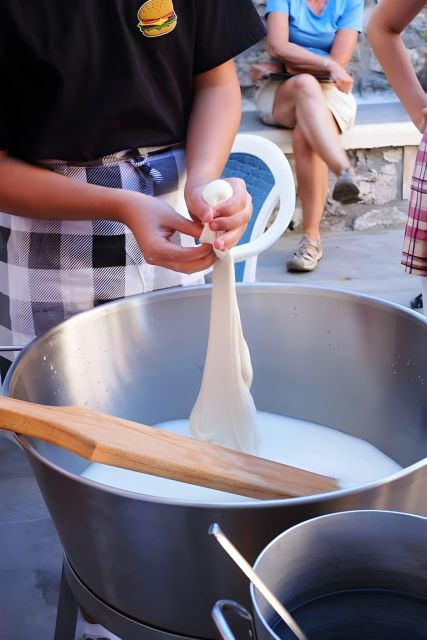
If tiramisù is the confidence-builder, mozzarella is the thrill. This is a chance to make something you usually buy, and to do it with ingredients that have a clear connection to the farm.
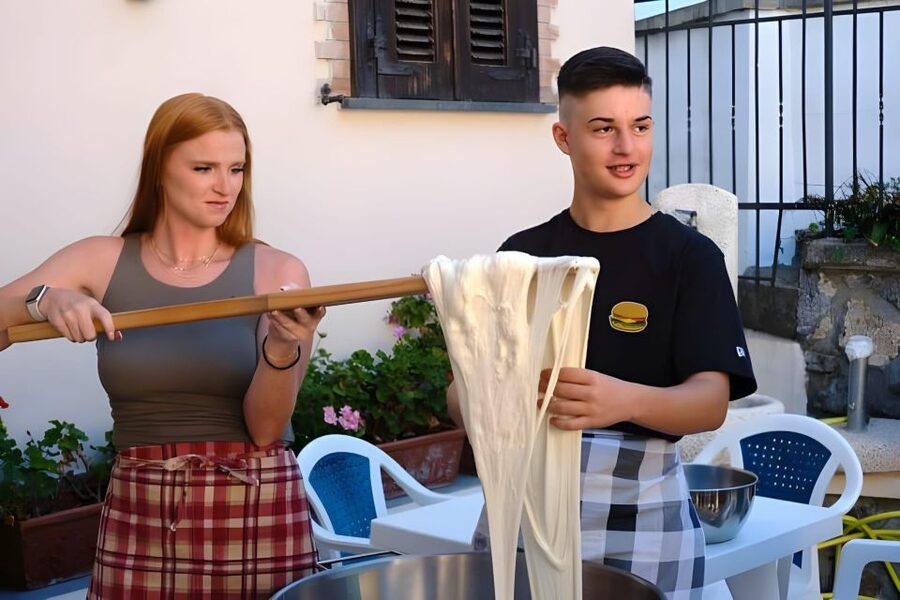
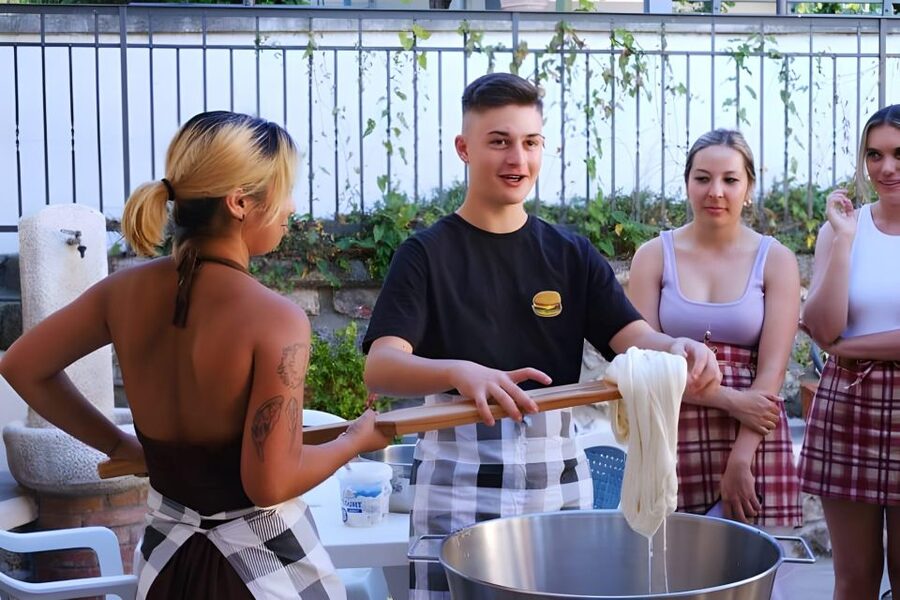
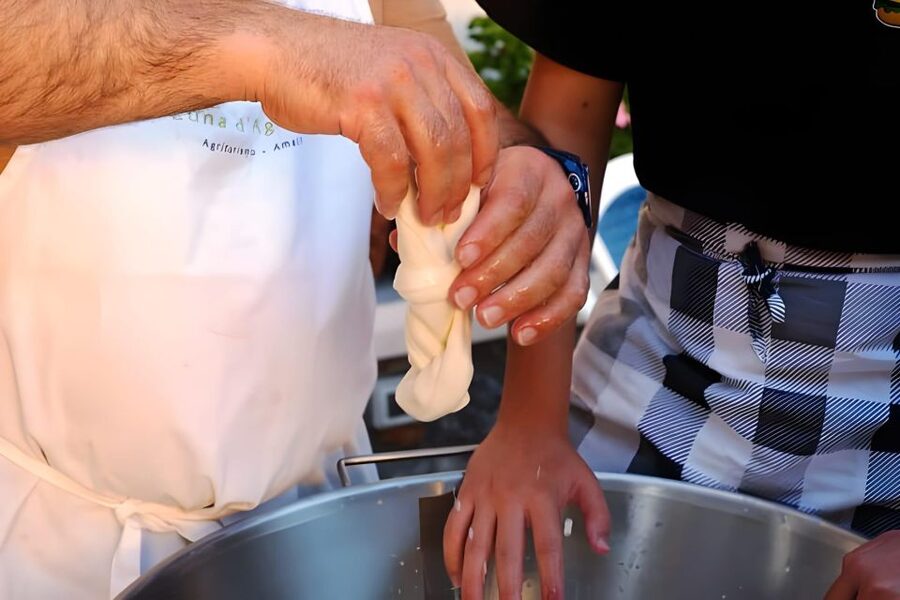
You’ll make mozzarella using the genuine milk from the farm’s cow, raised and cared for on-site. The lesson guides you through the process step-by-step, and then you’ll get to participate together. Many people call out the fun of stretching mozzarella, which is exactly where you go from listening to actually doing.
A big reason guests rave about this part is that it feels tangible. You see how the texture changes, and you understand mozzarella as a craft rather than a product. When the final tasting arrives, it doesn’t taste like a snack that happened by accident. It tastes like something you made with your hands.
This is also where you’ll likely appreciate the scale of the farm operation. One review mentions a big kitchen and a huge garden that grows things, and that adds to the sense you’re cooking within the farm’s ecosystem rather than in a rented space.
Fresh pasta and tagliatelle: grandma’s recipe you’ll actually remember
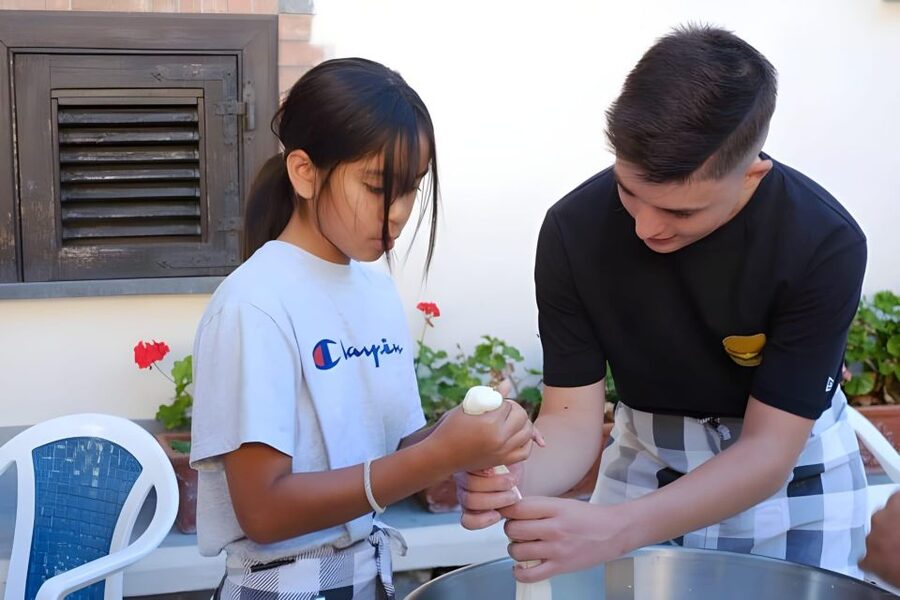
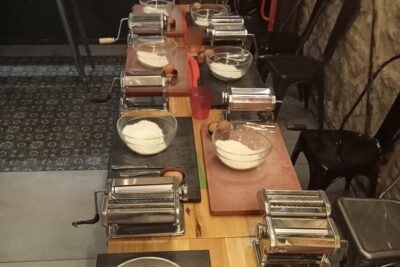
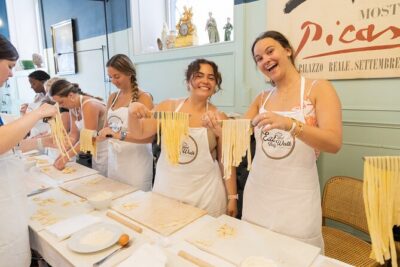
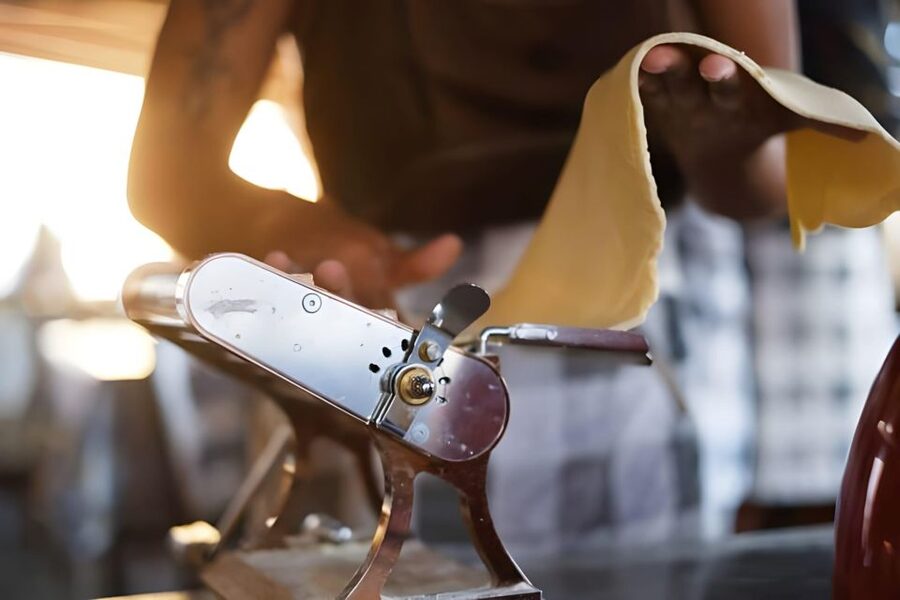
After tiramisù, you shift into fresh pasta. This part is often described as a pasta masterclass, but don’t worry: it’s not a silent demo. You’ll work together, and you’ll learn the technique for making noodles from scratch.
The class highlights mention fresh pasta using grandma’s recipe, and many people specifically mention tagliatelle. That tells you what to expect in terms of shape and style. You’ll be taught how the dough should feel and how to form it into noodles. Then you cook and eat what you make, which is the best possible feedback loop.
Why this matters for you: pasta is one of those dishes where people can’t tell what went wrong after the fact. If the dough is off, the cooking times feel confusing. But after you’ve made the dough once with guidance, you get a mental baseline. That makes it easier when you try again at home.
Also, pasta making slows you down in a good way. It’s not a rushed checklist. You’ll feel the rhythm of the farm kitchen while learning something practical you can use later.
Wine tasting, organic products, and your final meal
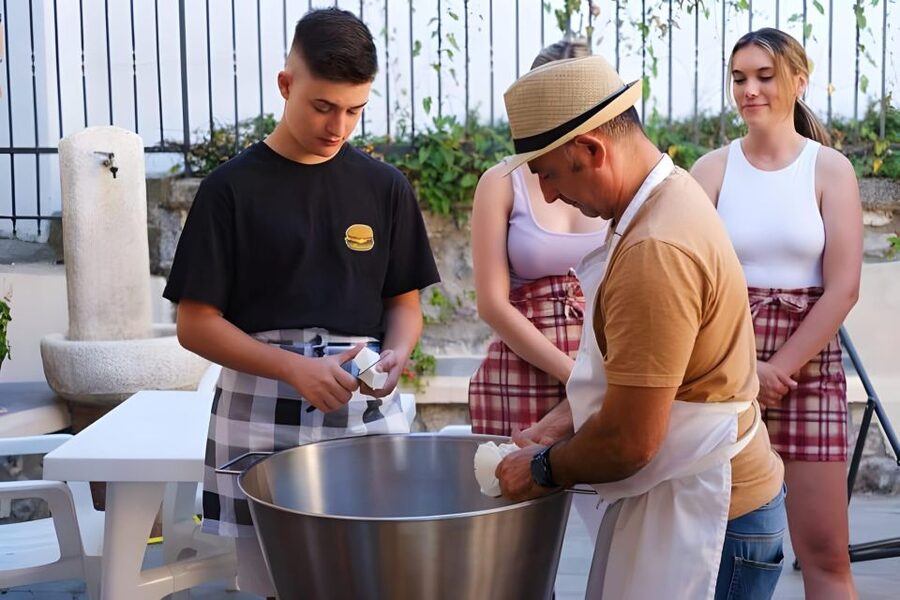
Once you’ve built tiramisù, mozzarella, and pasta, the experience turns into the reward phase. You’ll taste a good homemade organic wine after you prepare the tiramisù and relax. This isn’t just a sip. It’s part of how you transition from work mode to enjoyment mode.
Then you move into a meal that includes what you prepared. Reviews mention that the food is served as a feast at the end, and many people say there’s plenty to eat. People also mention endless water, which sounds small until you’re in a hands-on cooking class sweating from mozzarella stretching and pasta forming.
The food is described as fresh and truly Amalfi-style, and the organic focus shows up in how everything is framed. In a class like this, you’re not just chasing flavor. You’re learning why the flavors work together: dairy for mozzarella, structure for pasta, and balance for dessert.
If you’re the type who likes to take the mood home, you might also see wine for purchase. One guest noted bottles for 10€ after tasting. Whether you buy or not, it’s a nice option if the wine matches your taste.
How long it takes and why the 1–2 hours can feel like more
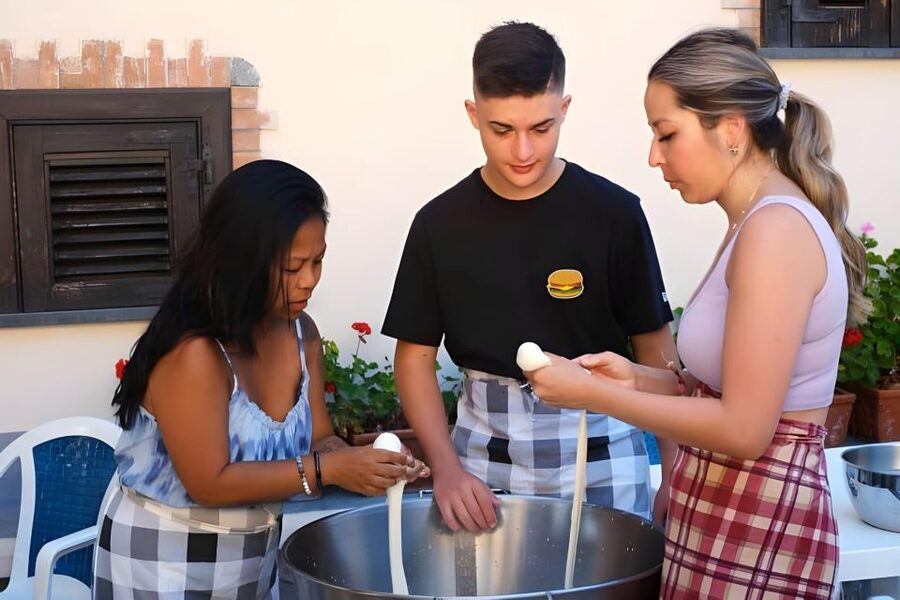
The duration is listed as 1–2 hours, and that range is probably tied to class start times and how groups move through each station. In practice, people often describe the session as fun and engaging, with enough time to participate and still end with a satisfying meal.
Group size can vary. Some reports describe small, intimate groups where you get more one-on-one feel. Other times the class can include a larger group, with lots of adults participating together. Either way, the instructors structure tasks so multiple people can take part, and jokes or humor help keep energy high.
That time efficiency is part of the value. You’re not spending half your day commuting and then only watching someone else cook. You’re actively making three dishes and then eating them.
Price and value: what $34 includes, and what that means in real terms
At $34 per person, this is priced in a way that can surprise you if you’ve paid for cooking classes in big cities. Here’s the value math that matters: you get a cooking lesson, a farm tour, wine tasting, parking on the property, and a meal that includes what you made.
The “secret” isn’t that the dish list is huge. It’s that the instruction is hands-on across multiple food types: dessert, dairy, and pasta dough. That mix is useful because it makes the experience more than one trick pony. You leave understanding how to build flavor and texture, not just how to assemble an end plate.
Also, the farm setting adds value without feeling like a gimmick. Views aren’t included as a background photo. They shape your pacing and your atmosphere, which makes the class feel like a real afternoon on the Amalfi Coast rather than a factory-style cooking workshop.
Getting there on the Amalfi Coast: parking helps, but plan the drive
A practical note: the farmhouse is not in the most walkable strip of the coast. Reviews call out that it can be slightly difficult to find and that getting there can take longer than expected. If you’re coming from elsewhere on the Amalfi Coast, I strongly recommend building in extra time.
The good news: parking is included on the property. That makes the experience much easier if you rent a car. One guest even specifically suggested renting a car because of the trek.
The meeting point can vary depending on the option booked, so confirm details after booking. If you show up with a tight schedule, you’ll feel stressed before the class even begins. If you arrive with breathing room, the view and the farm tour do their job.
Food restrictions and language support: what you should do before you go
If you have food restrictions, you must advise at the time of booking. That’s important because the class includes multiple dishes and a meal, not just tasting samples. On the accommodation side, reviews mention that the hosts can be accommodating with restrictions, which is a good sign.
Language-wise, the instructor is Italian and English. People specifically mention good English and an easy tone. That means even if your Italian is basic, you’ll follow what’s happening and why each step matters.
This class works for different comfort levels too. You don’t need to be a confident cook. You just need to be willing to get your hands moving when it’s mozzarella time and pasta time.
Who this suits best, and who might want a different plan
This class is ideal if you want an authentic Amalfi Coast experience that goes beyond eating at a restaurant. You’ll enjoy it most if you like learning by doing and if three-dish sessions make sense for your travel schedule.
It’s also a strong pick for families. Several reviews mention kids enjoying the hands-on approach. Just know that you’ll be working with food textures, so supervision and participation are part of the fun.
On the other hand, if you’re set on minimal driving and you want everything close to a major town center, this might feel less convenient than an urban cooking class. Also, if you want a longer lecture about regional history, this is more practical than academic. The payoff is technique and tasting.
Should you book this Amalfi pasta, mozzarella & tiramisù class?
I think you should book it if you want a high-value, hands-on cooking experience with real farm context and real food results. For the $34 price point, you’re getting a lot: three dishes built from scratch, a farm tour, organic wine tasting, and a meal that celebrates your work.
You might skip it if you’re short on time and hate the idea of driving to a countryside farmhouse, since the meeting point can vary and arrival can take longer than expected. If that’s your situation, choose a plan closer to your hotel and keep this kind of class for a trip where you can slow down.
If you’re choosing one thing to do on the Amalfi Coast that feels personal and delicious, this is a solid bet. And when you taste your own mozzarella and tiramisù afterward, you’ll know why people keep recommending it.
FAQ
Where does this Amalfi cooking class take place?
It takes place in Campania, Italy, at an authentic Amalfi farmhouse overlooking the upper part of the Amalfi Coast and with views toward the Gulf of Salerno.
How long is the experience?
The class lasts 1 to 2 hours.
What does it cost?
The price is $34 per person.
What dishes will I learn to make?
You’ll learn to make tiramisù from scratch, mozzarella, and fresh pasta (including noodles such as tagliatelle).
Is wine included?
Yes. The experience includes an organic wine tasting.
Do I also get a farm tour?
Yes. A farm tour is included.
Is parking included?
Yes. Parking is included on the property.
Is hotel pickup and drop-off included?
No. Hotel pickup and drop-off are not included.
What languages are the lessons taught in?
The instructor offers instruction in Italian and English.
Can you handle food restrictions, and is a private group possible?
You must advise about food restrictions at the time of booking, and the experience notes that a private group is available.