REVIEW · GARDA
Bardolino: Garda Lake Pasta Cooking Class at Agritourism
Book on GetYourGuide →Operated by Timonfaya Travel Lanzarote · Bookable on GetYourGuide
Fresh pasta beats any cooking show fantasy. This Bardolino class has you making tagliatelle and ravioli with Chef Marco, then sitting down to eat what you made with Bardolino wine. The only real catch: access is limited to registered participants, and being late can mean you miss the experience entirely.
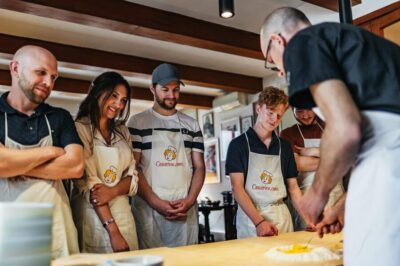
What I really liked was how practical and clear the teaching felt. Chef Marco teaches in English, and the vibe stays friendly and question-friendly. You also get those vineyard-and-Lake Garda views that make a 3.5-hour food lesson feel like a proper day out.
In This Review
- Key Highlights Worth Your Time
- Bardolino Agritourism: Vineyards, Views, and a Kitchen That Feels Local
- The Real Schedule: What 3.5 Hours Feels Like
- Learning Tagliatelle: Kneading and Shaping Without Guesswork
- Ravioli Veneto-Style: Filling, Sealing, and Getting Them Right
- Chef Marco’s Teaching Style: English-Friendly and Actually Helpful
- Wine Pairing in Bardolino: What You’re Really Drinking
- What’s Included (and Why It Changes the Value)
- Not Included: What You’ll Need to Arrange Yourself
- Accessibility and Comfort: Good to Know Up Front
- Who Should Book This Pasta Class?
- Should You Book Bardolino’s Pasta Class at Agritourism?
- FAQ
- How long is the Bardolino pasta cooking class?
- What pasta will I learn to make?
- Is the instructor fluent in English?
- Is hotel pick-up or drop-off included?
- Do I need to bring anything?
- Is the class wheelchair accessible?
- Does it run in bad weather, and how strict is timing?
Key Highlights Worth Your Time
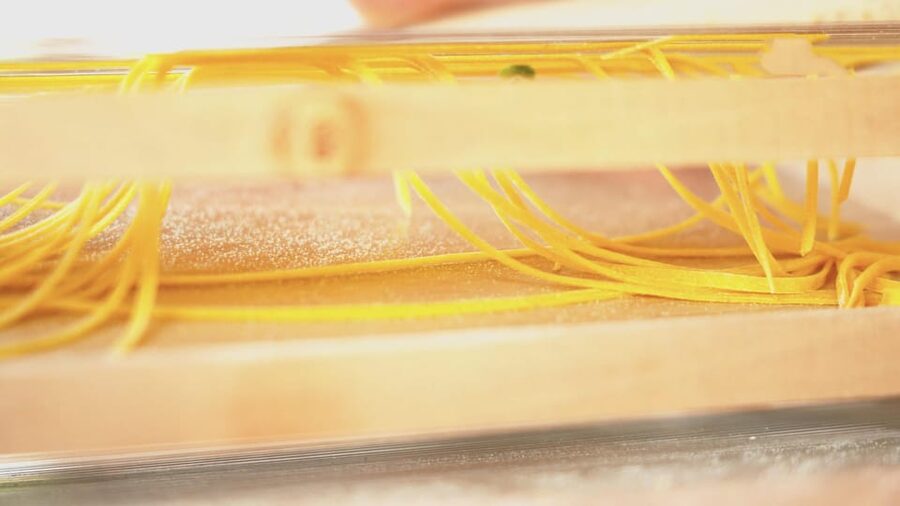
- Hands-on fresh pasta: knead dough and shape tagliatelle and ravioli from scratch
- Chef Marco’s English instruction: step-by-step help that makes techniques feel doable at home
- Bardolino wine pairing: you taste the wine produced locally with your meal
- Beautiful agritourism setting: vineyard views and a calm, open-air feel even when the weather turns
- A real meal, not a sample: you eat what you make after the cooking session
Bardolino Agritourism: Vineyards, Views, and a Kitchen That Feels Local
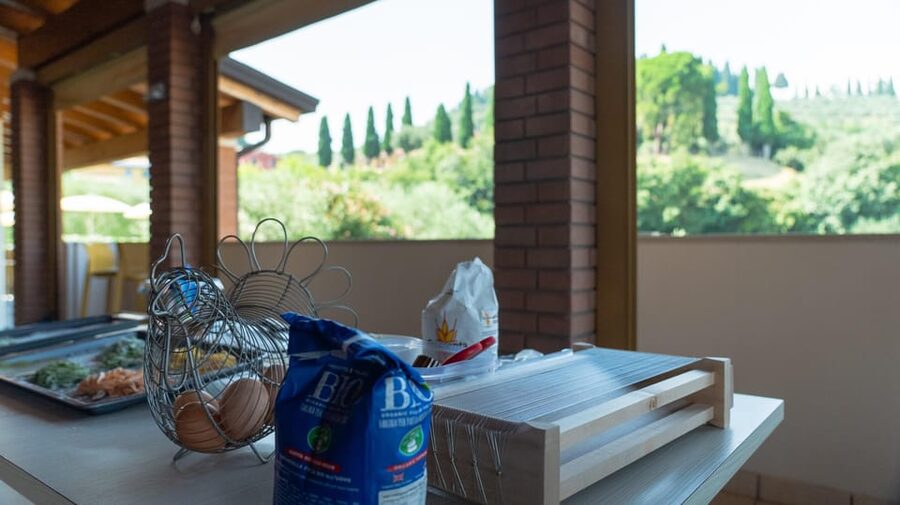
Lake Garda is great for “one more walk” decisions. This class adds a different kind of reward: you’re not just sightseeing—you’re cooking in an agritourism setting where the food and wine culture aren’t an afterthought.
The experience is built around an on-site production and a real working environment. In the reviews, people specifically call out the family setup and the vineyard setting, and it shows in the atmosphere. You’re there for a guided cooking session, but the setting does its part too: open space, vineyard scenery, and the kind of calm that makes it easier to focus on what your hands are doing.
Also worth noting: the class runs rain or shine. One review flat-out mentions thunder storms not stopping the day. So if your Lake Garda forecast looks moody, this is a strong plan B that still feels like it belongs in the region.
The Real Schedule: What 3.5 Hours Feels Like
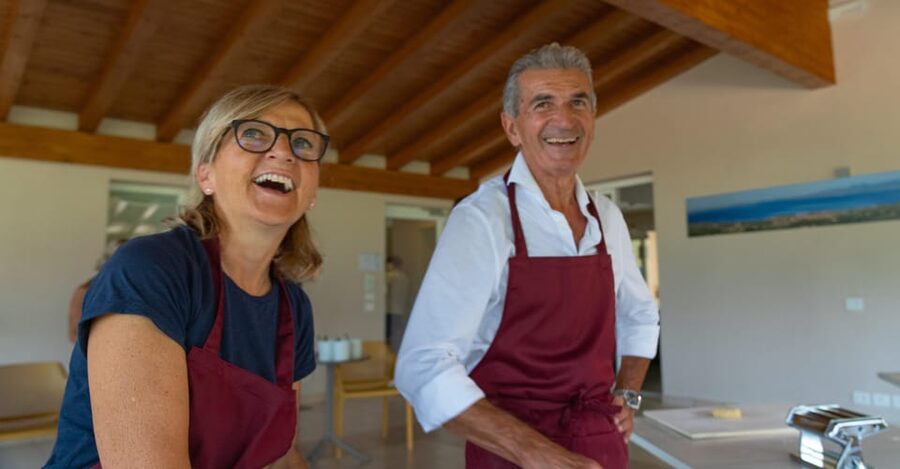
This is a 3.5-hour experience, and the timing matters. You’ll have enough time to learn technique, practice it, and then actually eat the results. That’s the difference between a short tasting and a real cooking class.
Here’s what you can expect in order:
- You’ll get instruction and start working the dough, not just watching.
- You’ll learn shaping methods for tagliatelle and ravioli in a Veneto style.
- You’ll then taste what you make, paired with wine from the vineyard.
- Carafe water is included, so you’re not doing mental math on drinks during the meal.
One small practical note: you’re expected to arrive on time. The day is structured. A delay of 10 minutes can be accepted, but arriving later can mean you become a no-show. That’s a bigger deal than it sounds, because this is hands-on work—being late throws off the whole flow.
Learning Tagliatelle: Kneading and Shaping Without Guesswork
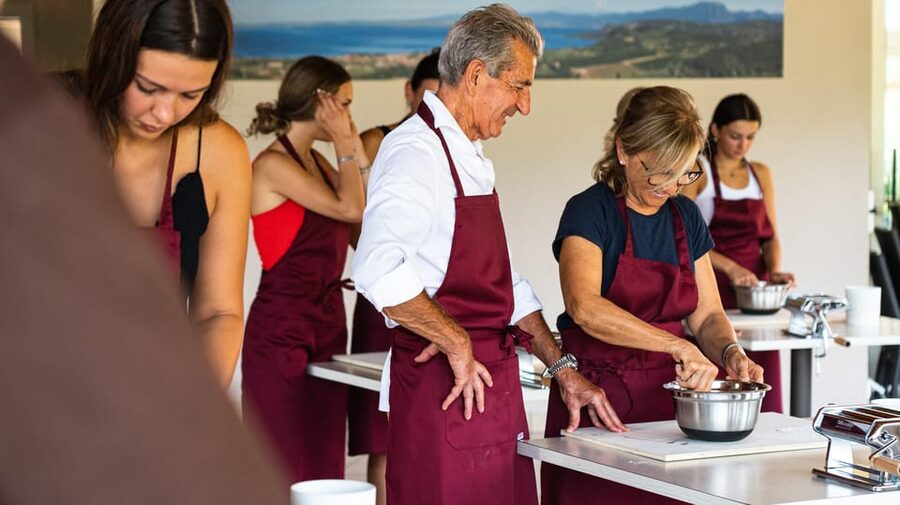
Tagliatelle is simple on paper and fussy in real life. The kind of pasta that looks easy in photos is where beginners usually get stuck. That’s exactly why this part is so valuable.
In this class, you’re guided through:
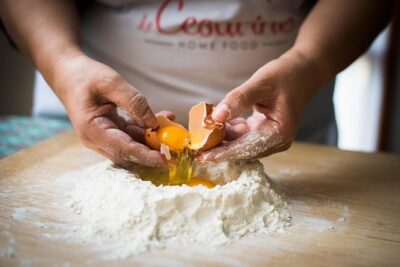
- Kneading dough until it has the right feel
- Rolling and cutting into the tagliatelle shape
- Learning the small technique points that affect texture and bite
The best teaching moments in the reviews aren’t about fancy theory. They’re about clear step-by-step help and “do this, then look for that” guidance. You’re not just being told a recipe—you’re being taught what to pay attention to as you go.
If you’ve ever tried to make fresh pasta and ended up with dough that tears or sticks, you’ll appreciate the hands-on corrections. This style of class helps you build a feel for the dough. That matters more than memorizing measurements, because fresh pasta is a tactile skill.
Ravioli Veneto-Style: Filling, Sealing, and Getting Them Right
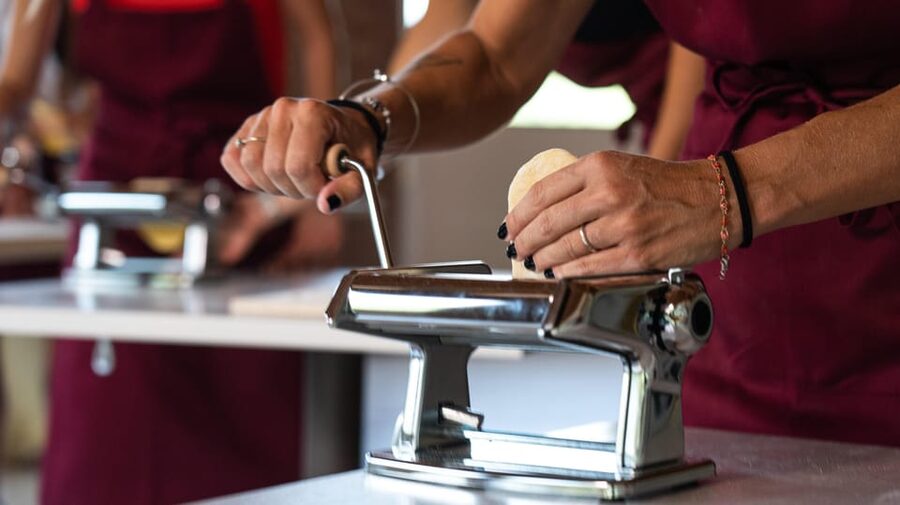
Ravioli scares people. It shouldn’t, but it does—because sealing is where things fall apart. Here, you’re taught to make ravioli from scratch with guidance that keeps you moving step-by-step.
From the info you have, the focus is on traditional Veneto techniques. From the reviews, the common theme is that the chef answers questions and offers help when you need it. That changes the experience. Instead of hovering near your workstation hoping for luck, you get feedback while you’re still in the learning phase.
When you’re making ravioli, you’ll want to pay attention to:
- Portioning the filling so you don’t overstuff
- How you handle dough edges before sealing
- The final shape so they hold up during cooking
And then comes the fun part: you eat your own ravioli later in the tasting session. That’s when the class stops being a workshop and becomes dinner you earned.
One more note: some reviews mention making three types of pasta, including spaghetti along with tagliatelle and ravioli. The core promise here is tagliatelle and ravioli, so plan around those. If you do get additional shapes in your session, it just means you’re getting extra practice.
Chef Marco’s Teaching Style: English-Friendly and Actually Helpful
This class is taught by an English-speaking chef, and the instructor name that keeps showing up is Marco. People describe him as funny but focused, and—more importantly—very willing to answer questions.
That matters for two reasons:
- Fresh pasta has lots of tiny variables (humidity, dough handling, thickness). If you don’t understand what to adjust, you’ll feel lost.
- Cooking is more confidence than “knowledge.” When the chef can explain the why in straightforward terms, you get better fast.
In multiple reviews, Marco is praised for clear instructions, a welcoming atmosphere, and keeping the class educational without turning it stiff. You’ll also notice how often people mention the small-group feel. Even without an exact group-size number in the details you have, the consistent vibe is that you’re not stuck watching from the sidelines.
Also: the ingredients are described as grown on his own land in at least one review. Whether you care about that detail or not, it’s a good sign you’re eating food that’s treated as part of the farm system, not just a product for tourists.
Wine Pairing in Bardolino: What You’re Really Drinking
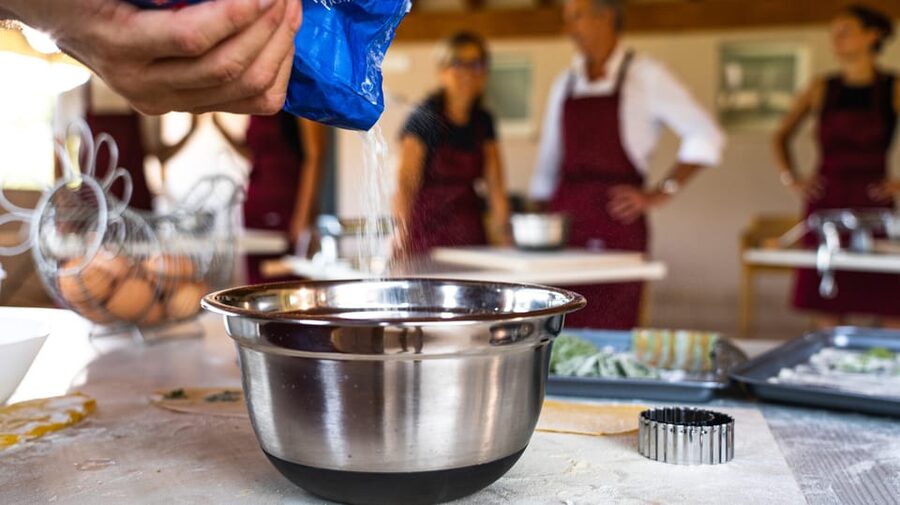
You’ll taste Bardolino wine from the vineyard as part of the experience. This isn’t positioned as a separate “wine tour” day. It’s a pairing that supports the meal you just made.
A few practical benefits of the way it’s set up:
- You’re pairing wine with something you cooked, so it feels coherent.
- The tastings happen in the same time window as your pasta, so you don’t lose the mood by waiting around.
- You get a clearer sense of local flavor—not just a generic Italian wine souvenir.
One review notes that wine glasses were never left empty. Another says the wine was excellent and good value for money. That lines up with why a vineyard-based pasta class can feel like more than just a cooking activity: it connects the region’s food and wine culture in a single sitting.
What’s Included (and Why It Changes the Value)
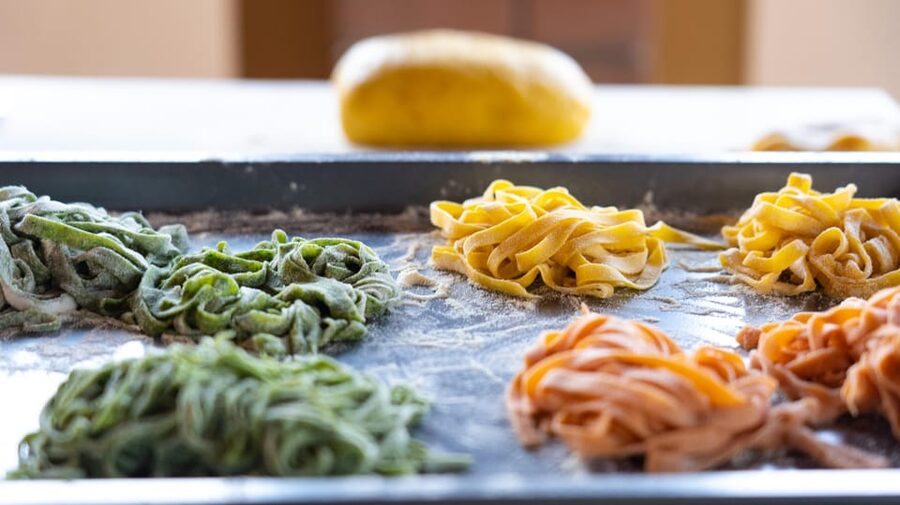
At $93 per person for a 3.5-hour class, you should ask: what am I actually getting?
Here’s what’s included:
- Ingredients for tagliatelle and ravioli
- Cooking tools and equipment
- Expert chef instruction (in English)
- Tasting session with your freshly made pasta
- Bardolino wine from the vineyard
- Carafe water
That’s a solid bundle. Many cooking classes still require you to bring ingredients, pay for drinks separately, or eat something that’s not really part of the class. Here, the meal and the wine pairing are part of the experience, which makes the price easier to justify.
If you compare it to spending a similar amount on dinner plus wine plus a guided activity, this version gives you the technique. You’ll leave knowing how to do fresh pasta basics—at least enough to try again at home without thinking you need restaurant equipment and luck.
Not Included: What You’ll Need to Arrange Yourself
Two simple gaps:
- No hotel pick-up or drop-off
- You’ll need comfortable shoes
That means you’ll want to plan your own transport to the agritourism setting. Since the class is 3.5 hours, build in time so you don’t feel rushed.
Also, the experience has a few clear “don’ts”:
- Pets are not allowed.
- Access is restricted to registered participants. Companions, children, or unregistered guests aren’t allowed unless agreed in advance.
- Extra guests may be denied entry, and if the group chooses not to join, it can count as a no-show.
If you’re traveling with kids or bringing along extra people for the vibes, you’ll need to check before booking. This isn’t a casual open-door event.
Accessibility and Comfort: Good to Know Up Front
The class is listed as wheelchair accessible, which is a big plus if you need step-free access and supportive seating.
For comfort, bring comfortable shoes. You’ll likely be standing while rolling, shaping, and working at your station. Also, because it runs rain or shine, dress for changing conditions—Lake Garda weather can shift fast.
If you have dietary requirements, you’re asked to advise ahead of time. That’s not a “maybe we can accommodate” situation. Tell them what you need so the class can plan properly.
Who Should Book This Pasta Class?
This is a great fit if you:
- Want hands-on cooking, not just a tasting
- Like food experiences that feel rooted in local production
- Enjoy learning skills you can repeat later (even imperfectly) at home
- Want a rainy-day plan that still feels like Lake Garda
It might be less ideal if you:
- Need lots of flexibility for late arrivals (timing is strict)
- Are traveling with extra companions or children who aren’t part of the registered group
- Are uncomfortable with a practical, active workshop format
The best kind of person for this class is curious and ready to get a little flour on their hands. You’ll enjoy it more if you treat it like a skill session instead of a performance.
Should You Book Bardolino’s Pasta Class at Agritourism?
If you want an authentic Lake Garda food moment that doesn’t feel like a canned show, I’d book this. The price feels fair because you’re paying for instruction, ingredients, tools, and a real sit-down tasting with local wine—not just a short demo.
Chef Marco in English is a big reason this works. The class seems structured, friendly, and question-friendly. Add the vineyard setting, the rain-or-shine reliability, and the fact that you’ll eat what you made, and you get a day that’s both useful and genuinely fun.
If you like fresh pasta, or you’ve been thinking about learning it for years, this is one of the cleaner ways to do it: structured enough to succeed, hands-on enough to feel satisfying.
FAQ
How long is the Bardolino pasta cooking class?
The class lasts about 3.5 hours.
What pasta will I learn to make?
The experience focuses on making tagliatelle and ravioli from scratch. Some sessions may include additional pasta like spaghetti, depending on the class flow.
Is the instructor fluent in English?
Yes. The instruction is listed as English.
Is hotel pick-up or drop-off included?
No. Hotel pick-up and drop-off are not included.
Do I need to bring anything?
Wear comfortable shoes. If you have dietary requirements, you should advise in advance.
Is the class wheelchair accessible?
Yes, the experience is listed as wheelchair accessible.
Does it run in bad weather, and how strict is timing?
The experience proceeds rain or shine. Guests are expected to arrive at the indicated time; a delay of 10 minutes can be accepted, but arriving later can make you a no-show.