REVIEW · VENICE
Share Your Pasta Love in a Local’s Home in Venice
Book on Viator →Operated by Cesarine: Cooking Class · Bookable on Viator
Fresh pasta, made in a real Venetian home.
This hands-on class is built around mixing, kneading, and shaping pasta like bigoli, tagliatelle, or ravioli, then eating your work at the table with wine.
I especially love the small group size (max 15), because it usually means you get real attention while your dough turns from sticky mess to silky sheets and shapes. I also like that the evening is more than cooking: you start with a welcome aperitivo and end with a home-cooked pasta meal, plus optional coffee and dessert.
One possible drawback: hands-on time can vary a bit by host and how the evening flows. If you want maximum participation, come with a curious attitude and be ready to ask how you’ll be involved in each step.
In This Review
- Key highlights worth noting
- Your Venice pasta workshop starts with aperitivo, not a lecture
- What you’ll make: bigoli, tagliatelle, ravioli, and friends
- Hands-on pasta making: where the work actually happens
- The meal at the table: wine, the pasta you made, and optional dessert
- The Venice home setting: small group size makes a difference
- Where to go, and how to avoid the most common headache
- Price and value: what you’re really paying for at $94.92
- Who this pasta class is best for
- Should you book this Venice pasta-making workshop?
- FAQ
- Where is the meeting point for the pasta class?
- How long does the experience last?
- What’s included in the price?
- Is there wine during the class?
- What pasta dishes might I learn to make?
- Is the class taught in English?
- How big is the group?
- Is hotel pickup provided?
- Are there any Venice access fees or refund options to know about?
Key highlights worth noting
- A welcome aperitivo plus wine: you get a small appetizer and one bottle of wine per 3 participants
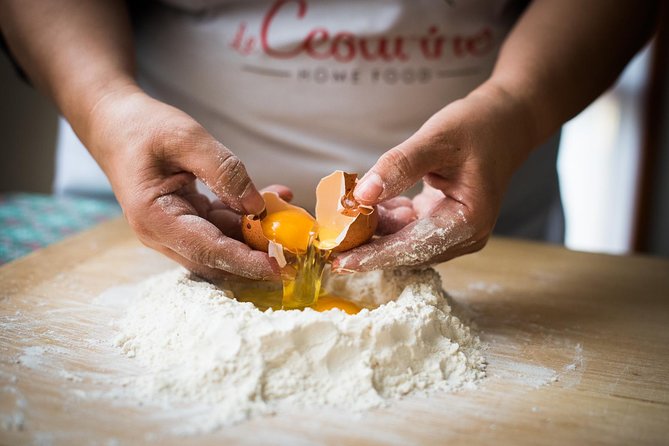
- Fresh pasta from scratch: you’ll mix, knead, and shape classic dishes
- Venetian home-kitchen feel: you’re not in a classroom; you’re in someone’s daily-life kitchen
- You eat what you make: then you sit down as a group for the pasta meal
- Small group cap (15): more time with your host, less time waiting around
- Optional coffee and dessert: a nice ending if you’re still hungry
Your Venice pasta workshop starts with aperitivo, not a lecture
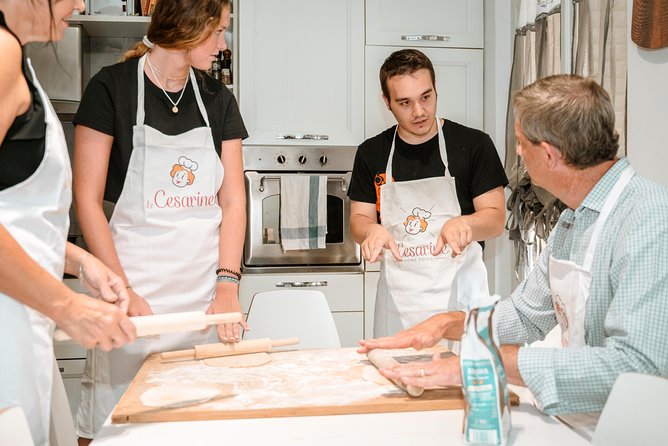
The experience begins in a local home setting in Venice, with your welcome aperitivo and a small appetizer paired with a refreshing drink. It sets the tone fast: relaxed, social, and focused on food instead of facts. You’ll also get an intro to what you’ll make and how the dough should feel as you work it.
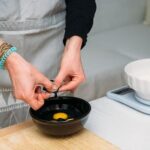
From there, your host guides you into traditional pasta-making techniques used in Venetian kitchens. This is where the class feels practical. Instead of memorizing a recipe, you learn what to watch for: dough texture, how hard to knead, and what the pasta should look like once it’s ready.
If you’re the type who likes learning by doing, you’ll probably click with this format. If you’re hoping for a super strict, perfectly timed production line, just know that each home kitchen runs on its own rhythm.
You can also read our reviews of more tours and experiences in Venice.
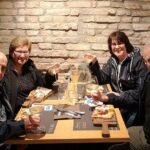
What you’ll make: bigoli, tagliatelle, ravioli, and friends
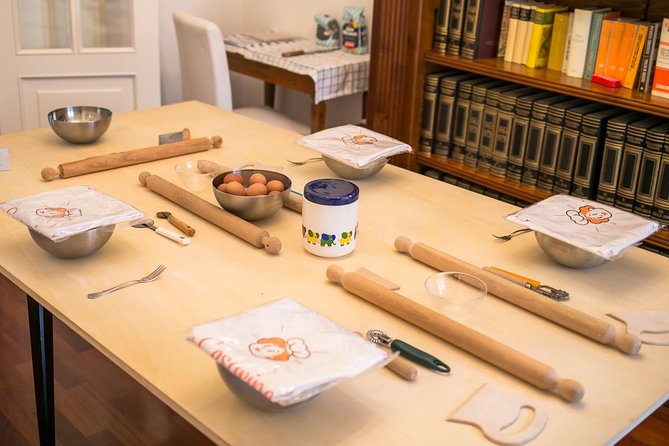
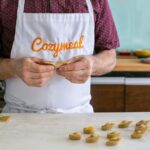
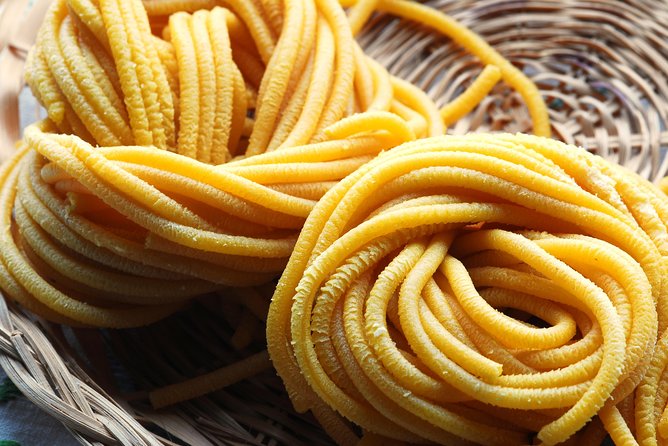
Your menu centers on fresh pasta you prepare from scratch. Depending on the evening, you’ll make shapes such as bigoli, tagliatelle, or ravioli, following techniques passed down through generations in Venetian kitchens.
You may also see regional favorites appear on the table. The sample menu includes regional options like bigoli, risi e bisi, or gnocchi. Even if the exact combination varies, the core skill is the same: turning simple ingredients into dough, then shaping it into something you can cook quickly and eat right away.
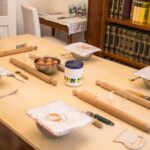
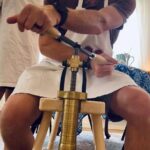
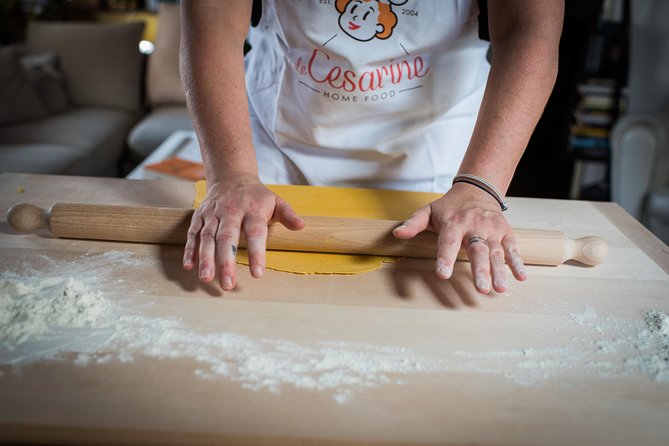
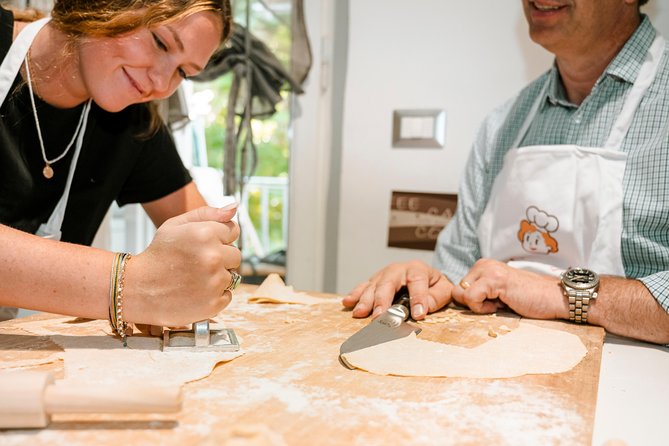
One smart thing to keep in mind: “fresh pasta” doesn’t mean only rolling. A good portion of the class usually comes down to how you handle dough—kneading and resting—so it becomes elastic enough to shape without springing back. Some hosts also use tools to roll dough thinner; you might see a pasta machine in action depending on the session.
And here’s the real value for you: you’ll leave knowing how to judge dough by feel. That matters at home, because store-bought pasta won’t teach you what fresh dough is supposed to do.
Hands-on pasta making: where the work actually happens
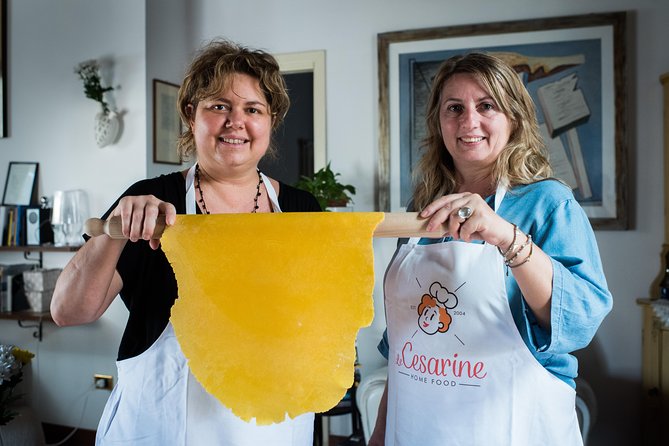
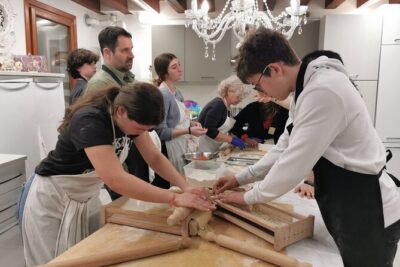
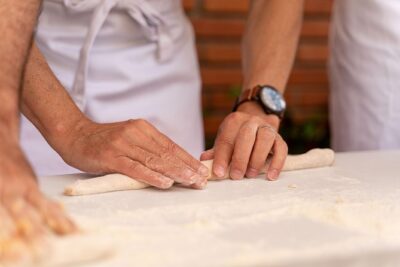
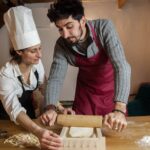
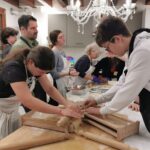
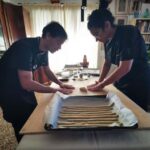
You’ll mix and knead the dough yourself, then shape the pasta. This isn’t just watching someone else work while you hold your phone. In most sessions, you should expect to do key steps like kneading and forming shapes, then help with the process as your host demonstrates what comes next.
Still, it’s worth setting expectations honestly. Some past participants reported that their class felt more like a show than a workshop, with limited sauce-making on their side. That doesn’t mean the class is always that way. It means the exact hands-on balance can depend on the host and how many dishes are planned for the night.
So how do you protect yourself? Simple: when you arrive, pay attention to the plan your host shares. If you hear that a step might happen with minimal participation, ask directly how you’ll be involved in the hands-on parts. You’re paying for the cooking time, and a good host will want you to get your money’s worth.
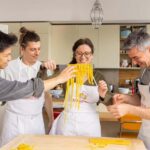
For many people, the most satisfying moment is seeing the dough become shapes. It’s the payoff: you aren’t just eating pasta, you’re holding the same kind of finished product Venetians make at home.
The meal at the table: wine, the pasta you made, and optional dessert
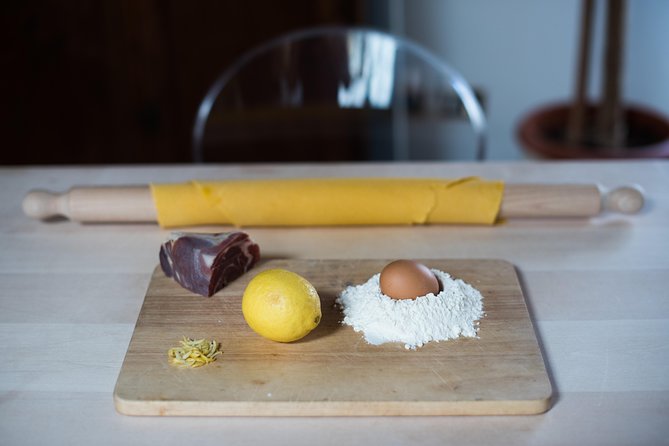
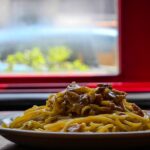
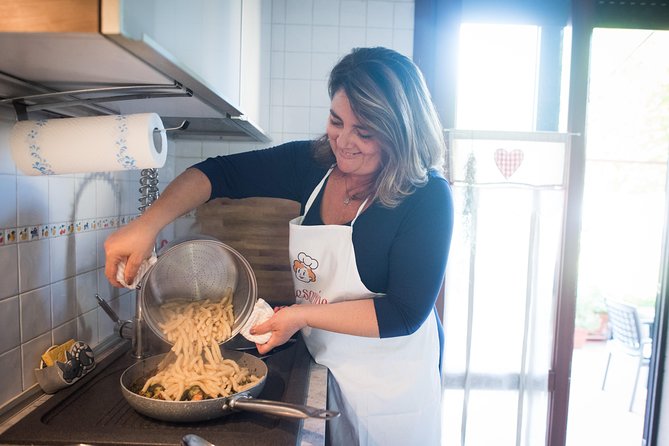
Once the pasta is ready, you sit down for the part that turns lessons into memories. You’ll toast together with wine—one bottle per 3 participants—and eat the pasta dish you just made.
The experience includes a homemade pasta meal, along with the drinks listed: water, local wines, and espresso. If coffee and dessert are offered, they’re optional, which is great if you’re full and don’t want a sugar detour.
In one set of sessions, prosecco showed up as part of the meal pairing, which fits with how Italian hospitality often works: different bubbles appear depending on the host and what they have that night. Your core guarantee is that wine is part of the meal, and you won’t be left out in the cold.
If you’re picky about food, keep this in mind. One past participant mentioned a sauce included meat despite a dietary note. The host offered an alternative, but the lesson for you is clear: communicate needs early, and speak up if something doesn’t match what you expected.
The Venice home setting: small group size makes a difference
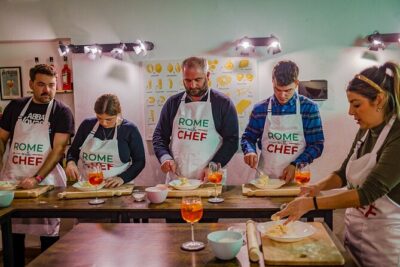
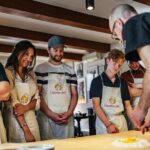
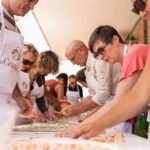
This isn’t a massive tour bus situation. The class caps at 15 travelers, which changes the whole experience. In a group that size, your host can notice if your dough is too dry or if you’re shaping too roughly. You also get more chances to ask questions without feeling like you’re interrupting.
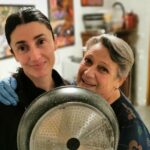
You may meet different hosts across dates and weeks. Names mentioned in past experiences include Nicoletta, Giulia, Anna, and Renan. Across these different personalities, the common thread is warmth and a home-kitchen style—lots of conversation while you cook, not a stiff, scripted performance.
Also, because it’s in a private home, the pace can feel less formal than a public kitchen. That’s a plus for me. You’re tasting Italy in a way that feels lived-in, not staged.
Where to go, and how to avoid the most common headache
You meet at Calle Larga Lezze, 3596, 30121 Venezia VE, Italy. The activity ends back at the same meeting point. No hotel pickup or drop-off is included, so you’ll want to plan on walking through Venice’s lanes.
The class is near public transportation, but in Venice that still means you’ll walk from the nearest stop. Wear shoes you’d feel comfortable slipping off for a kitchen floor—non-slip and not too delicate.
And here’s the practical warning I’d give you: one past participant had a no-show issue tied to a late meeting-location change and missed instructions. That’s not the most typical outcome, but it’s enough that you should take meeting-point updates seriously.
Do this: when you book, check your confirmation message closely. If there are any updates, follow what’s written there, not what you might see in generic map pins. Bring it up before you leave your hotel, and don’t assume the same location works on every day.
Price and value: what you’re really paying for at $94.92
At $94.92 per person, you’re paying for a short but intense block of private-in-a-group cooking time in a local home. On paper, that might sound like “a cooking class.” In practice, you’re buying five things you can’t easily replicate elsewhere:
- Alcohol included: a bottle of wine per 3 people, plus drinks with the meal
- Food included: aperitivo appetizer and the pasta meal you cook
- Skills included: fresh dough handling, shaping, and cooking the dish
- Time included: about 1 hour 30 minutes in total
- Access included: an apartment kitchen experience, not a crowded public venue
If you’ve tried similar classes in busier setups, you may know the problem: you pay a lot, but half the session is waiting. Here, the small group cap helps you actually use your time.
Still, there’s one value consideration. Because it’s home-based and the menu can shift by evening, the exact hands-on balance might not match your dream scenario. If you’re coming specifically to make several pasta components yourself, go in with an open attitude and ask about participation when you arrive.
Who this pasta class is best for
You’ll probably love this if you want:
- A Venetian home experience rather than a big tour-group stop
- A practical skill you can use later (fresh dough feel and shaping)
- A meal that feels like part of the class, not an afterthought
- A cozy evening with wine, within English-language instruction
It’s also a good fit for couples, friends, and solo travelers who want conversation without awkward big-group energy.
If you’re traveling with kids, one review described a fun evening but limited eating options for a picky child. You may still have a good time, but plan for the fact that pasta sauces and ingredients can vary.
And if you’re extremely time-crunched, the session is short enough to fit into many itineraries. Just remember: no pickup, so you’ll want to time your Venice wandering accordingly.
Should you book this Venice pasta-making workshop?
Book it if you want a small-group, hands-on way to learn fresh pasta in a real home kitchen, with wine and a meal you eat right after cooking. The structure is simple and satisfying: aperitivo, dough work, then dinner built around your pasta.
Skip it or book with extra care if you need very specific dietary assurances or you’re sensitive to feeling like you watched more than you cooked. In that case, message ahead with any needs, and clarify participation steps at the start so you know you’ll be doing the work—not just looking on.
Overall, this is one of the better-value ways to spend an evening in Venice: not just looking at the city, but bringing home the taste and technique of Venetian-style fresh pasta.
FAQ
Where is the meeting point for the pasta class?
The meeting point is Calle Larga Lezze, 3596, 30121 Venezia VE, Italy. The experience ends back at the meeting point.
How long does the experience last?
The class runs for about 1 hour 30 minutes.
What’s included in the price?
The experience includes a welcome aperitivo and appetizer, a hands-on pasta-making class, a homemade pasta meal, and drinks including water, local wines, and espresso.
Is there wine during the class?
Yes. The experience includes alcoholic beverages, and you’ll have one bottle of wine per 3 participants with the meal.
What pasta dishes might I learn to make?
You’ll learn to prepare fresh pasta dishes such as bigoli, tagliatelle, or ravioli. The sample menu also mentions risi e bisi or gnocchi.
Is the class taught in English?
Yes, the class is offered in English.
How big is the group?
The experience has a maximum group size of 15 travelers.
Is hotel pickup provided?
No. Hotel pick-up and drop-off are not included, and the activity ends where it starts.
Are there any Venice access fees or refund options to know about?
On certain dates, some day-trippers staying outside Venice may need to pay a €5 access fee, with details and exemptions listed at https://cda.ve.it. You can cancel for a full refund up to 24 hours in advance.