REVIEW · TRIESTE
Pasta Making Class at Local’s Home in Trieste
Book on Viator →Operated by Cesarine: Cooking Class · Bookable on Viator
Fresh pasta, made at a home table. This private Trieste experience puts you at a Cesarina’s kitchen to learn regional technique and recipes, then eat what you make with local wines.
I especially like the hands-on pasta-making part, and I like that the class is taught in a real home setting, not a demo space. One thing to consider is the pace and language: even though English is offered, some hosts may use limited English, so a translation app can be handy.
Because it’s private, you get your teacher’s attention while you work through dough, shaping, and sauces for a meal that lasts the full 3 hours. The biggest payoff is that you’re not just learning theory—you’re building something you’ll actually taste at the table.
In This Review
- Key things to know before you go
- Why a Trieste home pasta class beats the usual cooking demo
- The 3-hour flow: morning or afternoon, then dinner on the spot
- What you’ll make: three regional pasta dishes you can recreate
- The wine and table moment: tasting matters more than you think
- Private, in-home teaching: undivided attention (and a real chance to ask questions)
- English is offered, but plan for real-life communication
- Price and value: does $174.60 make sense?
- Who should book this pasta class in Trieste?
- Practical tips to get the most out of your class
- Should you book this Trieste pasta-making class?
- FAQ
- How long is the pasta-making class in Trieste?
- Is the class private or shared with other groups?
- Are the classes offered in English?
- Will I make multiple pasta dishes?
- Do you eat the food you make?
- Is wine included?
- Where does the class take place?
- What do you take home?
- How far in advance should I book?
- Is there free cancellation?
Key things to know before you go
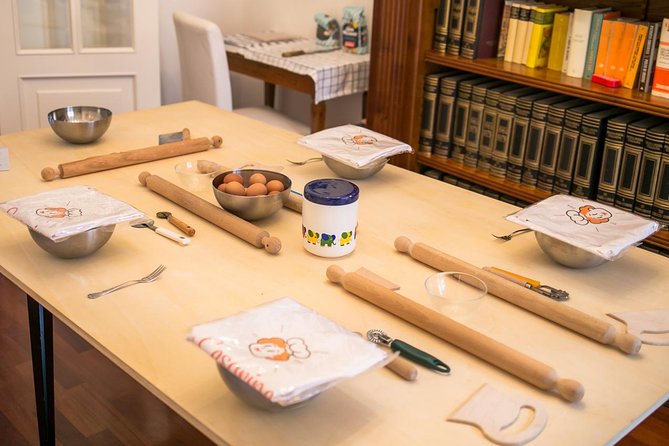
- Private class at a Cesarina’s home in Trieste, with your group only
- Make three regional pasta dishes and learn how to recreate them later
- Eat the pasta you make, so you get real feedback on taste and texture
- Sip wines from the territory, chosen to match the local menu
- You take home an official apron and shopping bag from the Cesarine network
Why a Trieste home pasta class beats the usual cooking demo
In Trieste, eating isn’t just what you do in public. It’s what people do at home, with local produce and habits passed down. That’s the spirit behind the Cesarine network: selected home cooks who host small gastronomic events in their own kitchens, using regional recipes and ingredients.
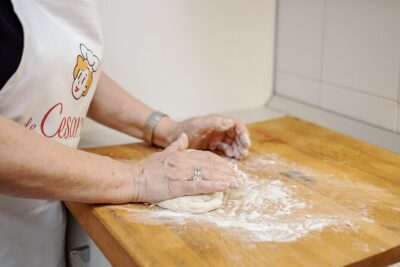
What feels different here is the access. You’re not watching someone else work while you stand back. You’re in the kitchen where pasta is made—hands, flour, timing, and all the little choices that shape dough into something that holds sauce. And since it’s private, your teacher can slow down when you need it and step in when you’re close but not quite there.
The fact that it’s based on regional technique also matters. Many pasta classes focus on one dish. Here, you’ll learn a set of pastas tied to the area’s flavors, so you come away with more than one “party trick.” You’ll understand how the dough and shaping choices affect the final bite.
You can also read our reviews of more tours and experiences in Trieste.
The 3-hour flow: morning or afternoon, then dinner on the spot
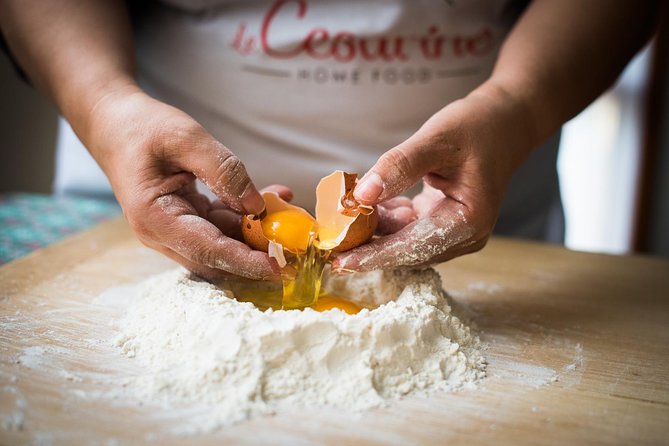
The class runs for about 3 hours, and it’s scheduled either in the morning or the afternoon. That timing is useful: you can plan it like a main activity, not a quick side quest.
In practice, expect the session to move through a simple rhythm:
1) you start making the pasta dough and portions
2) you shape and finish multiple pasta types
3) you work through the sauce component
4) you sit down and taste the dishes you prepared
That last part is key. The class includes tasting, so you’re not left wondering what you did right or wrong. You get to compare your work to what the dish should taste like, and your host can guide you based on what’s in front of you.
Also, because it ends back at the meeting point, you’re not dealing with a complicated end-of-tour logistics scramble. You can usually plan the rest of your day around the class time with less stress.
What you’ll make: three regional pasta dishes you can recreate
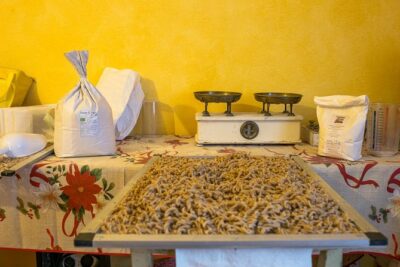
You’ll learn to make three regional pasta dishes during the 3-hour class. The big value isn’t only the recipes—it’s learning the process you’ll repeat at home.
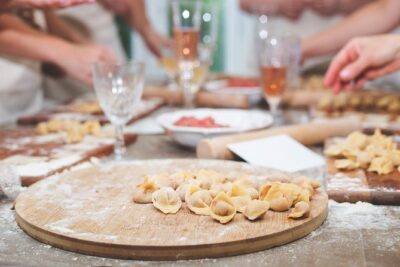
From similar classes hosted by teachers like Giovanni, the menu often includes pastas such as ravioli and spaghetti, plus a sauce that’s made to match. In some home sessions, dessert like tiramisu may also come out as part of the meal flow. Even if the exact pasta lineup varies by season and host, the structure stays the same: you’ll make pasta dough, shape it, and then connect it to a sauce.
Why this matters for you later: pasta isn’t one universal technique. Different shapes behave differently in sauce. Ravioli needs sealing and texture that won’t fall apart. Spaghetti needs dough and cutting decisions that translate into the right bite. When you make three dishes in one sitting, you build a mental map of how the dough and shaping choices affect the end result.
The wine and table moment: tasting matters more than you think
This class isn’t just “cook for yourself.” You’ll taste the pasta dishes you make, and you’ll also have a selection of red and white wines from regional cellars.
The wine detail is more than a nice add-on. Local wines help you understand why the menu is built the way it is. When you pair pasta with a wine from the same territory, you notice how the acidity, body, and flavors line up with sauce style. It’s an easy way to learn without needing a lecture.
And since it’s in a home setting, the meal feels like something you could be invited to—served calmly, eaten while it’s fresh, and tied to local habits. In at least one class experience, a host started with a small welcome drink such as prosecco or chicetta, and dessert may include something homemade like limoncello. Not every class will be identical, but it gives you a sense of how personal and local the table can be.
Private, in-home teaching: undivided attention (and a real chance to ask questions)
A private class means you’re not sharing the teacher’s time with multiple groups. Your Cesarina gets you through each step, and you can ask questions as you go—whether it’s about dough consistency, shaping, or sauce timing.
This is where the experience tends to feel worth it. Pasta is hands-on and a little finicky. A public class can move too fast. Here, the setup supports slow learning: you can get corrected before dough turns dry, and you can adjust while you’re still shaping rather than waiting until everything is finished.
If you’re traveling with kids, this type of setup often works well. One family described making ravioli as a memorable activity, with the children enjoying hands-on steps like making spaghetti, plus dessert. Even if your group is adults-only, the point stays the same: this is not a stiff classroom. It’s a kitchen where learning feels like doing.
English is offered, but plan for real-life communication
The class is offered in English, which is a huge plus. Still, one practical consideration shows up in real life: some hosts may speak limited English.
In one example, Google Translate helped a lot during the pasta-and-dessert portion. I’d treat that as your simple backup plan. If English is your only language, downloading a translation app before you go can save you from awkward moments and help you follow the nuances your host is explaining.
The good news: pasta-making has a universal layer. You’ll learn by watching hands and repeating steps. Even if a sentence isn’t perfect, you can still follow the action.
Price and value: does $174.60 make sense?
At $174.60 per person for about 3 hours, this isn’t the cheapest thing you can book in Trieste. But it’s also not “just a recipe card.”
Here’s what you’re paying for, in plain terms:
- Private instruction from a Cesarina at their home
- Three regional pasta dishes made during the class
- Tasting of what you cook
- Wine (red and white) from the local territory
- An official apron and shopping bag to take home
When you add those up, the price starts to make more sense. Many cooking experiences in tourist-heavy settings charge similar or higher prices but include less—maybe no wine pairing, or a set menu where you don’t actually cook through multiple dishes.
One more value marker: the experience is often booked around 57 days in advance. That suggests demand. If you wait until the last minute, you might find fewer time slots.
Who should book this pasta class in Trieste?
This is a strong fit if you:
- want hands-on food learning instead of a restaurant meal
- like regional Italian cooking and want more than one pasta style
- enjoy eating what you make, with wine at the table
- want a more personal experience than group cooking classes
It’s also a good choice for couples who want something active and memorable without turning it into a full-day tour. And for families, the home setting can feel more relaxed than a commercial kitchen.
If you’re the type who hates messy kitchens or you want a highly structured, lecture-style class, this may feel more physical than you expect. But pasta-making is inherently tactile, so going in with the right mindset helps.
Practical tips to get the most out of your class
You’ll get the best results if you treat this like a workshop, not a show. Focus on:
- watching your teacher’s hands first, then copying
- asking questions when you’re at a decision point (dough feel, shaping, sealing)
- tasting as you go, so you understand texture and flavor balance
Because you’ll take an apron home, think of it as a “start a habit” souvenir. After you return, you’ll be able to recreate at least part of the experience because you learned more than one dish.
Also, the Cesarina provides the exact home address once you complete the booking, and the location is near public transportation. So plan to arrive a bit early and give yourself time to find the right door.
Should you book this Trieste pasta-making class?
I’d book it if you want a real local-food experience with private attention, a hands-on kitchen session, and a meal you’ll eat right after making it. The combination of making three regional pastas, tasting them, and pairing with local wines makes the price feel more like value than a splurge.
If you’re very budget-focused, or if you prefer large-group, low-touch experiences with no cooking, then you might feel it’s pricey for the time. But if your goal is to leave Trieste with practical pasta skills—and memories tied to a home-cooked meal—this is the kind of activity that pays off.
FAQ
How long is the pasta-making class in Trieste?
It runs for about 3 hours.
Is the class private or shared with other groups?
It’s a private tour/activity, so only your group participates.
Are the classes offered in English?
Yes, the class is offered in English.
Will I make multiple pasta dishes?
Yes. You’ll make three regional pasta dishes during the class.
Do you eat the food you make?
Yes. You’ll taste the pasta dishes you make during the experience.
Is wine included?
Yes. You’ll enjoy a selection of red and white wines from regional cellars.
Where does the class take place?
It takes place at a Cesarina’s home in Trieste. You receive the exact address after booking.
What do you take home?
You’ll take the official Cesarine apron and shopping bag back home.
How far in advance should I book?
On average, this experience is booked about 57 days in advance.
Is there free cancellation?
Yes. You can cancel for a full refund up to 24 hours in advance.