REVIEW · FLORENCE
Florence: Authentic Pasta Making Class
Book on GetYourGuide →Operated by Eating Europe Food Tours · Bookable on GetYourGuide
Pasta lessons in a real Tuscan kitchen. In Florence, you step into a professional chef’s home and learn fettuccine and ravioli while Tuscan wine keeps refilling. It’s the kind of activity that feels more like dinner with a generous host than a staged tourist show.
I love the hands-on teaching, from dough basics to shaping pasta so it actually holds up when it cooks. I also love the long, family-style lunch that turns your work into a full meal you sit down for, not just a taste-and-run.
One thing to consider: it runs rain or shine, so plan for a bit of time outdoors. And if you have severe or life-threatening allergies, this isn’t a good fit since those guests can’t participate for safety reasons.
In This Review
- Key highlights you’ll care about
- A Tuscan Home Kitchen, Not a Demo Room
- Meeting in Florence: Finding the Fountain in the Square
- What You Learn: Fettuccine and Ravioli You Can Recreate
- The Step-by-Step Teaching Style That Keeps You From Getting Lost
- Wine, Breaks, and the Pace of a Real Meal
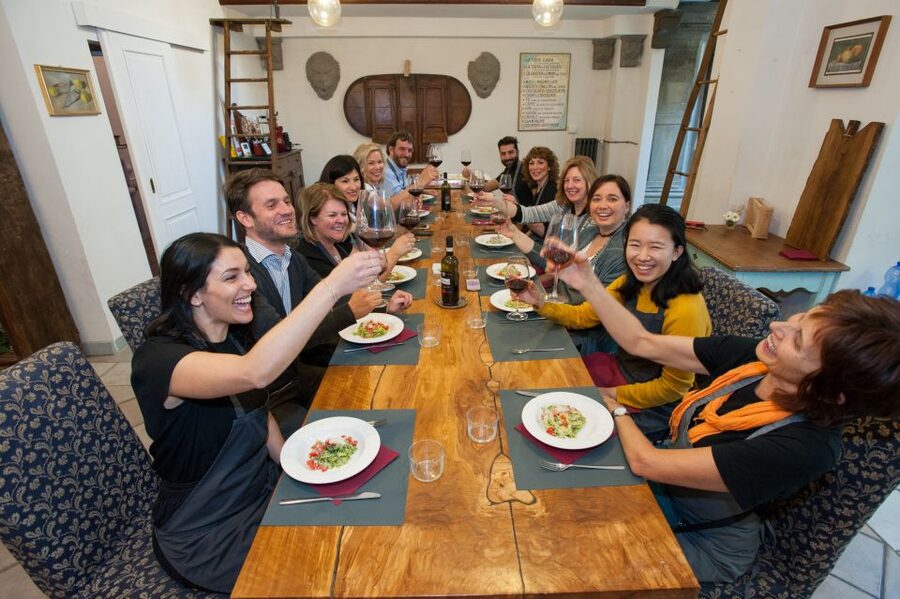
- The Giant Family-Style Lunch: Where Everything Clicks
- Tiramisù (Or Another Local Dessert) to End on a Sweet Note
- Ingredients, Artisans, and What You’ll Actually Remember
- Practical Details: Timing, Group Size, and What to Wear
- Who This Class Is Best For
- Should You Book This Florence Pasta-Making Class?
- FAQ
- Where is the meeting point for the Florence pasta-making class?
- How long does the experience last?
- Is the instructor the class taught in English?
- What pasta and dessert will I make during the class?
- Is wine included?
- Does the class run rain or shine?
- How large are the groups?
- Are dietary restrictions accommodated?
- Is the experience wheelchair accessible?
- What should I bring with me?
Key highlights you’ll care about
- English-instructor class with step-by-step encouragement while you make pasta
- Unlimited local wine with time to pause and reset when you want
- Small groups (max 12) so you can actually get help at the counter
- Giant family-style lunch that makes the day feel like a real Tuscan meal
- Tiramisu (or another typical local dessert) you make and eat to finish strong
A Tuscan Home Kitchen, Not a Demo Room
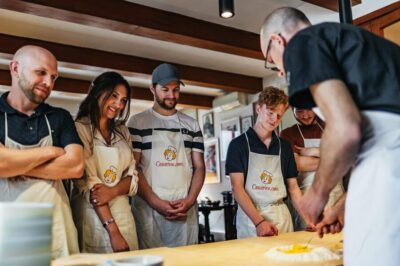
This class is built around the setting: a Tuscan home kitchen run by a professional chef. That matters because pasta making is physical. You need counter space, time to handle dough, and a place where mistakes turn into lessons, not stress.
What you’re really paying for is the combination of craft and comfort. You’re guided through the process, but you’re also part of the meal. It’s a nice break from Florence’s usual loop of churches and museums, because you get to produce something edible and take the method home.
The vibe is relaxed and social too. Even with wine in the mix, the focus stays on the food: how the dough should feel, what to watch while rolling, and what to look for as pasta cooks. Reviews also point to hosts who are fun and attentive, with encouragement at every step. In particular, Georgio gets called out as an excellent host, and one review mentions an instructor with blond hair who was charming and encouraging.
You can also read our reviews of more tours and experiences in Florence.
Meeting in Florence: Finding the Fountain in the Square
The meeting point is simple: meet your guide by the fountain in the middle of the square. If you like precision, the coordinates are 43.76685333251953, 11.247413635253906.
Arrive a little early, especially if rain shows up. You’ll want to be ready to move into the kitchen without scrambling. Comfortable shoes help here because you’ll likely be walking on uneven pavement.
Also, bring what you can actually carry. You’ll be in a hands-on food setting, so keep your setup practical. A reusable water bottle is on the recommended list, and that’s smart in a city where you may end up walking between stops.
What You Learn: Fettuccine and Ravioli You Can Recreate
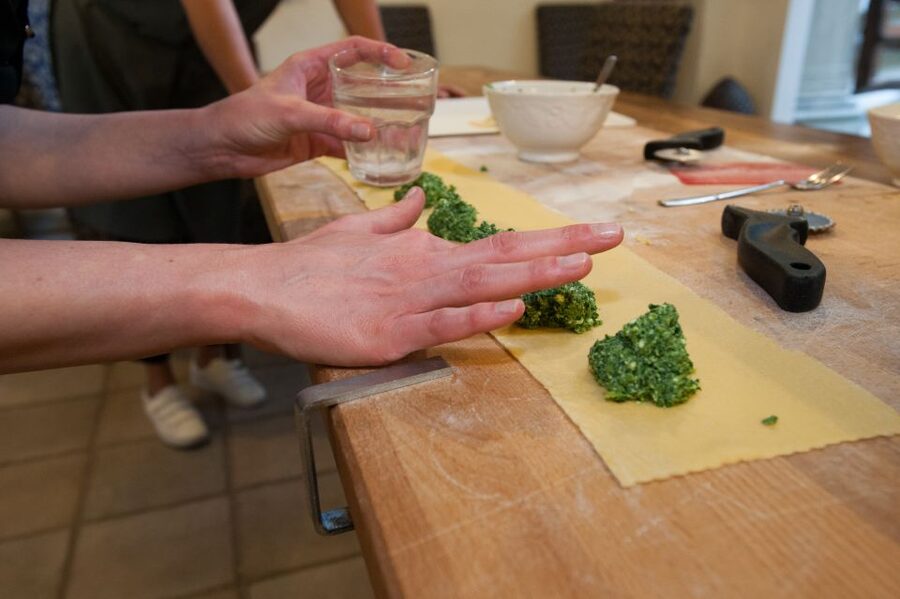
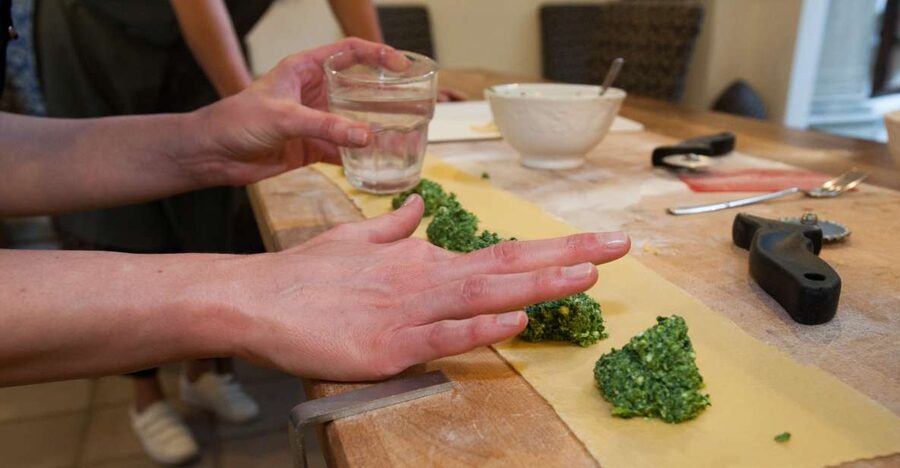
The core of the class is making two classic types of pasta: fettuccine and ravioli. That’s a great pairing because it teaches two different skills.
With fettuccine, the big win is learning how to create dough that rolls well and cooks without turning rubbery. You’ll learn how to work the dough, then how to shape it into fettuccine so it cooks evenly. This is exactly the kind of thing that impresses people back home because it looks like you know what you’re doing, even though you’re getting help step by step.
Ravioli is where you really feel the craft. Ravioli isn’t just about stuffing. It’s about sealing properly and shaping so they hold together in the pot. If you’ve ever had ravioli that burst or fell apart, this is your chance to learn the technique that prevents that.
A helpful detail is that the class is designed for repeat value. The goal isn’t only to produce dinner in Florence; it’s to teach Italian cooking skills you can use again and again at home.
The Step-by-Step Teaching Style That Keeps You From Getting Lost
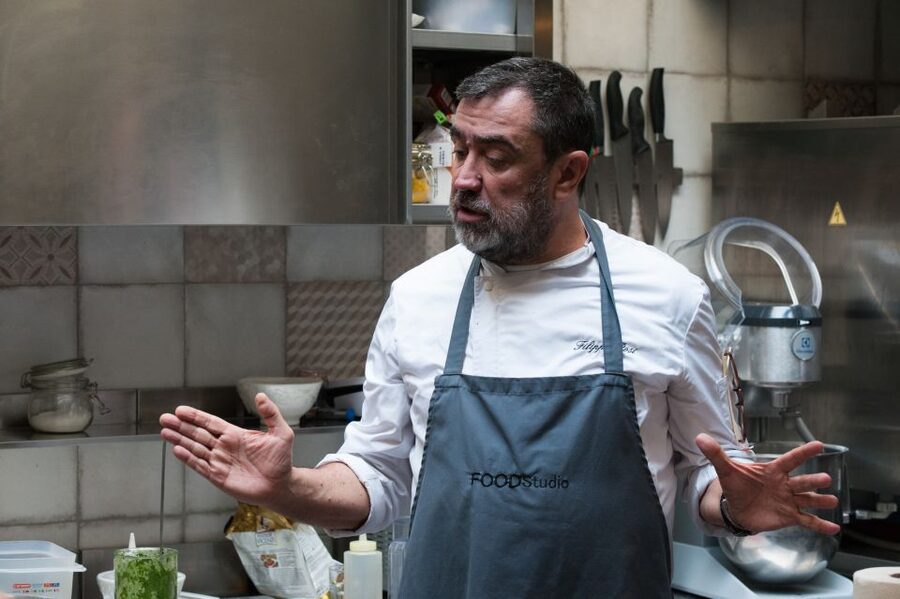
You might picture pasta class as a few quick instructions and then chaos. This one tends to avoid that. The class is paced so you’re not guessing. You get explanations and encouragement at each stage, and the smaller group size makes it easier to get corrections quickly.
That’s especially important for pasta dough. If the dough is too dry, too wet, or handled too roughly, everything gets harder. When an instructor takes the time to show you what the dough should feel like, you end up with a better result and a real understanding, not just a memorized recipe.
From the reviews, I’m looking at a pattern: fun hosts, attentive guidance, and a feeling that you’re supported. Georgio is repeatedly praised as an amazing host, and another guest described an instructor who was charming and encouraging at every step. That kind of teaching style matters because it makes pasta making feel doable, even if you’ve never done it before.
Wine, Breaks, and the Pace of a Real Meal
Yes, there’s wine, and yes, it’s unlimited. You’ll have local Tuscan wine available throughout the experience. Importantly, it’s not just handed to you and forgotten. The class includes an easy rhythm: you cook, you learn, then whenever you want to take a break and relax, there’s a glass waiting.
This matters for two reasons. First, pasta making takes focus. Short breaks help you reset your hands and your attention. Second, the day is long enough to be about more than cooking. The wine turns it into a proper Tuscan lunch experience, where talking and eating are part of the schedule.
One practical note: unlimited wine is great if you enjoy it, but if you don’t drink alcohol, you may still want to pace yourself or plan for a non-alcoholic alternative outside the class. The activity is built around the pairing of cooking and local wine, so your comfort level with that will affect how much you enjoy the experience.

The Giant Family-Style Lunch: Where Everything Clicks
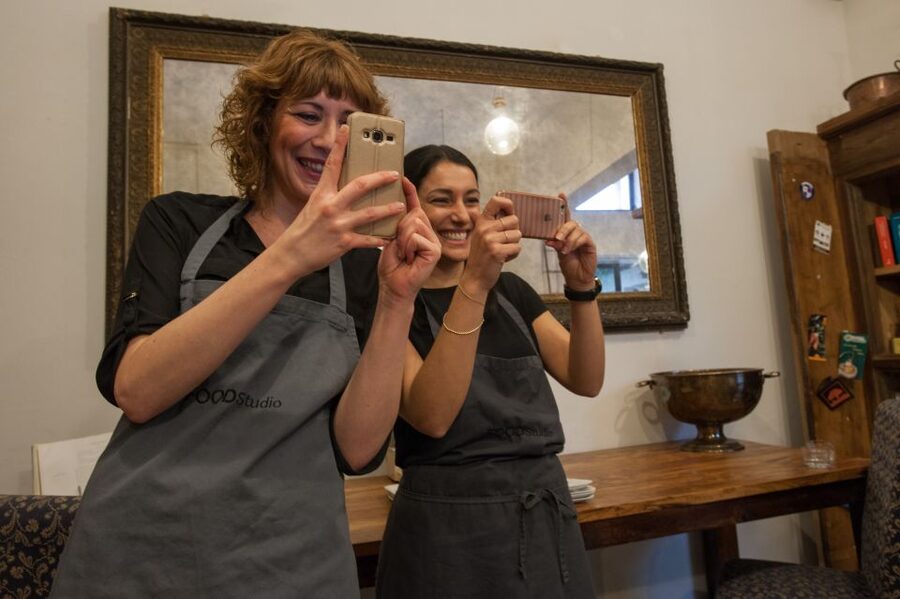
After the cooking comes the best payoff: a giant family-style lunch. This is the moment when you get to eat what you made, in a setting that feels communal and generous.
Family-style meals are a big part of how Italian food traditions actually work at the table. Instead of each person getting a tiny plate, food shows up to be shared. That suits a pasta class perfectly because you can compare results—yours and everyone else’s—without turning it into a competition.
You’re also likely to notice how cooking timing changes based on dough thickness and shape. The lunch helps connect the technique to the outcome. If your fettuccine comes out tender and your ravioli holds together, that’s your reward. If something isn’t perfect, it’s still part of the learning, and you’ll usually be able to spot what went right or what you’d adjust next time.
Tiramisù (Or Another Local Dessert) to End on a Sweet Note
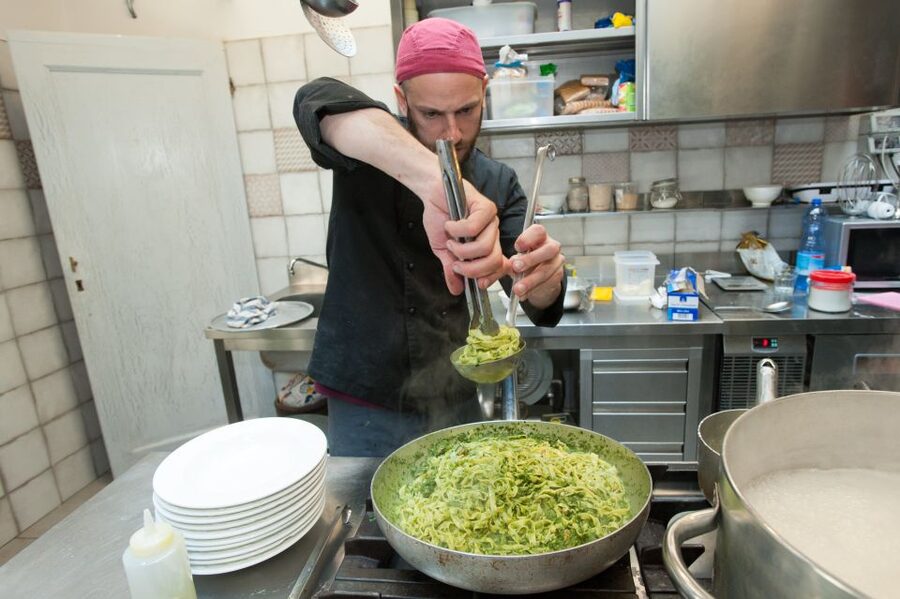
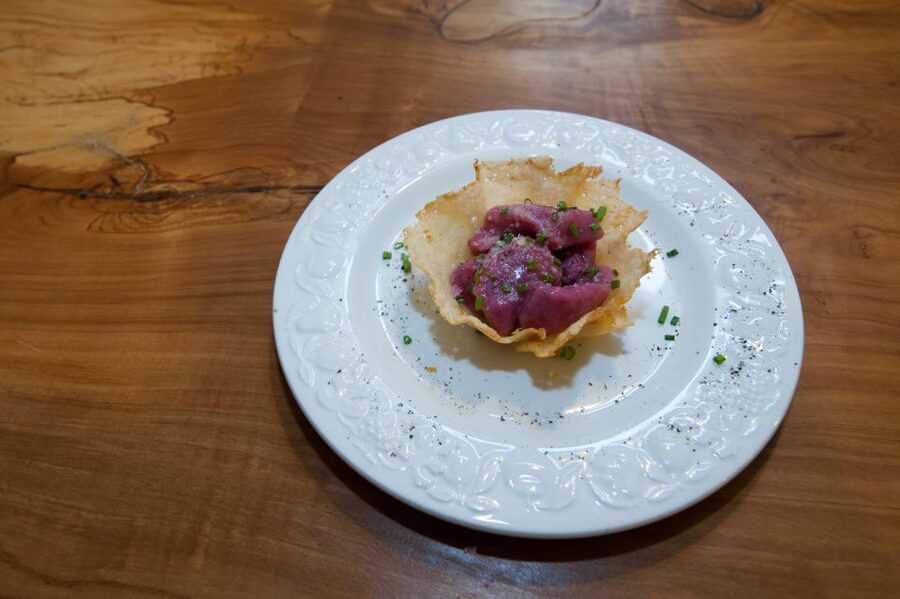
The class finishes with dessert. You’ll learn how to make tiramisu or another typical local dessert, then you eat it too.
This ending is smart. Pasta can be filling and intense work. A dessert lesson gives you closure and adds variety, so the day doesn’t feel like you only made dough all afternoon. Tiramisù is also a great skill because it’s structured and repeatable at home. Once you understand the assembly and timing, it becomes a party dish you can pull out without stress.
If tiramisù isn’t served that day, you’ll still learn a typical local dessert. Either way, you’re leaving with a finish that feels distinctly Tuscan rather than generic.
Ingredients, Artisans, and What You’ll Actually Remember
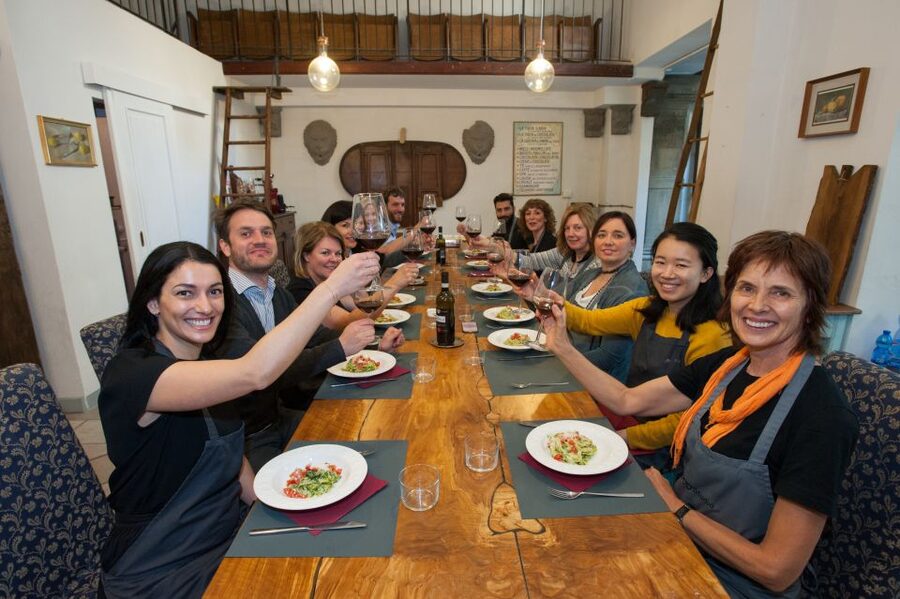
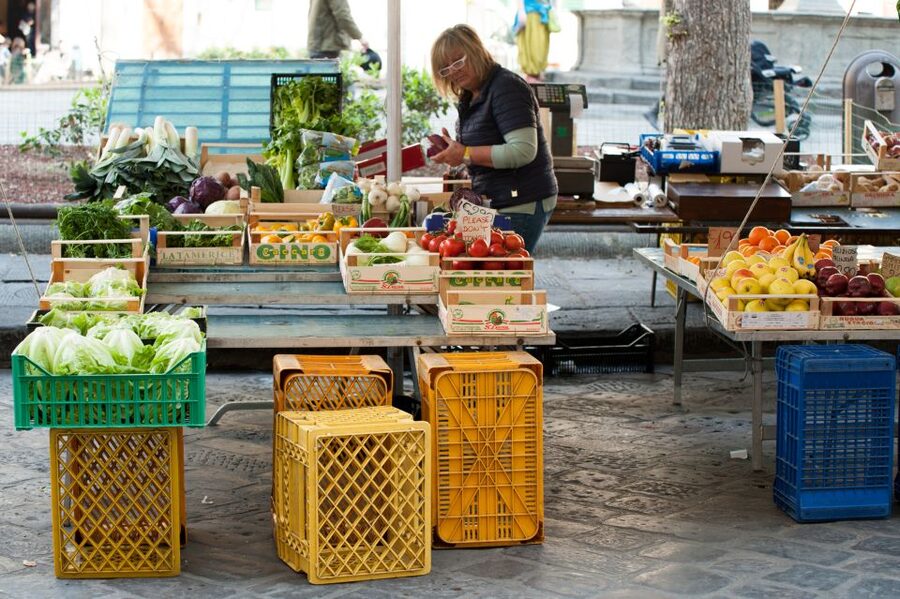
One of the highlights is the chance to meet the artisans behind the ingredients you’ll cook with. Even if you don’t get a full lecture on every product, it adds context. You start to connect what you taste with where it comes from.
That’s one reason the class feels more authentic than a standard cooking session. Food in Tuscany isn’t just about recipes; it’s about ingredients and traditions. When you see or hear the story behind what goes into your pasta, you’ll remember more than just the steps.
Also, paying attention to the ingredients helps when you cook later. You’ll know to look for the right flour behavior, the right texture for dough, and the importance of fresh additions that make pasta taste like pasta, not like plain noodles.
Practical Details: Timing, Group Size, and What to Wear
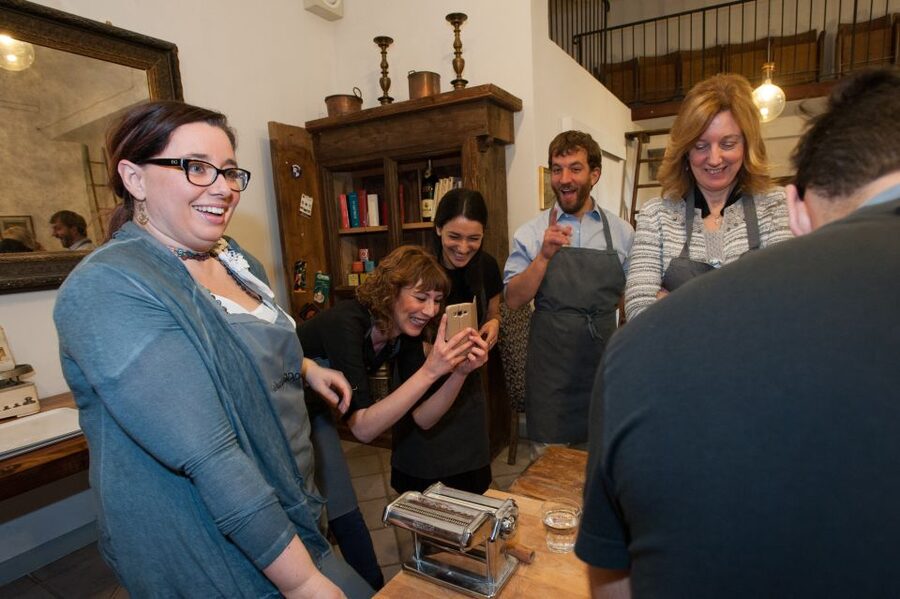
This is a 4-hour experience. That time is long enough for real hands-on work, not just a quick explanation. It also lines up with a full meal structure: pasta prep, cooking, lunch, and dessert.
Group size is capped at 12 people, which is a sweet spot. Big classes can feel like you’re waiting. Here, you’re close enough to the action that you can ask questions and get corrections.
You should wear comfortable shoes. This is a kitchen environment and you may stand and move around more than you expect. Also bring an umbrella because it operates rain or shine. Florence can change moods quickly, so being prepared keeps the day smooth.
One more thoughtful item: bring a reusable water bottle. It’s not a luxury; it’s a comfort tool when you’re working and staying warm or dry depending on the weather.
Who This Class Is Best For
I’d book this if you want something hands-on and genuinely useful. You’ll learn fettuccine, ravioli, and a dessert like tiramisù, and you’ll do it with an English-speaking instructor in a real Tuscan home kitchen.
It also makes sense if you want a break from sightseeing. If churches and galleries have you feeling like you need a reset, pasta making gives you a full sensory day: smell, touch, timing, and then food at the table.
You might want to think twice if you need strict allergy accommodation. The activity notes that guests with severe or life-threatening allergies can’t participate for safety. If your dietary needs are moderate, you can usually participate, but you should notify the operator ahead of time.
Should You Book This Florence Pasta-Making Class?
Book it if you want a lesson you can repeat and a meal you’ll actually remember. Unlimited local wine, a giant family-style lunch, and a dessert you make and eat add up to real value in time and experience, especially when the teaching is step-by-step and the group stays small.
Don’t book it if rain-day logistics stress you out or if your health needs fall under severe allergy limits. Otherwise, this is a smart, crowd-pleasing way to experience Florence beyond the usual sights, with skills that go straight into your next dinner back home.
FAQ
Where is the meeting point for the Florence pasta-making class?
You meet your guide by the fountain in the middle of the square. The coordinates are 43.76685333251953, 11.247413635253906.
How long does the experience last?
The pasta-making class lasts 4 hours.
Is the instructor the class taught in English?
Yes. The instructor teaches in English.
What pasta and dessert will I make during the class?
You’ll make fettuccine and ravioli, and you’ll also learn how to make tiramisù or another typical local dessert, then eat it.
Is wine included?
Yes. You’ll have unlimited local wine during the experience.
Does the class run rain or shine?
Yes. It operates rain or shine.
How large are the groups?
The group size is limited to a maximum of 12 people.
Are dietary restrictions accommodated?
You should notify the tour operator of any dietary restrictions. Guests with severe or life-threatening allergies can’t participate for safety reasons.
Is the experience wheelchair accessible?
Yes, it is listed as wheelchair accessible.
What should I bring with me?
Wear comfortable shoes and bring an umbrella and a reusable water bottle.