REVIEW · ROME
Hands – on Pasta Making and Gelato Class
Book on Viator →Operated by Inrome Cooking Srl · Bookable on Viator
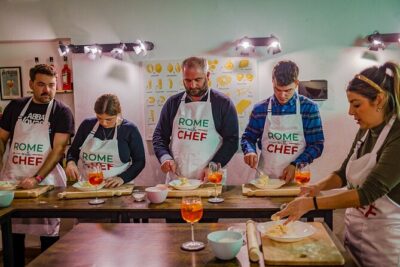
Rome tastes better with flour on your hands. This hands-on class turns two Italian favorites into something you actually make: fresh pasta dough from scratch plus homemade gelato. I really like the small-group feel and the step-by-step attention from the chef, and I also like that you finish by sitting down to eat what you made with a glass of wine. One thing to consider: the experience is a focused 2 hours 30 minutes block, and it wraps back at the same meeting point rather than continuing on as a longer sightseeing circuit.
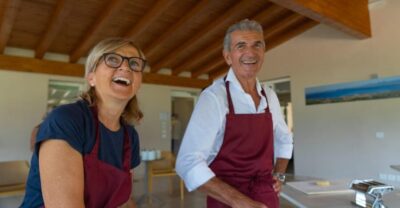
You’ll start with a welcome of Prosecco and Roman antipasti, then get to work under friendly guidance. Depending on the day and the instructor, you may get a fun, fast-moving teacher like Max, Daniele, Davide, or Francesco, but the vibe stays the same: practical cooking, plenty of tasting, and time to share the meal with your group. If you’re tight on time, plan the afternoon carefully around the 1:00 pm start and the fact that you’ll be cooking most of that window.
In This Review
- Key Things You’ll Notice
- Meeting Point on Corso del Rinascimento: Timing and What to Expect
- Quick Rome Stops: Pantheon and Piazza Navona Photo-and-Breath Breaks
- Prosecco Welcome and Roman Antipasti: How the Class Sets the Mood
- Fresh Pasta Dough From Scratch: The Skill You’ll Remember
- Carbonara, Cacio e Pepe, or Amatriciana: Choosing Your Sauce and Learning the Logic
- Gelato Class: Turning Cream, Air, and Flavor Into Something Real
- The Sit-Down Meal with Wine: Why the Eating Is Part of the Education
- What You Get for $117.95: Value in Real Terms
- Who This Class Suits Best (And Who Should Skip It)
- Should You Book This Hands-On Pasta and Gelato Class?
- FAQ
- FAQ
- What is the duration of the Hands-On Pasta Making and Gelato Class?
- Where does the class start in Rome?
- What time does the class begin?
- How big are the groups?
- What will I make during the class?
- What’s included with the class besides the food?
- Do I get anything to take home?
- How do I get my ticket?
- What is the cancellation policy?
Key Things You’ll Notice
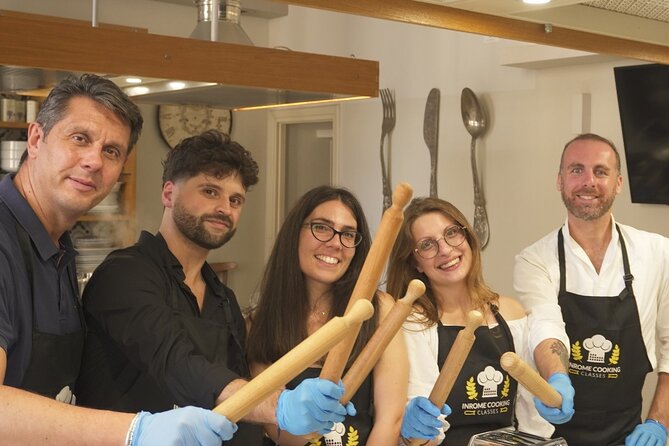
- Hands-on from scratch: You’ll make fresh pasta dough, not just assemble it.
- Classic sauce training: Options include Carbonara, Cacio e Pepe, or Amatriciana.
- Gelato you churn with your own hands: Artisanal gelato in classic Italian flavors.
- Welcome drinks and antipasti: Prosecco and snacks set a relaxed tone.
- Eat what you make, with wine: Your meal is part of the experience, not an afterthought.
- Recipes after class: You’ll get recipes to recreate at home.
Meeting Point on Corso del Rinascimento: Timing and What to Expect
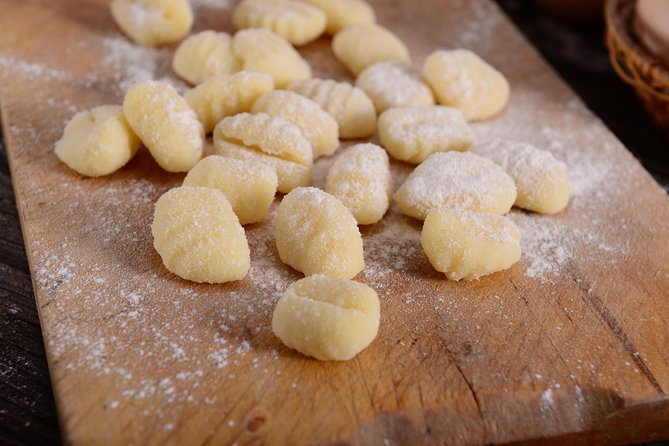
This is a straightforward “start here, end here” afternoon in central Rome. You meet at Corso del Rinascimento, 65 (near the Pantheon side of town) at 1:00 pm, and the activity finishes back at the same meeting point. It’s a good setup if you don’t want to worry about getting across the city at the end while your stomach is full.
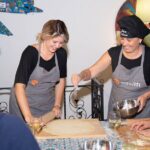
You’re not dealing with a massive crowd. The group size tops out at 15 travelers, and the cooking style is built around getting personal attention while still keeping the class lively. The tour uses a mobile ticket, so you can keep things simple: have your ticket ready on your phone and you’re good.
The practical advantage of this timing is that it works well after a slow late morning. You can do a morning of casual Roman wandering, then pivot into something hands-on for the afternoon. The downside is obvious: it’s not a quick tasting stop. You’re in cooking mode for most of the 2.5 hours.
You can also read our reviews of more tours and experiences in Rome.
Quick Rome Stops: Pantheon and Piazza Navona Photo-and-Breath Breaks
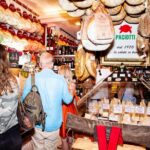
Your route includes two major Rome landmarks as quick touchpoints: the area around the Pantheon and Piazza Navona. Think of these as rhythm-setters. You’re not trying to “power tour” them with a packed checklist. Instead, they give you a sense of where you are and why this neighborhood matters before you head into the kitchen.
Why this works: both areas are famously easy to orient to even if it’s your first day in Rome. You get landmark context without feeling like you spent the afternoon standing in line.
Possible drawback: if you’re expecting long time inside monuments or museum-style stops, this isn’t that type of route. The experience is built around food, and the landmarks are there to frame the day rather than replace them.
Prosecco Welcome and Roman Antipasti: How the Class Sets the Mood
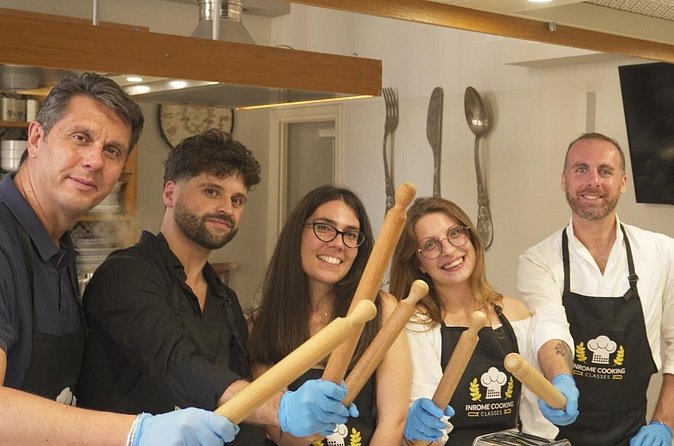
Before anyone starts rolling dough, you’re welcomed with a glass of Prosecco and Roman antipasti. That matters more than it sounds. In a cooking class, the first 10–15 minutes can decide whether you feel rushed or relaxed. Here, the drink-and-snack start gives you time to get comfortable, meet your group, and settle in before the work begins.
I like that the class doesn’t treat the meal like a separate event. The antipasti help you shift from sightseeing-brain to cooking-brain. And because you’ll be sitting down later with wine too, the pacing feels like a proper Roman lunch setup rather than a “cook, rush, go” scenario.
Also, since the experience is designed for small groups, you’re more likely to get questions answered early—how to handle dough, when to move on to sauce, what the chef expects from you at each step.
Fresh Pasta Dough From Scratch: The Skill You’ll Remember
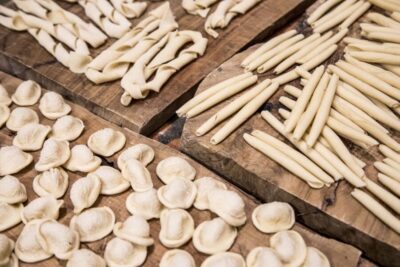
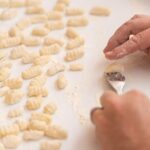
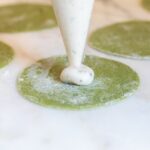
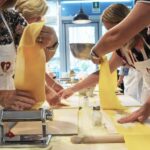
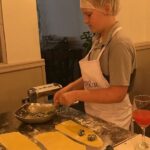
The main event is fresh pasta dough made completely from scratch. This is the kind of thing you can’t really fake with shortcuts, and that’s why it’s such a satisfying experience. You’ll work with the basics: mixing, kneading, shaping, and then getting ready to turn dough into something you’ll pair with the sauce you make.
What I think you’ll appreciate is the practical teaching style. With a small class size, the chef can watch your dough and correct common problems fast. If you’ve ever tried pasta at home and ended up with dough that feels too sticky or too tough, this kind of guided practice is exactly how you learn what to look for.
A useful mindset for you: treat this as technique practice. Don’t just aim for edible—aim for repeatable. When the chef corrects your dough consistency or handling, you’ll be picking up the “why,” not only the “what.”
Carbonara, Cacio e Pepe, or Amatriciana: Choosing Your Sauce and Learning the Logic
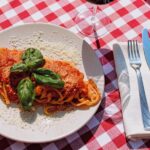
After pasta dough, you’ll prepare traditional sauces. The class includes choices like Carbonara, Cacio e Pepe, or Amatriciana, and that variety is a big part of the value. Different sauces teach different cooking logic:
- Carbonara: You learn how to build a creamy coating without turning it into a scrambled mess. Timing matters.
- Cacio e Pepe: This is about creating a smooth cheese-and-pepper sauce, which teaches you how to control texture.
- Amatriciana: Tomato-based and usually more forgiving, this one helps you understand how flavor builds and thickens.
You don’t just watch and hope. You’re making the sauce yourself, and you’ll likely do it in a stepwise rhythm with the chef guiding the critical moments. That’s the kind of instruction that sticks when you’re back home.
If you’re a foodie, this is also where you’ll understand why Italians argue about the details. Small differences—heat level, mixing method, and timing—change the final sauce texture.


Gelato Class: Turning Cream, Air, and Flavor Into Something Real
Then you hit the sweet side: you’ll whip up artisanal gelato in classic Italian flavors. Gelato classes are popular for a reason. You see immediately that it’s not just dessert—it’s controlled texture.
In a good gelato setup, you work with the ingredients and technique that affect creaminess and mouthfeel. You’ll come away with a better sense of how Italian-style gelato achieves that smooth, dense feel (instead of a frozen ice-cream block).
I like that this class ends with gelato instead of dragging dessert on as a last-minute add-on. It keeps your attention where it should be: one hands-on finish, not multiple random tasks.
Also, since you’re eating what you make afterward, gelato isn’t just a side project. It becomes part of your meal story.
The Sit-Down Meal with Wine: Why the Eating Is Part of the Education
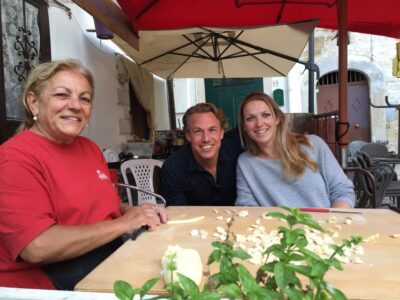
After cooking, you sit down and enjoy the results of your labor. You’ll have a choice of fine red or white wine with the meal, plus the class is designed as a relaxed share with fellow food lovers.
This is a key difference from some “watch and sample” experiences. Eating your own pasta (and gelato) is where the lessons land. You’ll notice texture, salt balance, and sauce thickness in a way that’s hard to learn from tasting alone.
Practical tip for you: slow down during the meal. The chef’s guidance has taught you technique; tasting with attention helps you remember which steps produced the best results. If you’re going with a partner or friend, make it a mini tasting challenge—one person watches sauce consistency, the other focuses on aroma and finish.
What You Get for $117.95: Value in Real Terms
At $117.95 per person, this isn’t an ultra-budget activity. But it’s also not overpriced for what you actually do.
Here’s what you’re paying for, in plain value terms:
- A 2 hours 30 minutes structured cooking experience
- Expert chef guidance in a small group (max 15 travelers)
- Multiple hands-on components: fresh pasta dough from scratch, traditional sauces, and gelato
- Welcome Prosecco and Roman antipasti
- A sit-down meal plus fine red or white wine
- Recipes sent after class, so you can recreate at home
If you compare this to Rome’s typical paid food stops (just eating), you’re getting a full learning-and-meal package. You also get something intangible: confidence. Even if your first home attempt isn’t perfect, you’ll have the technique memory from making dough and sauces yourself.
Who This Class Suits Best (And Who Should Skip It)
This works especially well for:
- Couples who want an experience that’s more than a dinner reservation
- Friends who like interactive activities and want shared stories
- Families where everyone can participate in the cooking and then relax together afterward
You’ll also enjoy it if you care about eating well but prefer learning over simply ordering.
You might skip it if:
- You only have time for quick tastings and no interest in hands-on cooking
- You want a long, continuous sightseeing day with lots of timed monument time
- You’re looking for a flexible schedule that you can stretch into more stops afterward (since it returns to the meeting point)
Should You Book This Hands-On Pasta and Gelato Class?
If you want a classic Roman experience with real participation—rolling dough, making sauce, then eating it with wine—this is a strong choice. The small group size, chef guidance, welcome Prosecco, and the sit-down meal create a full afternoon that feels like more than a one-off food activity.
Book it if you’re a food lover who likes structure and wants a skill you can repeat later. Skip it if your main goal is just to check off Rome’s sights, because the landmark stops are brief and the cooking takes center stage.
If you do book, do it with your schedule in mind. It’s a 1:00 pm start and a 2.5-hour commitment, and the experience ends back where it starts. One more thing: you get free cancellation up to 24 hours in advance for a full refund, so you can keep some flexibility if Rome weather or plans change.
FAQ
FAQ
What is the duration of the Hands-On Pasta Making and Gelato Class?
It runs for about 2 hours 30 minutes.
Where does the class start in Rome?
The meeting point is Corso del Rinascimento, 65, 00186 Roma RM, Italy.
What time does the class begin?
The start time listed is 1:00 pm.
How big are the groups?
There is a maximum of 15 travelers.
What will I make during the class?
You’ll make fresh pasta dough from scratch, prepare traditional sauces such as Carbonara, Cacio e Pepe, or Amatriciana, and make artisanal gelato in classic Italian flavors.
What’s included with the class besides the food?
You’ll have a welcome with Prosecco and Roman antipasti, and you’ll enjoy your meal with fine red or white wine.
Do I get anything to take home?
Yes. Recipes are sent after class so you can try recreating what you made at home.
How do I get my ticket?
You’ll receive a mobile ticket.
What is the cancellation policy?
Free cancellation is available up to 24 hours in advance for a full refund. If you cancel less than 24 hours before the experience starts, the amount paid is not refunded.