REVIEW · ROME
Enjoy Spritz and Pasta Making in Piazza Navona
Book on Viator →Operated by Eat and Walk Italy · Bookable on Viator
Your Rome evening starts with Spritz and dough.
This hands-on class near Piazza Navona mixes a quick spritz tutorial with step-by-step fresh pasta making, then settles you into a sit-down meal with wine, tiramisu, and a final limoncello or coffee.
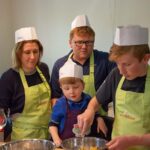
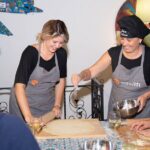
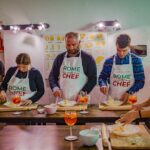
I love how you actually work the dough yourself, not just watch. I also love the small-group feel, with instructors like Chef Maria and Chef Leo often praised for guiding each person along the way.
One consideration: you will not be making the sauces from scratch. You’ll shape and cut pasta, but sauce prep is limited to what’s served and explained, so come with that expectation (and remember alcohol quality is subjective).
In This Review
- Key highlights you will feel right away
- Why This Piazza Navona Class Feels Like a Roman Evening
- From Via Giuseppe Zanardelli to Your First Pour
- Spritz Tutorial: The Details That Make It Taste Right
- Handmade Pasta by Hand: Fettuccine and Maltagliati From Scratch
- Eating What You Cook: Bruschetta, Wine, and the Shared Table
- Tiramisu and Limoncello or Coffee: The Sweet, Spirited Finale
- Value, Group Size, and What You’ll Recreate at Home
- Should You Book It for Your Rome Trip?
- FAQ
- How long is the Spritz and pasta making experience?
- Is the class taught in English?
- What will I make during the class?
- What food and drinks are included?
- Is there a vegetarian option?
- How large is the group?
- Where does it meet and can I cancel?
Key highlights you will feel right away
- Spritz first, pasta second: you start with a welcome drink you make yourself
- Real handwork: dough to cut pasta shapes, including fettuccine and maltagliati
- Eat what you make: bruschetta, pasta dishes, wine, and dessert are part of the class meal
- Small max group size: up to 12 people, and some sessions run even smaller for more attention
- Instructors with big energy: names like Maria, Carlotta, Furio, and Tommy show up in standout reviews
Why This Piazza Navona Class Feels Like a Roman Evening
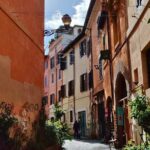
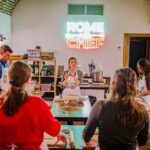
If you want Rome that goes past photos, this is a good match. You’re in central Rome, near Piazza Navona, but the focus is on doing. You’ll learn by making—then you’ll eat your own results right afterward.
I especially like the rhythm. A quick spritz start loosens everyone up, then you switch gears to dough and flour. By the time the meal hits the table, you’re not tired-you’re hungry, and you understand what you just made.
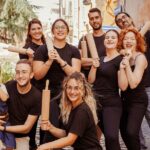
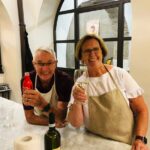
Another plus is the social side without forced tourism chatter. With a maximum of 12 people, the group stays manageable. Several people note it’s a great way to meet others, including solo travelers, because the class naturally turns into shared work and shared dinner.
The overall vibe lands somewhere between cooking class and dinner party. You’ll be supported through the steps, and you’ll get enough guidance to feel proud when you plate your pasta. It’s also a nice break from Rome’s walking days—2 hours 30 minutes of hands-on calm beats one more museum queue.
You can also read our reviews of more tours and experiences in Rome.
From Via Giuseppe Zanardelli to Your First Pour
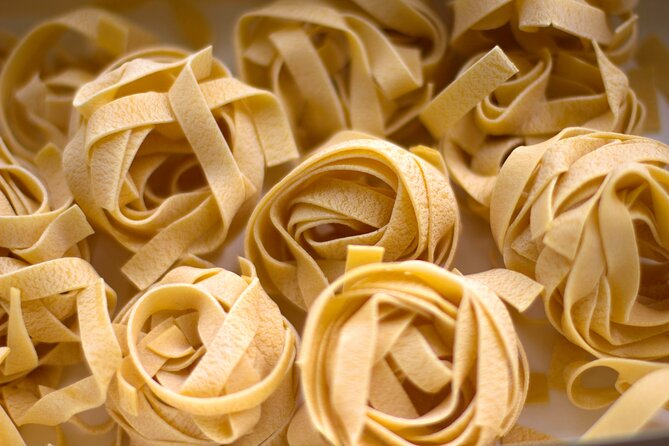
The class meets at Via Giuseppe Zanardelli, 14, 00186 Roma. It ends back at the same meeting point, so you’re not scrambling to figure out transportation after your meal.
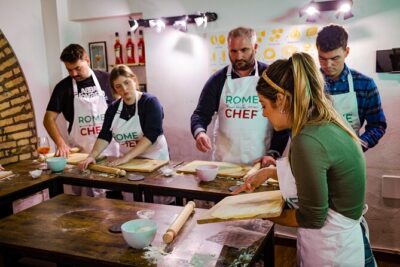
Expect a straightforward setup. You get a mobile ticket, the tour runs in English, and the experience is capped at 12 travelers. That matters because pasta-making can get chaotic fast if the room is too large. Here, you’re more likely to get personal help when you need it.
Timing is flexible in the sense that you can pick late lunch or early dinner options. That’s practical if you’re juggling museum hours, Vatican timing, or just trying to avoid the midday heat.
Also, you’ll be working in a teaching format. One review note explains that guests cannot enter the professional kitchen area for hygiene reasons, so you won’t be wandering behind-the-scenes. Still, the chefs walk you through what’s happening, and you should leave with a clear mental model for how the process comes together.
If you’re the type who likes a plan, this is your plan. If you’re the type who wants spontaneity, the class still gives you room to ask questions while you work.
Spritz Tutorial: The Details That Make It Taste Right
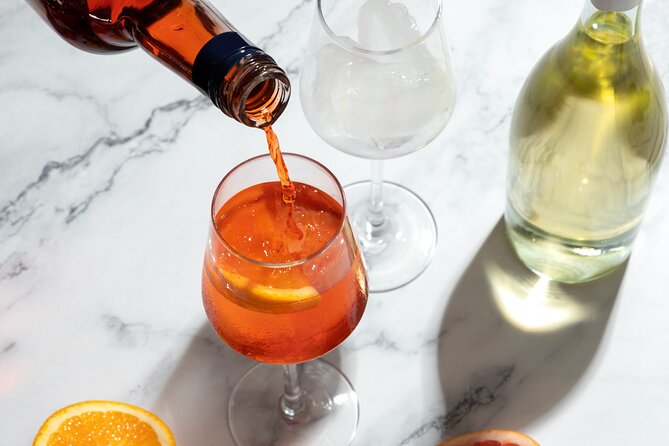
You start with a welcome drink: you make your own spritz. This is more than a sip to get started. The idea is to teach you how the drink should taste and balance, not just how it looks in a glass.
In reviews, spritz instruction is one of the most praised parts. People mention instructors keeping the mood light with jokes and laughter, while still making the steps easy to follow. Chef Maria is repeatedly described as fun and clear, and Chef Leo and others get credit for a smooth start.
What you learn here transfers well to home. Spritz is all about balance: sweetness, bitterness, and the cooling effect of bubbles. If you nail that balance in your first attempt, everything feels easier when you move to pasta dough.
One more small reason this appetizer-first approach works: it helps you settle in. You’re not standing around waiting for the cooking to begin. You’re doing something right away, and you’ll keep doing it until it’s time to sit down and eat.
Handmade Pasta by Hand: Fettuccine and Maltagliati From Scratch

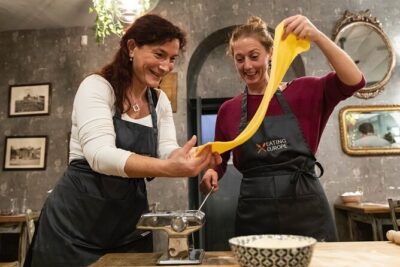
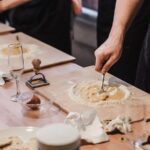
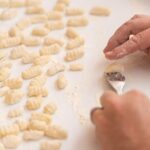
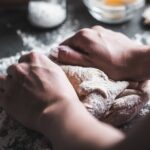
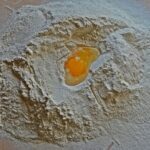
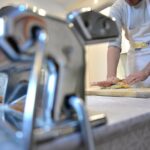
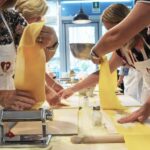
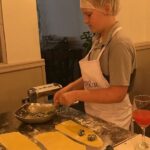
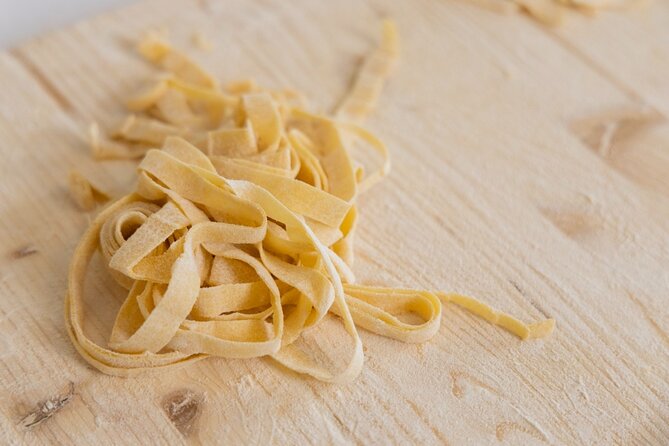
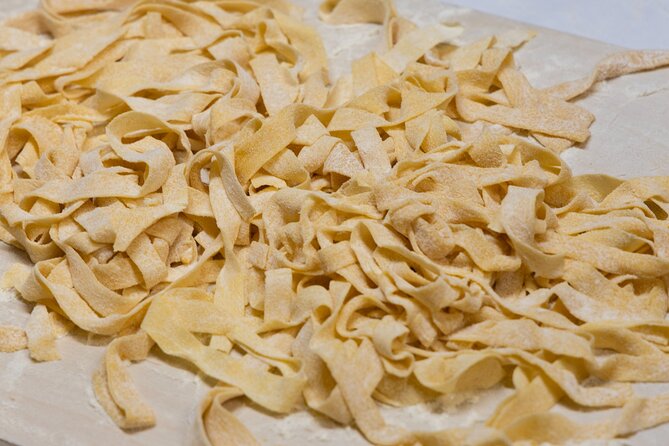
This is the core of the experience. You’ll learn to make proper Italian pasta dough by hand, then shape it and cut it into fettuccine and maltagliati.
The best part is that you do the work. You’re not handed pre-made pasta and told to plate it. You’ll go through the process step-by-step, which is exactly what makes fresh pasta different from store-bought. Flour dust, kneading feel, dough texture—those are the lessons you carry home.
Instructors get a lot of credit for keeping the pace realistic. Reviews call out teachers like Carlotta, Furio, and Lori for checking in and helping anyone who fell behind. With a small max group, you’re less likely to be stuck watching someone else work.
What’s also smart: the class sets you up for a win. Even if you’re not a confident cook, the steps are taught in a way that lets you finish with something you can recognize and eat. One review even describes the lesson as quick to learn, then fun to repeat once you’re home.
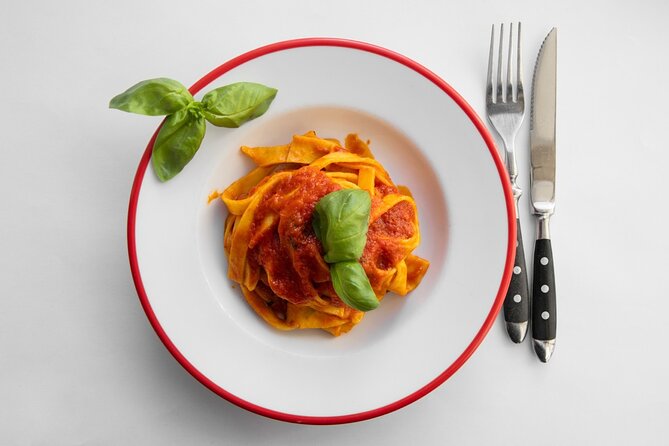
About sauces: you will not be making the sauce as part of the lesson. You’ll be serving and eating pasta with sauce (like sugo al Pomodoro for fettuccine and basil pesto with maltagliati), and chefs should explain the basics. But if your dream is to learn the full sauce-making workflow too, you’ll want to know what you are signing up for.
Expect to finish with pasta you helped create, then sit down and eat it while it’s still at its best.
Eating What You Cook: Bruschetta, Wine, and the Shared Table
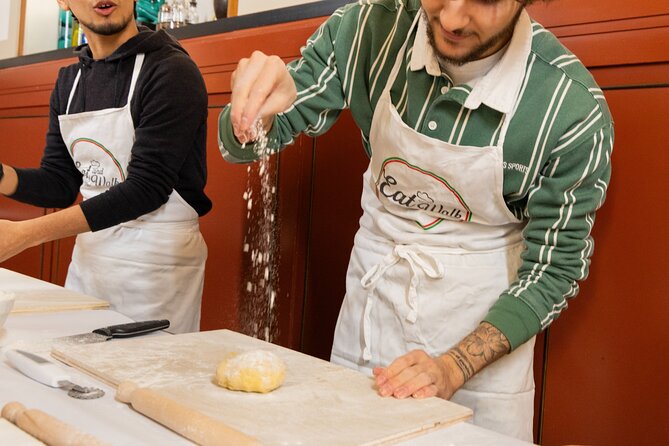
After you finish your pasta, you eat. Included in the meal are bruschetta and the dishes you made, plus beverages.
Here’s what your table typically includes:
- Bruschetta: toasted bread with tomatoes, basil, and oregano
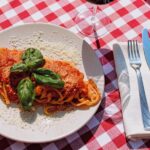
- Pasta you made: fettuccine with tomatoes and basil (served with sugo al Pomodoro)
- Pasta you made: maltagliati with basil pesto
- A glass of wine (red or white) or a soft drink
- Water
The wine part is worth a practical note. Some reviews praise the experience and the pairing, while one mentions the wine being off. That doesn’t mean the class fails at wine, but it does mean alcohol quality is personal. If you’re picky, treat wine as part of the experience, not the star.
The biggest value in the meal portion is confidence. You’ll taste your own pasta and realize what fresh dough changes. That’s when the whole class stops feeling like a demo and starts feeling like a skill.
You’re also eating in an authentic restaurant setting (not a generic tourist hall). Several reviews mention the restaurant atmosphere as a plus, and people like that they can chat with others while eating their meal.
Tiramisu and Limoncello or Coffee: The Sweet, Spirited Finale
No Roman dinner class is complete without dessert, and this one holds up its end.
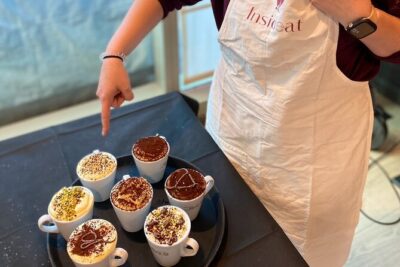
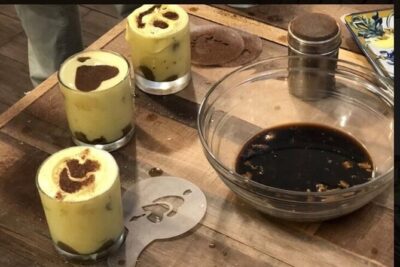
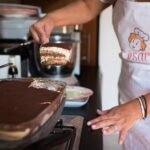
You’ll get freshly made tiramisu at the end. It’s included, and it’s a classic choice for a reason: everyone understands what it should taste like, so you can judge results.
Then you have a final shot choice: limoncello or hot coffee, plus water availability. That gives you a nice split depending on your night. If you want something bright and punchy, go limoncello. If you want something comforting to close the loop, coffee fits better.
This ending matters more than it seems. After working dough and cutting pasta, your brain is already tired. Dessert and that final drink choice make the experience feel complete, and it helps you leave without hunting for a late snack nearby.
Value, Group Size, and What You’ll Recreate at Home
At $90.70 per person for about 2 hours 30 minutes, you’re paying for three things: instruction, ingredients used during the class, and the full sit-down meal. That’s why this often feels like good value compared with booking only a cooking demo and then paying extra for food and drinks.
Group size helps your value. Maximum 12 travelers means the class stays interactive. Many reviews praise instructors for keeping the lesson moving while still checking on individuals. Some classes even felt small enough (around 8 people) to be more personal.
The other value: you learn something repeatable. Fresh pasta isn’t hard forever, but it does take a few tries to get the feel. When the steps are explained clearly, you can reproduce the pasta shapes later.
One review response also mentions a digital recipe book, and that can be a big deal for home success. Also remember the hygiene setup: you may not enter a professional kitchen, but chefs should explain processes and steps clearly enough that you can still cook with confidence later.
If you’re traveling with family, this can work well too. A review mentioned kids as young as 6 having a good time, with the instructor being great with children. The practical takeaway: if your kids can handle hands-on tasks and follow directions, they’ll likely enjoy it.
English is included, and dietary needs can be discussed in advance, which helps reduce stress when you’re coordinating meals in Rome.
Should You Book It for Your Rome Trip?
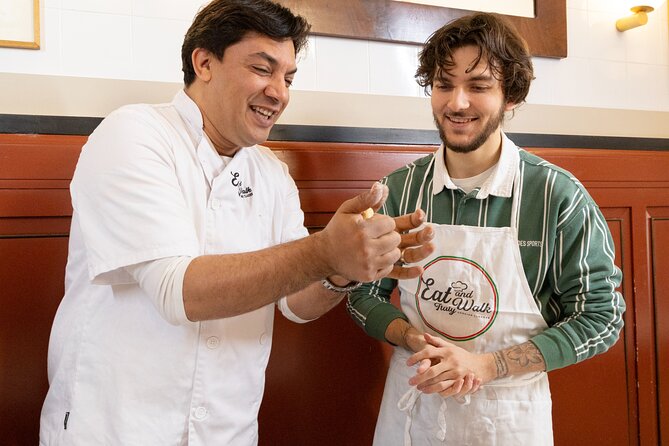
Book it if you want a Rome experience that’s active and specific. You’ll learn hands-on fresh pasta skills, you’ll make your own spritz, and you’ll finish with a full included meal in a central location near Piazza Navona. It’s a great plan for couples, small groups, and solo travelers who like meeting people over dinner work.
Skip it (or adjust expectations) if your priority is sauce-making technique from scratch or you want a longer deep culinary lab. This class focuses on dough and cutting shapes, and sauce prep is not part of the hands-on portion.
One final check before you commit: the experience depends on good weather. If your trip overlaps with rough forecasts, keep flexibility in your schedule.
If you want your Rome day to end with something you made yourself, this is a strong yes.
FAQ
How long is the Spritz and pasta making experience?
It runs about 2 hours 30 minutes.
Is the class taught in English?
Yes, it is offered in English.
What will I make during the class?
You will make fresh pasta dough and shape and cut it into fettuccine and maltagliati. You’ll also enjoy a welcome spritz you make.
What food and drinks are included?
Included items include welcome spritz, bruschetta, fettuccine with sugo al Pomodoro, maltagliati with basil pesto, a glass of wine or soft drink (plus water), tiramisu, and a choice of limoncello or hot coffee. Extra food and drinks are not included.
Is there a vegetarian option?
Yes. Vegetarian options are available if you request them at booking.
How large is the group?
The experience has a maximum of 12 travelers.
Where does it meet and can I cancel?
It meets at Via Giuseppe Zanardelli, 14, 00186 Roma, Italy and ends back at the meeting point. You can cancel for a full refund up to 24 hours in advance, and poor weather can trigger a change of date or a full refund.