REVIEW · BOLOGNA
Bologna: Pasta-Making Class at a Local’s Home
Book on GetYourGuide →Operated by Cesarine · Bookable on GetYourGuide
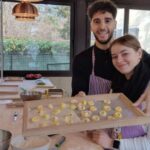
Pasta lessons at a real kitchen table. This private class with a certified Cesarina happens in a local home in Bologna, so you learn how Italian families actually cook and eat.
I love the hands-on setup: you get your own workstation, utensils, and all the ingredients to shape and finish the pastas yourself. I also love that the lesson ends around the table with your food plus local wine, water, and coffee.
One thing to think about: for privacy, the full home address is shared only after booking, and the class usually runs at 10:00 AM or 5:00 PM (with some flexibility if you coordinate).
In This Review
- Key things that make this Bologna pasta class worth it
- A Cesarina home in Bologna beats a studio every time
- What you’ll do in the 3-hour session: pasta technique, not just pasta shapes
- The three pasta recipes: you learn the method behind the dish
- The meal part: taste everything, with real local wine
- Dietary needs and language: you can show up with real restrictions
- Price and value: what $112.15 covers (and what you should expect in return)
- Timing and meeting point: how not to lose time in Bologna
- Who this pasta-making class suits best
- Should you book this Bologna Cesarina pasta class?
- FAQ
- How long is the Bologna pasta-making class?
- What does the class include?
- Where does the class take place?
- What time does the class start?
- How much does it cost?
- Can the class accommodate dietary restrictions?
- Are languages available during the class?
Key things that make this Bologna pasta class worth it
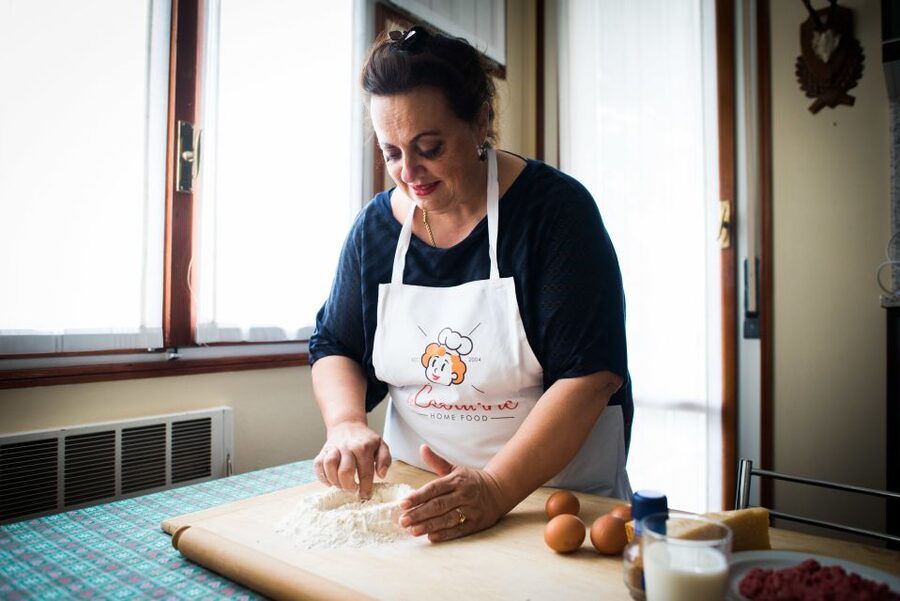
- Private, local-home experience: You learn in a Cesarina home, not a classroom.
- Certified home cook + English/Italian support: Expect guidance in English (and Italian too).
- Workstation provided for every person: Ingredients and tools are ready so you’re cooking, not watching.
- Three regional pasta recipes in one go: You’ll practice the techniques behind the most famous regional shapes.
- Taste everything you make with wine: Red and white local wines plus coffee finish it off.
- Dietary needs can be handled by request: Vegetarian, vegan, gluten-free, and more.
A Cesarina home in Bologna beats a studio every time
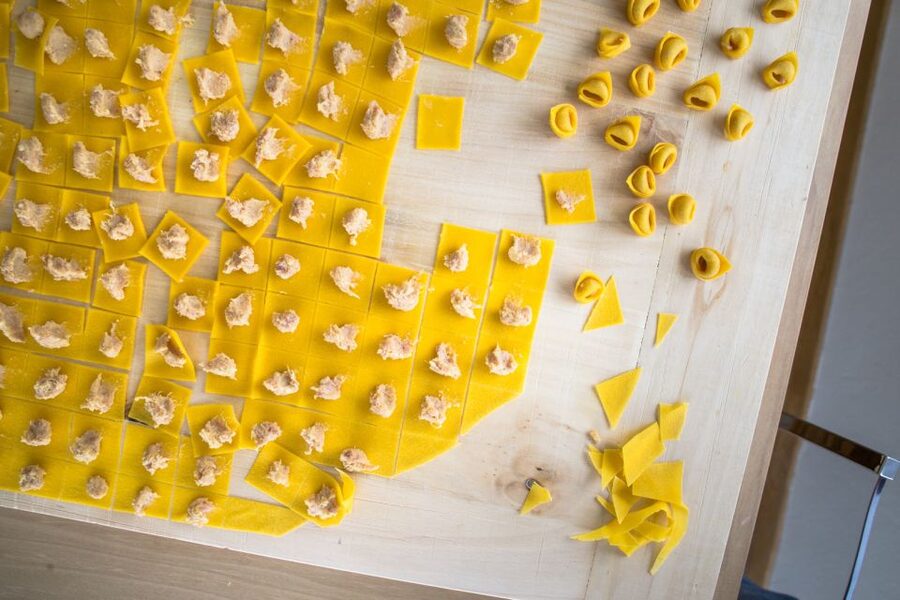
If you’ve done cooking classes before, you know the difference right away. A studio class can feel like a performance. This one is set up like a real evening in Emilia-Romagna: you’re hosted in a local family’s home, where pasta-making is normal life, not a special event.
That local-home format matters because it changes the pace. You’re not herded through a scripted routine. Your Cesarina (a certified home cook) teaches from family cookbooks and everyday habits, and the conversation tends to stay practical: what to watch for in the dough, how to get the texture right, and what matters for the sauce-to-pasta balance.
And yes, the vibe can be genuinely warm. One host, Roberta, is described as giving lots of hands-on experience with great supervision. Another, Oriana, is remembered as entertaining enough that the evening seemed to fly. Even when the setting includes a balcony view over Bologna, the point isn’t the scenery. It’s that you’re learning in the kind of place where people actually gather and eat.
You can also read our reviews of more tours and experiences in Bologna.
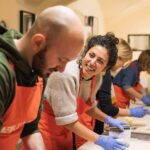
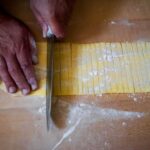
What you’ll do in the 3-hour session: pasta technique, not just pasta shapes
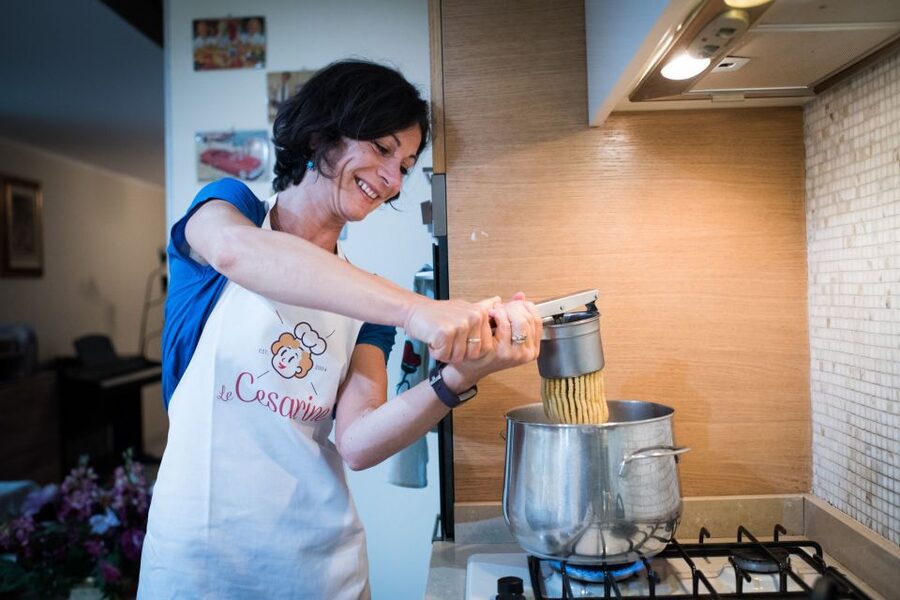
This is a private group class, and that’s a big deal for your learning curve. With fewer people, you can ask questions as you work, and your instructor can correct your technique while it’s still easy to fix.
Here’s what the structure is designed to do:
- The Cesarina explains the tricks of the trade for three authentic regional pasta recipes.
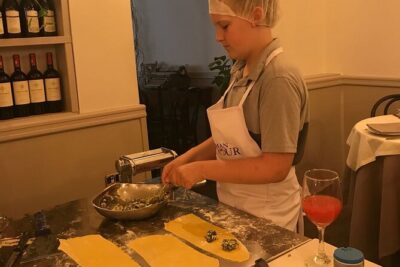
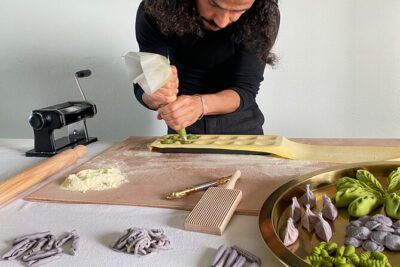
- Each participant gets a workstation with utensils and ingredients ready to go.
- You make the pasta step by step, then sit down to taste what you created.
The “secrets” part is where you’ll feel the difference. Instead of memorizing a recipe, you learn what affects results: dough consistency, thickness control, handling the pasta so it cooks evenly, and timing so the finished plates land hot on the table. The lesson stays focused on regional methods, the sort that get passed down because they work.
In classes led by hosts like Martina and Alessandra, the teaching style is repeatedly described as patient and detailed. That matters because pasta dough is forgiving in some ways and picky in others. Too dry and it cracks. Too wet and it gets sticky. A patient instructor helps you adjust without ruining the batch.
Also, some hosts offer options about what you want to make. If pasta shapes or sauces are personal favorites, ask when you confirm your time slot. Even if the class is built around three regional recipes, you may still be able to steer the menu slightly based on preferences.
The three pasta recipes: you learn the method behind the dish
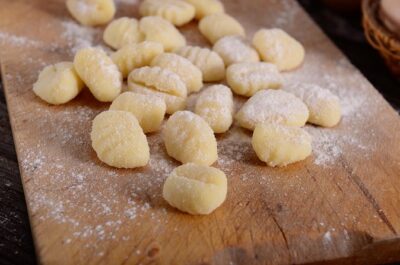
You’re scheduled for three regional pasta recipes during the 3-hour session. The exact dishes aren’t listed in the core details, but the teaching goal is clear: you’ll learn how to create the pastas that Emilia-Romagna is famous for, not just one mastered dish.
What you can count on is variety in technique. Making three different recipes usually means you’ll practice more than dough rolling. You’ll likely work on shaping and finishing steps that affect how the pasta holds sauce. You’ll also get experience cooking timing, which is one of the biggest gaps in beginner cooking.
A helpful way to think about it: you’re not collecting photos of finished plates. You’re collecting confidence. By the end, you’ll understand what to look for in texture and doneness, and that makes future cooking back home much easier.
The meal part: taste everything, with real local wine
Cooking is only half the story. The rest happens around the table.
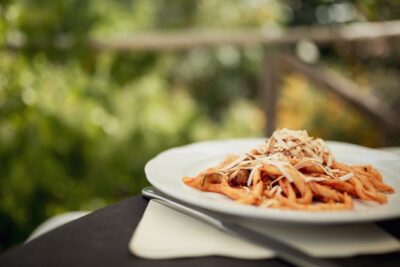
Included with the class is a tasting of three local pasta dishes, served with a selection of red and white local wines, plus water and coffee. This matters because it shows you how the recipes were intended to be eaten, not just how they were intended to be made.
You’ll eat the pasta you made, which turns learning into feedback. If a sauce tasted too strong on the first plate, you’ll understand why when you realize how the pasta absorbed it. If something felt over or undercooked, you’ll connect that directly to the timing you used.
Several past experiences also describe the meal as substantial, not just a small tasting. Roberta’s class was remembered as ending with a massive meal after the cooking. That lines up with the spirit of a home table meal: once the work is done, you settle in and eat like you belong there.
Wine is part of the experience, but the practical benefit is how it sets the rhythm. In a home setting, alcohol and conversation come naturally after work in the kitchen. You’ll likely feel less like you’re stuck in a classroom mode and more like you’re sharing dinner.
Dietary needs and language: you can show up with real restrictions
Good news if you have food limits. This class can cater to all dietary requirements upon request, including vegetarian, vegan, gluten-free, and more. That’s essential for value, because a pasta-making class that ignores dietary needs turns into a watch-and-wait experience for you.
Language is also covered. The instructor is Italian and English. In practice, that means you can ask questions clearly even if your Italian is rusty. You can also understand what matters for dough handling, which is the stuff you want to get right.
Because the group is private, you’re less likely to be drowned out. Private format also means your instructor can adjust pacing if you want extra time on one technique.
Price and value: what $112.15 covers (and what you should expect in return)
At $112.15 per person, this isn’t the cheapest pasta activity in Bologna. But it also isn’t trying to compete with a large group demo.
What you’re paying for:
- A private class in a home setting (not a public venue).
- A certified home cook teaching you three regional recipes with hands-on help.
- Ingredients and utensils set up at your workstation.
- Food and drinks included: three pasta dishes plus red and white local wines, water, and coffee.
That combination pushes the value in your favor if you care about learning. You’re not just eating; you’re building technique that you can repeat. And because you taste what you make, you get a built-in lesson in what works.
Where the cost might feel less worth it: if you only want a light snack or you already feel fully confident making pasta at home. In that case, you may not need the full 3-hour session. But for most people, the private-home format plus the hands-on structure justify the price.
Timing and meeting point: how not to lose time in Bologna
The class duration is 3 hours. It usually begins at 10:00 AM or 5:00 PM, though it can be flexible based on travel needs if you contact the supplier in advance.
The meeting point detail is important. Because it happens in a local family’s home, you receive the full address after booking, for privacy reasons. So don’t plan on showing up early to scout the street.
Practical planning tip: build in a little buffer before the start time. Bologna apartments and neighborhood streets can be charming but slower to navigate than you’d expect. Give yourself time to find the exact door and settle before the cooking starts.
Also remember: the activity ends back at the meeting point. That makes it easier to plug into your day. You can pair the morning class with lunch plans nearby, or do the afternoon session and shift dinner to the restaurant experience you prefer afterward.
Who this pasta-making class suits best
This is best for you if you fall into any of these groups:
- You want a hands-on cooking experience rather than a sit-and-watch class.
- You like local food culture and want the family-home angle, not just a trendy dining activity.
- You’re traveling with someone who also enjoys learning, because private format usually makes the shared work more fun.
- You have dietary restrictions and want a class that can handle them with advance request.
It’s also a good choice if you’re short on time in Bologna. You get three regional pasta recipes and a full tasting meal in one compact session.
If you hate mess or feel nervous about cooking in public, you might still enjoy it, but I’d suggest going in with a learning mindset. Pasta dough takes a few tries sometimes, and the whole point is practice with supervision and guidance.
Should you book this Bologna Cesarina pasta class?
Book it if you want real technique, a local-home setting, and a meal that feels earned. The biggest strengths are the private workstation setup, the focus on three regional recipes, and the fact that you eat what you make with local wines and coffee included. That’s how the experience stays worth the price.
Skip or think twice if you only want a quick food taste and already feel comfortable making pasta. Also, if your schedule can’t handle either 10:00 AM or 5:00 PM, confirm flexibility early, because those are the typical start windows.
In short: if Bologna is on your list and you want more than another restaurant dinner, this is one of those activities that gives you a story you can carry home. Not just a photo. Actual skill.
FAQ
How long is the Bologna pasta-making class?
The class lasts 3 hours.
What does the class include?
You’ll get the cooking class itself, a tasting of three local pasta dishes, and beverages including water, wines, and coffee.
Where does the class take place?
It takes place in a local family’s home. For privacy, you receive the full address after booking.
What time does the class start?
It usually starts at 10:00 AM in the morning or 5:00 PM in the afternoon, and it can be flexible depending on your travel plans if you contact the supplier in advance.
How much does it cost?
The price is $112.15 per person.
Can the class accommodate dietary restrictions?
Yes. It can cater to dietary requirements upon request, including vegetarian, vegan, gluten-free, and more.
Are languages available during the class?
The instructor speaks Italian and English.