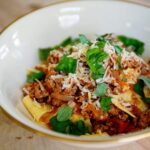
REVIEW · BOLOGNA
Bologna: Pasta and Tiramisu Cooking Class with Wine
Book on GetYourGuide →Operated by The Roman Food Tour · Bookable on GetYourGuide
That first sip of Prosecco sets the mood fast. In this Bologna class, you make tiramisu and fresh pasta with an English-speaking instructor, then sit down together for lunch or dinner with wine.
What I like most is the hands-on feel without making you feel lost, plus the fact you’re learning two classic skills in one short session. My one caution: the recipe is the traditional one, so dietary needs and allergies need extra checking.
The setup is restaurant-based, so you’re not in a home kitchen. That means the exact experience can feel different depending on the instructor and how the kitchen works that day, and it may not be ideal if you have strong restrictions around gluten, dairy, or eggs.
In This Review
- Quick Hits Before You Go
- Why This Bologna Cooking Class Works So Well in a 3-Hour Window
- Starting With Prosecco: The Mood, the Rhythm, and the First Lessons
- Tiramisu Workstation: What You Learn Beyond the Layers
- Fresh Pasta Making: Flour Choices, Dough Feel, and Shaping Tips
- The Meal: Lunch or Dinner With Wine (and a Table Full of Your Work)
- Price and Value: What You’re Really Paying For
- Dietary Notes and Allergy Reality Check (Read This First)
- What You’ll Get in Your Head (So You Can Cook at Home)
- Where This Class Fits in Your Bologna Trip
- Who Should Book It, and Who Should Skip It
- Should You Book This Pasta and Tiramisu Class?
- FAQ
- How long is the cooking class?
- What is included in the price?
- Is the instructor teaching in English?
- Are there dietary options or substitutions?
- What should I wear?
- Is this class suitable for kids?
- What is the cancellation policy?
Quick Hits Before You Go
- Prosecco welcome kicks off the class before you touch any dough
- Tiramisu first, so you get instant payoff with a dessert you’ll actually make
- Fresh pasta practice with guided steps for dough, cutting, and shaping
- Restaurant lunch or dinner at the end, served family-style as one group
- English instruction with instructors like Luca, Al, Peter, and Steven known for clear, upbeat teaching
- Wine at the table makes the meal feel like part of the lesson
Why This Bologna Cooking Class Works So Well in a 3-Hour Window
Bologna is a food city. This class fits that reality. You’re not just watching someone cook. You’re rolling up sleeves, building flavor step by step, then eating what you made with wine in a proper dining setting.
The format is smart for short trips. In three hours, you tackle two big Italian favorites: a classic tiramisu and fresh pasta. That combo matters because it teaches you two different kinds of kitchen confidence. Pasta dough teaches technique and texture. Tiramisu teaches timing and assembly.
And the vibe helps. The instructors are consistently described as funny, relaxed, and good at repeating key instructions. Names that come up include Luca, Al, Peter, and Steven. If English is your priority, that’s a plus here since the course is taught in English.
The one thing to keep in mind: this is built around the traditional recipe. Even if you get substitutions, it’s not a specialty gluten-free or dairy-free kitchen. You’ll want to read the allergy notes carefully before you book.
You can also read our reviews of more tours and experiences in Bologna.
Starting With Prosecco: The Mood, the Rhythm, and the First Lessons
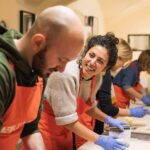
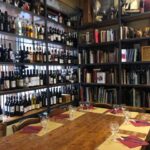
You begin right in the restaurant setting, in central Bologna. The first moment is the welcome drink: a glass of Prosecco. It’s not just a nice touch. It changes how the class feels. You settle in, you talk with your group, and you stop thinking like a tourist.
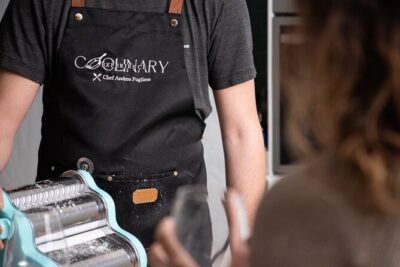
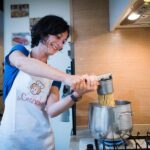
Then it’s hands-on time. You wash up, put on an apron, and get started at your workstation. The rhythm usually goes like this: dessert prep comes first, then pasta making. The lesson flow matters because you don’t spend the entire session wrestling with dough right away. You ease into technique.
This sequence also gives you a learning arc. Tiramisu is about control and consistency (cream texture, layering, and how ingredients behave). Pasta dough is about feel (how flour and eggs/structure come together). Starting with dessert makes it easier to stay relaxed when pasta gets more tactile.
Tiramisu Workstation: What You Learn Beyond the Layers
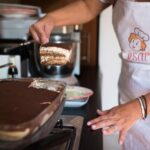
Tiramisu is simple in concept and tricky in details. That’s why it’s a great first lesson. You’ll create it from scratch, and you’ll also hear about why it matters—its origins and the methods that make it taste right.
Here’s what you’re really practicing, even if you only remember the final plate:
- How to get the cream smooth without overworking it
- How to build layers so every bite has balance
- How to keep the dessert in the zone where it sets properly
The class includes tasting the food you prepare. So you’re not guessing whether your tiramisu worked. You get to compare your outcome to what it should taste like right there at lunch or dinner.
Also, the timing is teaching you something useful for home cooking. If you’ve ever watched someone make tiramisu and thought, I could do that, the class helps you understand the small points that make it dependable instead of accidental.
Fresh Pasta Making: Flour Choices, Dough Feel, and Shaping Tips
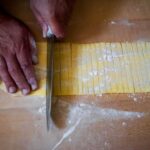
Now for the pasta—this is the part you’ll remember on your next Bologna walk, when you see storefronts and smells and feel the pull to eat. The instructor guides you through making fresh pasta dough step by step.
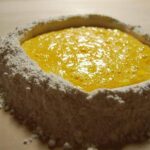
One of the most useful teaching points is the discussion around flour types. Pasta isn’t one-size-fits-all. You’re taught how ingredients affect texture and how the dough changes as you handle it.
You’ll also hear the difference between pasta fresca and pasta secca. Even if you’ve eaten both, this framing helps you understand why fresh pasta tastes different and behaves differently. It’s not just terminology. It explains what you’re feeling while you roll and cut.
As you roll, cut, and shape, focus on two things:
- Consistency of thickness (you want even cooking later)
- Handling the dough gently enough to keep it smooth
In this restaurant-style class, you may not be doing every single heat step yourself. The kitchen side still matters. But you’ll control the key parts you can replicate later at home—mixing, working the dough, shaping, and following the instructor’s guidance on timing.
The Meal: Lunch or Dinner With Wine (and a Table Full of Your Work)
This class ends with everyone eating together. You’ll enjoy a lunch or dinner in the restaurant, using the dishes you prepared in class. And yes, there’s a glass of wine with the meal.
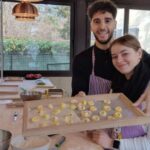
This matters more than it sounds. If you’ve done cooking classes before, you might remember the part where you cook something and then rush away. Here, you sit down. You taste your pasta and tiramisu in context, with sauces and flavors that complete the dish.
The wine also changes how the food reads. Bologna food is built for social eating—long tables, conversation, and relaxed pace. The class nudges you into that same mode.
And you get a social bonus. Several people mention meeting other like-minded travelers during the meal, which is a real part of why this works. You’re not stuck in a one-person “performance.” It’s a shared dinner that happens because you made it together.
Price and Value: What You’re Really Paying For
At $57 per person for about three hours, the big value is that the price isn’t only the lesson. You’re also paying for:
- A welcome Prosecco
- Instruction in English
- The pasta and tiramisu class
- Lunch or dinner
- A glass of wine
If you think about it as a cooking workshop plus a full restaurant meal, the math makes more sense. Pasta classes can be pricey when they’re just instruction with no meal. Here, you leave with food you made and you’ve tasted it properly, not just sampled in tiny bites.
The best way to judge value in Bologna is to ask: would I pay $57 for a good meal and drinks, plus a skill I can redo at home? If yes, this is a strong buy. If your only goal is a strict deep-dining experience, you might find dinner alone cheaper. But you’d miss the hands-on technique piece.
Dietary Notes and Allergy Reality Check (Read This First)
This is the one section I’d treat like a checklist.
The course includes the traditional recipe, and it notes that it contains gluten, dairy, and eggs. There are dietary options mentioned (like vegetarian, vegan, and lactose intolerant support), but the same information also lists “not suitable” for vegans, people with food allergies, people with gluten intolerance, and people with lactose intolerance.
So what should you do? Confirm directly with the provider based on your needs. Don’t assume you’ll be fully safe or fully compliant. The class also states it offers substitutes for allergies or preferences, but it cannot guarantee 100% free of cross contamination.
If you’re vegetarian and your main issue is avoiding meat, you may be in better shape than if you need strict allergen avoidance. If you’re dealing with gluten, dairy, lactose, or serious allergies, you’ll need extra caution because the traditional method is still the focus.
What You’ll Get in Your Head (So You Can Cook at Home)
The class isn’t only about what you eat that day. It’s about what you can repeat later.
You’ll take home practical pasta skills:
- How to build the dough properly so it rolls and shapes
- How to cut and shape fresh pasta
- How to think about flour choice and pasta types (fresh vs. dried)
And you’ll get a reliable tiramisu approach:
- Ingredient handling for texture
- Layering logic
- The idea that tiramisu is about balance, not just assembling
Even better, instructors are praised for explaining clearly and staying patient. That matters if you’re new to cooking. If you’ve never made dough before, you want someone who can correct you fast without making it awkward.
Some participants also describe getting extra Bologna tips—places to eat and even coffee recommendations—so you may walk out with a couple of useful local shortcuts.
Where This Class Fits in Your Bologna Trip
This is a smart pick for your first or second day in town. It gives you a focused “Bologna food lens” early, which helps when you later choose meals on your own.
You should also schedule it so you’re not rushing afterward. One simple reason: you’ll likely be fed well during the class. You’ll leave full, and you’ll want time to enjoy the walk home rather than hunt down another meal immediately.
It’s also a good plan for couples and solo travelers who want a social dinner. The group format creates conversation, and the class structure keeps everyone involved.
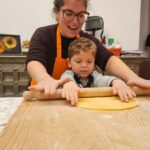
If you’re traveling with kids, the age limit is clear: it’s not suitable for children under 3. Some families mention kid-friendly participation when children are old enough and can join in comfortably, but the listing rules are the final word on eligibility.
Who Should Book It, and Who Should Skip It
Book it if:
- You want an authentic Bologna food experience that’s hands-on
- You like eating what you cook
- You want a quick skill upgrade in pasta and tiramisu
- You enjoy learning with a friendly, English-speaking instructor and a relaxed pace
Skip it if:
- You need strict gluten-free, dairy-free, lactose-free, or allergy-safe cooking
- You’re a vegan and you fall under the not-suitable categories listed
- You’re expecting a pure sightseeing day—this is a cooking class first, Bologna food culture second
Should You Book This Pasta and Tiramisu Class?
If your trip includes Bologna, this is one of those activities that feels like it fits the city instead of competing with it. For $57, you get a proper meal, wine, and two real cooking skills you’ll actually try again at home.
My decision rule is simple: if you can handle traditional recipes that include gluten, dairy, and eggs, and you’re okay tasting what you make, book it. If your diet or allergies are strict, contact the provider first and confirm substitutions and cross-contamination risk. When that check works, this class is a fun, practical way to spend a half-day in Emilia-Romagna.
FAQ
How long is the cooking class?
The class lasts about 3 hours.
What is included in the price?
You get a welcome glass of Prosecco, a pasta and tiramisu cooking class, lunch or dinner, and a glass of wine.
Is the instructor teaching in English?
Yes. The instructor provides instruction in English.
Are there dietary options or substitutions?
The information says dietary options are available (including vegetarian, vegan, lactose intolerant and other diets), but the notes also say the traditional recipe includes gluten, dairy, and eggs and that cross contamination cannot be guaranteed. It also lists vegans, gluten intolerance, and lactose intolerance as not suitable, so you should confirm based on your needs.
What should I wear?
Wear comfortable clothes.
Is this class suitable for kids?
The information says it is not suitable for children under 3 years old.
What is the cancellation policy?
You can cancel up to 24 hours in advance for a full refund.