REVIEW · BOLOGNA
Bologna: Pasta Tagliatelle al Ragu Cooking Class with Wine
Book on GetYourGuide →Operated by Timonfaya Travel Lanzarote · Bookable on GetYourGuide
Making pasta in a stranger’s home sounds risky. It turns into a relaxed Bologna lunch with hands-on instruction from Irene, plus plenty of local wine. You’ll make (and then eat) several types of fresh pasta in a real family apartment—but the kitchen is small and the setting can feel cramped if you’re sensitive to tight spaces.
I love classes like this because you’re not just watching. You’re rolling dough, filling pasta, and learning the rhythm of Bologna cooking in about three hours. One thing to keep in mind: the location is a few miles outside the historic center, and it can be tricky to find without the exact address.
In This Review
- Key Moments You Should Know Before You Go
- A Bologna Home Kitchen, Not a Studio
- What You Actually Make: Tagliatelle, Tortellini, and More
- The “Hands-On” Part: Rolling, Filling, and Getting It to Hold
- Bologna Ragù and Sauce Reality (Yes, It’s Part of the Meal)
- Lunch at the Family Table: Wine, Dessert, Coffee
- Price and Value: Why $70 Includes More Than a Lesson
- Getting There From Bologna: Buzz Mattioli and a Few Miles Out
- Group Size and Comfort in a Small Apartment
- Who This Class Fits Best (and Who Might Skip It)
- Should You Book Bologna’s Tagliatelle and Ragu Cooking Class?
- FAQ
- How long is the Bologna pasta cooking class?
- Where do I meet for the class?
- What pasta do you learn to make?
- Is lunch included?
- Is wine included?
- What else is included besides the meal and wine?
- What languages are used by the host or greeter?
- Is it suitable for first-time pasta makers?
- What is the cancellation policy?
Key Moments You Should Know Before You Go
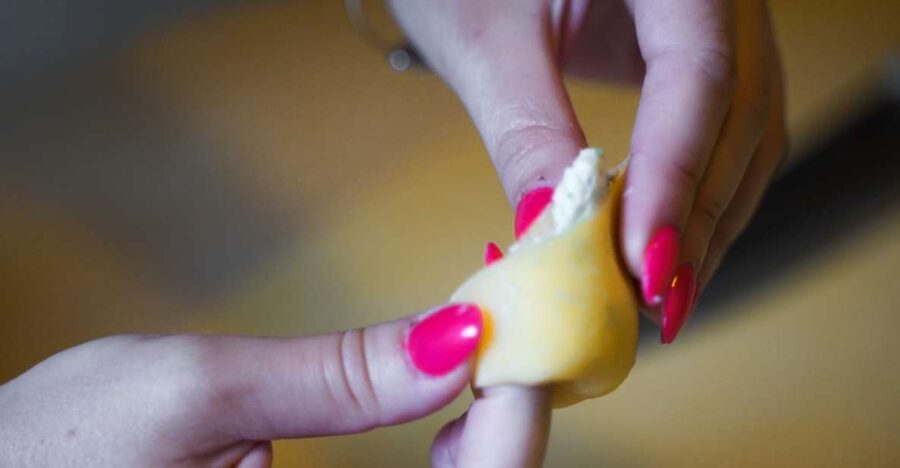
- Three pasta types in one session: you’ll focus on different shapes and the dough-to-filling process
- A real Bologna home with a small-group feel: family-style eating and chat at the table
- Irene’s teaching style in English and Italian: step-by-step, patient guidance
- Wine with lunch and dessert: it’s part of the experience, not just an add-on
- Recipes to take home: you’re leaving with something you can actually cook again
- A “do the pasta” class: sauces and parts of the filling may be supported so you don’t get stuck
A Bologna Home Kitchen, Not a Studio
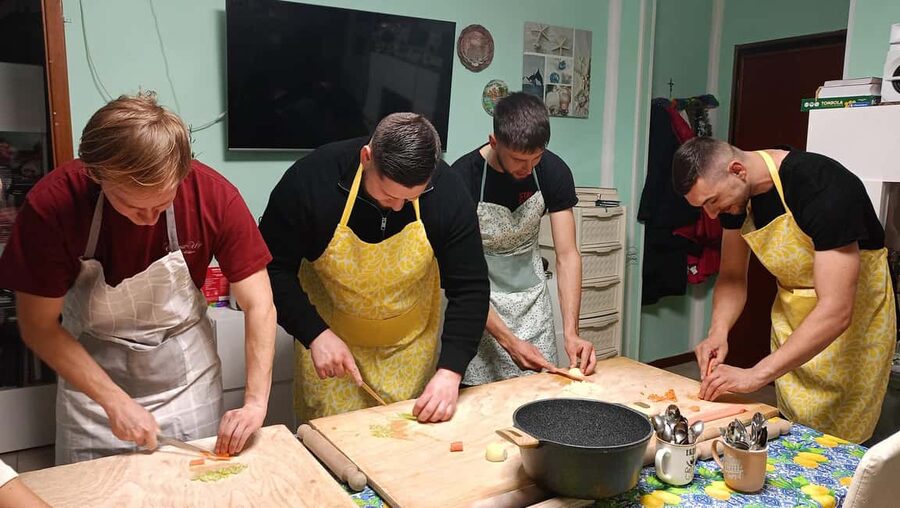
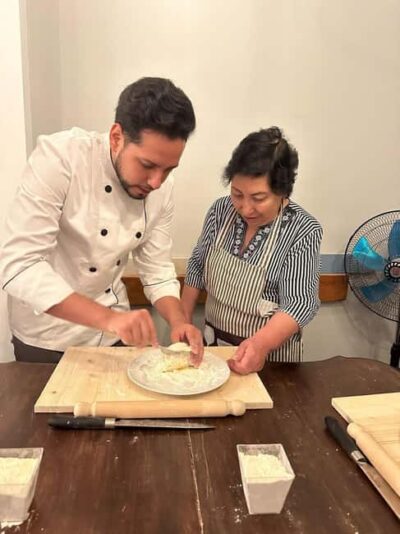
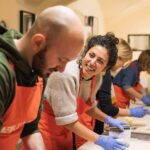
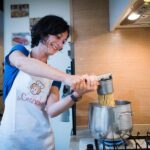
This experience happens in a typical Bologna home, not a polished cooking school. You’ll likely be working in a compact kitchen with a table setup built for everyday cooking. That home setting is exactly why it feels authentic: you’re learning with the kind of tools, pace, and small cues you’d hear in a family kitchen.
The host, Irene, is the main engine of the evening (and lunch). Several people mention her as a warm, encouraging teacher who explains clearly in English, and can switch to Italian when needed. If you want “watch me” cooking, this isn’t that. If you want “your hands, your dough” learning, you’ll probably enjoy it a lot.
The potential drawback is space. A few reviews point out the room can get crowded when group size is larger, and the apartment setup isn’t meant for a full-on workshop vibe. If you like lots of elbow room and spotless, professional surroundings, you might feel more comfortable choosing a bigger studio class.
You can also read our reviews of more tours and experiences in Bologna.
What You Actually Make: Tagliatelle, Tortellini, and More
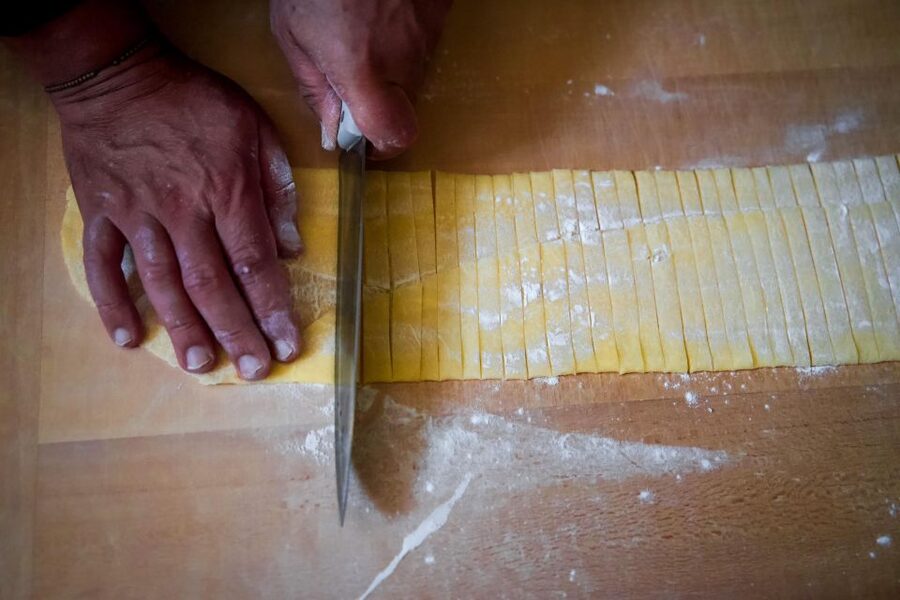
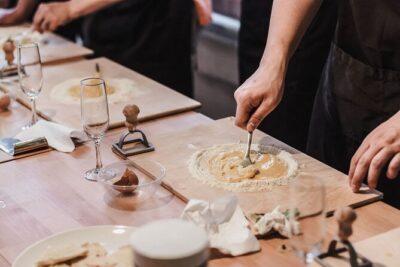
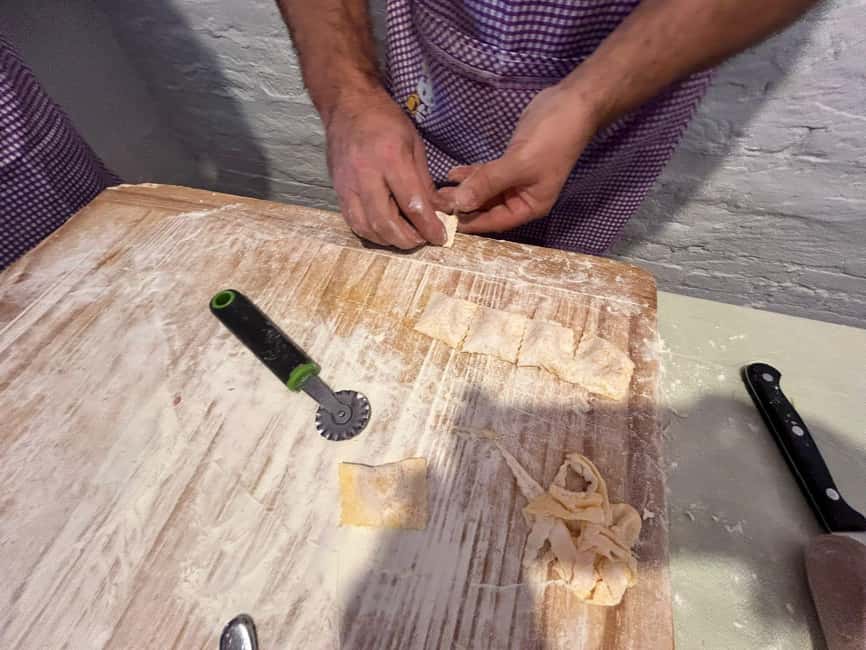
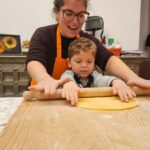
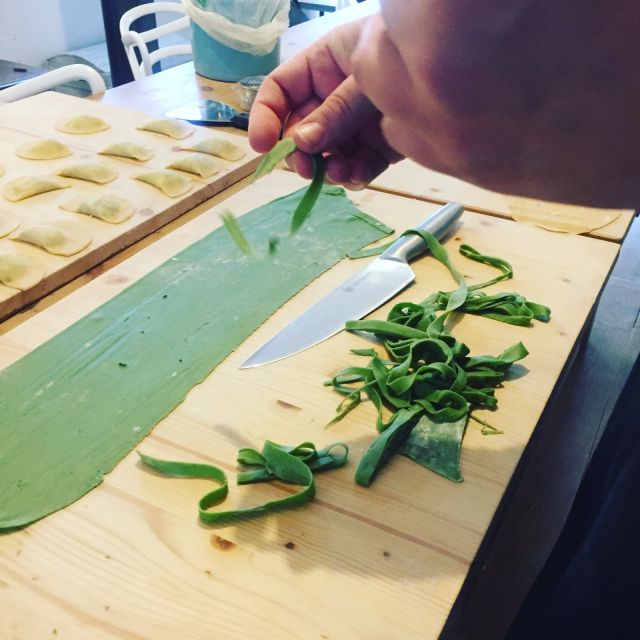
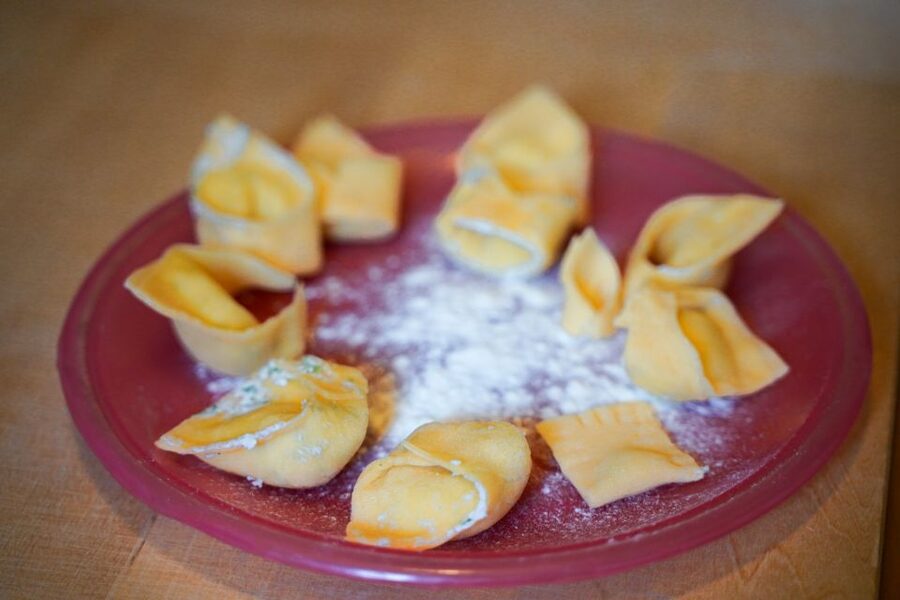
The core of the class is pasta construction. You start with dough for tagliatelle or tortellini, depending on the flow of your session. Then you roll the dough, and you move into shaping and filling—especially for stuffed pastas like tortellini/tortelloni and ravioli.
Here’s the practical version of what you can expect to learn:
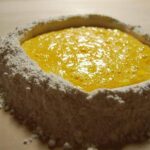
- Dough handling: how to get the texture right before rolling
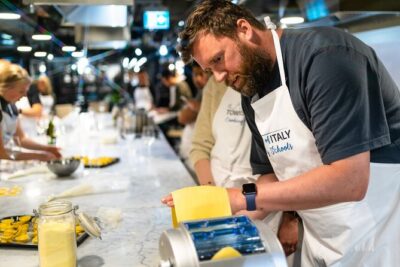
- Rolling: stretching the dough evenly so it’s workable for cutting or shaping
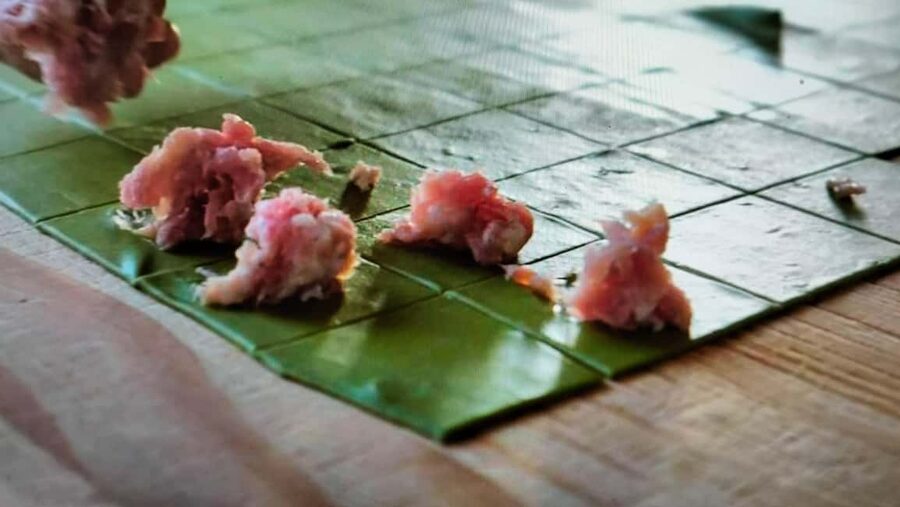
- Stuffing: how to fill without overstuffing (and without making a mess that’s impossible to close)
- Finishing: baking steps for the filled pasta when the menu calls for it
Even if some components like sauce elements are prepared ahead, you still do the key work that most people struggle with at home: managing dough and getting the fillings and shapes to hold. That matters because pasta is partly technique and partly feel, and you only get that feel by doing it.
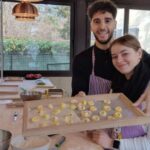
A lot of the praise centers on getting through multiple types of homemade pasta in the same visit. Instead of doing just one shape perfectly, you’ll learn several steps that you can remix later when you cook at home.
The “Hands-On” Part: Rolling, Filling, and Getting It to Hold
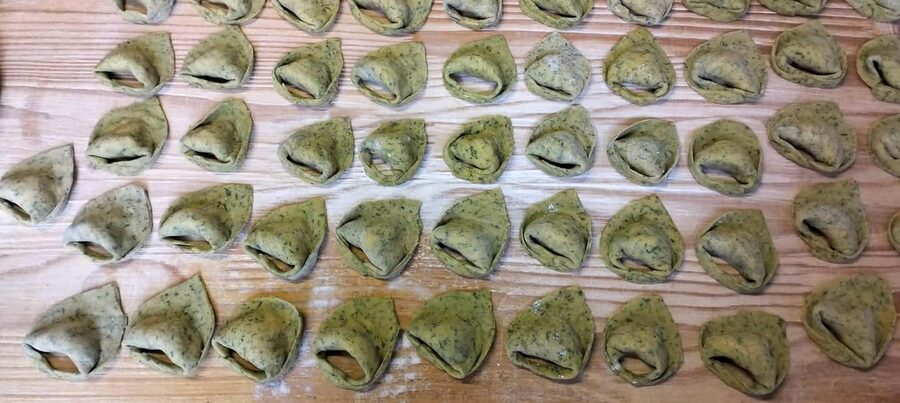
If you’re new to pasta, you’ll probably appreciate how much of the lesson is about not getting discouraged. Irene’s teaching approach seems designed to keep people moving forward even when dough behaves like dough—sticky at first, then cooperative once you adjust.
For stuffed pasta, the real skill is control:
- Filling should be the right amount to seal.
- The edges need to come together cleanly.
- You’re learning a closure method that works with the dough thickness you rolled.
You’ll also get instruction on ravioli dough and how to fill ravioli. That’s important if your goal isn’t just to eat today, but to reproduce dinner later. The same method—dough consistency plus manageable filling—shows up across stuffed shapes.
One more detail that came up in feedback: some parts of the meal (like ragù and/or filling) may be handled so you’re not stuck waiting while everything cooks. The trade-off is that you spend more time on the pasta work itself. If you’re someone who loves the dough-and-shape stage, this is a good setup.
Bologna Ragù and Sauce Reality (Yes, It’s Part of the Meal)
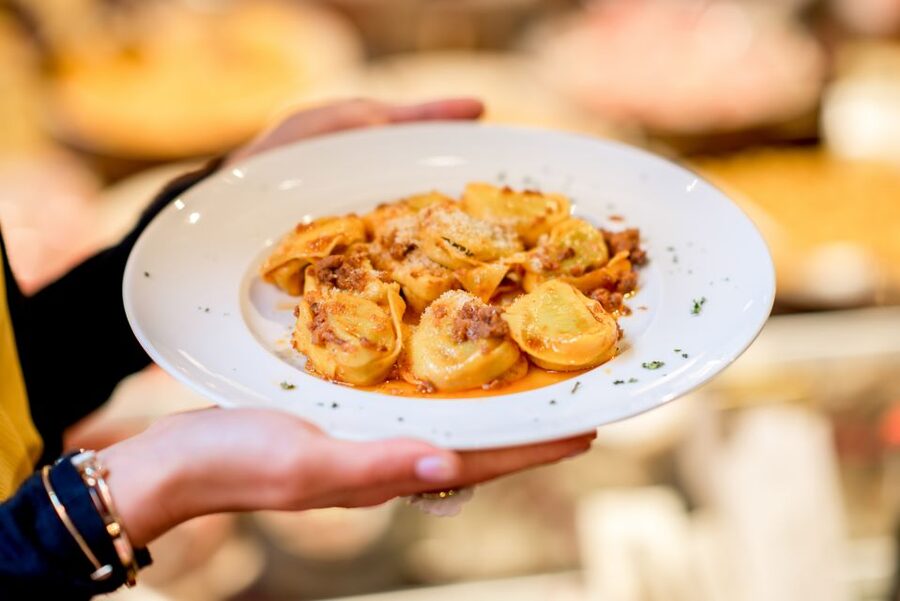
Bologna cooking is famous for ragù, and you’ll taste it here. Several people highlight the bolognese-style sauce as a standout, with stories that it can be prepared like an older family method—passed down and treated seriously.
You should also know how the class is structured: you’re mainly there to make the pasta, not to run a full restaurant line. Some reviews indicate ragù and filling may be prepared ahead, and you’ll still get guidance and recipes at the end.
For you, that’s a plus. Many pasta classes leave you with either a great dish you can’t recreate or a lesson where half the work happens off-camera. This one tries to split the difference: you do the challenging handwork, then you sit down and eat what your hands produced.
If you’re the type who wants to learn sauce chemistry from scratch, you might want to pair this with a separate sauce-focused lesson. But if your goal is to build confidence making fresh pasta and understand how the whole meal fits together, this works well.
Lunch at the Family Table: Wine, Dessert, Coffee
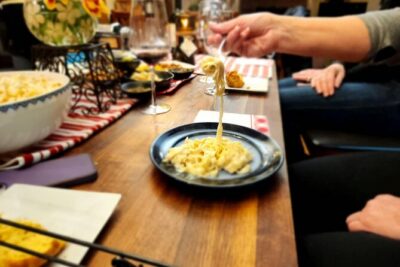
The food part is built into the timing. After you shape and prepare, you’ll sit down for a full meal that includes pasta as a three-course setup. Depending on seasonal availability, the meal may include fresh fruit and/or cake or sweets. Dessert follows, and wine is part of the pairing.
What’s special is the pacing. This doesn’t feel like a timed “production.” It feels like neighbors and friends sitting down together. Reviews mention a relaxed atmosphere, lots of conversation, and a warm host who keeps things easygoing while still teaching.
Wine also shows up twice: during the lunch and again with dessert. That’s not just for flavor; it helps make a 3-hour class feel like an actual meal, not a workshop. You’ll likely finish with coffee as well, which is a very Bologna way to close out the experience.
Practical note: because this is in a home setting, the meal portion can feel hearty and satisfying. It’s not a tiny tasting menu designed to “keep you hungry.”
Price and Value: Why $70 Includes More Than a Lesson
At $70 per person for a 3-hour class, you’re paying for a cluster of things at once:
- Hands-on instruction
- The ingredients and work that turn into multiple pasta dishes
- Wine during the meal
- Dessert and coffee
- Recipes you can take home
So you’re not just buying the teaching. You’re also buying the meal experience. In many cities, that would be what you pay for a casual lunch plus drinks. Here, the value comes from combining instruction and eating under the same roof.
It also helps that the teaching seems to be aimed at first-timers and repeat learners alike. People who were brand new mention leaving more confident than they expected. If you’ve tried homemade pasta once and struggled with thickness, sealing, or timing, this is the kind of class that can fix the basics quickly because you get direct coaching while you work.
Getting There From Bologna: Buzz Mattioli and a Few Miles Out
The meeting point is Buzz Mattioli. From there, you’ll need to get to the home location, and the activity isn’t right in the historic center. Multiple reviews suggest it’s a bus or taxi ride outside central Bologna, and it can be several miles out.
This matters because your biggest risk here isn’t the pasta. It’s simply finding the place on time. People mention that directions can be unclear if you only rely on generic map info. One key tip that came up: the exact address details (like the apartment being on the first floor and a specific street number) can be important.
My advice:
- Get the full address in advance, not just the meeting point.
- If you’re arriving on your own, keep your phone data ready.
- If you’re worried, ask your host for a clearer description before you go.
If you plan transport ahead, you’ll arrive relaxed, and then the teaching part goes smoothly.
Group Size and Comfort in a Small Apartment
The class is described as a small, family-style setup. That’s great for interaction: you get attention, and you can ask questions while your dough is waiting for you. But because it happens in a home kitchen, the space is limited.
When group size is on the higher side, people can feel squeezed around the work table and in the kitchen area. It’s not a dealbreaker for most, but it’s worth factoring in if you don’t like tight quarters or you’re traveling with a larger group.
Also, remember: this is a home. Expect the kind of layout that looks lived-in, not the look of a professional cooking studio. For some visitors, that adds charm. For others who want everything ultra tidy, it can feel like a mismatch.
Who This Class Fits Best (and Who Might Skip It)
This is a great fit if you want:
- A hands-on pasta-making experience rather than a passive demo
- A Bologna-style meal with wine in a home setting
- A class with English support and a friendly teaching approach
- A recipe handoff so you can cook again after your trip
It also seems family-friendly in practice, based on at least one experience where kids under 10 were involved and the host kept them engaged. If you’re bringing children, it helps to choose this kind of activity over something too technical, since the class is naturally interactive.
You might think twice if:
- You strongly prefer big, open studio kitchens
- You need a location right in the historic center
- You want to learn every sauce detail from raw ingredients rather than focusing on pasta technique
Should You Book Bologna’s Tagliatelle and Ragu Cooking Class?
Yes, if your goal is to leave Bologna able to make fresh stuffed pasta at home. This class has a clear center of gravity: dough, rolling, filling, and shape technique—plus the satisfaction of eating what you made with wine.
Skip it or go in with eyes open if you’re picky about comfort and space. Because it’s in a real apartment, you’re trading spacious facilities for a more personal experience.
If you book, I’d plan your transport early, confirm the address details, and go hungry for the meal portion. You’ll get what most people really want from a pasta class: confidence, recipes, and a dinner that tastes like it came from a nonna’s kitchen, not a food-factory line.
FAQ
How long is the Bologna pasta cooking class?
It lasts 3 hours.
Where do I meet for the class?
The meeting point is Buzz Mattioli.
What pasta do you learn to make?
You’ll prepare dough for tagliatelle or tortellini, learn dough and filling for ravioli, and make multiple homemade pasta types like tortellini and Bologna-style pasta.
Is lunch included?
Yes. You’ll enjoy a full 3-course meal that includes pasta plus fresh fruit or cake/sweets depending on seasonal availability.
Is wine included?
Yes. Wine is included with the meal, and dessert is also served with wine.
What else is included besides the meal and wine?
Coffee is included, and you’ll receive recipes to take home.
What languages are used by the host or greeter?
English and Italian.
Is it suitable for first-time pasta makers?
Yes. Many people say it was their first pasta-making class and they found the instruction easy to follow.
What is the cancellation policy?
Free cancellation is available up to 24 hours in advance for a full refund.