REVIEW · VENICE
Venice Cooking Class in Mestre – Pasta & Tiramisu, wine and more
Book on Viator →Operated by Curioseety SRLS · Bookable on Viator
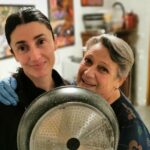
Cooking in a real Venetian home changes everything. This evening class takes place in the Giudecca district, with Rosa and Angela welcoming you like family. You start with prosecco, then cook traditional pasta and learn Veneto wines from a certified sommelier.
I especially like two things: first, the hands-on cooking (you’re not just watching). Second, the wine focus is practical, tying flavors to local grape types like Soave and Valpolicella. One thing to consider is that home kitchens mean small spaces and tight logistics, so clear meeting info matters—especially in the evening.
In This Review
- Key Reasons This Cooking Class Works So Well
- Giudecca at 6 PM: Getting to the right doorstep
- Rosa and Angela’s home welcome: Family style, plus wine brains
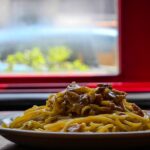
- What you cook: Ravioli, gnocchi, and fresh pasta with three sauces
- The wine pairing lesson: Veneto grapes you can taste
- Dinner ritual: Tiramisu and classic amaro
- Price and value: Is $102-ish worth it?
- Dietary needs, language limits, and the real-home setup
- Who should book this pasta and tiramisu class?
- Final verdict: Should you book?
- FAQ
- What is the duration and start time?
- Where is the meeting point?
- What do I cook during the class?
- Is wine included?
- Can the menu be adapted for dietary restrictions?
- How big is the group?
Key Reasons This Cooking Class Works So Well
- Giudecca instead of the tourist strip: you get that quieter Venetian rhythm, just minutes from St. Mark’s by waterbus.
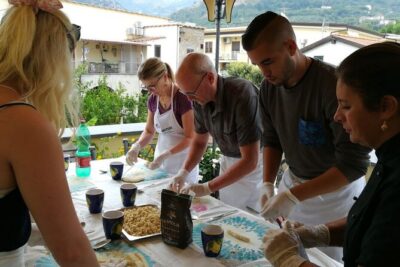
- Small group size (max 8): more conversation while you cook, and easier attention from the host team.
- Real cooking, not a demo: ravioli, gnocchi, and fresh pasta, plus you build the sauce.
- Wine education with real flavor cues: you learn what to look for in Soave and Valpolicella, not just which bottle.
- Classic finish: tiramisu and amaro to cap the meal like locals do.
Giudecca at 6 PM: Getting to the right doorstep
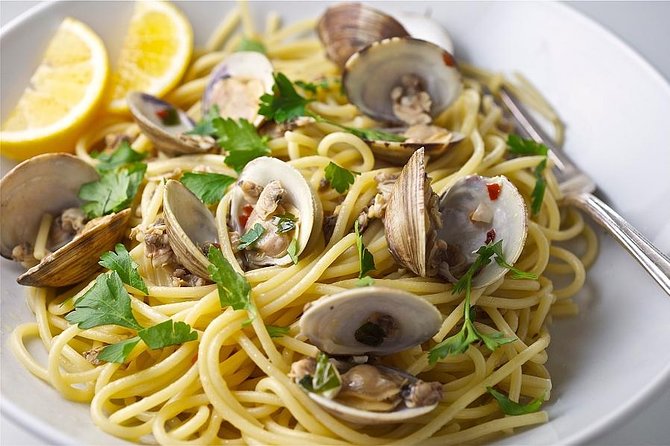
This is an evening class, starting at 6:00 pm and running around 3 hours. The “Mestre” label can be confusing, because the action is really on Giudecca, across the lagoon from the main sights. The upside is the vibe: Giudecca feels more residential and lived-in, which makes the meal feel less staged.
Your meeting point is listed as Via Andrea Costa, 21 d, 30172 Venezia VE, Italy, and it’s near public transportation. You’ll use a mobile ticket, which is handy since Venice is a city where paper tickets can vanish. Plan to arrive with a little extra buffer. A couple of people noted that finding the host can be slow if you’re not sure exactly where to go, and evening starts get tight when you’re sharing space with other plans.
Here’s the practical approach I’d use: confirm the exact meeting instructions in your booking messages, then follow them carefully. If your instructions involve meeting at a water taxi stop first, be ready for a short walk from there to the home. In at least some cases, the host meets you at the water taxi station and then escorts you to the apartment, which helps you avoid wandering.
You can also read our reviews of more tours and experiences in Venice.
Rosa and Angela’s home welcome: Family style, plus wine brains
The experience is built around a mother-and-daughter hosting team: Chef Rosa runs the cooking side, while Angela handles the wine. You’re welcomed with a glass of prosecco, then Angela walks you through the Veneto wine world in a way that makes sense at the table.
The big win here is that the wine lesson isn’t abstract. The tasting is framed around what grapes are grown locally and how their typical aromas show up in real glasses. You’ll hear about autochthonous grapes (local grapes specific to the region), and you’ll connect those grapes to sensory clues—think stone fruit and flowers for Soave, or cherry and licorice notes for Valpolicella.
One helpful detail: the tour is listed as having a certificated sommelier involved, and you can feel that the format is meant to teach, not to lecture. If your Italian is rusty, don’t panic. You’ll still get a lot from the structured pairing, the food itself, and the back-and-forth nature of cooking together. That said, some past experiences also mention limited English support at the table, so if you want lots of easy translation, keep expectations flexible.
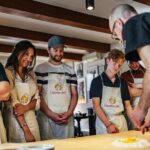
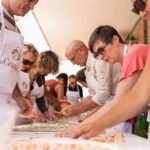
Also note the group size: max 8 travelers. In a small home space, that matters. You’ll actually have time to ask questions while you work, and you’re more likely to get personal attention when something goes wrong (like dough that won’t cooperate).
What you cook: Ravioli, gnocchi, and fresh pasta with three sauces
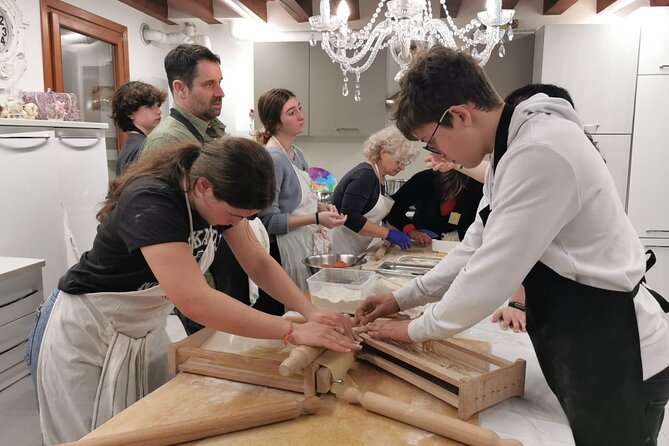
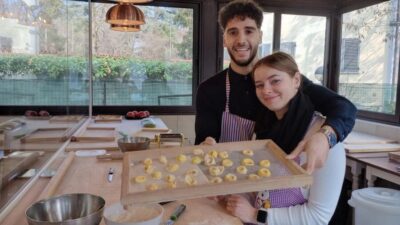
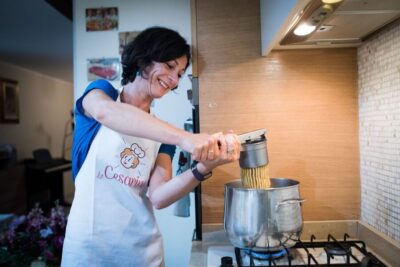
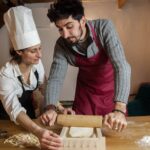
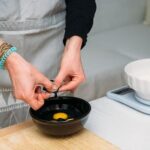
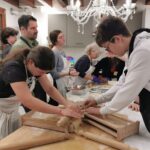
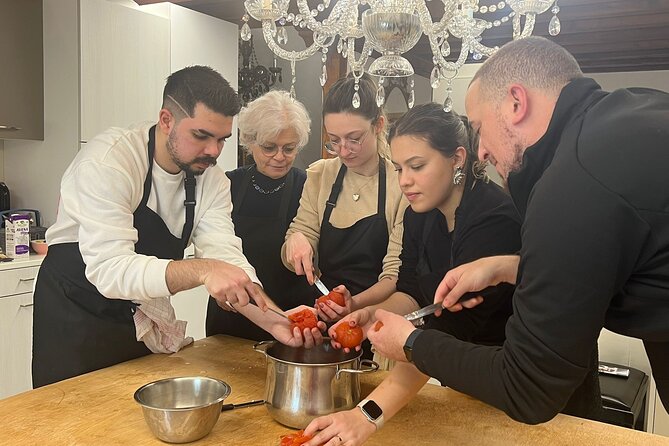
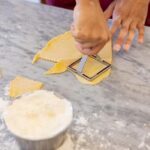
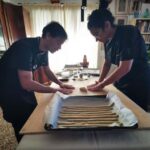
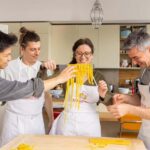
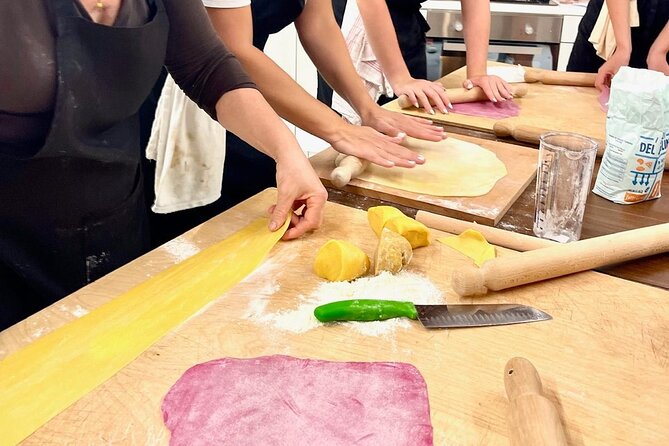
This is a hands-on cooking class, and you should treat it like that. Chef Rosa’s part is teaching you to make several traditional items using simple ingredients—then sending you to do the work.
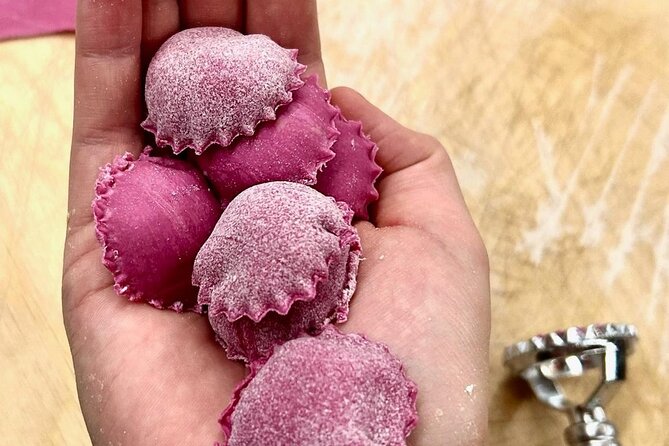
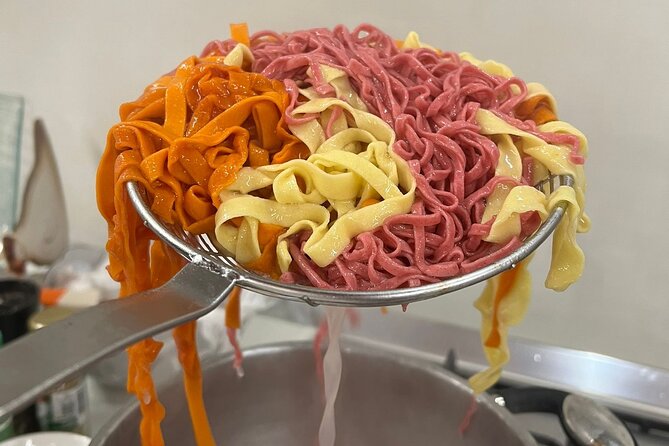
Here’s what you can expect to prepare:
- Ravioli
- Gnocchi
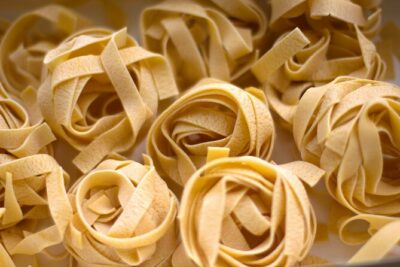
- Fresh pasta
- Three different sauces, made by you for you
That sauce detail is more important than it sounds. Many pasta classes give you one sauce and call it a day. Here, you’re building variety. It helps you understand why Italian cooking is so technique-plus-balance: the pasta is only half the story; sauce structure and flavor matters as much as the dough.
The timing is evening-tight, so you won’t have an all-day apprenticeship. Still, the flow is designed so that you cook, then eat what you made. That’s the fun part: your meal is the lesson’s payoff. You’re not trying to remember how something looked after the class ends; you’re tasting it while the work is still fresh.
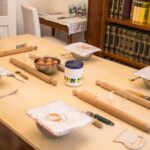
Home-kitchen reality check: a few people have said the kitchen is small, and the setup can feel compact. You might be cooking close to others, and the space may feel more like an intimate family operation than a cooking school studio. Bring patience, keep your phone and bags out of the way, and enjoy the close-quarters energy.
The wine pairing lesson: Veneto grapes you can taste
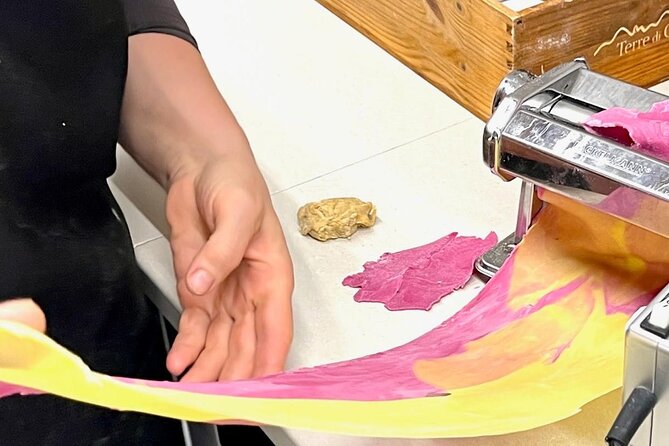
Wine is built into the meal, not bolted on at the end. Angela pairs what you cook with wines from the Veneto region, and the teaching ties directly to flavor.
The practical value is this: you’ll learn to recognize typical aromas and characteristics, like:
- Soave: associated with stone fruit and flowers
- Valpolicella: associated with cherry and licorice-type notes
Even if you don’t become a wine expert, you’ll walk away with a mental checklist you can use later—at a shop, a restaurant, or when choosing a bottle back home. That makes the class feel more useful than a one-time tasting.
Also included are local wine or soft drinks and espresso coffee with the meal. So you’re not just paying for the class; you’re paying for a full evening experience where the drinks match what’s on your plate.
One more point: if you’re the type who likes to ask questions, this format gives you plenty of openings. Cooking plus wine education naturally creates pauses—perfect for tasting notes, grape basics, and simple questions about what you’re noticing.
Dinner ritual: Tiramisu and classic amaro
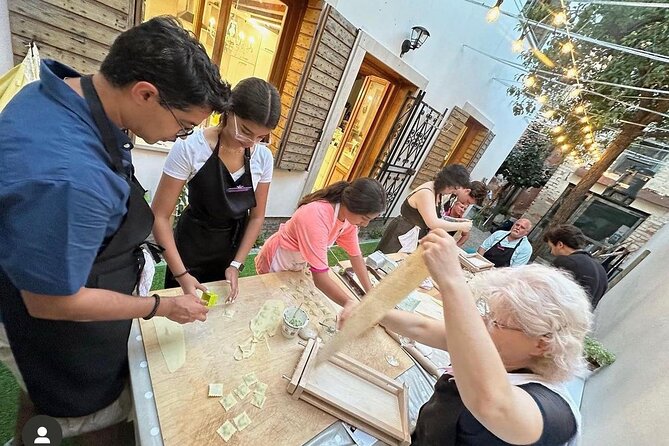
After cooking, you sit down to eat the fruits of your labor. The dinner format is listed in two ways, depending on whether you choose the upgrade.
What’s included by default:
- 2 pasta course + dessert
Upgrade option:
- + main course (fish or vegetarian)
Either way, the dessert is a classic: tiramisu. Then you get amaro, described as a traditional end-of-meal liquor prepared with herbs and spices that help digestion. In plain terms, you’ll likely end the evening feeling like you just finished a proper Italian dinner, not a class that happened to include food.
One reason this ending matters: it closes the loop. You learn pasta technique, you taste it immediately, then you finish with the region’s comfort-food dessert ritual. Tiramisu is familiar, but having it in this home setting makes it feel personal.
Price and value: Is $102-ish worth it?
At $102.03 per person, this isn’t a bargain, especially for a major city. But value in Venice isn’t only about price per hour—it’s about what you receive and how it feels.
Here’s what you’re getting for that money:
- Hands-on instruction (not a show)
- A sit-down dinner tied to what you cooked (two pasta courses + dessert)
- A wine component via Veneto pairings
- Prosecco welcome, espresso coffee, and local wine or soft drinks
- A digital recipe file of all dishes
- A small group size (max 8)
So you’re paying for a full cultural evening: cooking skill, regional food, wine pairing education, and actual meal service. For me, the best value comes from the combination—especially the wine lesson paired to what you’re eating.
A caution on value: since this runs in homes, consistency depends on the day’s setup. Some past experiences describe late starts or confusion on meeting time. Others describe language limits during the meal. And a few describe a mismatch with group size or expectations for how much food was prepared. You can reduce risk by booking with the correct participant count and sending dietary needs ahead of time (more on that next).
Dietary needs, language limits, and the real-home setup
Dietary requests are explicitly supported if you ask in advance. The info says they’re happy to accommodate gluten-free, vegan, vegetarian, and other food intolerances—just tell them at booking so they can tailor ingredients.
That matters because in a home kitchen, you don’t want to show up and then force last-minute substitutions. If you have constraints, I’d treat “tell them early” as part of your responsibility, not a suggestion.
Language is another practical reality. Some people have described it as difficult when the hosts didn’t speak much English, and there wasn’t an interpreter. On the flip side, many people still described the evening as warm and easy once you’re cooking and eating together. The safest approach: expect some communication gaps, but also expect kindness, because you’re sharing work at the table.
Finally, home setup can be small. If you’re sensitive to space, close quarters, or how bathrooms are arranged in older apartments, mentally prepare for that. Venice is old and compact; this is part of the charm and part of the trade-off.
Who should book this pasta and tiramisu class?
I’d put this class on your shortlist if you:
- Want hands-on cooking and you actually enjoy working in the kitchen
- Like food paired with wine that teaches you how to notice aromas
- Prefer Giudecca’s calmer feel over the busiest tourist zones
- Want an evening plan that ends with dessert and a digestif ritual
I’d think twice if you’re:
- Trying to follow a tight schedule and can’t handle a possible late start
- Expecting lots of fluent English interpretation throughout
- Booked with a large family group and might be tempted to assume portioning can flex without warning
This experience is best when you’re relaxed, curious, and ready to enjoy the evening as a shared home moment—because that’s what makes it feel different.
Final verdict: Should you book?
Yes, if you want an authentic-feeling Giudecca home dinner where you cook and then eat right away, with Veneto wine pairing that actually connects to taste. For the price, the meal package and the hands-on format justify it—especially for a small group.
Book it with two smart expectations: double-check the meeting instructions so you’re not rushing in the dark, and confirm your dietary needs early. If you do those two things, you’re far more likely to get the best version of the experience: cooking, conversation, and that classic finish of tiramisu and amaro.
FAQ
What is the duration and start time?
It’s about 3 hours, starting at 6:00 pm.
Where is the meeting point?
The meeting point is listed as Via Andrea Costa, 21 d, 30172 Venezia VE, Italy.
What do I cook during the class?
You’ll learn how to make ravioli, gnocchi, and fresh pasta, and you’ll prepare three different sauces.
Is wine included?
Yes. You get Veneto wine pairings during the meal, plus a prosecco welcome. There are also soft drinks as an option.
Can the menu be adapted for dietary restrictions?
Yes. You can request accommodations such as gluten-free, vegan, vegetarian, and other food intolerances—just advise them at booking.
How big is the group?
The class has a maximum of 8 people, which keeps the experience more personal and interactive.