REVIEW · VENICE
Venice: Share Your Pasta Love in a Local’s Home
Book on GetYourGuide →Operated by Cesarine · Bookable on GetYourGuide
Dough, laughter, and Venice at home. I love the local-home feel that turns a cooking lesson into real hospitality, and I love the hands-on way you learn fresh pasta instead of just watching. One thing to think about: because it’s in a private residence, the exact address is only shared after you book.
This is a 1.5-hour class built around doing and eating. You’ll start with an aperitivo and appetizer, then roll up your sleeves to mix, knead, and shape classic Venetian shapes like bigoli, tagliatelle, or ravioli, and finish by toasting with wine while you sit down to your own homemade meal. It also runs as a small group (up to 10), so you actually get time with the host.
In This Review
- Key highlights worth your time
- A Venetian home dinner starts before the dough
- From welcome aperitivo to real kitchen instructions
- Bigoli, tagliatelle, and ravioli: what you’ll actually learn
- The meal: you toast, then you eat the work
- Price and value: why $93 can make sense in Venice
- Small group energy: learning without the chaos
- Timing and logistics that actually matter
- Who this class is best for (and when to skip)
- Should you book this Venice pasta-making class?
- FAQ
- What is the duration of the Venice pasta-making experience?
- Where does the class take place?
- What is the meeting point?
- What does the price include?
- What pasta shapes will I learn to make?
- Is the class small?
- What languages are spoken during the class?
- Do we get wine?
- What is the cancellation policy and can I pay later?
Key highlights worth your time
- A Cesarine-style experience in a real Venetian apartment where you’re treated like a guest, not a tour stop
- Hands-on pasta making with guidance in English or Italian, even if you’re a beginner
- Aperitivo first, then pasta, then a homemade pasta meal paired with local wine and espresso
- You eat what you make, around a shared table, with a casual toast (one bottle per three guests)
- Small group pacing that feels relaxed enough to learn and still enjoy dinner-right-now food
- Hosts who bring personality, with examples like Mauro, Nicolo, and Tessa appearing in past sessions
A Venetian home dinner starts before the dough
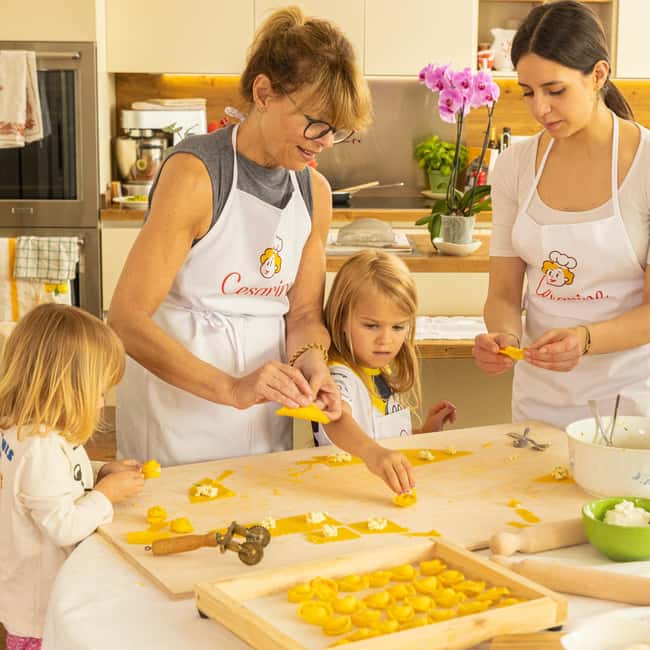
Venice can feel like a moving postcard. This experience is different because you step off the main streets and into someone’s real life. The “Venetian home” part matters. It changes the whole vibe from performance to conversation.
You start with a warm welcome and an aperitivo. That usually means a small appetizer plus a refreshing drink. It’s a simple ritual, but it does two things. First, it helps you meet your host and fellow diners without the pressure of learning immediately. Second, it sets the tone for what you’re really here for: Venetian hospitality, not a rushed checklist.
If you’re the type who wants food history without lectures, this format fits. You learn by doing. You ask questions while you work. And then you eat the result while it’s still fresh.
You can also read our reviews of more tours and experiences in Venice.
From welcome aperitivo to real kitchen instructions
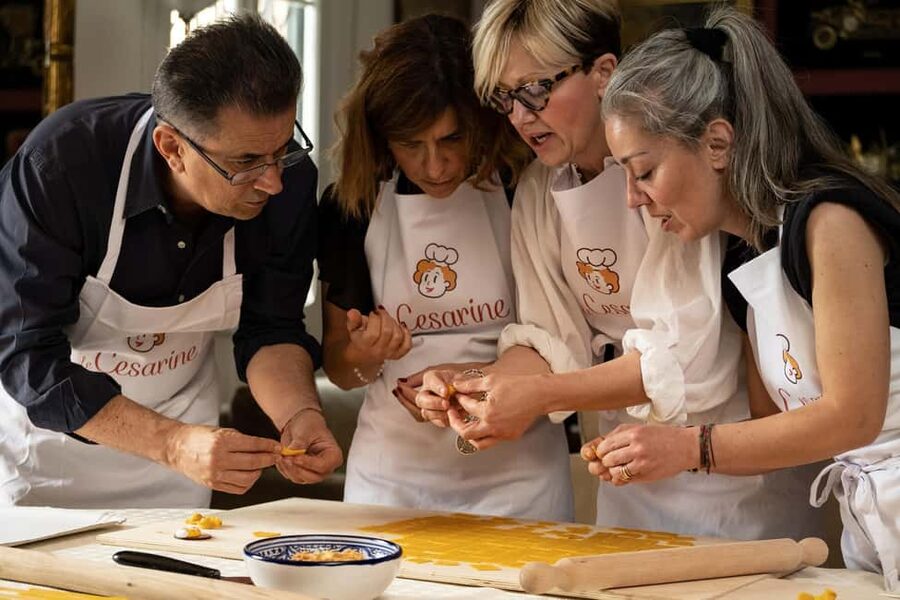
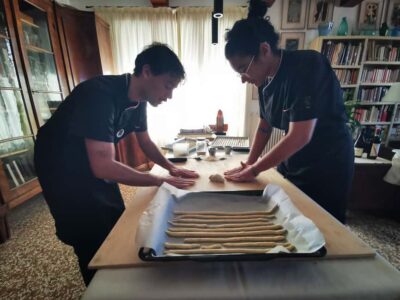
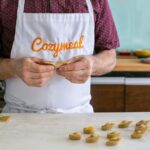
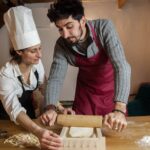
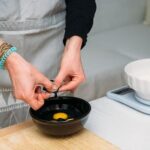
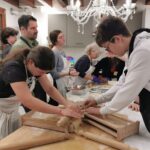
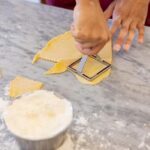
After your first sip, your host explains the basics of traditional pasta making—focused on what you need for this session, not an encyclopedia dump. Then the class turns practical fast. You mix, knead, and shape pasta at the pace of the room.
This is where the experience earns its reputation. Fresh pasta isn’t just about ingredients. It’s about feel: dough texture, how you work it, and how different shapes change the way the pasta cooks. Even if you’ve never rolled anything in your life, you’re set up to succeed because the teaching is hands-on and step-by-step.
Language support is also built in. The instructor speaks English and Italian, so you’re not stuck guessing or relying on gestures the entire time. That matters in a cooking class, where a small correction can save your dough.
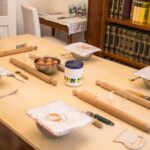
One more thing I like: the kitchen setting keeps you close to the process. You’re not in a studio with “learning stations.” You’re in a real home kitchen, which means you pick up the rhythms of an actual Italian meal—casual, warm, and practical.
Bigoli, tagliatelle, and ravioli: what you’ll actually learn
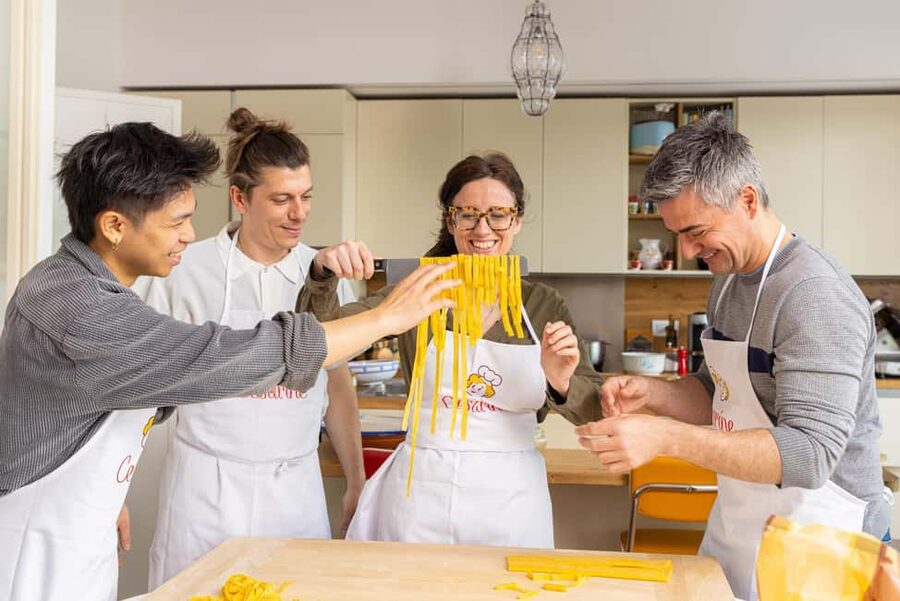
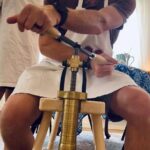
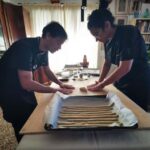
Venice has its own pasta identity. This class doesn’t force one shape on everyone. Instead, you’ll learn to craft bigoli, tagliatelle, or ravioli—classic choices that match what Venetian families tend to cook.
Here’s why that’s a smart setup for your time:
- Bigoli is a signature Venetian shape, and learning it gives you a “local” souvenir you can’t buy in a shop.
- Tagliatelle is great for practice because it teaches you consistent rolling and portioning.
- Ravioli adds the extra skill of shaping filled pasta, which feels more special when you sit down to eat.
You’ll follow techniques passed down in Venetian kitchens. The point isn’t tradition as a museum piece. The point is that these methods are proven for the way the dough should behave in real hands and real kitchens.
Also, the session is only 1.5 hours, so you’re not trying to master everything under the sun. You’re learning enough technique to understand the logic. And that’s the difference between “I watched pasta happen” and “I can make this again.”
The meal: you toast, then you eat the work
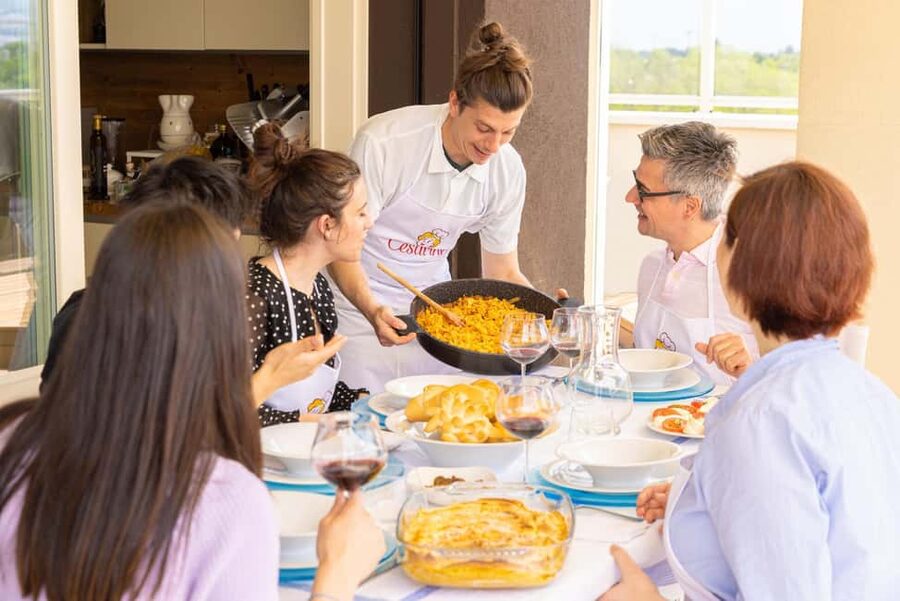
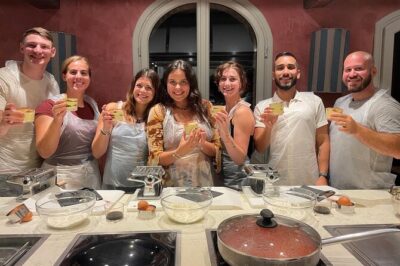
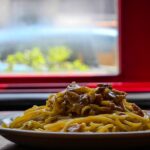
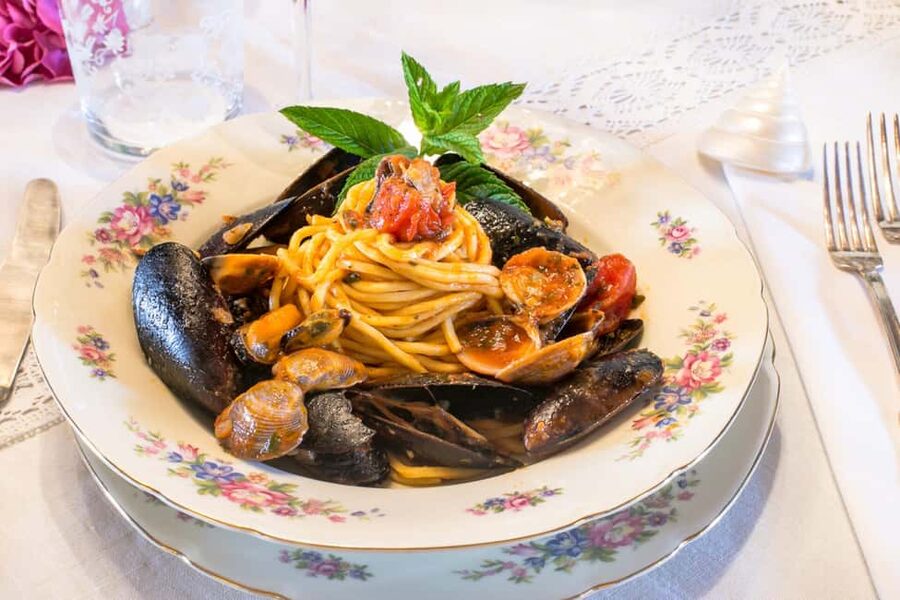
Once your pasta is ready, it turns into dinner. This is one of the most important parts of the experience because it rewards your effort immediately. You sit around the table with the other participants. You share the dish you made, and you taste it in the moment it matters.
You’ll toast with wine. The class includes local wines, with one bottle per three guests. That’s a nice balance: celebratory, not chaotic. You can enjoy without feeling like dinner is a party you didn’t plan for.
Beverages are covered too—water, local wines, and espresso. That means you get a complete meal experience rather than a “taste and leave” situation.
And here’s the practical payoff: when you eat right after making, you understand what worked. You can connect the texture you felt in kneading with the tenderness you taste. That makes any future pasta attempt at home far more likely to succeed.
Price and value: why $93 can make sense in Venice
$93 per person sounds like a lot at first glance, especially in a city where you can get pizza for a few euros. But pasta classes work differently from casual meals.
You’re paying for a full, structured experience:
- a welcoming aperitivo and appetizer
- the guided hands-on pasta making
- a homemade pasta meal
- and beverages including local wine and espresso
On top of that, it’s not a big classroom with strangers. It’s a small group limited to 10 inside a private Venetian home. That kind of access is the real value. You’re renting someone’s time, kitchen space, and teaching skills—not just buying ingredients.
So if you’re deciding whether to book, I’d think of it this way: you’re buying one “Venice night” that includes both instruction and dinner. If you like cooking and want to eat well while learning something real, this is usually worth it. If your goal is simply to eat cheaply, you can do that elsewhere. But you won’t get the same story, or the same practical skill.
Small group energy: learning without the chaos
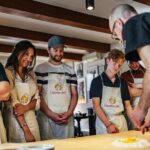
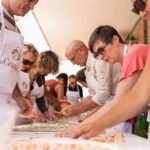
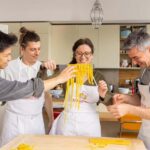
A class limited to 10 participants is a big deal. In larger groups, you can feel like you’re waiting for instructions. Here, the pacing stays more personal.
You also get the social side without the forced chat. Reviews point to this warm, friendly atmosphere—people meeting over dough, not standing in line like it’s a museum tour. It often feels less like a transaction and more like showing up for a shared meal.
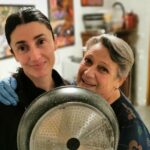
It can also create memorable moments with the host’s household life. In one past session, the host shared time in her apartment with her daughter and dog present. In another, Mauro guided the cooking in a very traditional Venetian home. Those details matter because they reinforce what you’re buying: an experience rooted in a real home, not a staged set.
Timing and logistics that actually matter
This experience runs for 1.5 hours. In Venice, that’s a good length. You’re not giving up half the day. You’re also not doing a quick demo that leaves you hungry and untrained.
One practical detail: the address of your host is shared after booking. That means you should plan to be free and reachable around check-in time. Don’t schedule a tight walking appointment right before your class unless you know the exact neighborhood and have buffer time.
Also, because it’s in a private residence, you’ll be expected to follow the host’s directions once you arrive. Think of it less like a museum entrance and more like arriving at someone’s home for dinner.
Who this class is best for (and when to skip)
This pasta experience fits best if you want one of these outcomes:
- You like hands-on activities and you’d rather learn than just eat.
- You care about Venetian food culture and want it through technique, not trivia.
- You want a warm social dinner moment that still teaches you something you can repeat.
It’s also beginner-friendly. You don’t need prior cooking skill listed here. The class is designed for travelers who want to make fresh pasta for the first time and leave with confidence.
I’d consider skipping if:
- You’re only interested in the cheapest meal possible.
- You hate wine or want zero alcohol (wine is part of the experience).
- You want a very long, slow, multi-course cooking project. This is short and focused.
Should you book this Venice pasta-making class?
I think you should book it if fresh pasta is on your Venice wish list and you’d like to turn that desire into a real skill. The combination of apertivo + hands-on practice + wine + the meal you made gives you strong value for $93, especially with a small group and an English/Italian host.
Choose it over a generic food tour if you want something more personal and less crowded. Choose it over a restaurant meal if your top priority is learning and then eating immediately afterward.
If you want Venice to feel like a local night rather than a crowded attraction, this one does the job.
FAQ
What is the duration of the Venice pasta-making experience?
The class lasts 1.5 hours.
Where does the class take place?
It’s held in a local family’s home in Venice, Veneto, Italy.
What is the meeting point?
You receive the full address of your host after booking for privacy reasons.
What does the price include?
It includes the welcome aperitivo and appetizer, the hands-on pasta-making class, beverages (water, local wines, and espresso), and a homemade pasta meal with wine.
What pasta shapes will I learn to make?
You’ll make classic pasta dishes such as bigoli, tagliatelle, or ravioli.
Is the class small?
Yes. It’s limited to a small group of up to 10 participants.
What languages are spoken during the class?
The instructor speaks English and Italian.
Do we get wine?
Yes. You’ll toast with wine, with one bottle per three guests.
What is the cancellation policy and can I pay later?
Free cancellation is available up to 24 hours in advance for a full refund. You can reserve now and pay later, with no payment due today.