REVIEW · VERONA
Verona: Pasta & Tiramisu Cooking Class at a Local’s Home
Book on GetYourGuide →Operated by Cesarine · Bookable on GetYourGuide
Fresh pasta in someone’s home beats a crowd.
This Verona cooking class is built around hands-on technique: you’ll learn to roll sfoglia by hand, then make two classic pastas from scratch, and finish with the iconic tiramisu. I also like the small-group setup (12 people max), because you get real attention while you’re kneading, rolling, and shaping—not just watching from the sidelines.
For me, the other big win is the setting and pace. You warm up with an Italian aperitivo, then you sit down to taste what you made with wines—so the lesson feels like a full meal, not a rushed demo. The one drawback to consider: it’s in a private home kitchen, and it isn’t suitable for wheelchair users, so you’ll want to be comfortable standing and moving in a normal domestic space.
In This Review
- Key things that make this class worth your time
- Cesarina in Verona: What a Home Kitchen Teaches
- The 3-hour flow: Aperitivo, pasta work, then dessert
- Rolling sfoglia by hand: the skill behind the magic
- Two iconic pastas: what you’ll likely learn to shape
- Tiramisu teaching: timing the set matters
- Wine and the meal: eat what you made, then talk about it
- Price and value: is $152.93 a good deal?
- Who should book this cooking class (and who shouldn’t)
- Quick practical tips before you go
- Should you book the Verona Pasta & Tiramisu Cooking Class?
- FAQ
- How many people are in the cooking class?
- How long is the experience?
- What will I learn to cook?
- What drinks and meal items are included?
- Will I know the exact home address before booking?
- Is it wheelchair accessible?
Key things that make this class worth your time
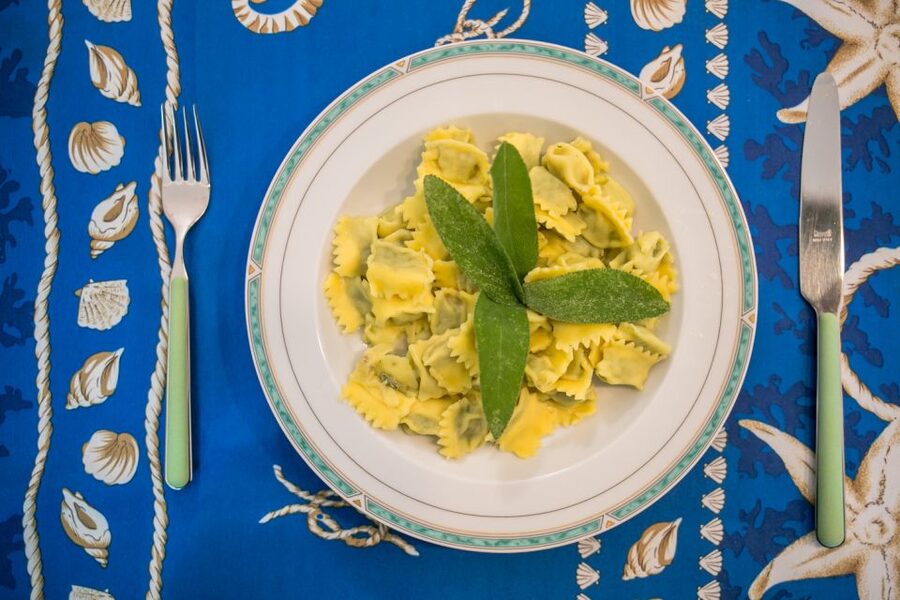
- A hands-on “sfoglia” session that teaches you how fresh pasta dough behaves, not just how to cook it
- Two pasta types from scratch, made in the same 3-hour rhythm you’ll actually need at home
- Tiramisu with timing built in, so the dessert gets to set properly while you’re working
- Small group (max 12), which makes it easier to ask questions while your dough is still fresh
- Cesarina hosts in their own homes, often with English help and a personal teaching style (hosts like Michela and Adele have led classes)
- Aperitivo + wine included, so you’re eating your way through the experience
Cesarina in Verona: What a Home Kitchen Teaches
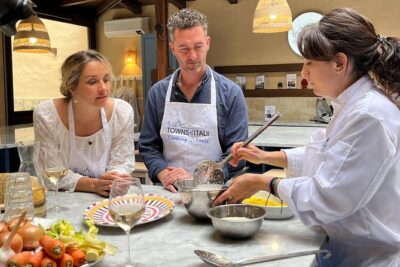
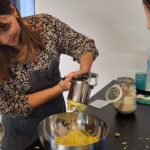
This isn’t a big restaurant class where everything stays behind glass. It’s a small-group lesson in a local’s home through the Cesarine network—Italy’s oldest home-cook community—where the whole point is learning in a real kitchen with real habits.
That changes the tone fast. In a home setting, you pick up practical things: how ingredients are handled, what “proper” dough looks like before it turns into pasta, and how Italians build a meal around conversation as much as cooking. The host often works with you in English alongside Italian, and in Verona you’ll see teaching styles like Michela’s warmth and generosity, or Adele’s ability to bring kids into the process too.
Best part for most people: the group stays small enough that you’re not left to figure out the technique alone.
You can also read our reviews of more tours and experiences in Verona.


The 3-hour flow: Aperitivo, pasta work, then dessert
The class runs about 3 hours, with starting times that vary by day. While you’ll get a meeting point for check-in, the full home address only shows after booking (for privacy). That’s normal here, and it’s also why this experience feels more local than touristy.
Here’s how the flow typically lands, based on how these lessons are structured:
- Italian aperitivo warm-up
You’ll start with prosecco and nibbles. It’s not just a drink; it helps you settle in and start chatting before flour flies.
- Fresh pasta setup: rolling sfoglia by hand
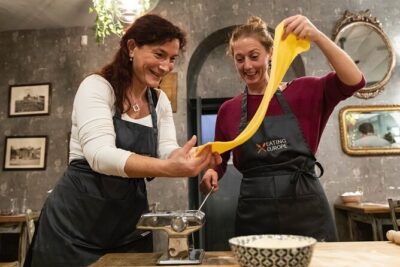
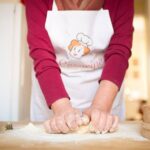
You’ll focus on the dough and rolling technique first, learning how to handle the sheet as it gets thinner.
- Make two iconic pasta types
You’ll then shift from dough work into shaping pasta—learning two different styles so you come away with more than one method.
- Tiramisu lesson and finishing
Tiramisu is included, and good hosts time it so it can set while you eat and keep working. (In one Verona session, Adele made the tiramisu early so it would be ready by the time the group sat down.)
- Tasting at the table with wines + coffee
You’ll enjoy the meal result: tasting the pastas you made plus the tiramisu, with wines, water, and coffee included.
The key idea is that you don’t just make food—you make something that becomes lunch or dinner.
Rolling sfoglia by hand: the skill behind the magic
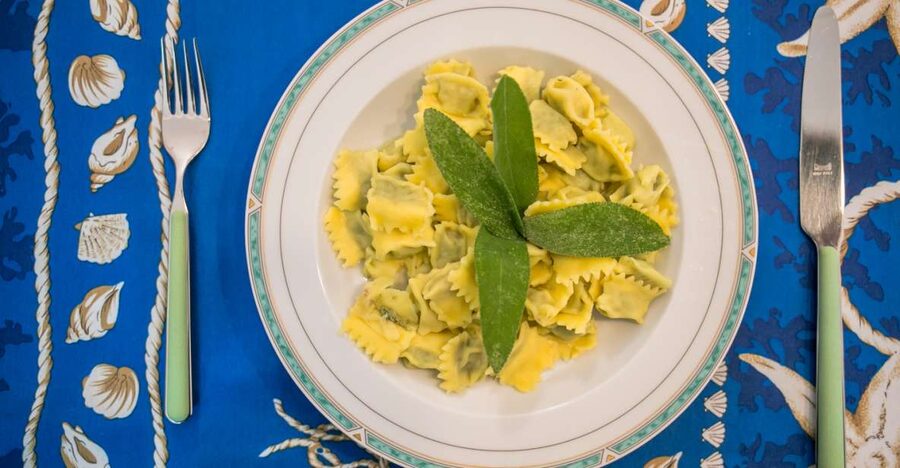
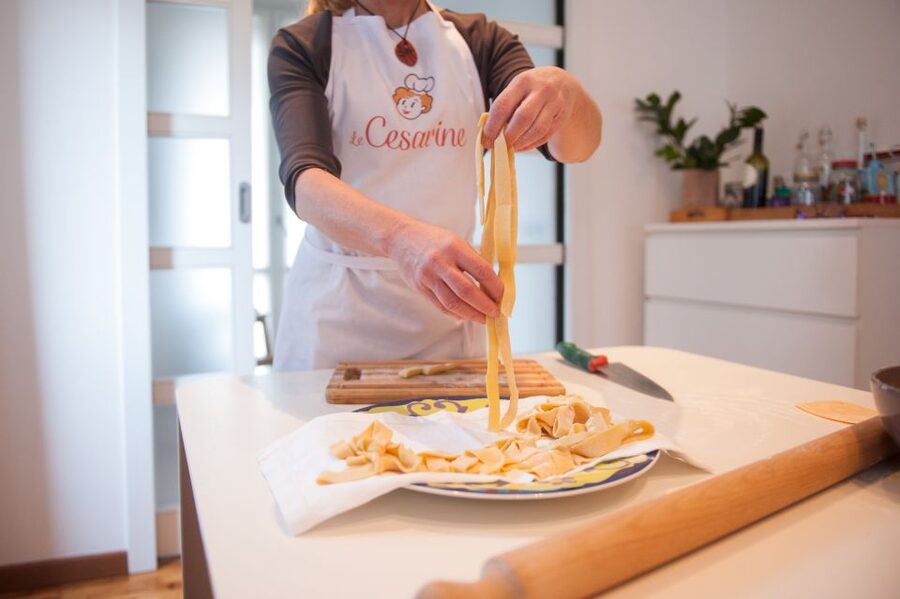
Fresh pasta is all about feel. And that’s why the sfoglia lesson is the standout technique component here. You’ll learn how to roll dough by hand, which means you see how the sheet changes as it thins, stretches, and becomes ready for shaping.
Why this matters for you:
- You’ll understand texture, not just steps. Once you’ve rolled a sheet and watched it get to the right thickness, you’ll spot the signs you need at home.
- You’ll learn how rolling affects cooking. Pasta that’s too thick stays chewy; pasta that’s too thin can get fragile. This is one of those skills no cookbook can teach as clearly as doing it once in the moment.
If you’re used to packaged pasta, this part will feel like a mini-reveal. If you’re already cooking at home, you’ll still appreciate the hands-on correction—because dough can be moody depending on humidity and flour.
Two iconic pastas: what you’ll likely learn to shape
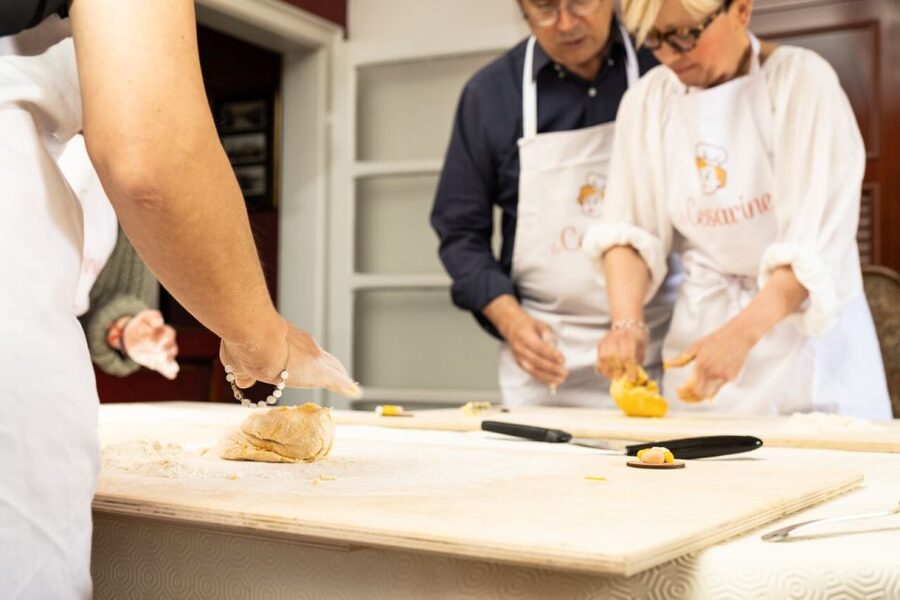
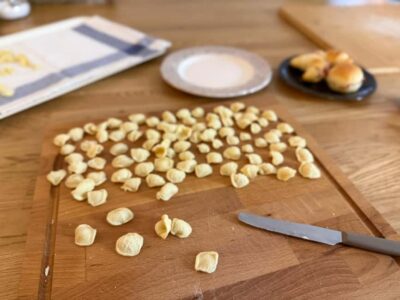
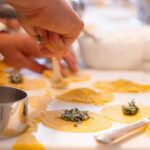
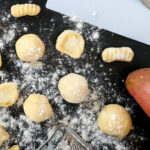
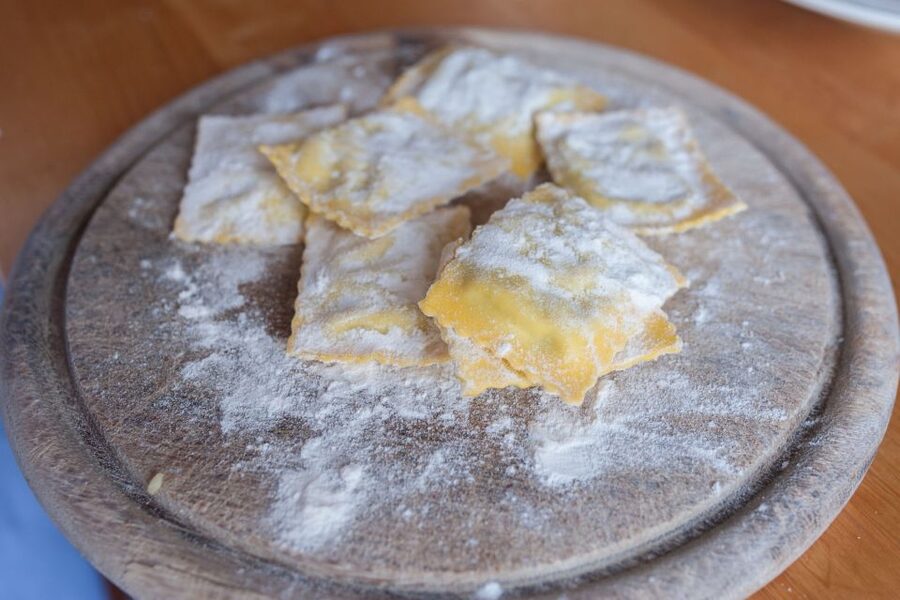
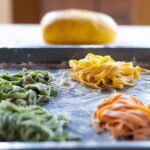
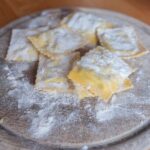
The class promises two iconic pasta types from scratch, and some Verona sessions include combinations like ravioli and a ribbon pasta such as tagliatelle (often taught as taghatelle in English). You may also add a flavor direction such as asparagus for the ribbon pasta course, depending on the specific class menu your host runs.
Here’s the practical value of making two styles in one sitting:
- You get contrast. Stuffed pasta teaches dough handling and filling portioning; ribbon pasta teaches cutting and shaping.
- You build a broader base for future meals. Even if you only cook one dish again later, you’ll remember what worked with the dough.
And because it’s a home kitchen, you’ll likely learn the “why” behind small decisions. Example: ravioli needs sealing technique and careful shaping so it holds through cooking. Ribbon pasta benefits from getting the thickness right so it cooks evenly.
Even if the exact pastas vary by day, the teaching method stays the same: dough first, then shape, then cook/taste.
Tiramisu teaching: timing the set matters
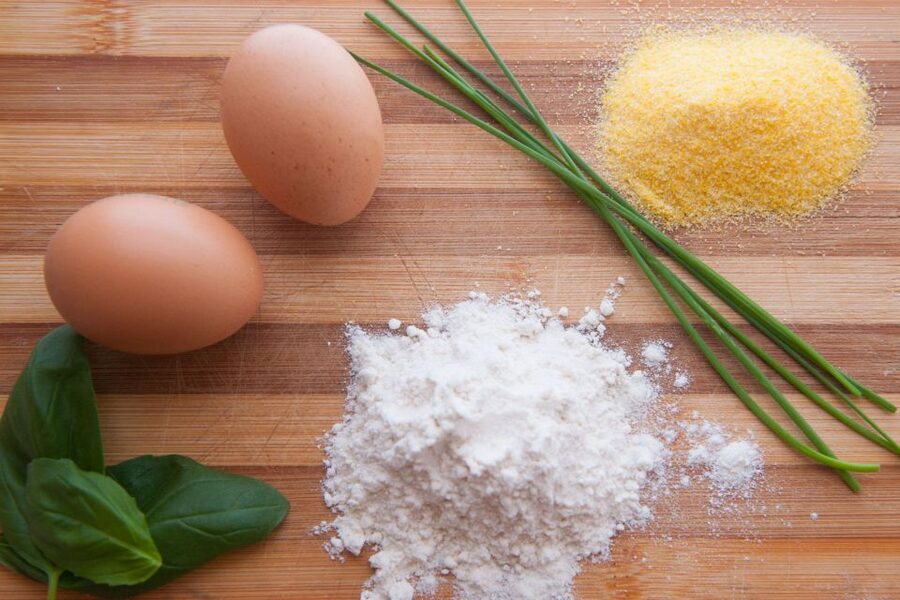
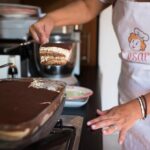
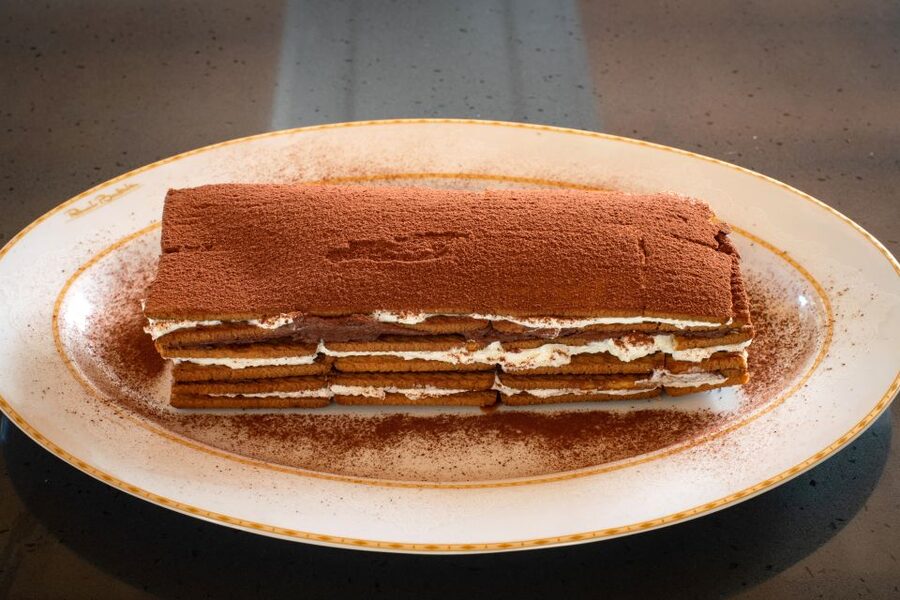
Tiramisu sounds simple, but the structure is fussy: it’s built on layering and the dessert needs time to settle into a creamy texture. That’s why I appreciate that the lesson includes tiramisu instruction as part of the full meal flow.
In one Verona session, the tiramisu was started early so it could set by the time the group ate. That’s a smart approach—because it avoids the let’s-make-dessert-at-the-end scramble where you end up with something more like a bowl of semi-set cream than a proper tiramisu.
What you’re likely learning:
- The method for assembling the layers
- How the sponge and cream interact
- How to get the timing right so it tastes like tiramisu, not just ingredients mixed together
If you’re the type who buys dessert but wants to bring one Italian classic home, this is the part that sticks with you.
Wine and the meal: eat what you made, then talk about it
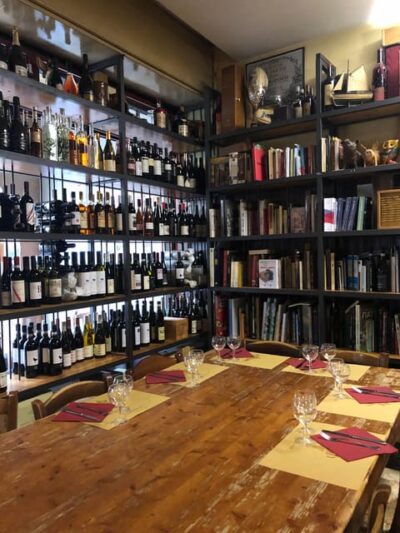
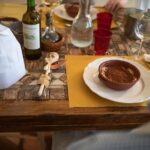
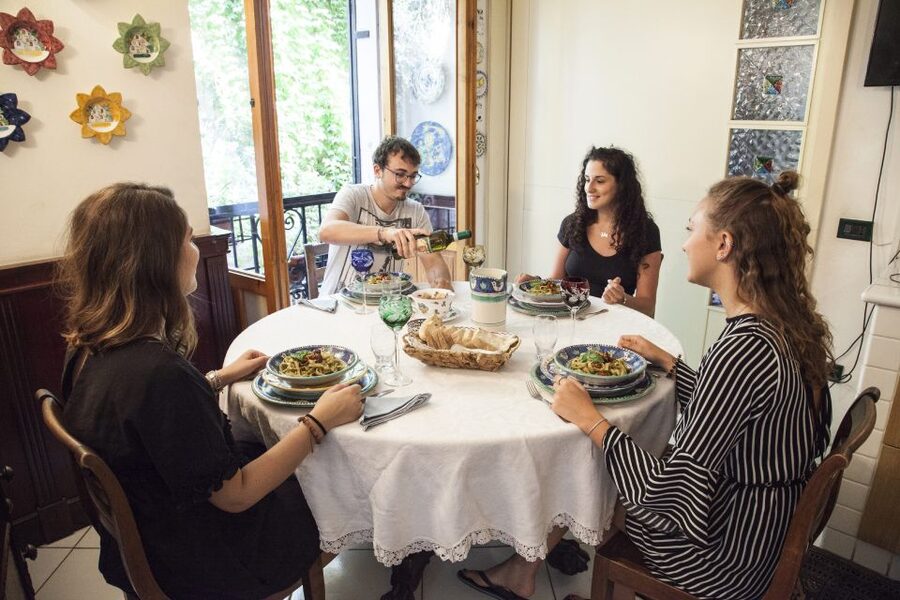
This class includes wines with your meal, plus water and coffee. Before you start cooking, you’ll also have prosecco and nibbles as an aperitivo. In other words, the drinks aren’t an afterthought—they’re part of the rhythm.
For you, that means:
- You get a break between active rolling/shaping and sitting down to taste.
- You’re more likely to remember the technique because you’ll taste the results immediately.
- The host gets to talk through the food, not rush you out.
And yes, you’ll be eating in a home setting, not a staged buffet line. The conversation matters. Hosts like Michela and Adele have been described as welcoming and involved, which is exactly what you want when you’re learning something tactile.
Price and value: is $152.93 a good deal?
At $152.93 per person, this isn’t a bargain-class. But it can still be good value if you compare what’s included and what you’re getting.
What you’re paying for:
- A small-group experience (max 12)
- Hands-on instruction for sfoglia + two pasta styles + tiramisu
- Food and drinks: prosecco aperitivo, wines with the meal, and coffee
- A home-cooked meal based on what you make, not just tastings of someone else’s work
- A Cesarina host who opens their home and teaches in Italian/English
Where the price can feel heavy: if you’re mostly after entertainment or you already feel confident making pasta at home. In that case, you might just want to sample Verona food rather than pay for instruction.
But if you want a skill you can repeat—and you want the meal component included—this price starts to make sense. You’re essentially buying a focused cooking workshop plus a full sit-down eating experience.
Who should book this cooking class (and who shouldn’t)
This works best if you:
- Want a hands-on Italian cooking lesson, not a lecture
- Like small groups and conversation-friendly experiences
- Want to learn both dough skills and a dessert classic
- Travel as a family or with friends—one host (Adele) even tailored the class so it worked for kids in the group
You should think twice if:
- You need wheelchair access. It’s listed as not suitable for wheelchair users.
- You’re looking for a quick, hands-off food tasting. This is active cooking.
Also, go with the mindset that it’s a home kitchen. That’s where the charm is—and where you should expect a normal domestic setup rather than polished restaurant ergonomics.
Quick practical tips before you go
- Dress for rolling and flour dust. Even with careful hosts, fresh pasta work gets messy.
- Bring good energy for learning. You’ll get better results when you slow down and focus on dough feel.
- Accept that the home address arrives after booking. That privacy choice is part of what keeps the experience authentic and local.
Should you book the Verona Pasta & Tiramisu Cooking Class?
If you want more than a plate of pasta—if you want the technique behind it—this is a strong choice. The combination of sfoglia rolling, two pasta styles, and a full tiramisu lesson, all served with aperitivo, wines, and coffee, makes it feel like a real Italian evening at a local table.
I’d skip it only if you have major mobility needs (it’s not wheelchair-friendly) or if you already make fresh pasta well and don’t care about technique coaching. Otherwise, book it. You’ll leave with memories you can cook, not just photos you can scroll past.
FAQ
How many people are in the cooking class?
It’s a small-group class with a maximum of 12 people.
How long is the experience?
The class lasts about 3 hours (you can check availability to see the starting times).
What will I learn to cook?
You’ll learn how to roll sfoglia fresh pasta by hand, make two iconic pasta types, and prepare the iconic tiramisu.
What drinks and meal items are included?
You’ll have prosecco and nibbles as an aperitivo, plus water, wines, and coffee. You’ll also taste what you make: the two pastas and the tiramisu.
Will I know the exact home address before booking?
For privacy, you only receive the full address of your host after you book.
Is it wheelchair accessible?
No. The experience is listed as not suitable for wheelchair users.