REVIEW · VERONA
Verona: Pasta and Tiramisu Cooking Class with Fine Wine
Book on GetYourGuide →Operated by The Roman Food Tour · Bookable on GetYourGuide
Cooking in Verona beats watching. It’s a hands-on pasta and tiramisu class in a popular central restaurant, with a Prosecco welcome and wine at the table. I like that the teaching is practical, not just a lecture, so you leave knowing what to actually do with your hands.
My other favorite part is that you sit down together and eat what you made, with a glass of wine that fits the meal. A heads-up: the class is built around the traditional recipe, so it’s not a good fit if you need guaranteed gluten-free or dairy-free results, and cross-contamination can’t be fully prevented.
In This Review
- Key highlights at a glance
- Why this Verona class is a smart break from sightseeing
- Prosecco to aprons: what the 3 hours feels like
- Fresh pasta dough: the lesson that actually makes a difference
- Tiramisu basics: building the dessert with confidence
- Wine, lunch or dinner, and the satisfaction of eating what you made
- Price and value: is $35 a fair deal?
- Dietary needs and allergies: what you should verify before booking
- Who should do this class, and who might prefer something else
- Should you book the Verona pasta and tiramisu cooking class?
- FAQ
- What’s included in the cooking class?
- How long is the Verona pasta and tiramisu class?
- What language is the instructor teaching in?
- Is the class suitable for vegans or people with lactose intolerance?
- Can they accommodate allergies?
- Do I need hotel pickup?
Key highlights at a glance
- Prosecco on arrival, then right into the real restaurant setting
- Fresh pasta dough coaching, including flour choice and how pasta fresca differs from pasta secca
- Tiramisu step-by-step, so you’re not just assembling dessert you’ve never made
- Wine with lunch or dinner, plus a laid-back, social vibe while you cook
- Clear English instruction from your host/instructor (Elodie is one name you may hear)
Why this Verona class is a smart break from sightseeing
Verona can be a lot of stone and statues. This experience flips the switch. Instead of walking past another façade, you’re working at a table, learning technique, tasting as you go, and then eating your results. It’s a dinner plan that turns into a skill you can reuse later.
The food here is also the right kind of Verona souvenir. You’ll focus on fresh pasta and tiramisu, two dishes that make Italian cooking feel both doable and impressive. And because the teaching happens inside a working restaurant, you get the feel of how an Italian meal is paced and served, not just how to copy a recipe at home.
One more reason I like it for a short trip: you only need a 3-hour window. That’s long enough to learn, cook, and enjoy lunch or dinner, but short enough to keep your evening flexible after.
You can also read our reviews of more tours and experiences in Verona.


Prosecco to aprons: what the 3 hours feels like
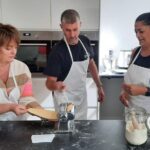
This is a straightforward, guest-friendly format. You meet up, step inside, and get a welcome glass of Prosecco. From there, you move into the kitchen area and get set up at your workstation.
The session keeps a good rhythm:
- You start with context and then jump into making the dough.
- After the pasta part is underway, you shift to tiramisu.
- At the end, you sit down together for lunch or dinner with wine.
Even if you’re not a confident cook, the flow matters. There’s no scrambling to figure out when things happen or what tool comes next. The best part is the step-by-step guidance, especially for the pasta dough, where a small mistake can throw off the texture.
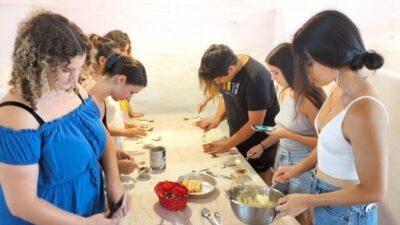
Also, it’s designed for conversation. Several people highlight how relaxed and fun the class feels, not stiff or overly formal. If you’re traveling as a couple, it’s also a nice way to meet other people without the pressure of a full-day group tour.
Fresh pasta dough: the lesson that actually makes a difference
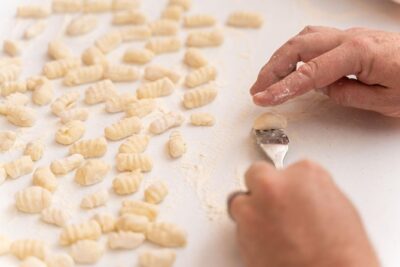
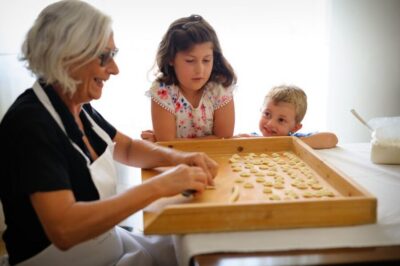
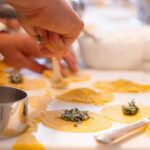
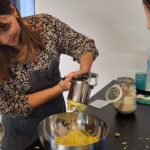
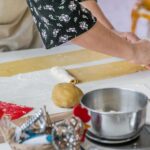
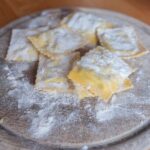
The pasta segment is where the class earns its value. You’re not just told that fresh pasta is “special.” You’re taught how to make pasta dough so it behaves the way it should.
You’ll get guidance on:
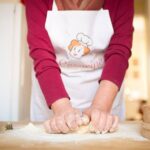
- how to work the dough until it reaches the right feel
- what type of flour to use
- the difference between pasta fresca and pasta secca
- how that choice affects cooking and texture
Here’s why that matters to you. Fresh pasta can be frustrating if you only follow a recipe. Technique is the real shortcut. Knowing what the dough should feel like and how to handle it makes the dish repeatable at home.
In practical terms, the class helps you understand the chain: flour choice and mixing lead to texture; texture affects rolling; rolling affects how the pasta cooks. Once you’ve seen that cause-and-effect in real time, you stop treating pasta-making like magic.
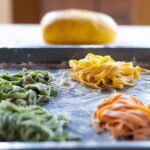
If you’ve ever bought dried pasta and wondered why fresh pasta tastes different, this is the part that explains it. Pasta secca is built for storage and consistent cooking over time. Pasta fresca is meant to be used soon, and it typically gives you a softer, more delicate bite—exactly why it pairs so well with simple sauces and wine.
Tiramisu basics: building the dessert with confidence
Then you move to tiramisu, the other star of the class. This section is great if you like desserts but don’t want to rely on store-bought shortcuts.
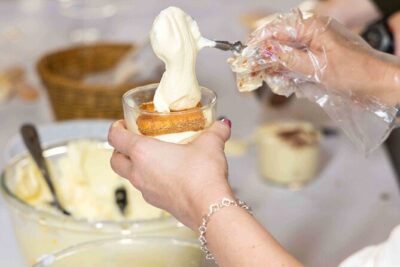
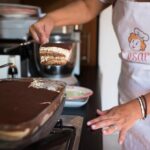
You’ll get step-by-step instruction for making the tiramisu in the classroom. You’ll also be tasting and learning as you go, so you can calibrate what “right” feels like. The goal isn’t just to have a dessert by the end. It’s to understand how the components come together.
Tiramisu is one of those Italian desserts where people often assume it’s complicated. The reality is that it’s technique and timing more than anything else. If you’ve ever had tiramisu that tasted too heavy, or too wet, this class format helps you see where that difference happens—during the mixing and during the way it’s assembled.
And since you’ll sample what you make, you get immediate feedback. That’s a big deal. Cooking classes that end with a box of food don’t help you learn. Here, you eat your result with the group, in the right order, while everything is still at its best.
Wine, lunch or dinner, and the satisfaction of eating what you made
One of the clearest perks is the drink plan. You get:
- a welcome glass of Prosecco
- two glasses of wine with your meal
- lunch or dinner included
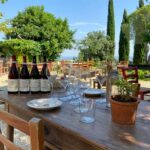
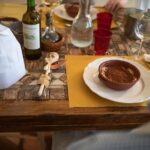
This isn’t just a free drink moment. It changes the whole pacing. With wine in hand, you settle in, share what you’re doing, and enjoy the experience like an actual Italian dining night, not a rushed activity.
After cooking, you’ll sit down together and eat what you prepared. That’s the part that makes the class feel worth it. You’re not just paying for the lesson. You’re paying for the full arc: learn, produce, taste, and relax.
Some people also mention a fun extra at the end of the meal. If something like that is offered on your date, take it. It’s the kind of small hospitality detail that turns a good class into a memorable one.
Price and value: is $35 a fair deal?
At around $35 per person for a 3-hour class, it’s one of the more budget-friendly ways to do a hands-on food experience in Verona. The math gets stronger when you factor in what’s included:
- Prosecco at arrival
- a cooking class for both pasta and tiramisu
- lunch or dinner
- two glasses of wine
If you tried to recreate this on your own, you’d pay for ingredients, time, and (most importantly) instruction. Pasta and tiramisu don’t look “hard,” but they’re sensitive to texture and timing. A trained host saves you from wasted batches and gives you the cues you need.
In other words, you’re not just buying food. You’re buying guidance, plus a meal.
Dietary needs and allergies: what you should verify before booking
This is the one area where you should be extra careful.
The class uses a traditional recipe focus. That means instructions are centered on ingredients that include gluten, dairy, and eggs. Substitutes may be offered for allergies or preferences, but the operator also notes you can’t count on zero cross-contamination.
The info also lists some clear non-fit cases:
- People with gluten intolerance
- People with lactose intolerance
- Vegans
- Children under 3 years
At the same time, the activity description says dietary options like vegetarian and vegan may be available, plus “other diets supported.” Since there’s a mismatch in the details, don’t guess. Contact the provider before you book and ask what they can do for your specific restriction.
If you’re vegetarian, that’s the safest bet based on what’s listed. If you’re dealing with stronger food-medical requirements, I’d treat this class as a “check first” experience rather than a sure thing.
Who should do this class, and who might prefer something else
This class is a great fit if you:
- want a real cooking skill, not just a tasting tour
- like Italian food and want the “how” behind it
- enjoy social, relaxed evenings (you’ll work together and then eat as a group)
- want a Verona activity that feels local and practical
It’s less ideal if you:
- need guaranteed allergy-safe cooking (especially gluten or dairy concerns)
- are vegan or lactose intolerant, since the class flags these as not suitable
- are traveling with very young kids
Also, if you’re the kind of traveler who hates set meeting points, note that the meeting point can vary by option. There’s no hotel pickup and drop-off included, so you’ll want to be comfortable getting to the meeting spot on your own.
Should you book the Verona pasta and tiramisu cooking class?
Yes, if your main goal is a hands-on food experience in Verona with a built-in meal and wine. For $35 and a 3-hour window, it’s strong value, especially because the teaching covers both fresh pasta technique and tiramisu assembly, and you actually eat what you make.
Before you book, do two quick checks:
- Confirm how the traditional recipe fits your dietary needs and whether substitutions are practical for you.
- Make sure you’re okay with the meeting point being fixed to a location you reach yourself (no pickup).
If those boxes work for you, this is exactly the kind of activity that turns your Verona trip into more than photographs. You’ll leave with dinner, new know-how, and the kind of confidence that makes cooking Italian at home feel possible.
FAQ
What’s included in the cooking class?
You get a welcome glass of Prosecco, the pasta and tiramisu cooking class, lunch or dinner, and two glasses of wine.
How long is the Verona pasta and tiramisu class?
The duration is 3 hours.
What language is the instructor teaching in?
The instructor provides the class in English.
Is the class suitable for vegans or people with lactose intolerance?
The information says it is not suitable for vegans and for people with lactose intolerance. The provider also notes that substitutions may be offered, but traditional recipes include gluten, dairy, and eggs.
Can they accommodate allergies?
They offer substitutes for allergies or food preferences, but the instructions always focus on the traditional recipe and they cannot guarantee 100% free of cross contamination. Be sure to inform them of all allergies and restrictions when booking.
Do I need hotel pickup?
No. Hotel pickup and drop-off are not included, and the meeting point may vary depending on the option booked.