REVIEW · ROME
Pasta Cooking Class in Rome – Fettuccine Class in Piazza Navona
Book on Viator →Operated by Eatalian Cooks · Bookable on Viator
Fresh pasta on Piazza Navona works magic. This Rome pasta class pairs hands-on fettuccine making with a meal and drinks in front of the fountains. You get small-group attention in English, plus that satisfying moment when you eat what you just rolled.
I particularly like how the instruction is built for actually doing the steps, not just watching. And I like the payoff: you finish with a real fettuccine plate, not a sad snack and a pat on the head.
One big consideration: there’s no gluten-free option, and the pasta uses eggs, so it’s not a fit for everyone.
In This Review
- Key highlights that matter before you book
- Piazza Navona makes this fettuccine class feel like more than cooking
- The 2-hour flow: what happens after you meet near Piazza Navona
- What you actually make: fresh fettuccine in a small workshop
- Sauce and the meal: you choose, the kitchen finishes
- Why the views and the setting are worth the price alone
- Price and value: $67.72 for skills, food, and drinks
- Who should book this fettuccine class (and who should skip it)
- Logistics that help you avoid stress: timing, language, and what to bring
- How you can recreate your fettuccine at home
- Should you book the Pasta Cooking Class in Piazza Navona?
- FAQ
- Is the class offered in English?
- How long is the pasta cooking class?
- Where do I meet for the class?
- Is there a mobile ticket?
- What food and drinks are included?
- Can I choose a sauce for the fettuccine?
- Is there a gluten-free option?
- Is it suitable for vegans or people with mobility issues?
Key highlights that matter before you book
- Piazza Navona location: you eat with views over the Renaissance fountains.
- Small group cap (max 15): you’re less likely to get lost in the crowd.
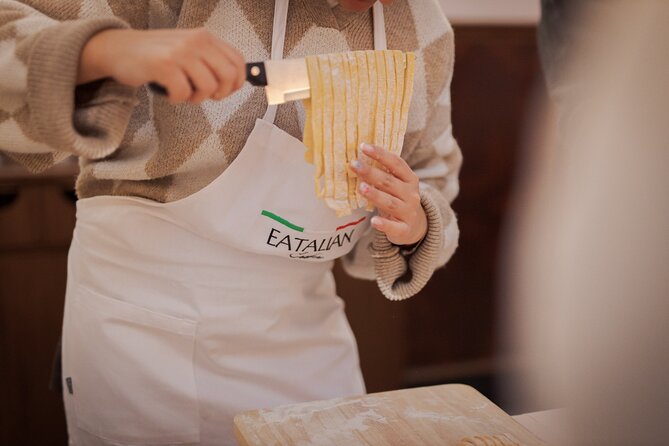
- Fettuccine from scratch: you learn the dough and rolling rhythm, then you eat the results.
- Included meal extras: bruschetta starter plus drinks (wine or beer) as part of the experience.
- Sauce choice from traditional options: you select, then the restaurant kitchen prepares and serves it.
Piazza Navona makes this fettuccine class feel like more than cooking
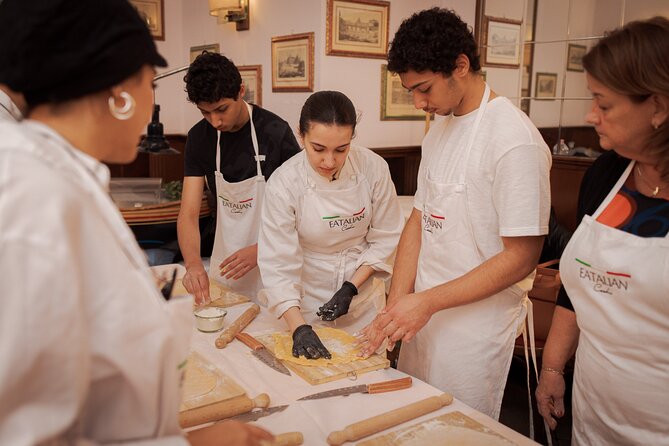
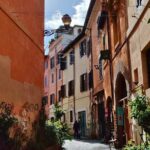
Rome has a million food stops. This class adds something different: you don’t just taste pasta in Rome, you make pasta in Rome—right on Piazza Navona, in a setting with prime people-watching.
The meeting point is TucciPiazza Navona, 94, and the whole experience ends back at the same place. That matters. With a 2-hour time window, you want minimal friction getting in and out, and this one is positioned so you can tack it onto a walking loop of the area.
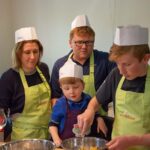
Also, the group stays intentionally small. The cap is 15 travelers, and that’s a real deal here because pasta-making depends on watching technique up close. If you’ve ever tried rolling dough at home, you know a tiny thickness mistake can ruin the whole thing.
You can also read our reviews of more tours and experiences in Rome.
The 2-hour flow: what happens after you meet near Piazza Navona
The experience runs about 2 hours. The route overview lists major sights (Trevi Fountain, Campo de’ Fiori, Castel Sant’Angelo, Vatican City, Piazza Venezia), which sounds like a lot for such a short class. Here’s how to interpret it practically: treat it as a quick, time-efficient look at the sights along the way, not a full-blown tour with long stays at each stop.
What you can count on is the core structure:
1) You meet near Piazza Navona and get set up.
2) You learn and make the fettuccine dough and shapes.
3) While your pasta is finishing, you get seated in the restaurant with a view.
4) You eat what you made, with a starter and drinks.
5) You wrap up and return to the meeting point.
That rhythm is exactly what makes this a good choice for limited-time trips. You get both Rome atmosphere and a hands-on skill.
What you actually make: fresh fettuccine in a small workshop
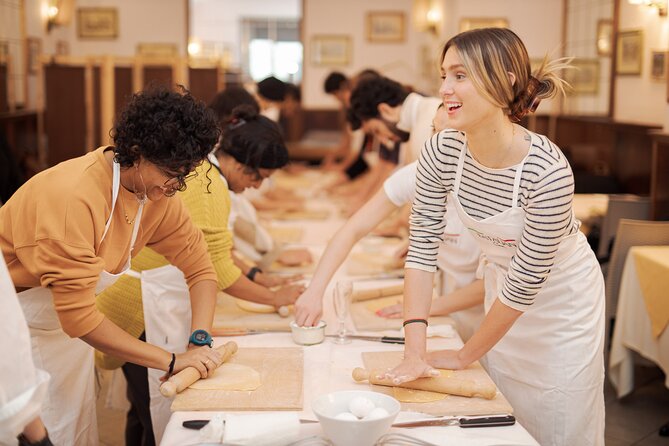
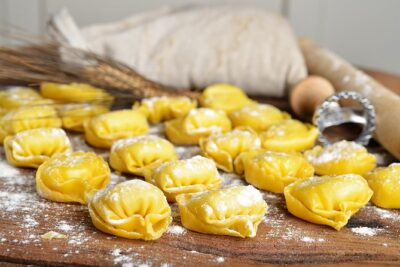
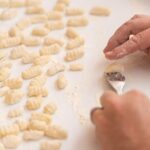
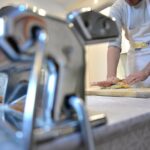
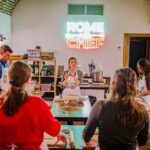
This is a fettuccine-making workshop, not a pasta-and-dessert stunt. The class centers on creating raw fettuccine together—dough to rolled pasta.
Here’s what’s useful to know if you care about bringing the technique home: when the class is genuinely focused on pasta-making, the teaching tends to emphasize the parts that control texture—how the dough comes together, how you roll, and how you handle thickness. The included guidance is meant to help you recreate the method later, not just make one plate.
The instructors’ style also gets praise, with names like Sarah, Simone, Georgia, and Enea showing up as standouts in the teaching roles. Even if the specific chef you get isn’t one of those, the strong pattern is clear: the class is designed to be approachable, with explanations that stick and help you keep moving step-by-step.
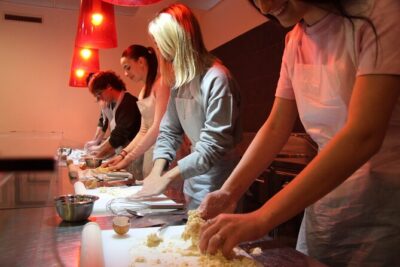
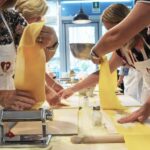
One more practical note: you’ll be working alongside a group at a restaurant setup with your own equipment. That keeps things active, and it reduces the passive sitting that makes some food classes feel like a lecture.
Sauce and the meal: you choose, the kitchen finishes
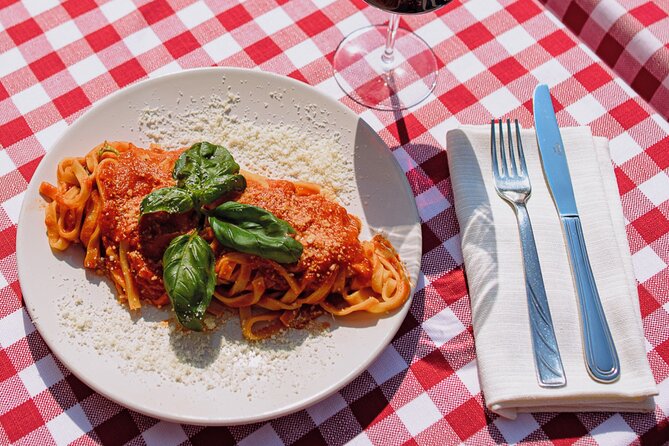
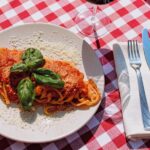
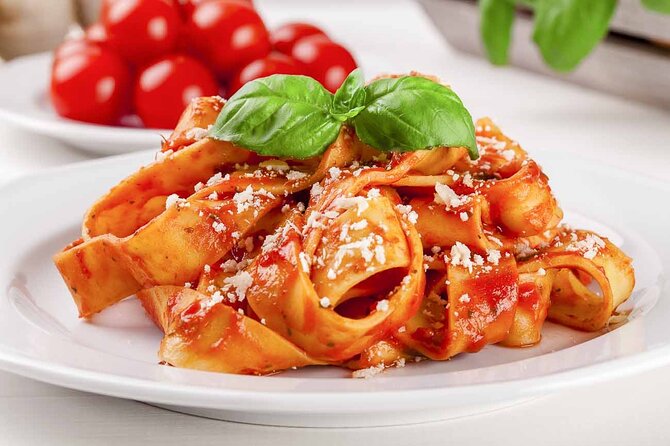
After you make your fettuccine, you’ll pick a sauce from traditional Italian options. The restaurant kitchen then prepares it and serves it for you. That’s important for your expectations.
If you’re hoping you’ll craft the sauce from scratch while the dough is rolling, this won’t match that. The value here is that you focus on learning the pasta itself, then you still get a proper Italian plate without feeling rushed.
Your starter is bruschetta with tomatoes. Drinks are included too—bottled water, soft drinks, and alcoholic beverages—and you’re also served a glass of either wine or beer as part of the meal experience. After the meal, there’s coffee or limoncello included.
The overall effect is smart: you get a guided pasta lesson, then you get a complete Roman dinner moment without needing to find a restaurant afterward. You’re not juggling a reservation and travel while the pasta cools down.
Why the views and the setting are worth the price alone
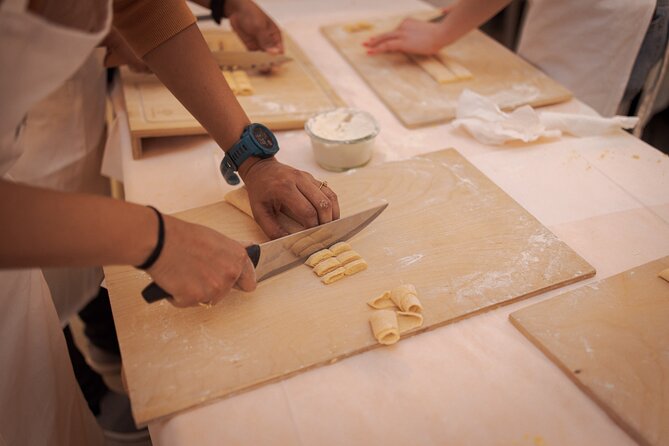
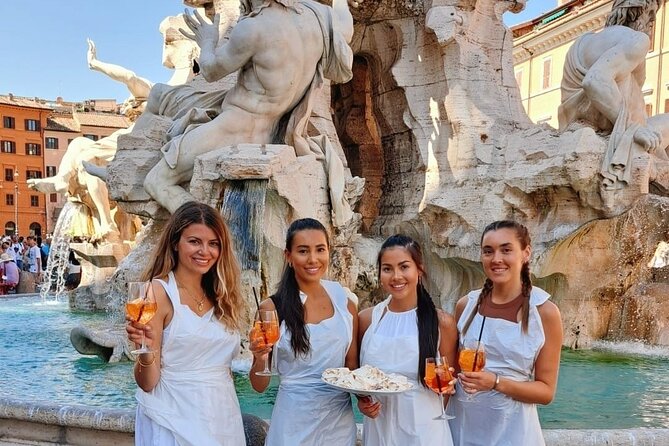
A big chunk of the appeal is where you wait and eat. The restaurant setting looks out over Piazza Navona, including the Renaissance fountains. That means your class doesn’t feel like you’re stuck in a kitchen corner for two hours. You make pasta, then you sit down and actually enjoy Rome while the meal comes together.
This also makes the timing work well for families. Kids (and many adults) get restless in long sightseeing blocks. A hands-on activity gives them a job to do, then the view gives everyone something to watch while you wait for your plate.
If you’re traveling with a mix of ages, this is the kind of activity that can reset everyone. It’s fun, not overly technical, and it gets people talking because everyone’s rolling dough at the same time.
Price and value: $67.72 for skills, food, and drinks
At $67.72 per person for about two hours, it’s not the cheapest activity in Rome. But it also isn’t just a tasting. You’re paying for:
- hands-on fettuccine-making instruction,
- a small-group setup (max 15),
- bruschetta starter,
- drinks (including wine or beer as served),
- your finished pasta meal,
- and coffee or limoncello after.
If you’re someone who likes learning a technique you can repeat, that’s where the money makes sense. Pasta dough and rolling aren’t hard once you see the steps, but they’re easy to mess up if you’re guessing at home. This class gives you a shortcut through the learning curve.
Still, I’d be clear with yourself about what it is and isn’t. It’s not a free-flow party, and it’s not a pasta-and-dessert experience. One low-star complaint in the dataset comes from the mismatch between what someone expected (more course variety and more unlimited-drink vibe) versus the actual pasta-focused structure. So pick this class if you want the pasta skill.
Who should book this fettuccine class (and who should skip it)
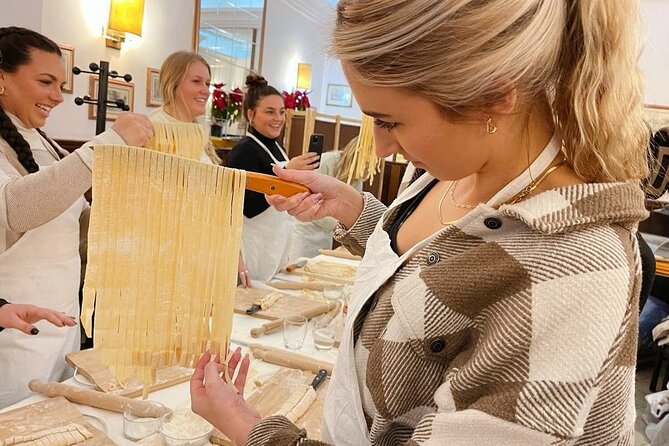
This class is best for people who want a fun, approachable Rome food activity with a tangible result.
You’ll likely enjoy it if you:
- like hands-on cooking,
- want a small-group experience with real attention,
- enjoy Roman sightseeing and want it paired with a meal,
- are traveling as a family or in a friend group that wants one easy “everyone can do it” activity.
But it’s not for everyone.
Avoid or think twice if you:
- need a gluten-free option (none is offered),
- are vegan (eggs are in the pasta, so it’s not recommended for vegans),
- have lactose or nut allergies and are specifically hoping for pesto with your pasta (the guidance says not to ask for pesto if you have lactose or nut allergies),
- have mobility issues (it’s not recommended).
If you’re gluten-free or vegan, you’d be better off looking for a specialized class that explicitly supports your diet.
Logistics that help you avoid stress: timing, language, and what to bring
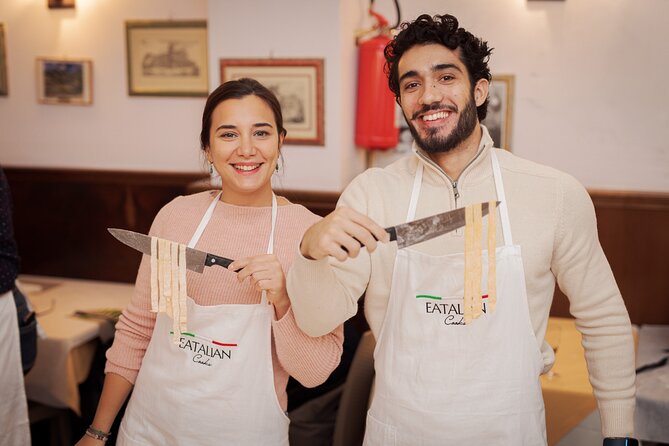
The class is offered in English. You’ll receive confirmation at booking, and there’s a mobile ticket.
It’s near public transportation, which helps because Rome can be a walking marathon. With a short, 2-hour schedule, you want to arrive relaxed, not sprinting through cobblestones.
What to bring:
- wear comfortable shoes (you’ll be on a busy square area and likely walking a bit),
- plan on a practical mindset: your hands and work surfaces matter for pasta texture,
- if you have allergies, double-check sauce selection and communicate clearly at booking time.
Even the class size (max 15) can feel tight if you’re wearing bulky layers. Light, easy clothing is a good move.
How you can recreate your fettuccine at home
The best part of a pasta class is not the meal. It’s the confidence you get to try again.
Here’s the practical takeaway I’d use from any solid fettuccine workshop: pasta is mostly about consistency. Once you learn what the dough should feel like and how thick to roll it, you can repeat the method with fewer surprises.
When you get home:
- focus on dough texture first,
- roll evenly,
- and remember that your pasta cooks fast. Fresh fettuccine has a shorter window than dried pasta.
Because the class is built specifically around fresh pasta-making, you should leave with enough confidence to attempt it again in your own kitchen—without feeling like you need a special gadget store.
Should you book the Pasta Cooking Class in Piazza Navona?
Book it if you want a compact Rome experience that mixes hands-on fettuccine, a beautiful setting, and a real sit-down meal with drinks—all in about two hours.
Skip it if your top goal is variety beyond fresh pasta (like dessert), if you need gluten-free options, or if you’re vegan or have mobility constraints.
If you’re deciding between a food tour and a cooking class, this one is a strong pick when you want to leave with both a memory and a technique you can use back home.
FAQ
Is the class offered in English?
Yes. The experience is offered in English.
How long is the pasta cooking class?
It runs about 2 hours.
Where do I meet for the class?
The meeting point is TucciPiazza Navona, 94, 00186 Roma RM, Italy.
Is there a mobile ticket?
Yes, it uses a mobile ticket.
What food and drinks are included?
You get bruschetta with tomatoes as a starter, drinks including bottled water and soft drinks, and alcoholic beverages are included. You’re also served a glass of wine or beer. Coffee or limoncello is included after the meal.
Can I choose a sauce for the fettuccine?
Yes. You can choose a sauce from traditional Italian options, and the restaurant kitchen prepares and serves it.
Is there a gluten-free option?
No. There is no gluten-free option.
Is it suitable for vegans or people with mobility issues?
It is not recommended for vegans because eggs are used in the pasta. It is also not recommended for those with mobility issues.