REVIEW · ROME
Cesarine: Small group Pasta & Tiramisu class in Rome
Book on Viator →Operated by Cesarine: Cooking Class · Bookable on Viator
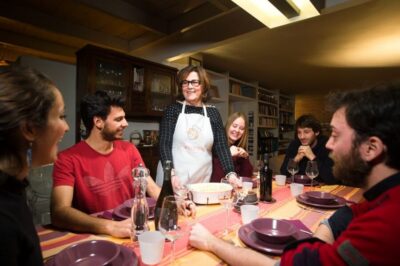
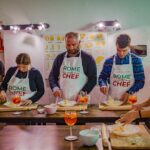
Rome tastes different when you cook it. This Cesarine class puts you in a real Roman home, not a demo kitchen, and keeps things friendly with a small group vibe. You’ll also be working with a local Italian host who guides you step by step.
I love the hands-on focus: you’ll make fresh pasta and also tackle a filled pasta style, so you’re not just watching. I also love that the finale isn’t only food, it’s the whole sit-down moment: tiramisu plus drinks like wine, coffee, and even bubbles with your meal. You leave with recipes you can actually repeat, not just photos.
One consideration: the class runs with current sanitary rules and a 1 meter distance expectation, so the pace can feel a bit more structured than a normal cooking night. And depending on your session, you may see a few pasta shapes offered (like fettuccine or rigatoni or bucatini or gnocchi), so if you have a strong preference, plan to ask what’s on the day.
In This Review
- Key things that make this class work well
- Cooking in a Roman home: the real advantage
- What you actually make: fresh pasta, filled pasta, tiramisu
- Fresh pasta course: choose-your-shape kind of moment
- Filled pasta: learning the next level
- Tiramisu: the iconic finish you’ll actually want to repeat
- Timing: choosing lunch or dinner without throwing off your day
- Drinks included: turning a class into a proper meal
- Group size realities: small class, calm energy
- Safety and distance rules inside someone’s home
- Where you meet and how it ends
- How much it costs (and why it’s fair)
- Who should book this class?
- What to focus on while you’re cooking
- Should you book Cesarine’s Pasta & Tiramisu class?
- FAQ
- How long is the Cesarine Pasta & Tiramisu class?
- Where does the class take place?
- Is the class offered in English?
- What do I learn to cook?
- What pasta types might I make?
- Is lunch or dinner included?
- Are drinks included?
- How large is the group?
- What about cleanliness and distance during the class?
- What is the cancellation policy?
Key things that make this class work well
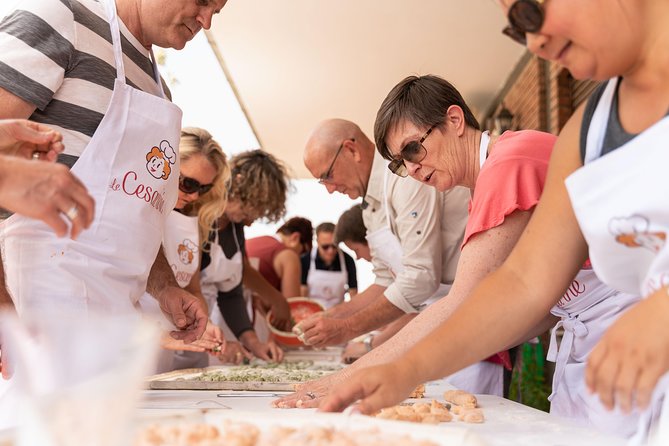
- A host welcomes you at home: you cook in a carefully chosen residence with an Italian home cook guiding the process.
- You make multiple dishes: fresh pasta, filled pasta, and tiramisu are part of the same 3-hour experience.
- True small-group instruction: described as a group of up to 12, even though the overall activity has a max of 20 people.
- Food and drinks are part of the package: water, wines, coffee, and bubbles are included with lunch or dinner.
- Good for a day-plan in Rome: you can usually fit it as lunch or dinner to keep your sightseeing schedule sane.
- Sanitary steps are built in: homes provide hand-sanitizing supplies and paper towels, plus you follow the 1 meter rule.
Cooking in a Roman home: the real advantage
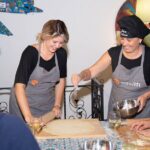
Rome has plenty of cooking shows where you taste something at the end. This experience flips that. You’re learning in a home kitchen, with a host who treats the group like people they’re feeding and teaching at the same time.
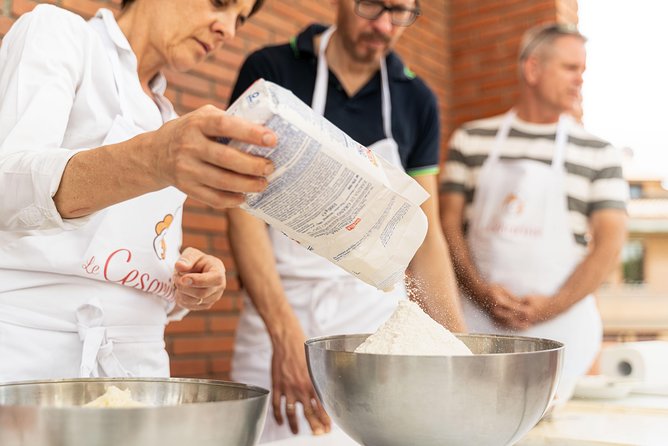
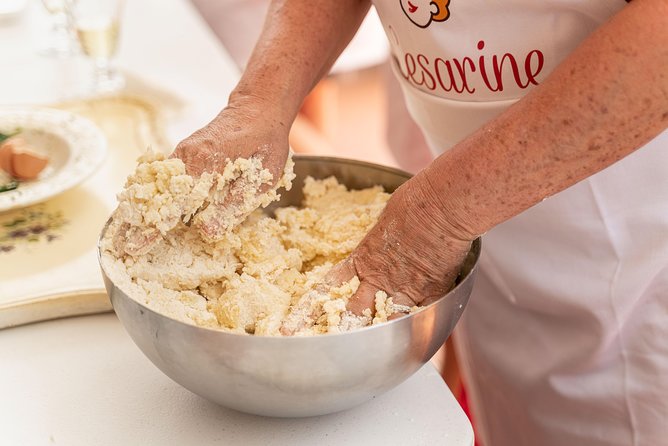
I like that setup because it changes your brain. You stop thinking of pasta as a museum item and start thinking of it as something made by hands, with judgment calls. When you’re rolling dough and shaping pasta, you notice details that you’d never catch from a plate alone.
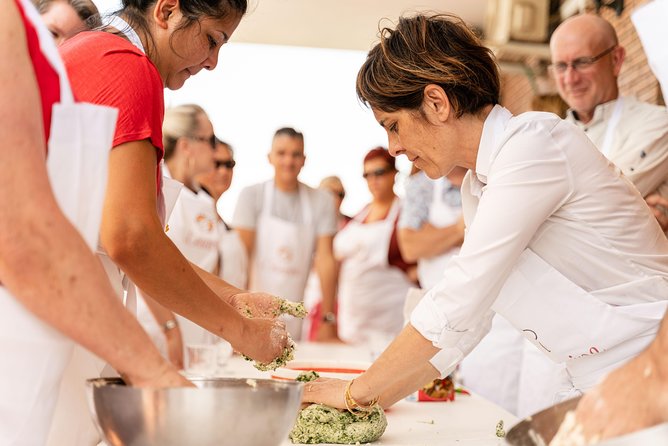
There’s also a social comfort factor. With the class keeping group size tight, you’re more likely to get real help when something sticks, tears, or refuses to cooperate. Pasta dough has opinions. A big group can feel chaotic. A smaller group makes it fixable.
You can also read our reviews of more tours and experiences in Rome.
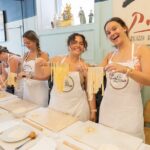
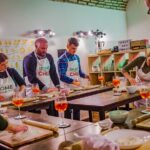
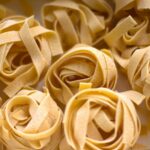
What you actually make: fresh pasta, filled pasta, tiramisu
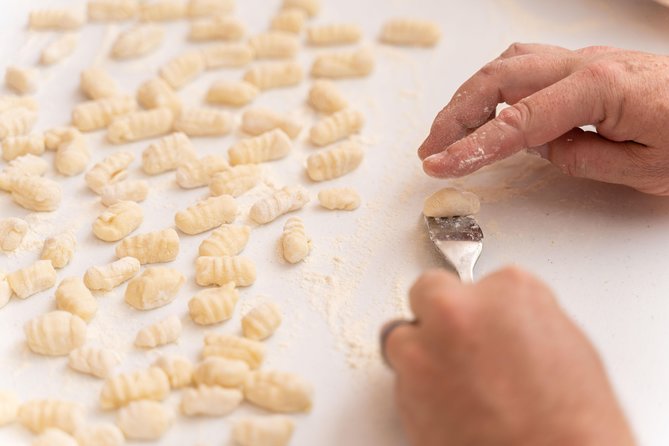
This is a three-dish class, and that matters for value. In about three hours, you’ll go from raw ingredients to a proper meal you can eat at the table.
Fresh pasta course: choose-your-shape kind of moment
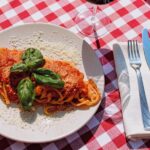
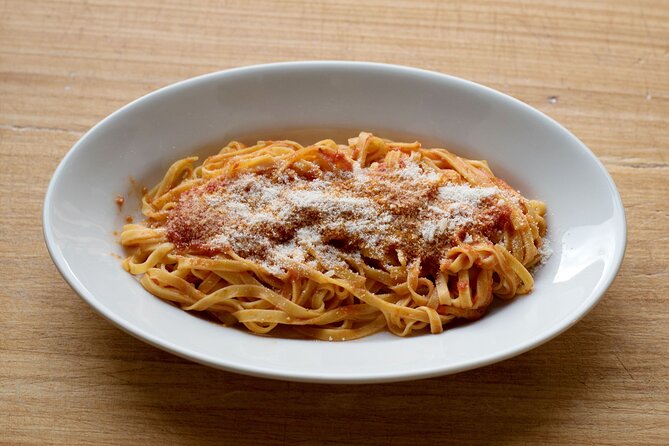
The class includes fresh pasta, and the pasta format can vary. You may be taught options like fettuccine, rigatoni, bucatini, or gnocchi. That variety is useful for you because it gives you a sense of technique, not just one trick.
Here’s the practical takeaway: once you learn how the dough should feel and how to handle it, the specific shape becomes learnable. You’re not stuck replaying the same format forever. You’re building a base skill.
Filled pasta: learning the next level
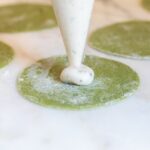
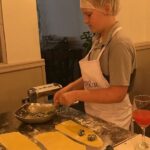
On top of fresh pasta, you also prepare a filled pasta. One of the standout examples from the experience is ravioli, which gives you a classic pathway: you learn portioning, sealing, and the gentle discipline that keeps fillings where they belong.
If you’ve ever been intimidated by filled pasta, the key is that you’re doing it with an Italian home cook showing you the exact rhythm. You’re not guessing. You’re copying movements until they make sense.
Tiramisu: the iconic finish you’ll actually want to repeat
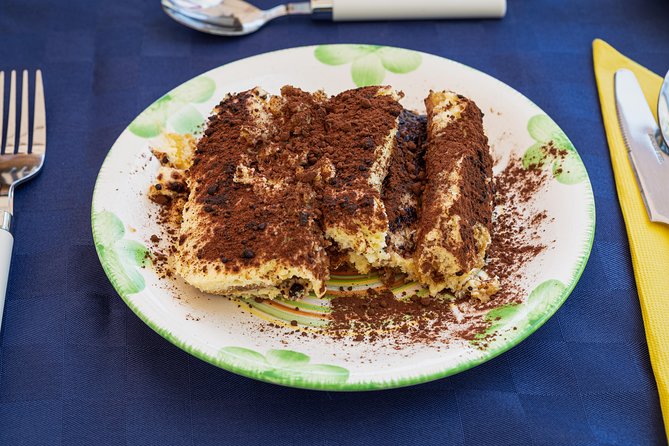
Then comes tiramisu, the dessert everyone recognizes and a lot of people mess up in their own kitchens. The class version gives you the method and the logic—how you assemble, how you handle layers, and how you get that satisfying balance between softness and structure.
Tiramisu is also a great class ending because it’s forgiving. Even if your first attempt isn’t perfect, you’ll still understand what makes it work, and that’s what you’ll use the next time you make it.

Timing: choosing lunch or dinner without throwing off your day
You can select a lunch or dinner option, and that’s more than a scheduling detail. Rome sightseeing can be intense. If you do a cooking class too early or too late, your whole day gets warped.
A midday class can be a lifesaver if you want a break from walking and a guaranteed meal on schedule. An evening class can work well if you want a slow, food-centered finish while the city cools down.
Either way, the experience is listed at about 3 hours, so it doesn’t swallow your entire afternoon or night. It’s the kind of commitment that still leaves you time to enjoy Rome before or after.
Drinks included: turning a class into a proper meal
This isn’t just samples. The package includes water, wines, coffee, and bubbles, and those show up as part of what you eat with your pasta and dessert.
That inclusion makes a difference in two ways:
First, it turns the meal into a real Roman-style pause. You sit down, you eat what you made, and you get to taste as you go. Cooking classes that skip the full meal can feel like a workshop that happens to include food at the end. This one keeps the food central.
Second, it helps the evening feel complete. If you book lunch, you’ll still get coffee and wine. If you book dinner, the bubbles make the whole thing feel celebratory without needing extra plans.
Group size realities: small class, calm energy
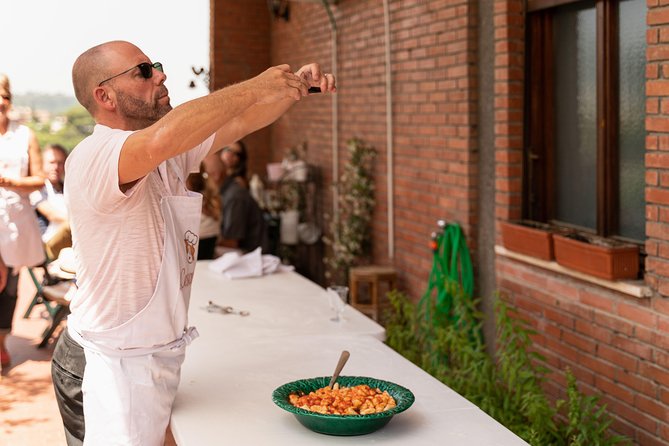
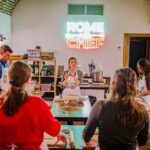
The class is described as a maximum group of 12, which is the ideal size for cooking instruction. You can see what your hands are doing, and you’re not waiting forever for help.
At the same time, the activity listing notes a maximum of 20 travelers. That doesn’t automatically mean chaos, because it can just mean the operator runs multiple small classes at once. The important thing for you is that the cooking group itself is kept small.
I’d choose this class specifically because it sounds like it avoids the big-batch vibe. In a kitchen, big batches mean you stand around more. Small batches mean you practice more.
Safety and distance rules inside someone’s home
You’re cooking in a private house, and that comes with a setup that’s different from a restaurant. The experience explicitly mentions sanitary rules, including 1 meter distance expectations and masks and gloves if you can’t keep that distance.
The homes also provide essential hygiene items like paper towels for handwashing and hand sanitizing gel. If you’re the kind of person who likes to know what to expect, this helps. You don’t have to hunt down basics like soap and sanitizer before you even start.
One note on mindset: go in expecting a more careful flow than a casual pasta party. That doesn’t spoil the experience; it just changes the tempo.
Where you meet and how it ends
The class starts in Rome and ends back at the same meeting point. It’s also listed as near public transportation, which matters in Rome because getting stuck in the wrong neighborhood walk can ruin your schedule.
The practical win here is predictability. You don’t have to wonder how to get back across town once you’re done eating. You finish where you started.
You’ll also use a mobile ticket, so you’ll want your phone charged and ready. It’s one less thing to fumble with while everyone else is lining up.
How much it costs (and why it’s fair)
The price is $105.28 per person for about 3 hours, in English, and it includes food and drinks. In Rome, that pricing sits in the middle range for cooking classes, but the value comes from what’s included.
You’re paying for:
- Instruction in a real home kitchen
- Multiple dishes made by you (not just one pasta)
- Ingredients and a proper meal sitting down
- Drinks like wine, coffee, and bubbles
If you’ve ever bought a cooking class ticket that only covers the teaching and then left hungry, this feels more like a complete evening. You’re not just learning; you’re eating what you made, with extras that would cost money on their own.
Who should book this class?
I think this class is a good fit if you:
- Want a hands-on Rome experience that goes beyond sightseeing photos
- Enjoy Italian food enough to want to learn the method, not just taste
- Prefer small groups and more direct help
- Like the idea of learning fresh pasta plus filled pasta in one session
- Want a lunch or dinner plan that comes with drinks and a real sit-down meal
It may not be the best match if you hate structured rules or you prefer very casual, low-guidance experiences. The sanitary expectations mean you should be comfortable following a bit of protocol.
What to focus on while you’re cooking
You can make this class even better by using it like a mini training session. Instead of trying to memorize every step, focus on the signals.
Pay attention to:
- How the dough texture changes as you work it
- How the filled pasta sealing looks before it’s cooked
- How the tiramisu assembly changes as the layers set
Ask questions when you’re unsure. The host’s job is to help you troubleshoot, not just to talk. If your hands feel awkward at first, that’s normal. Pasta skills show up with repetition, not confidence.
Also, taste along the way. The included drinks and meal are part of the point. Rome is not a test. It’s a meal.
Should you book Cesarine’s Pasta & Tiramisu class?
If you want an authentic Roman food experience with real instruction, I’d say yes. The combination of small-group cooking, a true home setting, and a meal that includes wine and coffee makes it feel like more than a ticket. You come away with practical pasta skills and the kind of tiramisu knowledge you’ll use again.
Book it if your ideal Rome day includes sitting down to eat what you made, with a host guiding you like a friendly teacher at home. Skip it only if you want a totally spontaneous, rules-light vibe, or if you’re looking for a single-dish quick workshop. For most people who love Italian food, this is a strong value way to spend a few hours in Rome.
FAQ
How long is the Cesarine Pasta & Tiramisu class?
It runs for about 3 hours.
Where does the class take place?
The cooking class happens in Rome in a carefully chosen local home, and the experience ends back at the meeting point.
Is the class offered in English?
Yes, it is offered in English.
What do I learn to cook?
You prepare fresh pasta, filled pasta, and tiramisu.
What pasta types might I make?
The fresh pasta options listed include fettuccine, rigatoni, bucatini, or gnocchi.
Is lunch or dinner included?
The experience offers lunch or dinner options, and you’ll have the meal as part of the class.
Are drinks included?
Yes. The meal includes water, wines, coffee, and bubbles.
How large is the group?
The class is described as a maximum group of 12, and the overall activity notes a maximum of 20 travelers.
What about cleanliness and distance during the class?
The homes provide hygiene items like hand sanitizer and paper towels. You’re also expected to maintain 1 meter distance, and if you can’t, you should wear masks and gloves.
What is the cancellation policy?
You can cancel for a full refund up to 24 hours before the experience’s start time. The experience also requires a minimum number of travelers, and if it doesn’t meet that minimum, you’ll be offered a different date or a full refund. Confirmation is received at booking, and you’ll use a mobile ticket.