REVIEW · MESTRE
Venice: Pasta Carbonara Cooking Class with Wine
Book on GetYourGuide →Operated by Filippo Pesce · Bookable on GetYourGuide
One kitchen, one dish, and a room full of music. This Venice class lets you cook pasta carbonara in the real back-of-house kitchen of Al Vapore Jazz Club, then sit down right there to eat what you make. I especially like the small group size, which makes it easier to ask questions while you learn the steps. The other big plus for me is the chef-led focus on traditional technique, not just a quick tasting.
The only real consideration is time. It’s a 2.5-hour hands-on session, so you’ll want to pair it with a separate Venice plan before or after, rather than expecting it to double as your entire day.
In This Review
- Key Things That Make This Venice Carbonara Class Worth Your Time
- Entering Al Vapore: Why This Venue Changes the Class
- Meeting, Then Getting Straight Into Carbonara Mode
- Carbonara 101: Learning the Real Technique Behind the Sauce
- Making the Pasta From Scratch: The Part You’ll Remember
- The Cooking Flow Inside the Jazz Club Kitchen
- Eating Your Carbonara With Wine and Prosecco
- Filippo Pesce: The Chef-Host Factor That Makes Learning Stick
- Small Group Size: Why Max 6 Changes Everything
- Where It Is: Venice Without Being Trapped in Island Crowds
- Timing and Duration: 2.5 Hours That Fit a Real Day
- Price in Context: Does $81 Buy Value or Just a Nice Meal?
- Who Should Book This Carbonara Class (and Who Might Skip It)
- What You’ll Take Home: Skills That Actually Translate
- Should You Book This Venice Carbonara Class at Al Vapore?
- FAQ
- How long is the Venice carbonara cooking class?
- Where does the class take place?
- What’s included in the price?
- Do I need to bring anything?
- How big is the group?
- What languages are used during the class?
- Is this activity wheelchair accessible?
- Who teaches the class?
- Is cancellation possible if my plans change?
Key Things That Make This Venice Carbonara Class Worth Your Time
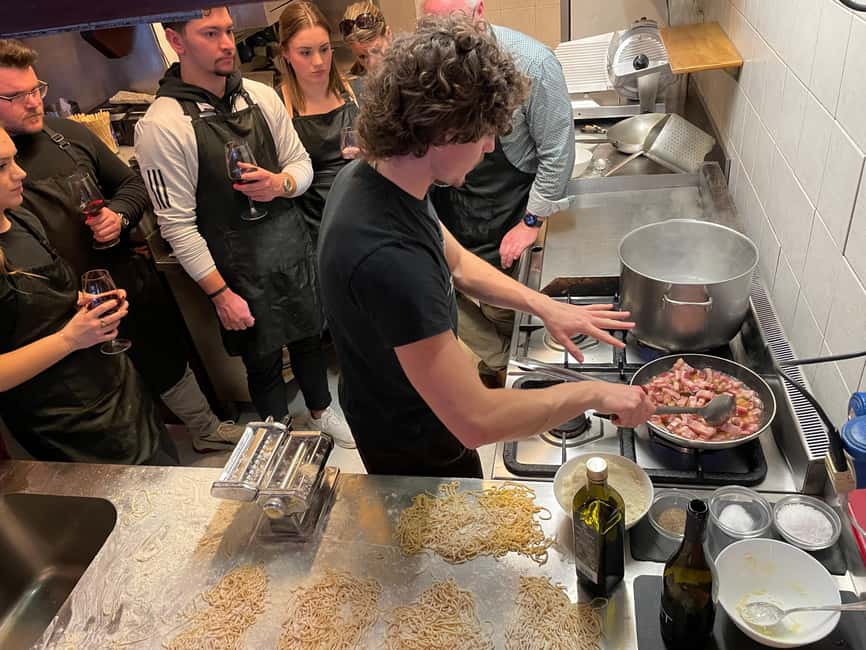
- Cook in the Al Vapore Jazz Club kitchen, not a demo room
- Small group (max 6) so you actually get hands-on help
- Filippo Pesce (Filippo) leads the cooking with English and Italian support
- Pasta carbonara from scratch, including the sauce work
- Wine plus prosecco with your meal in the same venue
- Venice venue feel: a jazz club setting that doesn’t lean “tour group”
Entering Al Vapore: Why This Venue Changes the Class
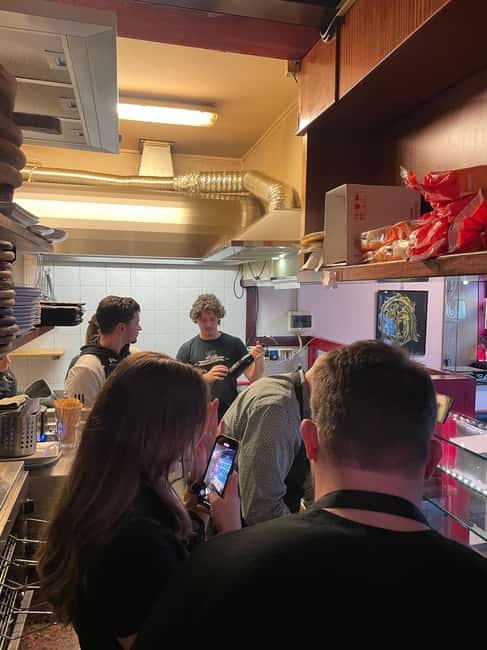
Venice cooking classes can feel like a performance. This one starts in a place that already has a vibe: Al Vapore Jazz Club, founded in 1986 as a live music hub. That matters because the setting makes the evening feel like an authentic Venetian night out, not just a classroom with chairs.
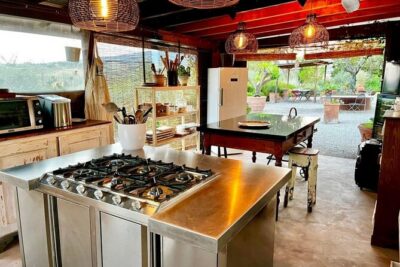
You’re welcomed into a space that has hosted musicians across jazz, blues, and indie rock, plus visual art exhibitions. In practice, that creates a calm kind of energy. You’ll be learning, tasting, and eating in an atmosphere where food doesn’t feel staged.
Meeting, Then Getting Straight Into Carbonara Mode
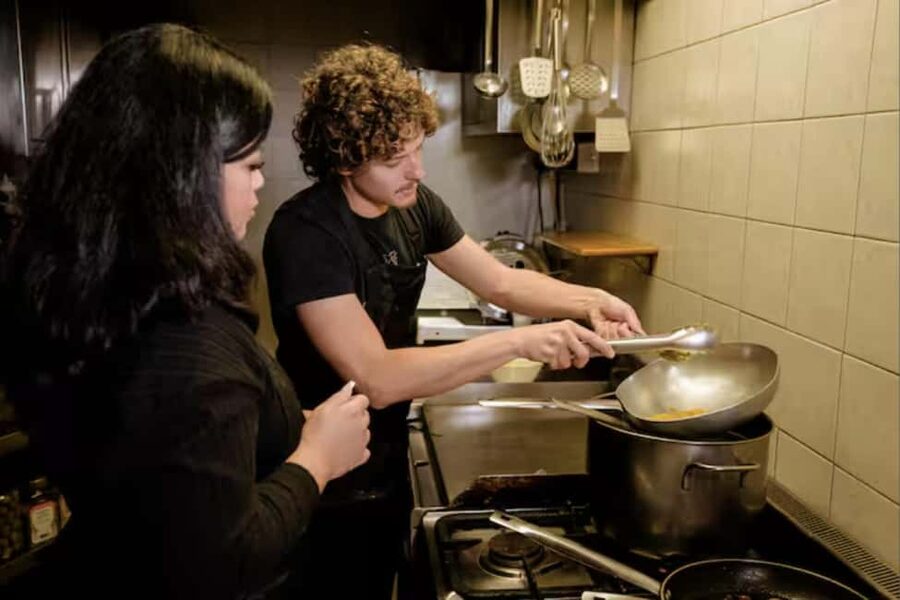
Once you’re settled, the class keeps moving. Expect a start that feels like a host briefing rather than a lecture, where you get the framing for how carbonara should be built. You’ll cover the basics that make the dish work: picking ingredients and understanding what each part is doing in the finished plate.
Because you’re in a small group, the chef can pace the experience around real questions. That’s a big deal for carbonara, since most “home attempts” fail for the same reasons: timing, texture, and balance. You’ll be guided through those steps so you leave knowing what to watch for next time.
Carbonara 101: Learning the Real Technique Behind the Sauce
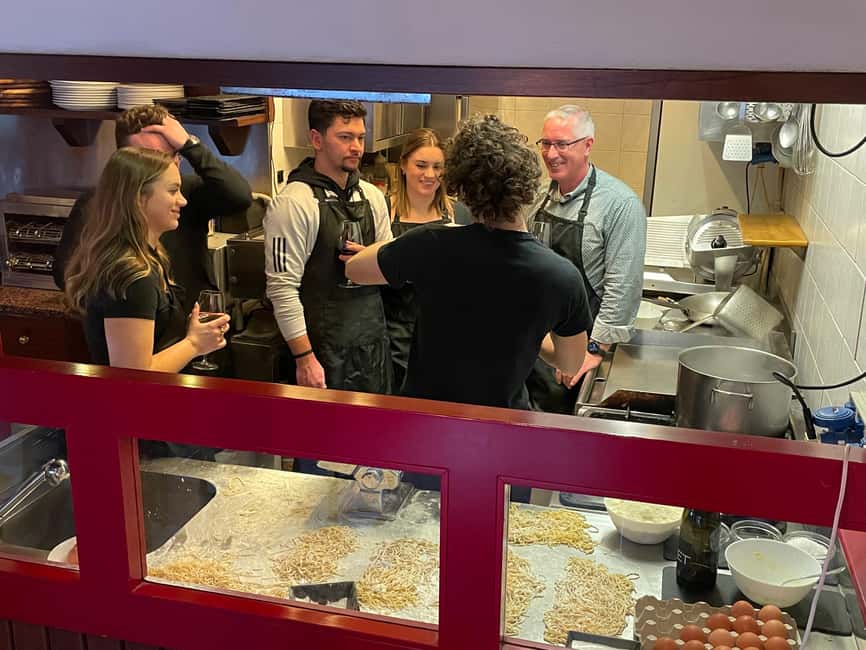
Here’s the value you should care about: this class teaches carbonara as a process, not just a recipe. You’ll learn traditional Italian techniques for building the sauce, including how to get the right texture and how to balance flavors.
In carbonara, tiny shifts can matter. If the sauce isn’t handled the right way, you get the wrong consistency or the flavors don’t knit together. The chef’s job here is to explain why each ingredient counts, so you can make decisions later when you cook on your own.
One nice detail is that the approach can adapt. In at least one case, Filippo prepared a meat-free carbonara for a participant who doesn’t eat meat, and it was still delicious. That’s a practical signal: you’re not just stuck with one rigid plate, as long as you talk about needs during the class.
Making the Pasta From Scratch: The Part You’ll Remember
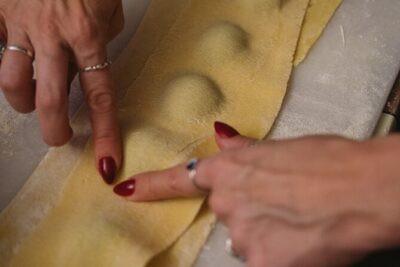
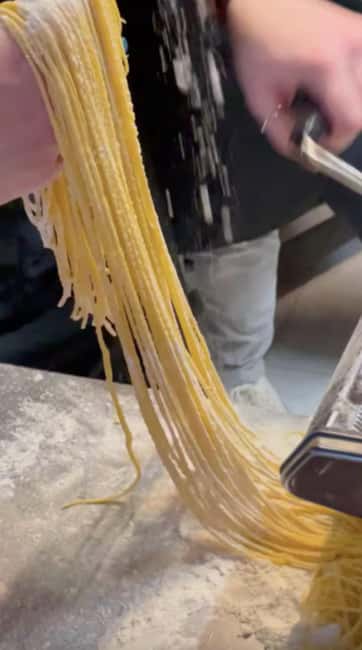
You’ll do more than stir a sauce. The class focuses on making the spaghetti from scratch, which instantly upgrades the whole experience. Store-bought pasta is fine, but learning fresh pasta work gives you a clearer sense of how the dish should feel when it’s finished.
That hands-on pasta time also keeps you engaged. Instead of waiting for your turn, you’re actively participating while the class builds toward the final meal. And because your group is capped at six, you’re less likely to get left watching while others cook.
You’ll also get technique knowledge you can reuse. Even if your first attempt at homemade pasta isn’t perfect at home, understanding the steps makes it easier to improve, year after year.
The Cooking Flow Inside the Jazz Club Kitchen
You can think of the experience as three stages, all happening inside the same venue kitchen.
First comes the setup and explanation: you get a warm welcome, then you start preparing ingredients and learning what matters. Next is the work phase: you’ll cook your pasta and create the carbonara sauce from scratch, with guidance as you go. Finally, you finish by eating what you made with the group.
Why this flow is good: it keeps your learning tied to the outcome. You don’t just hear advice and then hope it works. You apply it, taste it, and see the result during the same evening.
Eating Your Carbonara With Wine and Prosecco
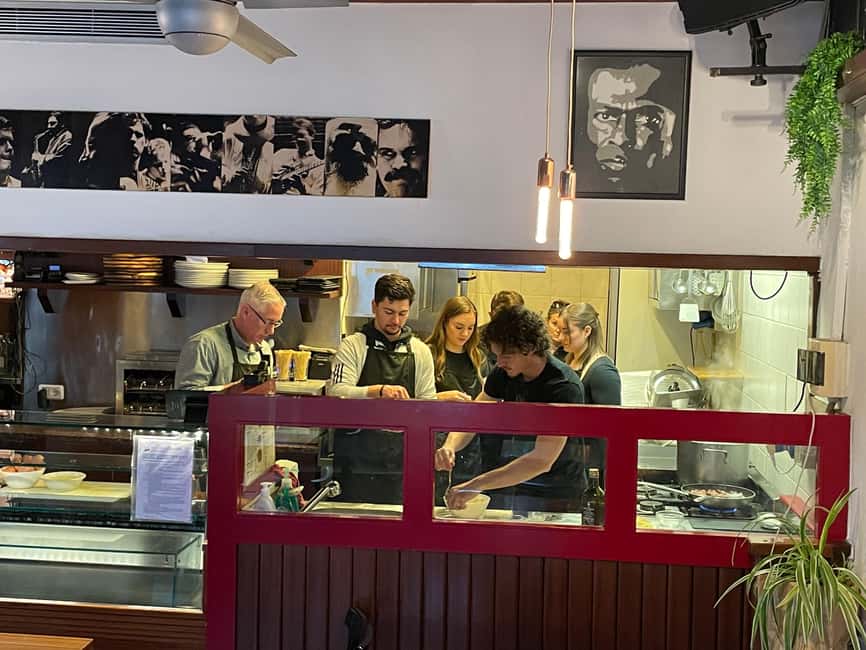
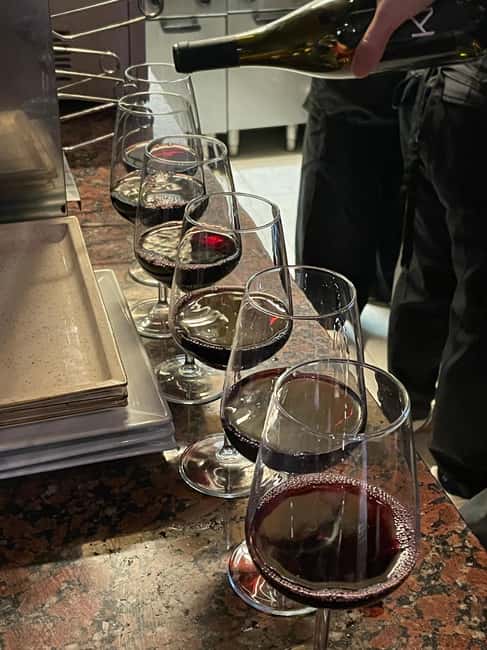
After cooking, you sit down to enjoy your creation. This is not a “take-home box” situation. Your carbonara is paired with a glass of local Italian wine and prosecco, served in the same jazz club setting.
This part matters because it turns skill-building into a full experience. You’ll taste the food while the chef’s guidance is still fresh in your memory, and that helps cement what you did well (and what to repeat next time).
It’s also a social bonus. Smaller classes make the table conversation more natural, and the jazz club atmosphere makes it easy to linger.
Filippo Pesce: The Chef-Host Factor That Makes Learning Stick
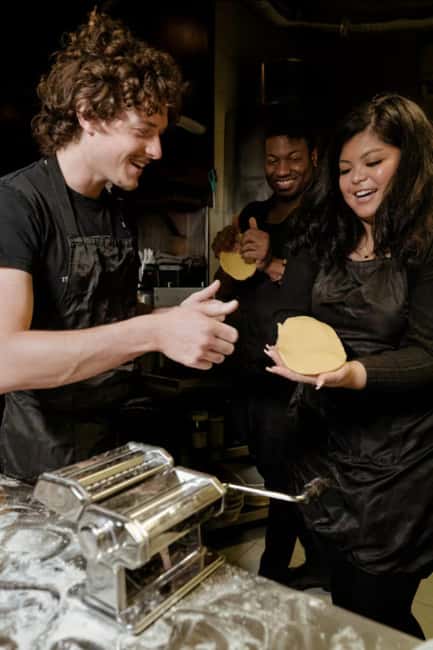
One of the strongest signals from the experience is the instructor experience. Filippo Pesce (Filippo) is described as friendly, accommodating, and strongly knowledgeable about the dish, with excellent English for non-Italian speakers.
That combo is important. Carbonara can sound straightforward, but it has a few landmines. When the chef can explain ingredients in plain language and also answer follow-up questions without rushing, your brain actually keeps the details.
You’ll also benefit from the bilingual element. Even if you speak little Italian, you’re not stuck guessing because the class runs in English and Italian.
Small Group Size: Why Max 6 Changes Everything
A max group size of 6 participants is not a marketing line. It affects how the class feels.
In a larger class, you might get instructions once and then wait your turn. Here, you’re more likely to get real-time feedback as you cook. That reduces mistakes and helps you understand technique instead of just copying steps.
It also makes the evening feel more personal. You’re learning in a real kitchen with a real host, in a venue where the focus is the experience, not moving people through.
Where It Is: Venice Without Being Trapped in Island Crowds
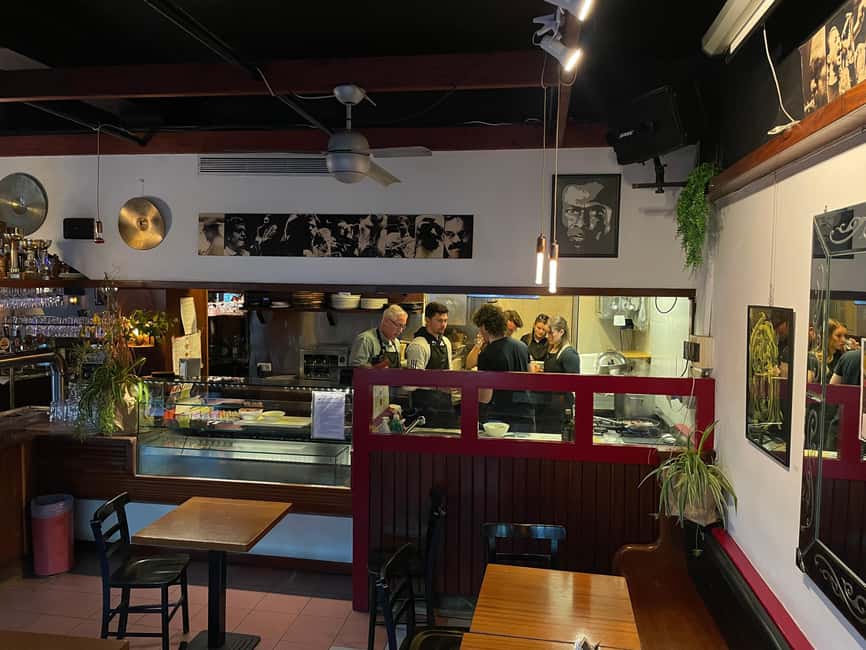
Location in Venice can make or break a food activity. This one takes place at Al Vapore in the Venice area, and it’s described as being outside the busiest island hotspot. The ride time is roughly 10 minutes, which is the sweet spot: close enough to fit easily into your day, but far enough that you’re not surrounded by nonstop tourist churn.
That matters because cooking classes are already intense. You don’t need a long, stressful transfer on top of it.
Timing and Duration: 2.5 Hours That Fit a Real Day
The class runs 2.5 hours. That’s a good length for a single-dish mastery session because it gives time to cook, learn, and then actually eat—without turning into a whole afternoon project.
Practical advice: treat it like your evening anchor. If you’re sightseeing beforehand, plan for a calm pace so you can focus during the cooking part. Then enjoy the food and let the jazz club atmosphere round out your night.
Price in Context: Does $81 Buy Value or Just a Nice Meal?
$81 per person sounds like a serious price until you look at what’s included and what you’re learning.
You’re paying for:
- a chef-led, hands-on carbonara session
- cooking in a real venue kitchen
- everything included, even the apron
- a meal you make yourself
- wine and prosecco with dinner
For me, the key value is skill transfer. If you only wanted to eat carbonara in Venice, you could do that for less. But this is about leaving with technique you can actually repeat, especially around pasta making and sauce consistency.
Also, the small group size means the chef’s attention per person is higher. That makes the class feel more “instructional” and less like a general workshop.
Who Should Book This Carbonara Class (and Who Might Skip It)
Book it if you want:
- a hands-on Venice cooking class that focuses on one iconic dish
- a more authentic setting than the usual tourist dining room
- smaller group learning with English and Italian support
- a fun evening at a jazz club, not just a meal
It might not be the best fit if you’re looking for a long food crawl with many different tastings. This experience is concentrated: one dish, cooked carefully, then eaten with drinks.
What You’ll Take Home: Skills That Actually Translate
This is the part people don’t always say out loud, but it’s the reason cooking classes are worth it.
You’ll leave with:
- a clearer idea of how carbonara is built ingredient by ingredient
- better instincts for timing and texture
- the confidence that comes from making it more than once in one evening
- a mental checklist for what to watch for when you cook at home
And because the class includes pairing your meal with wine and prosecco, it also gives you a more satisfying “full circle” ending. You taste what you learned, in the same place you learned it.
Should You Book This Venice Carbonara Class at Al Vapore?
Yes, I’d book it if your idea of a good Venice night includes cooking with a local chef and ending with a real meal in a jazz club atmosphere. The combination of small group learning, pasta made from scratch, and chef-led technique makes the $81 feel more like paying for instruction and a complete evening, not just food.
I’d especially consider it if you’re tired of experiences that feel like a checklist. This feels like an evening you’d actually want to repeat: cook, eat, then stay for the music if you want to.
If your schedule is tight, you’ll also like that it’s only 2.5 hours, so you can plan the rest of your day around it without stress.
FAQ
How long is the Venice carbonara cooking class?
The class lasts 2.5 hours.
Where does the class take place?
It takes place in the kitchen of Al Vapore Jazz Club in Venice.
What’s included in the price?
Everything is included, including the apron, plus you’ll cook and eat the carbonara. Wine and prosecco are included with your meal.
Do I need to bring anything?
No. The class includes everything you need, even the apron.
How big is the group?
It’s a small group with a maximum of 6 participants.
What languages are used during the class?
The instructor speaks English and Italian.
Is this activity wheelchair accessible?
Yes, it is wheelchair accessible.
Who teaches the class?
The experience provider and instructor is Filippo Pesce (Filippo).
Is cancellation possible if my plans change?
Free cancellation is available up to 24 hours in advance for a full refund.