REVIEW · AREZZO
Arezzo: Colorful Tagliatelle and Ravioli Home Cooking Class
Book on GetYourGuide →Operated by Timonfaya Travel Lanzarote · Bookable on GetYourGuide
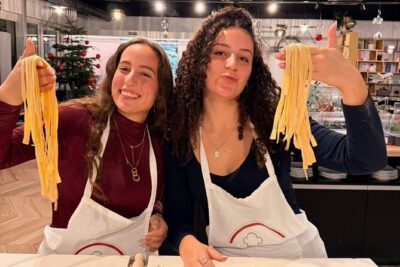
Colorful pasta starts with your hands. This Arezzo class is hands-on from the first moment: you learn fresh pasta dough basics and shape both tagliatelle and ravioli, using natural ingredients to create striking colors and patterns. I especially like the small-group setup (limited to 10), and I also like that you leave with recipes and even an apron for repeat cooking at home. One possible drawback: the class plan runs on a set menu, so if you have very specific dietary needs beyond the offered vegetarian/vegan and gluten-free options, you’ll want to confirm ahead.
In a friendly, family-style setting, you cook, then sit down to eat well—bruschetta, a multi-course pasta meal, Chianti wine, and a homemade crostata dessert. In the feedback I saw, the host named Maria comes up as warm and helpful, and her family also plays a visible role in keeping things smooth. The whole experience takes about 3 hours, so it’s a great pick if you want real technique without committing an entire day.
In This Review
- Color-Dough Pasta: What Makes This Class Special in Arezzo
- Hands-On Dough Work: Tagliatelle Skills You Can Recreate
- Ravioli Shaping and Quick Sauces: The Part People Remember
- The Meal After: Bruschetta, Chianti Wine, and Crostata
- Natural Ingredients and Dietary Swaps That Don’t Feel Like a Compromise
- What You Take Home: Recipes, Apron, and Instant Cooking Confidence
- Arriving at Via Masaccio: A Simple Start That Keeps the Class Moving
- Group Size, Language, and the Level of Personal Attention
- Price and Value: What You’re Really Paying For
- Who Should Book This Pasta Class in Arezzo
- Should You Book This Arezzo Color-Dough Pasta Class?
- FAQ
- How long is the cooking class?
- How many people are in the group?
- What pasta do you learn to make?
- What ingredients are used for the colored pasta?
- Is Chianti wine included?
- Can they accommodate vegetarian, vegan, or gluten-free needs?
- Do you receive anything to take home?
Color-Dough Pasta: What Makes This Class Special in Arezzo
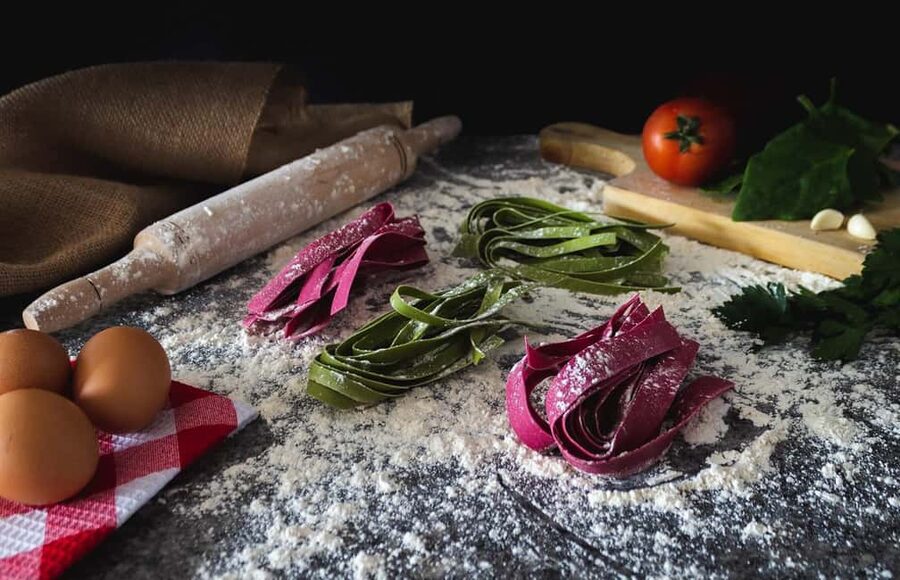
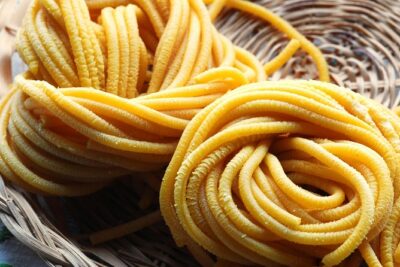
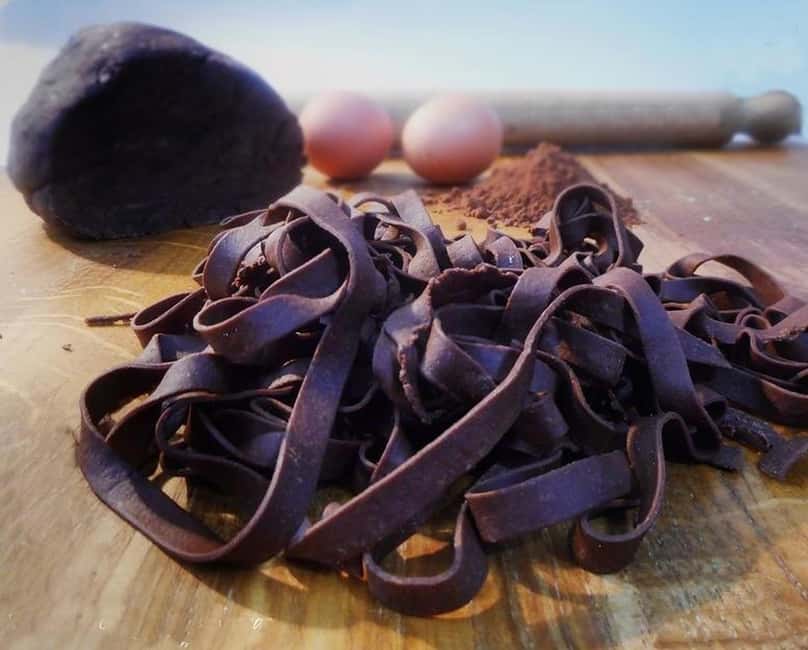
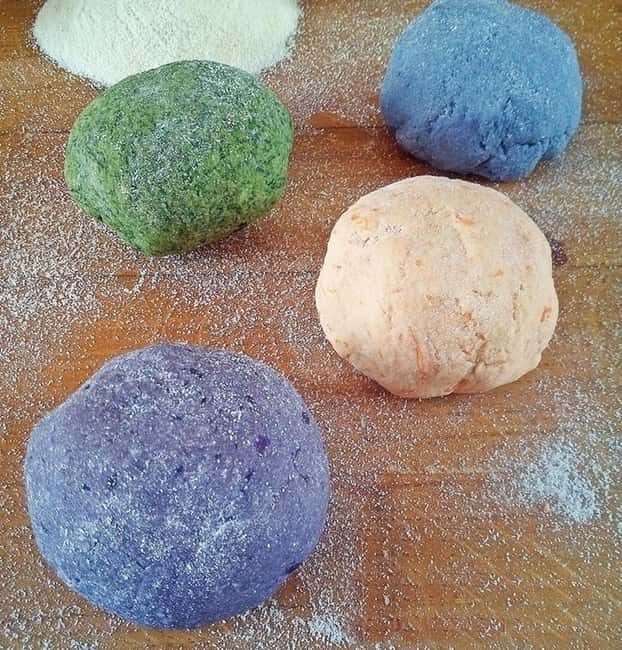
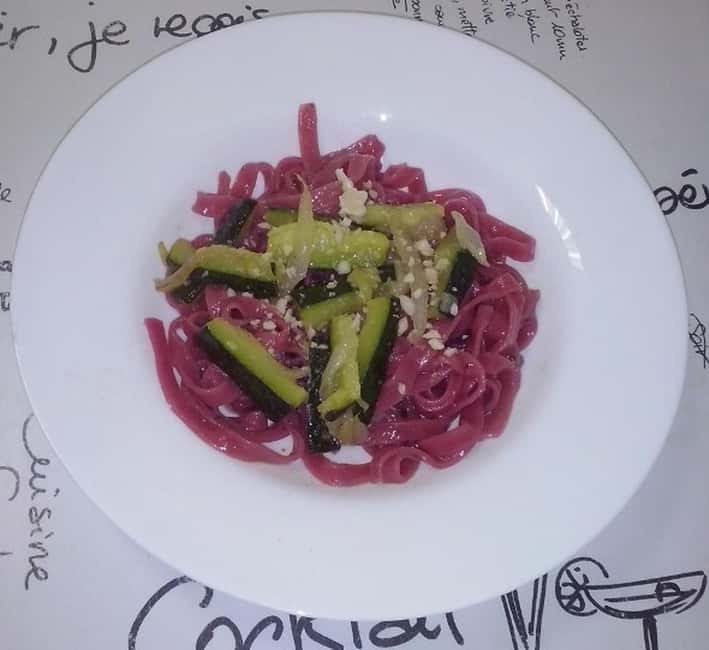
This isn’t just a pasta lesson where you watch and then eat. You work with the dough itself, and the colors come from foods, not food coloring. You’ll use ingredients like spinach, beetroot, cacao, and squid ink—each one changing both the look and the personality of the pasta.
Why that matters: when you make the dough, you’re not just learning a recipe. You’re learning how pasta behaves—how dough feels when it’s properly mixed, how it holds shape when rolled, and how it responds when shaped. That’s the kind of skill you can actually reuse at home, even if you later swap in your own fillings or sauces.
A second standout is the pattern and shaping focus. Tagliatelle and ravioli both require different approaches, so you get variety instead of one repetitive process. Ravioli especially rewards patience—folds and seals need care—so the time feels intentional rather than rushed.
Hands-On Dough Work: Tagliatelle Skills You Can Recreate
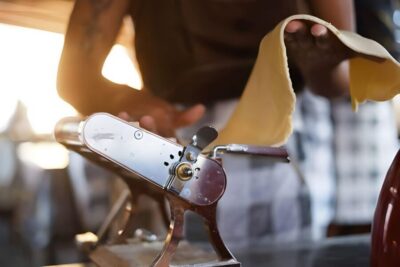
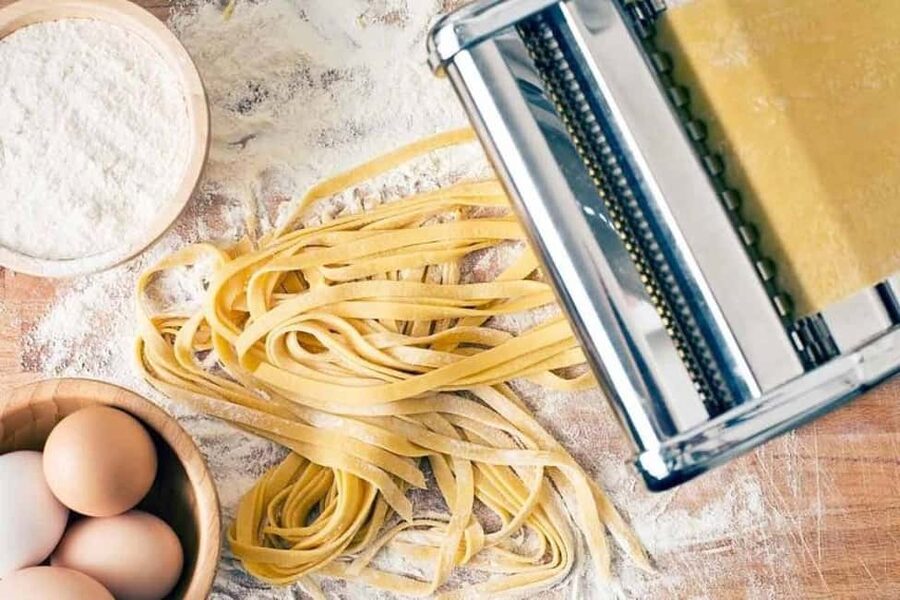
Your session starts with pasta dough preparation. You’ll learn the nuts and bolts: how to mix, handle, and shape the dough so it rolls and cuts properly. Even if you’ve never worked with fresh pasta before, the structure is designed to get you doing real steps, not just standing by.
Tagliatelle is a smart starting point because it builds confidence. You learn rolling technique and how to create consistent strips. Then, because the dough can be colored naturally, you get instant visual feedback. One moment you’re focused on texture; the next moment you’re seeing neat, even results.
A practical tip for your own cooking at home: colored dough can make it tempting to rush. Don’t. Stick to the same steady pace for the whole process—knead, rest, roll, cut—because fresh pasta depends more on feel and timing than on exact math. The class format is built to teach that rhythm.
You can also read our reviews of more tours and experiences in Arezzo.
Ravioli Shaping and Quick Sauces: The Part People Remember
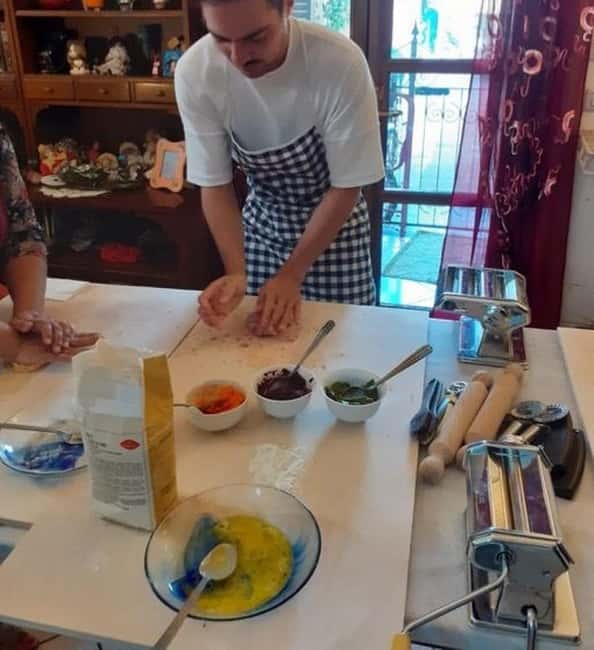
Ravioli is where the lesson becomes truly “hands-on.” You’ll shape filled pasta, which means you’re juggling more than one skill at the same time. Dough handling matters, but so does portioning and sealing so the ravioli cook cleanly.
You’ll also learn how to pair your ravioli with quick sauces. That’s valuable because it keeps things realistic. At home, you may not want a long sauce project after you’ve already made pasta dough. Being taught quick sauce ideas helps you turn your ravioli into a full meal, not just a craft project.
If you’re the type who loves to cook but hates complicated steps, this is a good match. The goal is competence. You’re not memorizing fancy restaurant tricks—you’re learning everyday technique.
The Meal After: Bruschetta, Chianti Wine, and Crostata
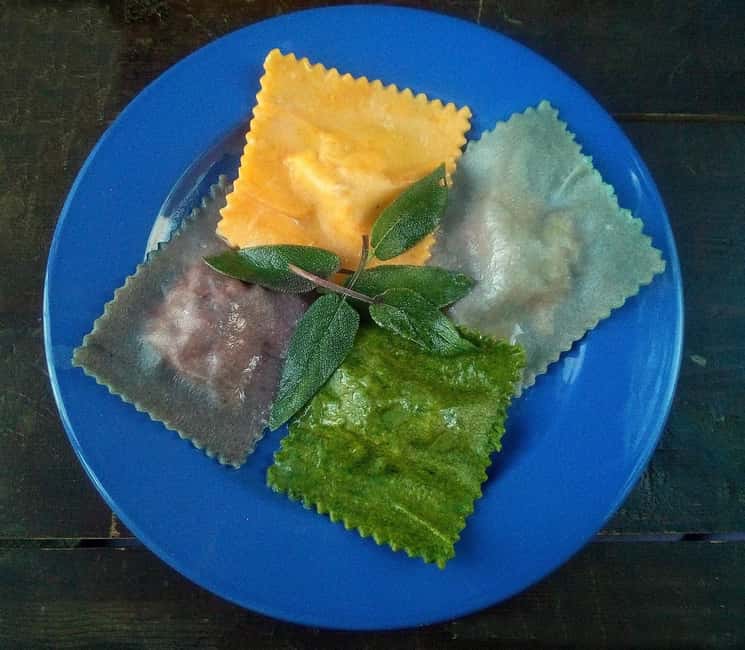
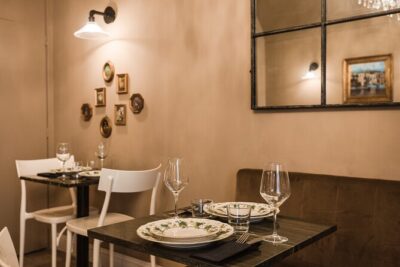
After the cooking work, you sit down to eat what you made. The meal includes bruschetta with fresh toppings, a multi-course pasta lunch or dinner (3 courses), Chianti wine, and a homemade dessert—crostata.
This part is more than reward food. Eating together gives you a chance to connect technique to taste. You’ll see what changes when pasta is colored and how the finished dish comes together with sauce and toppings. It also changes the pace: you’re not leaving with just scraps of knowledge and an empty stomach.
A quick note about the wine: Chianti wine is included, so if you don’t drink alcohol, you should plan accordingly and ask in advance what alternatives may be possible. The class is still a food experience even without wine, but the inclusion is specifically stated.
Dessert being crostata is another nice touch. It’s homemade and seasonal, which means you’re tasting something more like a local kitchen would make than an overproduced tourist sweet.
Natural Ingredients and Dietary Swaps That Don’t Feel Like a Compromise
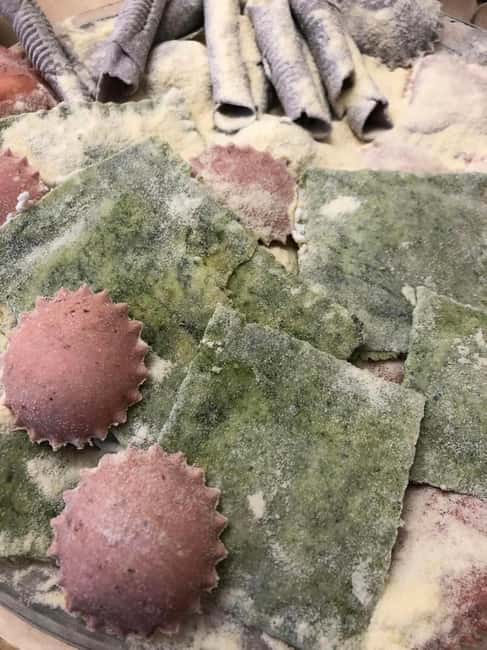
One of the best things here is that the class is designed to adjust. Vegetarian and vegan menus are possible using traditional Italian recipes. Gluten-free options are also available for celiac.
This matters because pasta classes can be tricky for dietary restrictions. Too often, someone gets a “different thing” that doesn’t really teach the same skills. Here, the focus stays on pasta-making and the core meal experience—just adapted to your needs.
Still, do your homework: gluten-free, vegetarian, and vegan doughs can behave differently than classic wheat dough. If that’s you, treat the class as both a cooking session and a learning moment. Ask questions about dough texture and rolling so you can follow the method safely and confidently later.
What You Take Home: Recipes, Apron, and Instant Cooking Confidence
You don’t just leave with a full belly. You get recipes to recreate what you made, plus an apron gift to bring back home. In a cooking class, that take-home piece is huge—without it, most people remember the fun but forget the steps.
Having recipes helps you repeat the experience instead of treating it as a one-off souvenir. And the apron is practical. Even if it ends up as your “pasta apron” for years, it’s a constant reminder that the technique is yours to use again.
Arriving at Via Masaccio: A Simple Start That Keeps the Class Moving
The meeting point is Via Masaccio, 29, 52100 Arezzo. You’ll buzz the entryphone for De Luca. The activity ends back at the meeting point, so you don’t need to plan extra transportation or a second meeting spot.
Because the class runs about 3 hours, it’s worth arriving a few minutes early. Fresh pasta depends on timing—rolling, resting, and cooking all need a smooth flow. If you show up late, you’re more likely to feel pressured than to enjoy the lesson.
Group Size, Language, and the Level of Personal Attention
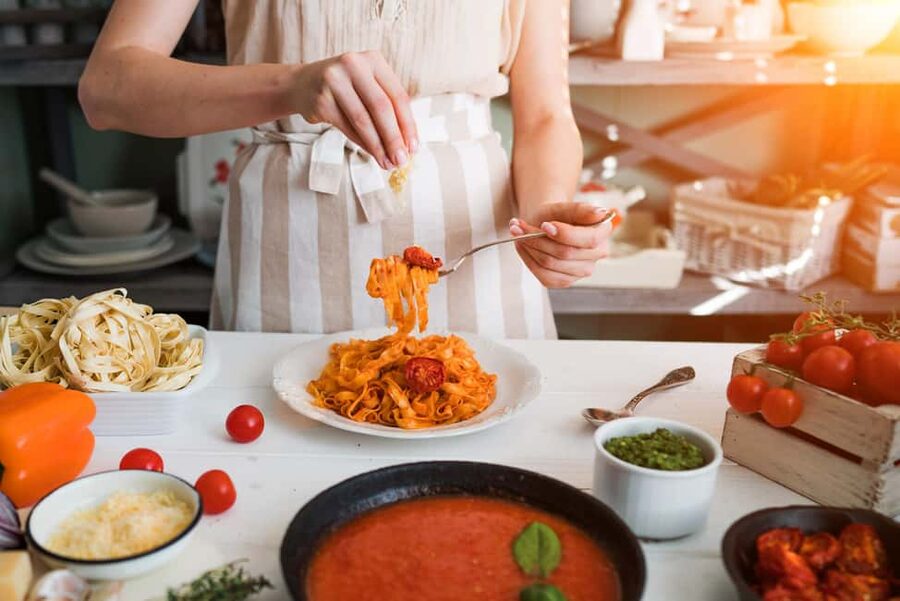
The class is limited to 10 participants, with instruction in English and Italian. That small size is a big part of why the experience feels friendly and authentic instead of industrial.
In a group this small, you’re more likely to get real coaching on dough consistency and shaping. That’s important in pasta making because “almost” can still turn into a frustrating batch. When an instructor can see what your dough is doing, you correct issues faster.
If you’re comfortable with some basic Italian food terms, it’s fun, but you don’t need it. English support is provided, so you can focus on the hands-on work.
Price and Value: What You’re Really Paying For
The price is $112.15 per person for a 3-hour hands-on cooking class plus a full meal. You also get Chianti wine and a homemade crostata dessert, along with recipes and an apron gift.
It’s not just a pasta tasting. You’re paying for guided instruction, ingredients used to color and shape dough, and the chance to eat a sit-down meal that includes multiple courses. If you compare this to paying for a restaurant lunch or dinner alone, the meal here comes bundled with real skill-building.
For me, that’s the value equation: you leave with both food and technique. If you’ve got any interest in cooking back home, this class is one of those experiences where the ticket price starts to feel like money well spent on learning.
Who Should Book This Pasta Class in Arezzo
This experience is a strong choice if you want a hands-on Tuscan food activity rather than a passive tour. You’ll enjoy it most if you like working with your hands, learning by doing, and eating what you make.
It’s also great for:
- Couples or small groups who want a shared activity with a clear result
- Food lovers who want technique, not just background information
- Travelers who can handle a structured 3-hour block
If you’re very sensitive to hands-on cooking or prefer strictly observational experiences, you might find the pace more involved than you expect. And if you’re arriving with very specific dietary needs beyond the listed vegetarian/vegan and gluten-free options, confirm in advance so you’re not disappointed.
Should You Book This Arezzo Color-Dough Pasta Class?
If you like the idea of learning fresh pasta with natural color ingredients—and you want to eat a full Tuscan-style meal right after—this is an easy yes. The combination of small group instruction, multiple pasta types (tagliatelle and ravioli), and a sit-down meal with bruschetta, Chianti, and crostata is hard to beat for a half-day experience.
Book it if you want skills you’ll actually use again, not just photos. And consider booking sooner rather than later, since the class size is capped at 10 and starts at set times.
FAQ
How long is the cooking class?
It lasts about 3 hours.
How many people are in the group?
The class is small group and limited to 10 participants.
What pasta do you learn to make?
You learn to make tagliatelle and ravioli from scratch.
What ingredients are used for the colored pasta?
Natural ingredients are used, including spinach, beetroot, cacao, and squid ink.
Is Chianti wine included?
Yes. Chianti wine is included with the meal.
Can they accommodate vegetarian, vegan, or gluten-free needs?
Yes. The menu can be adapted for vegetarians and vegans using traditional Italian recipes, and gluten-free options are available for celiac.
Do you receive anything to take home?
Yes. You receive the exclusive recipes and also get an apron gift.