REVIEW · ROME
Rome: Pasta and tiramisu class with wine pairing at Come Na Vorta
Book on Viator →Operated by Pasta e Vino Osteria · Bookable on Viator
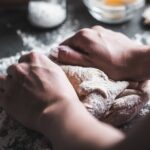
There’s something calming about making pasta by hand. This Rome pasta and tiramisu class turns a busy city day into a practical, family-style cooking lesson with Prosecco and wine.
I like that it stays hands-on and doable: you’ll make fettuccine and soft gnocchi/dumplings, then finish with tiramisu. I also like the payoff—food you eat, plus food you can take home. One consideration: the menu assumes classic Italian flavors and includes dairy (cheese and tiramisu), so it’s not a great fit if you need strict dietary changes.
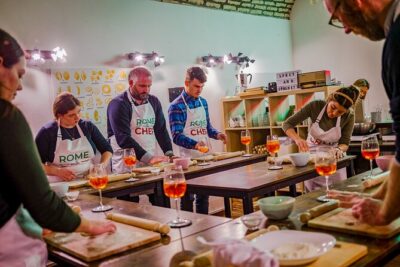
Expect a relaxed rhythm built around a family recipe style. You start with a Prosecco welcome, take a break for bruschetta with extra virgin olive oil, then get guided through sauces and a “grandmother twist” tiramisu. You’ll end up seated for a meal with wine pairings at the same place.
In This Review
- Key highlights worth your time
- Pasta and tiramisu class in Rome, centered on real technique
- Where you start on Via di Santa Dorotea and why location matters
- The welcome rhythm: Prosecco, bruschetta, then hands-on cooking
- Fresh fettuccine: choosing ingredients and matching the sauce
- Soft gnocchi (dumplings) and how to keep them pillowy
- Tiramisu with the grandmother twist: the dessert lesson that sticks
- Break time bruschetta and olive oil: why it’s part of the plan
- Wine pairing and the restaurant meal that turns learning into dinner
- What you bring home: fresh pasta plus recipe support
- Price and value: is $78.09 worth it?
- Who should book this pasta and tiramisu class (and who might not love it)
- Practical notes: what to expect when you arrive
- Should you book Come Na Vorta at Pasta e Vino Osteria?
- FAQ
- How long is the Rome pasta and tiramisu class?
- Is the class offered in English?
- How many people are in the class?
- What do I eat and drink during the experience?
- What sauces are available for the pasta and gnocchi?
- Do I get to take any food home?
- Are recipes provided after the class?
- Where do I meet for the class?
- What is the cancellation policy?
Key highlights worth your time
- Small-group cooking (max 12): more attention and less waiting around.
- Make it, then eat it: you’ll cook fettuccine, gnocchi/dumplings, and tiramisu, plus enjoy a restaurant meal.
- Real Roman sauce choices: carbonara, cacio e pepe, amatriciana, or Genovese pesto.
- Prosecco at the start and during a break: the class has built-in sipping time.
- Take-home results: you can bring your fresh pasta home, and you get recipe guidance afterward.
Pasta and tiramisu class in Rome, centered on real technique
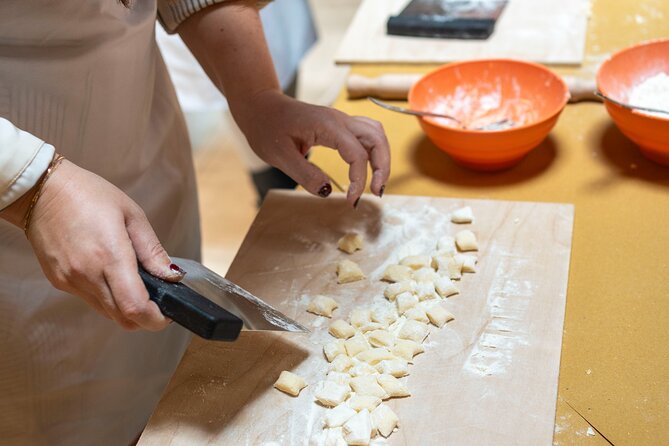
If you’ve ever watched pasta being made and thought it looked both elegant and impossible, this kind of class is a good reality check. The format is designed to teach technique without making you feel like you need a chef’s hat and a spare semester of training.
The heart of the experience is a three-generation family tradition. You learn why certain ingredients matter, how to shape fresh pasta, and how to build flavor with classic Roman sauce options. Then you close with tiramisu—where timing and texture matter more than fancy equipment.
You also get a lesson that includes story and context. Expect talk about family recipes, Roman traditions, and what makes each dish different. That’s not just trivia. It helps you understand what you’re doing, so you can repeat it at home without guessing.
You can also read our reviews of more tours and experiences in Rome.
Where you start on Via di Santa Dorotea and why location matters
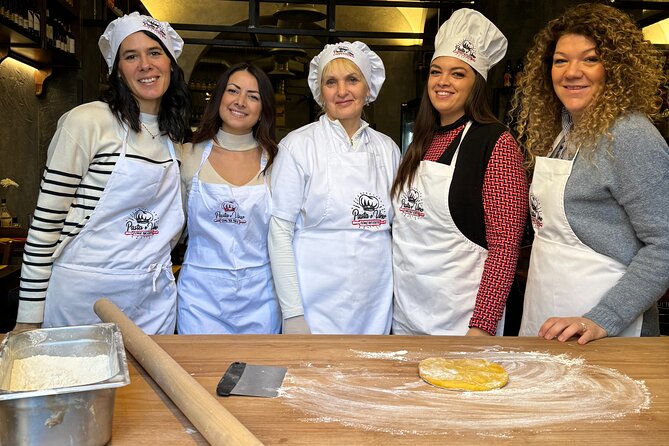
You meet at Via di Santa Dorotea, 21, 00165 Roma RM. It’s in a part of Rome that’s practical for getting there with public transportation, and it’s the kind of neighborhood where you can tack on a short wander before or after if you arrive early.
The class ends back at the meeting point, so you’re not stuck crossing town after a couple hours of cooking. That matters in Rome. Time disappears fast when you’re walking between sights.
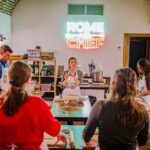
Also pay attention to the small group size (maximum 12). In a class, size isn’t a small detail—it’s the difference between a calm station and a crowded line.
The welcome rhythm: Prosecco, bruschetta, then hands-on cooking
The experience has a friendly flow. You’re welcomed with a glass of fresh Prosecco. It’s not just a drink to kill time. Starting with something light makes the class feel like a meal you’re joining, not a formal class you’re surviving.
During the cooking, there’s a break built in for bruschetta with extra virgin olive oil, plus an additional bit of Prosecco if you want it. This is smart scheduling. When you’re learning kneading, rolling, and sauce choices, you need short resets.
Then you move back into the work with better focus. That’s one of the reasons these classes feel fun instead of frantic.
Fresh fettuccine: choosing ingredients and matching the sauce
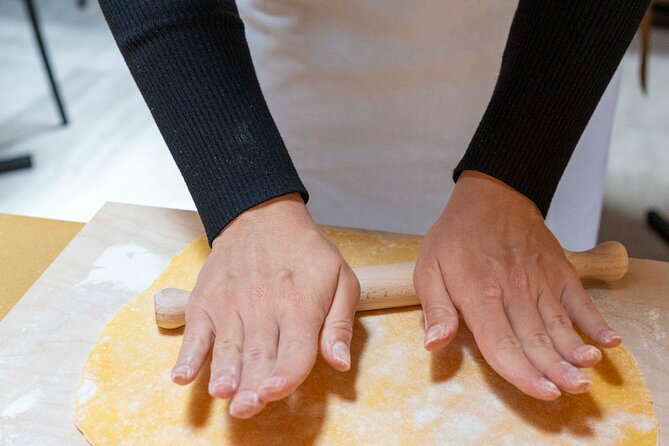
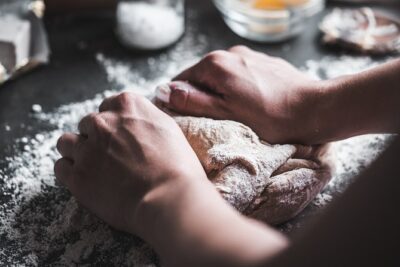
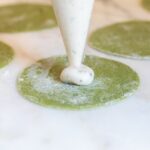
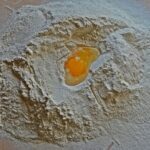
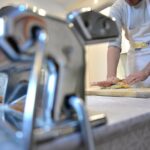
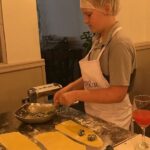
The first main element is hand-made fettuccine. The class teaches you to make it following family-style recipes, which usually means you’ll focus on fundamentals—texture, thickness, and the little judgment calls that affect how pasta cooks.
You then pair your fettuccine with a sauce you choose from classic options:
- Carbonara
- Cacio e pepe
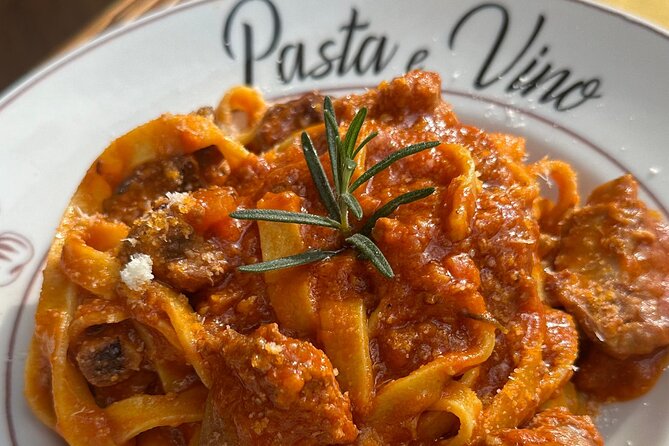
- Amatriciana
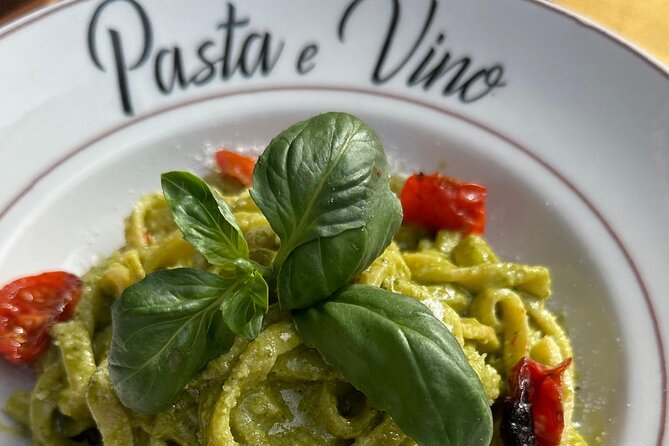
- Genovese pesto
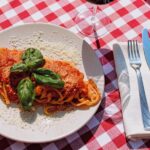
This is more useful than it sounds. Most home cooks pick a sauce first and then hope the pasta works. Here, you learn how different sauces want different pasta vibes. Even if you’re a beginner, you’ll leave with a clearer sense of what changes when you switch from pepper-forward cacio e pepe to the deeper flavors of amatriciana.
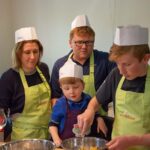
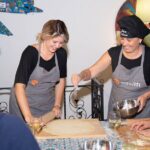
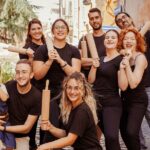
And because the class stays “easy-going” for beginners while still being hands-on enough for experienced cooks, you should feel comfortable asking questions. Names that have shown up as instructors include Lorenza and Alina, and the teaching style described is patient and very hands-on.
Soft gnocchi (dumplings) and how to keep them pillowy
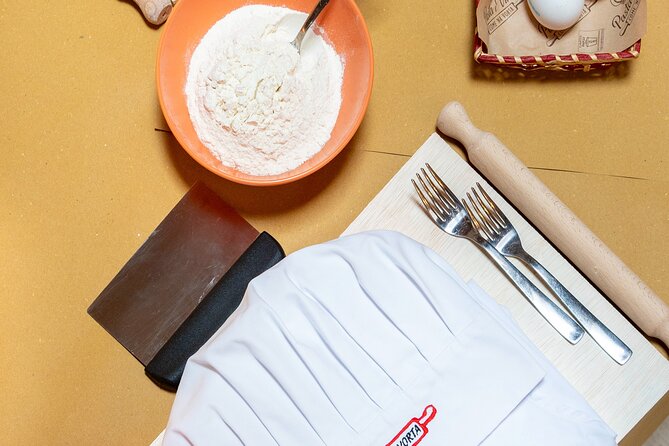
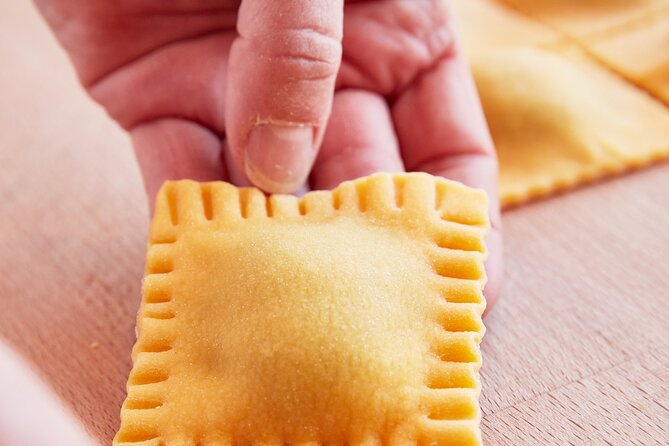
Next up are dumplings, described as soft, pillowy gnocchi in the sample menu. Gnocchi is a great test of technique because small differences in mixing and shaping can make them turn heavy.
The class focuses on making them soft, and it highlights the difference between pasta types. That’s handy if you usually stick to dried pasta at home. You’ll learn the logic behind fresh shapes and why “light” is not an accident—it’s a result.
Sauce choices are the same set as the fettuccine (carbonara, cacio e pepe, amatriciana, or Genovese pesto). So you can compare how each sauce feels with two different kinds of handmade pasta.
If you’re coming with kids, this is also a smart segment. It’s hands-on enough to feel like a cooking adventure, but structured enough that it doesn’t become chaos.
Tiramisu with the grandmother twist: the dessert lesson that sticks
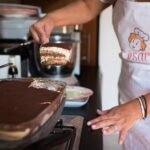
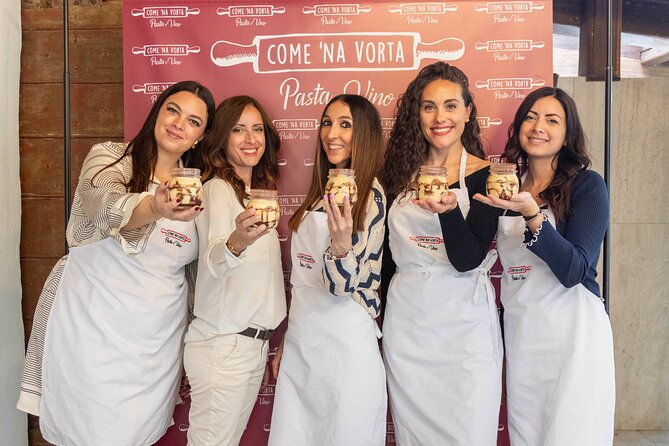
No Rome food day is complete without tiramisu. Here, dessert is tiramisu made with the family traditional recipe, plus an extra tasty twist tied to a grandmother’s secret recipe.
The main value isn’t that it tastes good (it does, based on the menu focus). The value is that tiramisu is the kind of dessert you can actually replicate later if you learn the steps clearly. You’ll get instruction on how to put it together, and you’ll understand what makes the texture work.
This is also where the class starts to feel like a full meal. After pasta and gnocchi, tiramisu becomes a satisfying finish instead of just a sweet add-on.
Break time bruschetta and olive oil: why it’s part of the plan
That bruschetta break is small on paper, but it plays a real role. When you’re kneading dough or rolling pasta, you burn through focus. A short reset keeps the class enjoyable for people with different experience levels.
You get bruschetta with extra virgin olive oil. That matters because it’s not a heavy snack. It keeps things light while you’re working, and olive oil is a simple taste lesson in quality.
And yes, you can get more Prosecco during the break if you want it. The class doesn’t treat alcohol like a hard sell—it treats it like part of a meal.
Wine pairing and the restaurant meal that turns learning into dinner
A lot of cooking classes stop at cooking. This one keeps going. You’ll enjoy a delicious meal paired with amazing wines at the restaurant after the hands-on portion.
That’s where the experience feels especially good value. You’re not just learning. You’re watching the final result be treated like a proper Italian dinner—complete with wine pairing to match the food.
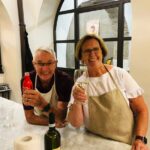
The venue is Pasta e Vino Osteria (Come Na Vorta is the class experience name). Based on the descriptions, the atmosphere is warm and the service is attentive, with a focus on making sure everyone gets through the steps successfully.
Also, the instruction style described in the class experiences is practical. In one set-up, the chef Maggie was described as hands-on during mixing and kneading, alongside an instructor named Alena. That kind of guidance tends to make the difference between learning steps and actually understanding the technique.
What you bring home: fresh pasta plus recipe support
One of the biggest reasons I’d book this type of class is the take-home payoff. You can bring what you create home—at least the pasta portion—and in at least one experience setup it was boxed up for later.
Even better, you receive a PDF of the recipes. That’s practical. If you want to recreate your carbonara or cacio e pepe sauce later, you need a guide you can reference without rewinding a video.
So your cooking class doesn’t end when the timer runs out. It turns into a plan for your next at-home dinner.
Price and value: is $78.09 worth it?
At $78.09 per person for about 3 hours, the price looks reasonable once you break it down.
You’re getting:
- instruction for multiple dishes (fettuccine, gnocchi/dumplings, tiramisu)
- sauce choice across several Roman classics
- Prosecco welcome plus Prosecco during the break
- bruschetta with extra virgin olive oil
- a seated restaurant meal with wine pairing
- take-home pasta and recipe PDF support
That’s a lot bundled into one experience. The key value driver isn’t only the food. It’s the structure: small-group teaching, a clear sequence, and an end meal that ties everything together.
If you’re the type who likes eating well but also wants the skills to repeat at least part of it later, this is strong value. If you only want a quick meal and don’t care about cooking, it might feel like extra work for no extra benefit.
Who should book this pasta and tiramisu class (and who might not love it)
This is a great fit if you:
- like interactive, hands-on lessons
- want a Rome food experience that feels local and family-run
- want a class that’s friendly for beginners but not insulting to experienced cooks
- prefer small groups (maximum 12) over big demonstrations
It may not be ideal if you:
- need a strict dietary plan not mentioned in the provided details
- want a purely sightseeing-focused schedule with minimal time in a room
Also, since the class is offered in English, it’s easier to follow along if you don’t speak Italian. You’ll get expert host information and plenty of chances to ask questions.
Practical notes: what to expect when you arrive
The class runs about 3 hours. It starts and ends at the same place. That helps you build the rest of your day.
Bring typical cooking-class comfort: wear clothes you don’t mind getting a little messy. There’s usually no point showing up in your best outfit unless you enjoy stress.
You’ll get a mobile ticket, so have your phone ready. Confirmation is received at booking, and the class allows service animals.
Should you book Come Na Vorta at Pasta e Vino Osteria?
I’d book it if you want a Rome food day that does more than feed you. This class is built for people who want to learn by doing—then enjoy the results as a proper meal with wine pairing.
You’ll likely leave with two kinds of memories: the practical technique for fresh pasta and tiramisu, and the pleasure of sitting down afterward with wine instead of racing back into traffic and crowds.
If you’re deciding between another dinner reservation and this class, ask yourself one question: do you want to taste Rome, or learn how to cook part of Rome?
FAQ
How long is the Rome pasta and tiramisu class?
It’s approximately 3 hours.
Is the class offered in English?
Yes, it’s offered in English.
How many people are in the class?
The maximum group size is 12 travelers.
What do I eat and drink during the experience?
You’ll have a welcome glass of fresh Prosecco, bruschetta with extra virgin olive oil (with extra Prosecco during the break), hand-made fettuccine with a sauce choice, soft gnocchi/dumplings with a sauce choice, and tiramisu for dessert. You’ll also enjoy a restaurant meal paired with wine.
What sauces are available for the pasta and gnocchi?
The sauce options listed are Carbonara, Cacio e pepe, Amatriciana, or Genovese pesto.
Do I get to take any food home?
You can bring what you create home, including the fresh pasta.
Are recipes provided after the class?
Yes, a PDF of the recipes is provided.
Where do I meet for the class?
The meeting point is Via di Santa Dorotea, 21, 00165 Roma RM, Italy.
What is the cancellation policy?
You can cancel for a full refund up to 24 hours before the experience start time. If you cancel within 24 hours, the amount paid is not refunded.