Fresh pasta in Rome, taught simply. This hands-on course takes you from dough to plated tiramisu, guided step by step in plain, doable Italian cooking terms. I like that it focuses on the core skill—making pasta yourself from a handful of flour—then caps it with a classic dessert using the chef’s personal tiramisu method. One thing to plan for: the class does not cook sauces for you, and the included food can feel light if you expect a restaurant-style meal.
I also appreciate the human vibe. Ricardo (the chef name that came up in one course description) isn’t just teaching steps from a clipboard; the experience is built around participation and getting everyone to enjoy the process. Still, the value depends on your expectations for the final portion size—some write-ups praised the cooking, but noted there wasn’t much extra beyond what you make and eat at the end.
In This Review
- Key Highlights You’ll Care About
- Two Hours and a Bit: What the Class Really Delivers
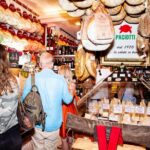
- Where It Starts Near Via della Croce (and Why Location Matters)
- The Pasta Lesson: Fettucine, Flour, and Real Hands-On Technique
- What You Do (and Don’t) Cook: The Sauce Expectation Check
- Tiramisu at the End: Classic Dessert, Personal Recipe Style
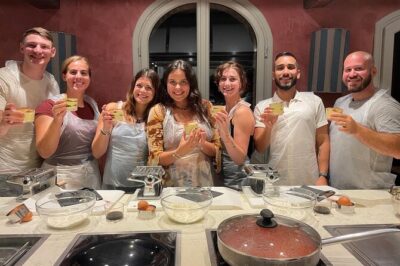
- The Group Experience: Small, Friendly, and Usually Fun
- Price and Value: Is $110.84 Fair for What You Get?
- What You’ll Walk Away With (Besides Tiramisu)
- Who Should Book This Course in Rome?
- Should You Book This Pasta and Tiramisu Course?
- FAQ
- What’s the duration of the pasta and tiramisu cooking course?
- Where does the class meet in Rome?
- Is the class offered in English?
- Are sauces cooked during the class?
- How big are the groups?
- Can I cancel for a full refund?
Key Highlights You’ll Care About
- Make fettucine from scratch with step-by-step guidance, not shortcuts
- Chef-led tiramisu at the end using a personal recipe
- Sauces are not cooked during class, so you’re learning fundamentals
- Small groups up to 20 (minimum 2), keeping it manageable
- Simple, central meeting point near public transportation
Two Hours and a Bit: What the Class Really Delivers
This is a 2 hours 15 minutes cooking course focused on two classics: pasta and tiramisu. The schedule is tight, which is good. You won’t get stuck in lecture mode; you’ll work, learn, and then eat what you make.
The heart of the experience is the practical skill set. You’ll learn how Italian cooks think about dough—what “feel” means, how flour behaves, and what to watch for as things come together. If you’ve ever bought pasta before and wondered how that transformation happens, this format answers it quickly.
A second strong point is the dessert payoff. You’ll prepare everything together, then sit down to eat tiramisu made with the chef’s personal approach. Even if dessert isn’t your specialty at home, the class is designed so you leave with a repeatable method, not just a memory.
You can also read our reviews of more tours and experiences in Rome.
Where It Starts Near Via della Croce (and Why Location Matters)
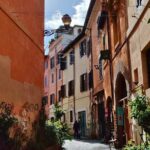
The meeting point is V. della Croce, 34, 00187 Roma RM. It’s in a part of Rome that’s usually easier to reach than the farthest edges of the center, and the experience is listed as being near public transportation.
That detail sounds small, but it matters. A cooking class lives or dies by timing: you don’t want to spend your limited time in Rome hunting for the right corner. This one is set up so you can arrive, check in, and get cooking without making your morning or afternoon stressful.
The good news: the activity ends back at the meeting point. That’s the kind of clean wrap-up that makes pairing this with other sightseeing easier. You won’t be stranded across town after the class.
The Pasta Lesson: Fettucine, Flour, and Real Hands-On Technique
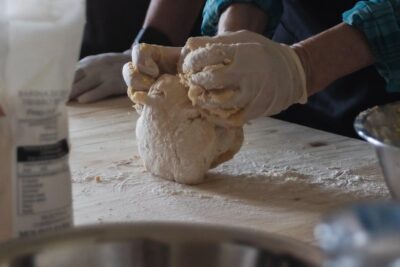
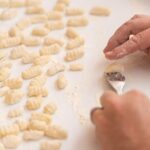
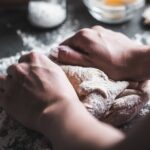
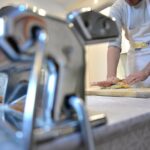
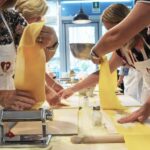
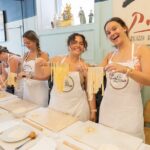
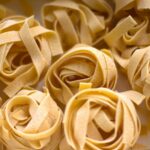
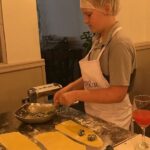
Your main dish is fettucine, and you prepare it yourself. That means the class isn’t just you watching someone else do the work while you stand around holding a phone. You’re making the pasta as you learn, which is where the skill sticks.
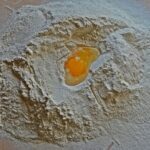
The experience is built around a simple promise: with a handful of flour, you can create a fabulous dish. That idea is important. Lots of cooking classes “teach” cooking by using fancy ingredients or by focusing on sauce technique. This one puts the spotlight on fundamentals—how the dough forms and how it turns into pasta.
One key note: sauces are not cooked during the class. I actually think that’s a good thing for a short workshop. It keeps the focus on pasta technique and reduces time spent on steps that can vary widely by kitchen and chef. Still, it does mean you’re learning what the dough and pasta need, not how to simmer a full sauce empire.
Here’s what you can take away for real-life use:
- How to work dough without overcomplicating it
- What consistency looks like before you move on
- A feel for timing, since a dough you rush is a dough you regret
If you’ve been disappointed by pasta workshops that spend the whole class talking and then dump a finished plate in front of you, this format is the opposite. You should expect your hands to be part of the story.
What You Do (and Don’t) Cook: The Sauce Expectation Check
Because sauces are not cooked during the class, you should treat this as a pasta-and-dessert fundamentals course, not a full Italian meal production. That changes what “success” looks like.
If you want to learn how to build a sauce from scratch—like carbonara technique, amatriciana-style thinking, or a slow-cooked ragù workflow—this class won’t be that. But if you want to understand pasta creation at a level that makes you confident next time, it’s well matched.
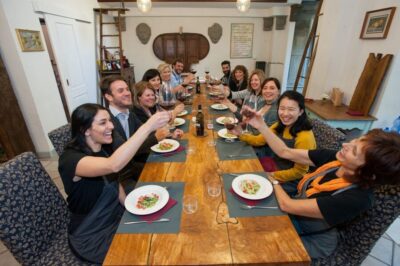
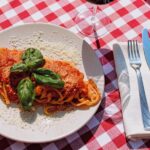
Also note that one description of the experience pointed out that pasta ended up mixed together with everyone’s creation for the group meal. That doesn’t mean your pasta effort disappears, but it does mean you should not assume you’ll get a solo, restaurant-style plated portion that stays entirely separate from others.
In short: learn the dough, learn the process, then enjoy the shared meal. That’s the trade.
Tiramisu at the End: Classic Dessert, Personal Recipe Style
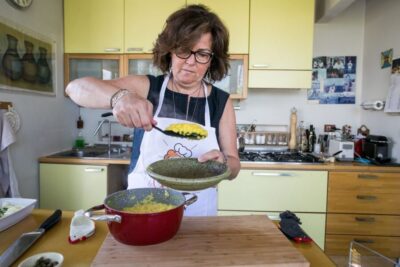
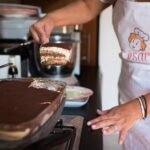
Dessert is tiramisu, and you’ll eat what the chef prepares at the conclusion, using a personal recipe. That’s a big part of the appeal. You’re not just making a dish; you’re learning enough to appreciate how the components work together.
Tiramisu is one of those desserts people think they understand until they try the real method. The class approach helps because you’re finishing in a cooking context. You’ll have a mental map of what’s been done in the kitchen during the session, so the dessert payoff feels connected, not random.
The dessert portion can be simple. One description of the experience noted a small tiramisu cup after a group meal moment. That’s not necessarily bad—it can be consistent with a class format—but it’s worth knowing so the ending feels fair to your expectations.
If you’re someone who wants a full dinner after class, plan accordingly. Treat tiramisu as the sweet finish, not a second entrée.
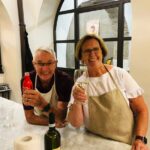
The Group Experience: Small, Friendly, and Usually Fun
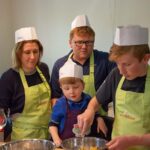
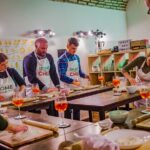
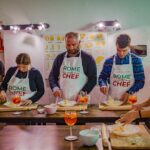
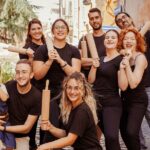
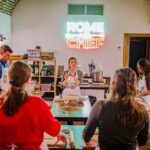
This class caps at 20 travelers, and it has a minimum number of 2 people. The smaller group size usually helps with one-on-one attention and keeping the class from turning into a noisy buffet of chaos.
Language support is listed as English, which matters in a cooking class. When you’re working with dough, you need clarity. You don’t want key steps lost in translation.
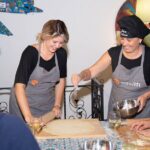
The vibe is also part of the value. One participant described Ricardo as a chef who joined in the fun and made it entertaining, and the class was described as well-run with good food and a useful skill. That kind of hosting is the difference between a class that feels like a performance and one that feels like a friendly workshop.
There’s also a specific note about kids: children under 6 attend with one parent. If you’re traveling with young kids, this is a point that can help you judge whether it fits your family rhythm.
Price and Value: Is $110.84 Fair for What You Get?
At $110.84 per person for about 2 hours 15 minutes, you’re paying for three things: guided instruction, hands-on prep, and an end-of-course dessert. For central Rome, that pricing can make sense—especially when you compare it to the cost of a “cook your own” experience plus a sit-down dessert.
The value improves if you care about the skill part. The most praised aspect of this course style is that you leave with something practical: you know how to make pasta, not just how to take a photo.
But the value can feel shaky if you expected:
- a full meal with starters or multiple courses
- more individualized portions
- multiple drinks included
One account called out that there was no appetizer or bread and that the group got only one glass of wine for a high per-person cost, then left for dinner soon after. That’s the sort of mismatch that can sour the experience even when the chef and technique are excellent.
My practical advice: treat the class as a cooking lesson plus a dessert moment. If you want a long, filling dinner afterward, add one more stop on your schedule. You’ll enjoy the day more, and you won’t feel shortchanged when the dessert is the finale rather than the main event.
What You’ll Walk Away With (Besides Tiramisu)
This is a skill-forward course. The big win is knowing you can recreate fettucine at home using the method you learn here. When you practice, pasta making stops being mysterious and becomes a repeatable habit.
There can also be small “proof” elements. In one course description, a certificate was mentioned as part of the fun, meant to show you completed the class. I can’t promise that will be handed to everyone the same way, but if mementos matter to you, it’s worth asking the day of the class.
Either way, the best souvenir isn’t paper. It’s confidence. You’ll understand the basic structure of the dough-making steps and the order of operations, which makes future pasta nights feel less like guesswork.
Who Should Book This Course in Rome?
Book this if you want:
- a hands-on Italian cooking experience with a focus on technique
- a clear, doable goal in a short time: pasta + tiramisu
- an English-led class in a manageable group size
Skip or reconsider if you’re hoping for:
- a full restaurant-style meal with multiple courses
- sauces cooked during class (this isn’t that kind of workshop)
- a big, separately plated portion at the end
If your ideal travel day includes learning one real skill, eating a classic dessert, and heading out to explore again, this fits nicely.
Also, if you’re traveling at a comfortable pace, note that the experience is commonly booked about 19 days in advance. That’s a hint you should reserve sooner rather than later if your dates are fixed.
Should You Book This Pasta and Tiramisu Course?
I’d book it if you care about the act of cooking more than the act of dining. The pasta-and-dessert structure is clear, and the class is designed for learning—step by step—without dragging into a long sauce workshop.
I wouldn’t book it if you’re mainly hungry and want a big included meal. In that case, plan on eating dinner separately after class. And if wine is a deciding factor for you, go in with the expectation that the included drinks may be limited; at least one description highlighted only one glass.
If you want an authentic, practical Rome food experience that leaves you with actual skills, this course is a strong choice.
FAQ
What’s the duration of the pasta and tiramisu cooking course?
It runs for about 2 hours 15 minutes.
Where does the class meet in Rome?
The meeting point is V. della Croce, 34, 00187 Roma RM, Italy.
Is the class offered in English?
Yes, it’s offered in English.
Are sauces cooked during the class?
No. The course notes that sauces are not cooked during the class.
How big are the groups?
The class has a maximum of 20 travelers and a minimum of 2 people.
Can I cancel for a full refund?
Yes. You can cancel up to 24 hours in advance for a full refund.