REVIEW · ROME
Pizza, Pasta and Tiramisù Cooking Class with Chef in Rome
Book on Viator →Operated by Ticketinrome.com · Bookable on Viator
You can smell Rome in your own kitchen class. This chef-led session walks you through classic Italian flavors with fresh ingredients and hands-on technique. I love that you get real guidance from a local chef, not a lecture.
I also like the format: you can pick a lunch or dinner session, and you can upgrade to include tiramisù. And because it’s a small group (max 10), the experience feels more like you’re getting coached than watching.
One thing to consider: timing and communication matter. A past guest reported confusion about a location change and another noted the class menu can differ from what’s expected, so you’ll want to confirm details clearly before you go.
In This Review
- Key Things to Know Before You Go
- What You’re Cooking in Rome: Pasta, Pizza, and Optional Tiramisu
- The Chef Experience: Why a Small Group Actually Changes Everything
- Where You Meet and How to Get There Without Stress
- How the 2.5 Hours Typically Works (Lunch or Dinner Sessions)
- Pasta-Making: The Skill You’ll Actually Use Again
- Pizza Techniques: More Than Ordering Familiar Slices
- Tiramisu Upgrade: The Dessert That Feels Like Rome in a Cup
- Meal-Time: Eating What You Just Made
- Price and Value: Is $123.11 Worth It?
- Language and Communication: A Quick Checklist Before You Cook
- Who This Cooking Class Suits Best
- My Take: Should You Book This Rome Pizza, Pasta, and Tiramisù Class?
- FAQ
- How long is the cooking class?
- Where does the class meet?
- Does this class offer a lunch and dinner option?
- Can I add tiramisù to the class?
- What group size should I expect?
- Do you accommodate dietary restrictions?
- Is there free cancellation?
Key Things to Know Before You Go
- Small group, max 10 people means more chef attention and less waiting around.
- Two session options: choose lunch or dinner so you can fit it into your Rome rhythm.
- Pasta + pizza focus, tiramisù optional if you want the full Italian dessert finish.
- Real local chef instruction designed to help you cook the recipes again at home.
- Accessible by public transportation and starts/ends at the same meeting point.
- Dietary needs must be requested early (at least 4 days ahead).
What You’re Cooking in Rome: Pasta, Pizza, and Optional Tiramisu
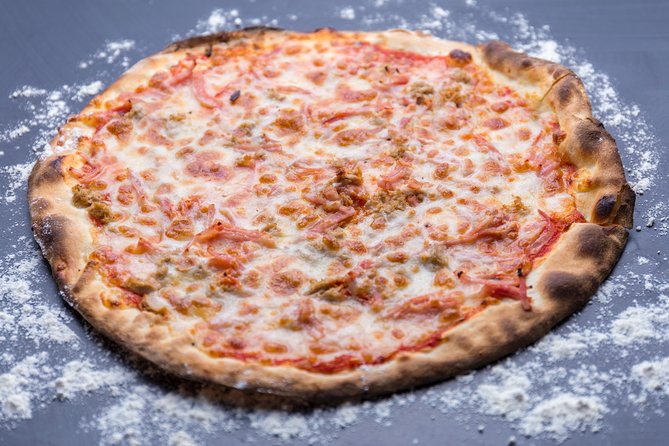
This is a chef-led Rome cooking class built around the big three that people talk about when they talk about Italian comfort food: pasta, pizza, and tiramisù. The pitch is simple: you learn techniques and tips for making these dishes, using fresh ingredients, then you sit down and eat what you cooked.
The most valuable part for me is the goal beyond dinner. This isn’t just about getting a good meal in Rome. It’s about taking home the know-how—how the dish comes together, how to handle dough/pasta steps, and how the flavors should balance. You’ll leave with recipes you can actually repeat later, not just a memory.
You’ll also get to choose your focus. The class includes pasta-making, and you can upgrade to add tiramisù. That’s great if you want a dessert you can brag about when you’re back home.
You can also read our reviews of more tours and experiences in Rome.
The Chef Experience: Why a Small Group Actually Changes Everything
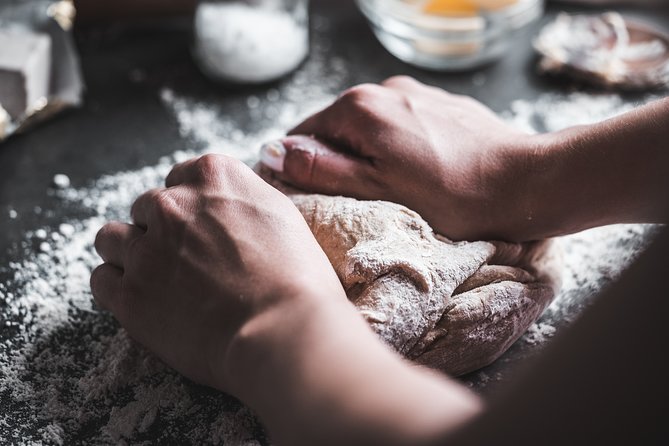
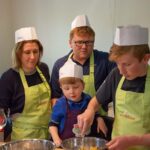
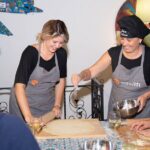
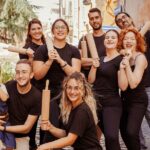
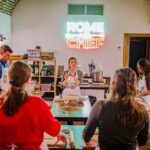
With a maximum of 10 travelers, you’re not just part of a crowd. You’re in a cooking room where the chef can notice what you’re doing—if your dough needs a tweak, if your pasta step is off, or if your timing is drifting.
That matters because cooking classes are often a race against confusion. When the group is small, questions land faster. You can correct issues in real time instead of learning the lesson at home after the dish flops.
One more point: the class is explicitly described as suitable for families and all ages. That’s a big clue about how the chef likely structures the pacing—enough guidance for beginners, not just a high-pressure “performance” environment.
Where You Meet and How to Get There Without Stress
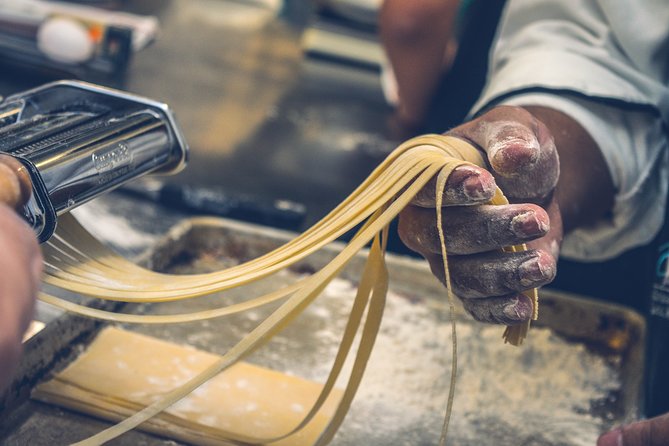
The meeting point is Via in Arcione, 98, 00187 Roma RM, Italy. The activity starts there and ends back at the same point.
It’s near public transportation, which is handy in Rome where walking distances can be deceptively long once you add hills, buses, and the occasional “why does this street curve?” moment. I’d plan to arrive a bit early anyway. In cooking, being late is more than just inconvenient—it can throw off the timing of your step-by-step instruction.
You’ll use a mobile ticket, so make sure your phone has battery and service when you set out. Rome has plenty of dead zones for bars and data, and you don’t want to be hunting for a QR code while everyone waits.
How the 2.5 Hours Typically Works (Lunch or Dinner Sessions)
The class runs about 2 hours 30 minutes. You choose either a lunch session or a dinner session, and after the cooking workshop, you eat the meal that matches the time you selected.
In a format like this, the rhythm usually goes like this: the chef explains a step, you work through it, you get feedback, and then you move on. Expect a mix of teaching and hands-on time. The goal is to finish by eating—so the class has to stay coordinated, especially with small group pacing.
Here’s what I think you should mentally prepare for: with multiple dishes involved (especially if you add tiramisù), the kitchen timing can get tight. If you’re the type who hates waiting, this is where being relaxed helps. Cooking isn’t instant, and Rome is famous for taking its time—just not always in the exact way your schedule wants.
Pasta-Making: The Skill You’ll Actually Use Again
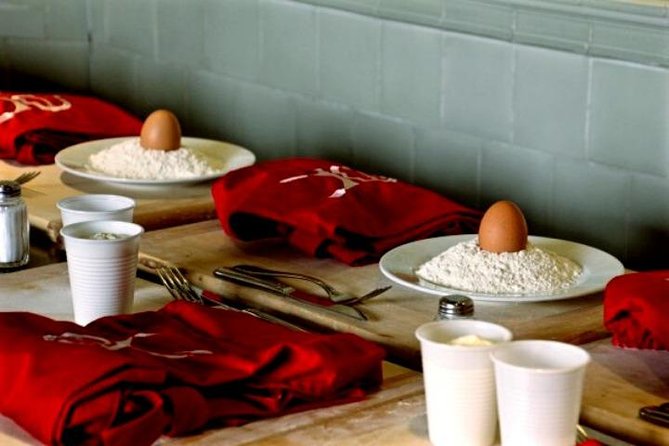
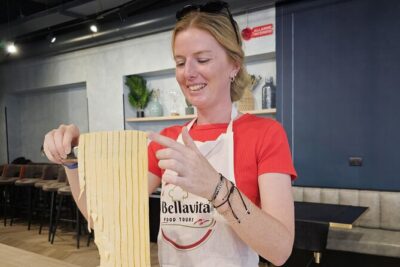
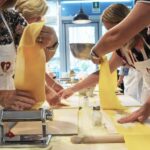
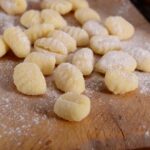
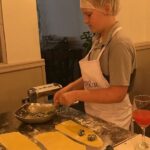
Pasta-making is the core skill here, and it’s why this class makes sense for repeat visitors too. You don’t just learn a dish; you learn how to handle pasta steps so the texture and outcome improve.
The class is described as teaching you the secrets to creating Italian specialties on your own. Practically, that usually means you’ll learn the why behind each step—what your dough/pasta should look like as you go, and how to adjust if it’s not behaving. That’s the difference between following instructions and understanding the process.
A useful caution from real-world experiences: one past guest said the lesson focus didn’t match their expectation about how many pasta items they’d make. That doesn’t mean the chef didn’t do a good job. It does mean you should stay flexible about the exact menu output. If your heart is set on a specific number of pasta varieties, treat this as skill-building with classic Italian results, not a strict checklist.
Pizza Techniques: More Than Ordering Familiar Slices
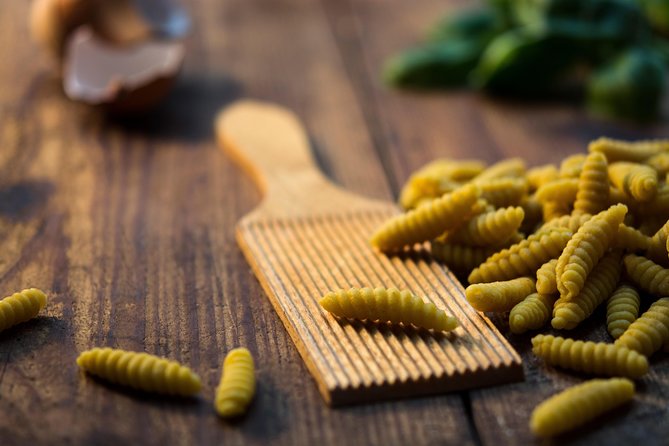
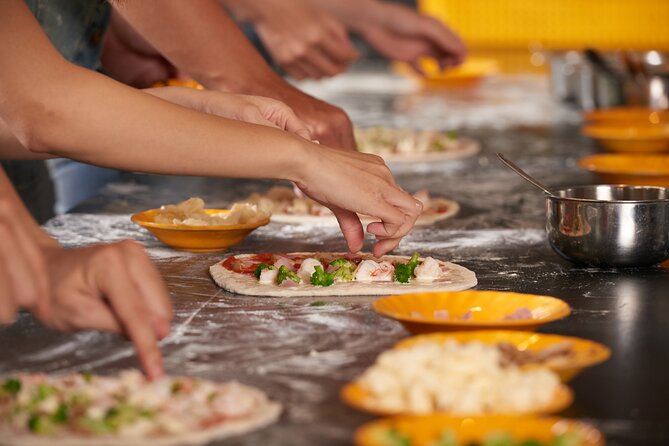
Pizza in a cooking class can mean a lot of different things depending on the setup. Here, the description keeps it honest: you’ll learn how to make traditional Italian foods, including pizza, using fresh ingredients and chef-led tips.
For you, the value is likely in the technique. Even if you already know how to assemble pizza at home, a chef can show you what matters most—how dough behaves, what to watch for as you work, and how toppings and timing affect the final dish.
Also, because the class includes both pasta and pizza elements, you might find the pace is structured so one part doesn’t perfectly sync with your personal “I want to do everything” mode. One person reported that another group was eating their pizza while pasta was still in progress. That’s a reminder that the experience is coordinated for the class overall, not tailored to your plate timing.
Don’t let that scare you. Just adjust your expectations: you’re here for hands-on learning and a shared meal. If you’re calm about the order of when things hit the table, you’ll enjoy it more.
Tiramisu Upgrade: The Dessert That Feels Like Rome in a Cup
If you upgrade, tiramisù becomes part of your cooking experience. That’s a strong choice if you love dessert that tastes fancy but is built from familiar components.
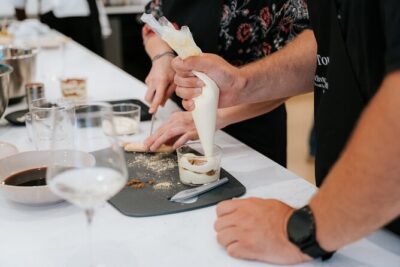
In a class like this, the teaching value is in assembling the layers and getting the balance right—cream texture, sweetness level, and how it comes together as a finished dessert. Even if you’ve made tiramisù at home before, the chef guidance can help correct common issues like uneven layering or the wrong level of softness.
One more reason to consider the tiramisù upgrade: it turns the class into a complete Italian meal arc. Pasta and pizza satisfy the savory craving, and tiramisù gives you the classic finish that feels uniquely Roman/Italian in spirit.
Meal-Time: Eating What You Just Made
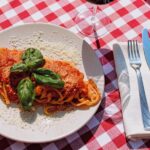
At the end, you’ll sit down to eat your meal—lunchtime or dinnertime, depending on your session selection.
This is one of the best parts of cooking classes because you don’t have to guess if your results worked. You taste, you compare, and you learn quickly what chef tips actually matter.
Also, for groups, meal-time is the social glue. You’ll usually talk with the chef and others in the small group while you eat. That’s where the class can feel more personal than typical tourist activities.
Price and Value: Is $123.11 Worth It?
At $123.11 per person, this isn’t a “grab-and-go” bargain. You’re paying for three things: chef instruction, hands-on cooking, and a meal that includes dessert if you choose the tiramisù option.
Here’s the value logic I’d use. If you’ve ever tried to learn pasta or pizza from videos at home, you already know how much guesswork there is. A chef-led class collapses that learning curve. You get feedback in real time, and you leave with recipes and technique you can reuse.
It’s also booked about 153 days in advance on average, which usually means the class runs on demand and the spots can fill in the periods where Rome visitors cluster. If you want a specific lunch/dinner slot, earlier booking helps.
If you’re traveling with picky eaters or you want a guaranteed, structured activity that also produces food, the price can feel more reasonable than you might think. If you’re only looking for a quick snack experience, you’ll probably find this a bit more “serious” than you want.
Language and Communication: A Quick Checklist Before You Cook
Cooking is where language gaps can turn into frustration. The experience is described as guided by a chef, and cooking commands are hard to translate. One guest raised issues around communication and location updates, including a report that a location change wasn’t clearly handled in advance.
So here’s how you protect your time:
- Re-check the meeting address (Via in Arcione, 98) the day before.
- If you’ve got a flight or transit delay, message promptly so staff can confirm where to meet.
- Keep your mobile ticket ready and stay on time, especially because cooking classes depend on coordinated start moments.
If communication isn’t your strong suit, pick a session where you’ll have extra buffer time for arrival. Rome timing can be unpredictable, and the class clock won’t wait.
Who This Cooking Class Suits Best
This fits best if you want an experience that’s hands-on, food-focused, and guided. I’d especially recommend it if:
- You want classic Italian skills (pasta and pizza basics) taught by a chef.
- You enjoy learning techniques you’ll actually use at home.
- You’re traveling with family. The class is described as suitable for all ages.
- You like the idea of a small group so you get attention and can ask questions.
If you’re a very advanced cook chasing a high-end culinary experiment, the class may feel more foundational than technical. But if your goal is to leave Rome with results you can recreate, it’s a smart use of a half-day.
My Take: Should You Book This Rome Pizza, Pasta, and Tiramisù Class?
Book it if you want a chef-led, small-group class that teaches classic Italian cooking and ends with you eating what you made. The biggest draw is the combination of pasta and pizza skills plus the option to add tiramisù, all within a tight 2.5-hour window.
I’d think twice if you:
- Need the exact menu to match a very specific expectation about how many items you’ll make.
- Struggle with last-minute logistics and dislike uncertainty.
- Are likely to arrive late due to travel delays and won’t be able to communicate quickly.
If you can handle a bit of coordination—and show up ready to cook—this is a fun, practical way to bring Rome home on your palate.
FAQ
How long is the cooking class?
It runs for about 2 hours 30 minutes (approx.).
Where does the class meet?
The meeting point is Via in Arcione, 98, 00187 Roma RM, Italy.
Does this class offer a lunch and dinner option?
Yes. You can choose between lunch and dinner cooking sessions.
Can I add tiramisù to the class?
Yes. There’s an upgrade option to add tiramisù to the menu.
What group size should I expect?
The class has a maximum of 10 travelers.
Do you accommodate dietary restrictions?
You can request special diets (for example gluten free or lactose free) if you indicate it at least 4 days before the activity.
Is there free cancellation?
Yes. You can cancel for a full refund up to 24 hours in advance of the experience’s start time.