REVIEW · ROME
Pasta Making and Tiramisù Cooking Class in Rome
Book on Viator →Operated by Inrome Cooking Srl · Bookable on Viator
Fresh pasta and tiramisù, made right in Rome. This class pairs hands-on cooking with a proper Italian setup in a central 17th-century school near Piazza Navona. Small groups and English-speaking chefs keep things fun and workable.
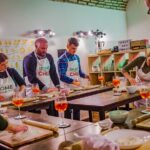
I especially liked how the lesson is truly practical: you knead, shape, and learn the why behind the dough and sauces. You also start with a welcome drink and Italian antipasti, then sit down for the meal you made with included wine and soft drinks—exactly the kind of night that feels like more than just a cooking demo.
One consideration: the room can get lively, and if another class is running alongside yours it may be loud in a smaller kitchen. Also, you should confirm the exact meeting flow; there can be a short walk to a nearby school location.
In This Review
- Key highlights
- Piazza Navona area cooking class: what makes it feel Roman
- The real itinerary: from antipasti welcome to plated pasta and tiramisù
- Welcome drinks and Italian antipasti
- Fresh pasta, made by you (two types)
- Two Roman sauces: learn the base, then build variations
- Finish with homemade tiramisù (with history)
- The kitchen setup: professional equipment and what that means for you
- Noise and hearing your chef: how to handle it
- The best part after cooking: eating like you mean it
- Why this matters for value
- Who the chefs are (and what teaching style to expect)
- Flexibility, allergies, and special diets
- What you should do before and after class
- Price and logistics: what to know so it goes smoothly
- Timing
- Meeting point and walking
- Ticket and language
- Should you book this pasta and tiramisù class?
- FAQ
- What is the meeting point for this pasta and tiramisù class?
- What time does the class start?
- How long is the experience?
- Is the class taught in English?
- How big is the group?
- What dishes will I make?
- Are Roman pasta sauces included?
- What’s included to eat and drink?
- Do they offer vegetarian or gluten-free options?
- What is the cancellation policy?
Key highlights
- Near Piazza Navona: you’re in a classic central-Rome area where it’s easy to keep exploring after class
- Hands-on pasta making: kneading and shaping fresh dough, not just watching
- Two Roman pasta sauces plus tiramisù: you learn a repeatable base-and-variation approach
- Prosecco, antipasti, and wine included: you cook, then enjoy what you made like a real meal
- Max 15 people: small enough for help, but still social and lively
- Take-home recipes/tips: you’ll leave with what you need to recreate the dishes
Piazza Navona area cooking class: what makes it feel Roman
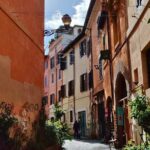
Rome is loud in the best way. This experience adds another layer of noise: the clatter of a real kitchen and the energy of people cooking together. The setting is a dedicated cooking school, described as a charming 17th-century space, and it’s in the central area of the city. If you’re pairing this with sightseeing, you get a nice built-in plan: cook first, then head out for a stroll and gelato with your dinner already handled.
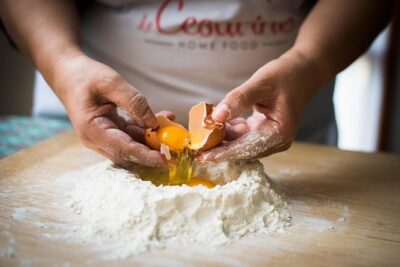
The biggest reason this works so well is that you’re not just learning recipes. You’re learning technique. Fresh pasta is all about feel—hydration, gluten development, how the dough changes in your hands. The chefs guide you through that process step by step, and they also talk about ingredient choices and substitutions, which is gold if you cook at home and want to adapt.
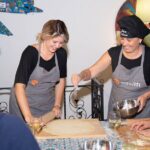
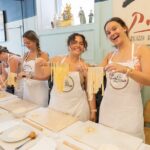
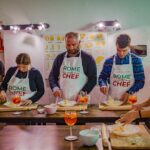
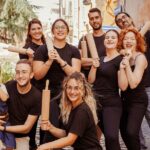
This is also a good choice if you want something social without it becoming a group performance. The class runs with a small group size (maximum 15), and in practice it can feel intimate at the table. You’ll chat during the meal, and you’ll probably end up swapping Rome tips along the way—especially if your group has a mix of couples and families.
You can also read our reviews of more tours and experiences in Rome.
The real itinerary: from antipasti welcome to plated pasta and tiramisù
Plan for about 2 hours 30 minutes total. The class starts at 5:30 pm for the session tied to the provided meeting details, and it ends back at the meeting point. (There are also morning sessions offered by this provider, timed to finish at lunch, which can be a nice option if you prefer an earlier day.)
Welcome drinks and Italian antipasti
You start with a warm welcome plus fresh drinks. The sample menu includes welcome Prosecco and Italian appetizers. This matters more than it sounds. In a cooking class, the first 10 minutes sets the tone. Here, you don’t begin “cold,” and you’re not sitting hungry while the chef explains the whole plan. You get food and drinks right away, so the cooking feels like the main event rather than a chore.
Fresh pasta, made by you (two types)
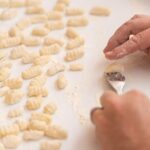
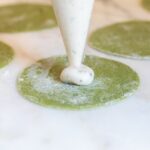
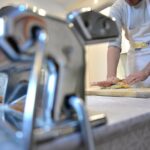
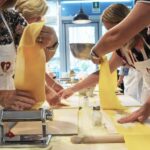
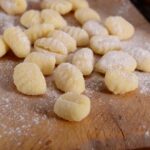
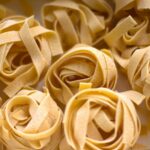
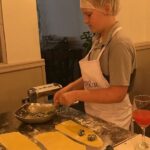
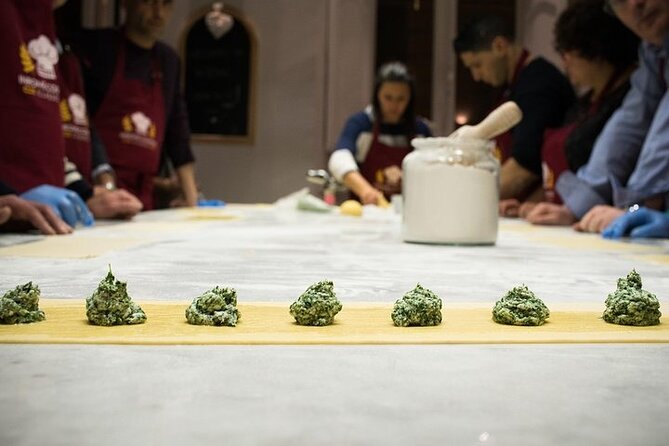
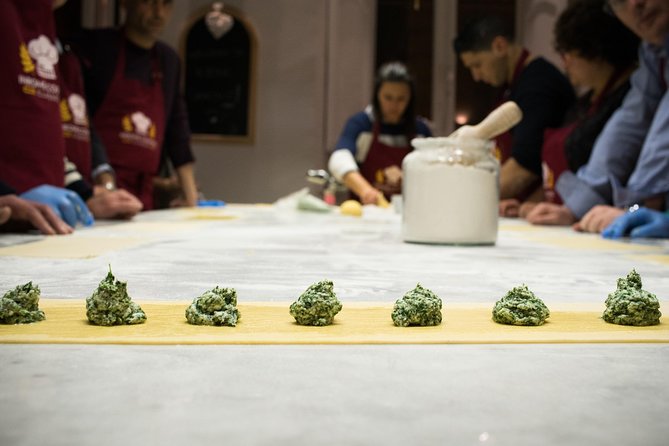
The core of the class is making fresh pasta from scratch. You’ll knead dough by hand and shape it into two pasta types. The exact pasta shapes can vary by session and chef, but the theme is consistent: you’ll handle the dough, learn how it should look and feel, and then turn that into finished pasta.
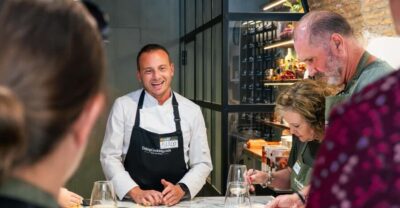
One thing I like about this setup is the pacing. Fresh pasta can go wrong fast if you rush. The chefs focus on guiding your hand, not just reciting steps. Based on instructors named in past classes—like David, Simone, Francesco, Marco, Max, Sara, Alessandro, and Fabio—you can expect different teaching styles, but the common thread is patient coaching and clear direction.
Two Roman sauces: learn the base, then build variations
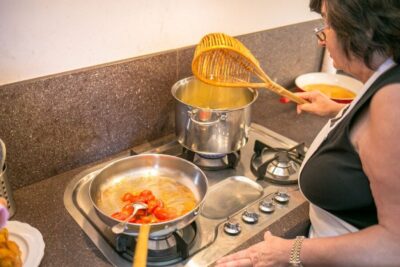
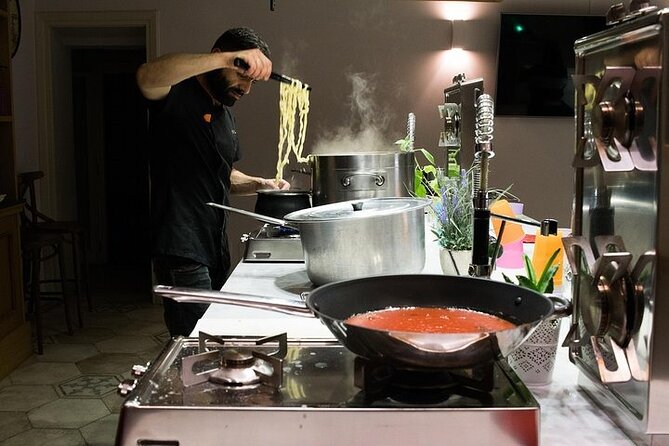
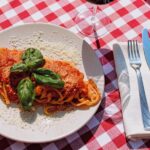
You don’t just make noodles and call it a day. You also cook two types of authentic Roman sauces. Rome sauces have a different personality than the glossy cream-based stuff many people expect from the rest of Italy. The idea is to show you how sauce structure works, so you can recreate it later.
A practical bonus: you’ll get tips for substitutions and how flavors interact. One past participant noted they learned how to choose ingredients and what happens when you swap things to make it easier at home. That’s the kind of teaching you actually use when your pantry is missing one ingredient.
Finish with homemade tiramisù (with history)
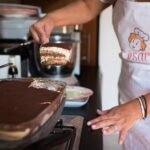
Dessert is a full stop, not an afterthought. You’ll make classic tiramisù, and you’ll learn its history as part of the lesson. For many people, tiramisù feels like a “store-bought” dessert until someone teaches you the method. You’ll build it step by step and learn how to handle the cream so it sets up correctly.
If you love the idea of cooking a dish that looks impressive but doesn’t require fancy tools, tiramisù is perfect. It’s mostly technique and timing: assembling carefully and getting the texture right.
The kitchen setup: professional equipment and what that means for you
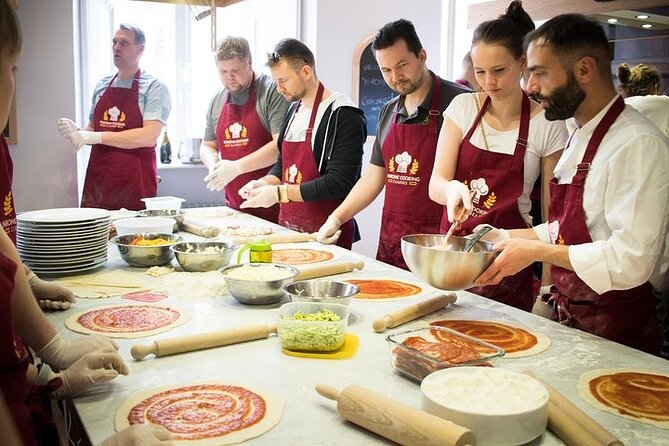
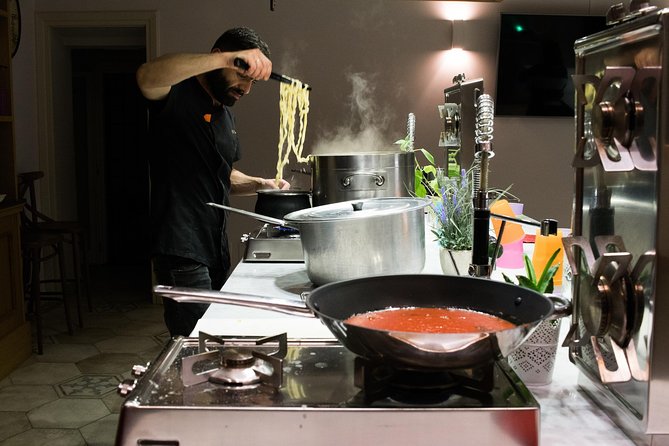
This isn’t a tiny demo room with one cutting board. The experience is run in a proper Italian kitchen and uses professional-grade equipment. That matters for pasta because the work is physical: kneading, resting, rolling, and cutting/portioning. With real tools and a working kitchen flow, you’re more likely to finish with pasta that actually has the right texture.
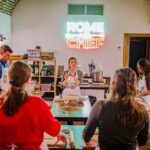
The provider says their kitchen is about 110 m² (around 1,180 sq ft) and that they host two chefs with up to nine guests each to keep things personal and hands-on. That’s a good model. Two chefs can mean less waiting, but it can also mean a louder room at times—especially if your class is in the same active space as another group.
Noise and hearing your chef: how to handle it
If you hate loud rooms, take precautions. Sit where you can see the chef clearly. Ask quick follow-ups early rather than saving them until the most crowded moment. And if you arrive a few minutes early, you can settle in before the kitchen gets going.
Also, don’t underestimate how quickly a kitchen gets busy. You’ll be working, not just listening. That’s part of the fun, but it means the “teach and watch” time is shorter than in a quiet classroom.
The best part after cooking: eating like you mean it
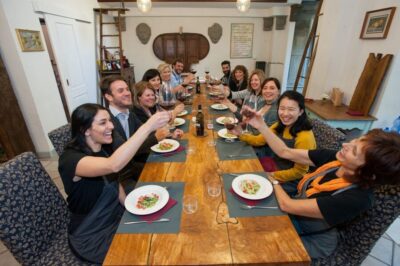
The class includes food tasting, light refreshments, and a lunch 2-course lunch in the included description. Since the start time provided here is 5:30 pm, the key point is this: regardless of the time slot, you’ll end with a sit-down meal built around what you cooked, plus included drinks. The sample menu clearly indicates an organized meal flow: starter drink and antipasti, then pasta, then tiramisù.
You should expect wine with the meal and soft drinks. Past sessions specifically mention sparkling wine at the start and wine with dinner. Bottled water is also included.
Why this matters for value
Cooking classes can be pricey. The value here is that your fee buys more than instructions. It buys ingredients, kitchen time, and the meal you produce with drinks. If you were to eat a decent Roman dinner plus wine and then separately do a cooking workshop, you’d likely pay more overall.
At $119.77 per person for roughly 2.5 hours, the pricing makes sense when you count: two pasta types, two sauces, tiramisù, antipasti, Prosecco, wine, and bottled water, plus hands-on coaching in a small group setting. It’s not a budget snack class—it’s a structured food night with real dinner energy.
Who the chefs are (and what teaching style to expect)
You’ll cook with friendly, English-speaking chefs. The reviews you provided include a range of instructor names—David, Simone, Francesco, Marco, Max, Sara, Alessandro, and Fabio—who are consistently described as patient, engaging, funny, and clear about step-by-step instructions.
That teaching style is important for two reasons:
- Pasta is hands-on: you need feedback on dough feel and shape.
- Tiramisu is technique: cream texture and assembly timing can ruin the result if you rush.
From the notes, the chefs also share tips and tricks—especially substitutions to make the recipes practical at home. That’s where a class like this becomes “useful” rather than “cute.”
Flexibility, allergies, and special diets
Vegetarian and gluten-free options are available. That’s a big deal because pasta-making is often assumed to be all wheat. If you’re gluten-free, you should ask about the approach for dough substitutions when you book, but the key fact is that options exist.
Allergy handling also comes up in the feedback. One participant specifically described how the chef handled allergy concerns and worked to prevent cross-contamination. Don’t assume your dietary needs can be “fixed on the fly,” though. If you have restrictions, you’ll be best served by sharing them when you confirm.
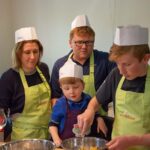
If you’re traveling with kids, this class can still work. Several reviews mention family-friendly experiences, including ages spanning elementary to teens. Just know it’s a real kitchen environment—there will be heat, tools, and a bit of controlled chaos.
What you should do before and after class
Before class, decide what kind of night you want.
- If you want a relaxed evening: plan this earlier in your meal window and keep your sightseeing light after.
- If you want a sightseeing-heavy day: this gives you an anchor—cooking plus dinner in one block.
After class, you’re in a central Rome zone near Piazza Navona, which makes the “walk it off” part easy. Grab coffee, wander side streets, and let the city do its usual thing.
Also, if you want to get the most out of this class at home later, think like a kitchen student:
- Watch how the dough changes as you work it.
- Note the sauce flavor cues the chef talks about.
- Remember what the tiramisù looks like at each assembly stage.
One added perk mentioned in the feedback: you may receive a link to a cookbook with recipes from the class, plus extra options.
Price and logistics: what to know so it goes smoothly
Here’s the practical stuff that affects your experience.
Timing
The meeting details you have show a 5:30 pm start and about 2 hours 30 minutes. If you prefer ending before peak dinner crowds, look into morning sessions mentioned as ending at lunch. That’s the simplest way to control how late your night gets.
Meeting point and walking
The meeting point is Corso del Rinascimento, 65, 00186 Roma RM. The class ends back at the meeting point. In at least one case described, participants were walked to a nearby school location before class started. That suggests a short move may happen even if the address is the same general area. I’d recommend planning for a quick walk and arriving a few minutes early so you’re not rushed finding the start.
Ticket and language
You’ll receive a mobile ticket and the class is offered in English. That’s straightforward and helpful if you want to focus on technique instead of translating.
Should you book this pasta and tiramisù class?
If you want a Rome experience that’s hands-on, tasty, and structured, this is a strong pick. The combination of fresh pasta (two types), two Roman sauces, and homemade tiramisù is the right mix of savory and sweet. You also get drinks and a real meal, which makes the price feel more reasonable.
Book it if:
- You enjoy cooking and want to learn technique you can repeat at home
- You want a small-group evening with a social meal
- You’re near Piazza Navona and want a central, easy-to-fit activity
Skip or plan carefully if:
- You’re very sensitive to noise. Rooms can be lively, and space can feel tight when classes run alongside each other.
- You expect a quiet, lecture-style experience. This is active cooking, not passive watching.
If you like the idea of learning dough feel, sauce building, and tiramisù assembly in one night, you’ll likely love it.
FAQ
What is the meeting point for this pasta and tiramisù class?
The meeting point is Corso del Rinascimento, 65, 00186 Roma RM, Italy.
What time does the class start?
The start time shown is 5:30 pm.
How long is the experience?
It lasts about 2 hours 30 minutes.
Is the class taught in English?
Yes, the experience is offered in English.
How big is the group?
The maximum group size is 15 travelers/participants.
What dishes will I make?
You will make fresh pasta (two types) and classic tiramisù.
Are Roman pasta sauces included?
Yes. The class includes making two types of authentic Roman pasta sauces.
What’s included to eat and drink?
Included items are food tasting, light refreshments, and a lunch 2-course meal, plus bottled water and alcoholic beverages.
Do they offer vegetarian or gluten-free options?
Yes, vegetarian and gluten-free options are available.
What is the cancellation policy?
Free cancellation is available up to 24 hours before the experience start time for a full refund. If you cancel less than 24 hours before, the amount paid will not be refunded.