REVIEW · POSITANO
Hands-on Pasta Making Class near the Amalfi Coast with Rosanna
Book on Viator →Bookable on Viator
Pasta starts with a family farm. Near Positano on the Amalfi Coast, this hands-on class lets you cook in a local home with Rosanna and her brother Antonio as your translator, all on an organic farm run by their family for four generations. I love how much you do yourself here, especially making fresh pasta from scratch instead of watching from a distance.
I also like the payoff: you don’t just learn, you eat what you made with organic ingredients, plus wine with the meal. The one drawback to plan for is logistics—there’s no hotel pick-up, and you’ll meet at Via Castello, 80051 Pianillo, so you’ll want a simple way to get there and back.
In This Review
- Key points at a glance
- A family farm kitchen near Positano
- Meeting in Pianillo: what to expect before you cook
- Coffee, a wine-cellar stop, and a garden harvest
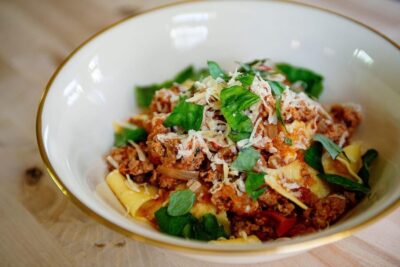
- Hands-on pasta making: scialatielli and gnocchi alla Sorentina
- Farm sauce, organic olive oil, and what you’ll taste later
- The meal you made: sitting down with organic wine
- Gluten-free and other dietary options that are built in
- Private by design: translator, small moments, and better attention
- Price and timing: is it worth $328?
- Who should book this Amalfi Coast pasta class?
- Should you book this Amalfi Coast pasta class?
- FAQ
- Where is the pasta making class located?
- How long is the experience?
- Is this class private or shared?
- What pasta types will I learn to make?
- Can they accommodate gluten-free, vegetarian, or vegan diets?
- Are drinks included with the meal?
- Can I cancel for a full refund?
Key points at a glance
- True farm-to-table feel with organic vegetables, herbs, and olive oil used in your meal
- Hands-on pasta making with two fresh styles, typically scialatielli and gnocchi alla Sorentina
- Antonio translates, so you’re not stuck guessing in the kitchen
- Gluten-free is handled seriously, with options built into the pasta process
- Private, personalized experience: just your group in the kitchen and at the table
- Wine is part of the meal, included, with a tour-style look at the wine cellar
A family farm kitchen near Positano
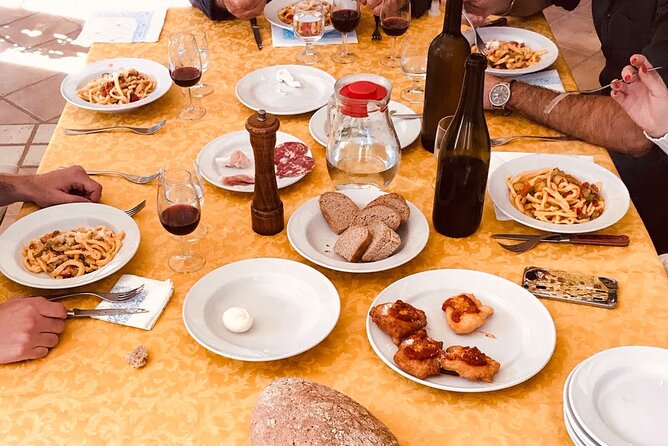
This is the kind of cooking experience that feels like someone opened a door for you. The setting is Pianillo on the Amalfi side, where Rosanna and her brother Antonio’s family has been running the farm for four generations. Their focus is traditional food and wine made from organic ingredients they grow.
What makes the class feel real is how it connects farming to the plate. Before you even roll dough, you’re guided through the farm world: the garden where seasonal vegetables and herbs come from, plus a visit to the wine cellar where you can pick up a bottle. It’s not a museum stop. It’s part of how they explain the food you’ll make next.
And yes, you’ll spend real time at the counter. This is “hands-in-the-dough” cooking. The goal isn’t to produce restaurant-level perfection. It’s to learn the method, understand the ingredients, and walk away able to repeat the basics at home.
You can also read our reviews of more tours and experiences in Positano.
Meeting in Pianillo: what to expect before you cook
You’ll meet at Via Castello, 80051 Pianillo NA, Italy, and the experience ends back at that meeting point. Since hotel pick-up and drop-off aren’t included, you should plan your transport around the meeting location and your own schedule.
One practical reason this matters: you’ll likely want to arrive with enough calm to enjoy the first welcome drink and the short farm tour. If you show up stressed, you’ll feel it later when you’re kneading dough. The best approach is simple: pick a plan that gets you there on time without racing.
The good news is that the activity is near public transportation, so you may have options depending on where you’re staying. Also, confirmation is provided within 48 hours of booking (subject to availability), so you should have your exact start info fairly close to the date.
Coffee, a wine-cellar stop, and a garden harvest
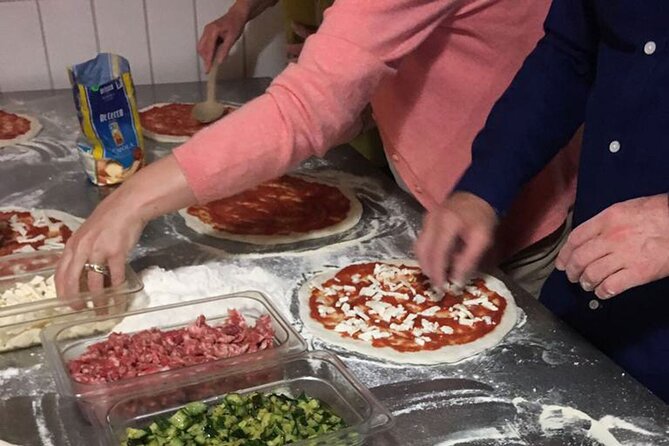
The experience starts with a warm welcome into the family home and farm in Pianillo. You’ll be greeted with a cup of coffee, and when Pasquale is available, he’s part of the early welcome too—some visits are paired with elder blossom water rather than coffee. Either way, it’s a relaxed start that helps you shift gears from Amalfi sightseeing to farm life.
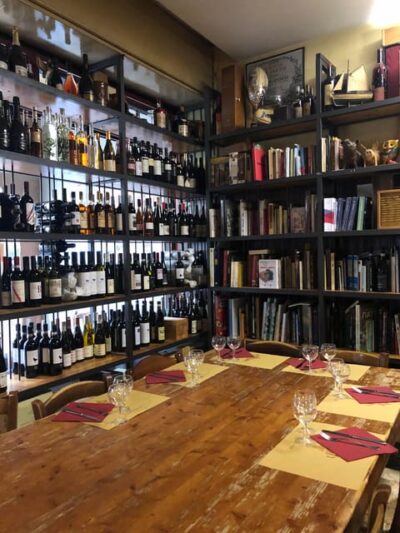
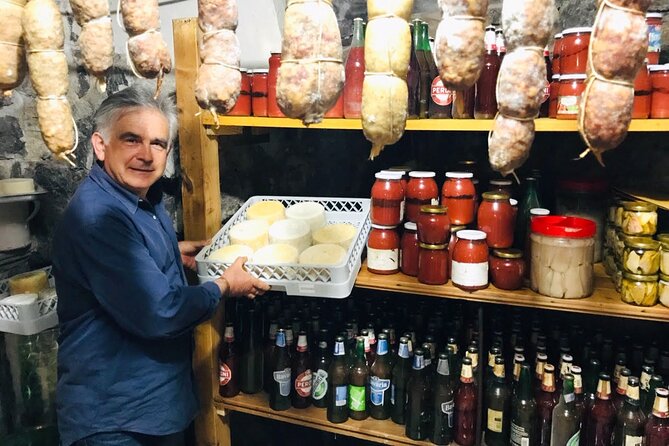
Then comes a small but meaningful change of pace: you visit their wine cellar. This is where the farm’s wine story becomes concrete. You can also pick up a bottle of wine, which is a nice touch if you’re thinking about bringing something local home.
After the cellar, you’ll head to the garden to gather seasonal vegetables and herbs for the cooking class. That detail matters. When you later taste the sauce and see which herbs went in, the flavors stop being vague “Italian seasoning” and start being specific ingredients you actually chose.
Hands-on pasta making: scialatielli and gnocchi alla Sorentina
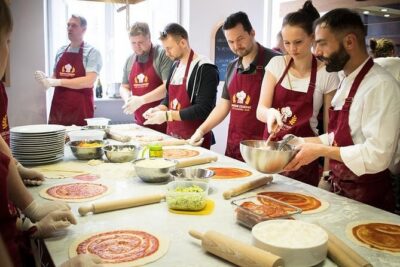
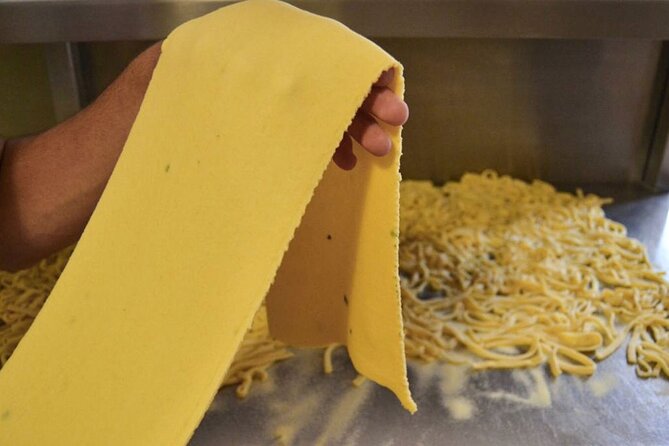
Now the fun part: the kitchen lesson with Antonio translating for you. This is where the class delivers on the promise of being personal. Instead of watching a chef do everything, Rosanna walks you through how to make two different types of fresh pasta from scratch.
Typically, you’ll make:
- Scialatielli, a Neapolitan-style pasta
- Gnocchi alla Sorentina, made with potato flour
Expect kneading, shaping, and learning what the dough should feel like as it comes together. Fresh pasta dough is very tactile, and that hands-on part is usually the memory people take home—because it’s not passive. You learn by doing.
Two things I like about this approach for real life travelers:
- You’re given a repeatable method. Even if you don’t recreate the exact shape at home, you leave with a feel for the dough.
- The pasta styles are different enough that you understand how ingredient choices change the texture and cooking.
As you work, Rosanna guides you step by step, and Antonio helps keep the explanations clear in your language. That’s a big deal if you’re not fluent in Italian and you want to actually learn, not just follow a sequence.
Farm sauce, organic olive oil, and what you’ll taste later
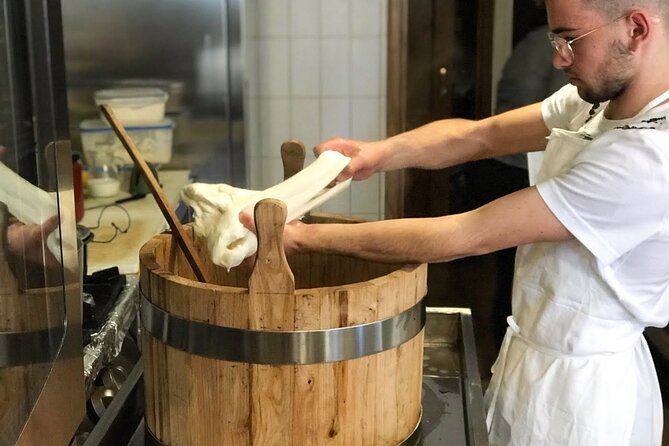
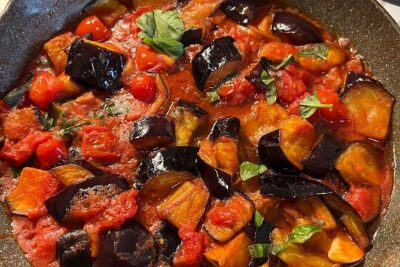
Pasta is only half the story here. You’ll also learn how to make sauce using farm-fresh ingredients: organic vegetables, herbs, and the family’s own organic extra virgin olive oil.
That oil detail is especially useful. People often buy olive oil, then treat it like a generic pantry item. Here, you understand it as an ingredient from a specific place and process. When you use the farm’s olive oil in the sauce (and then taste the final meal), you’ll connect flavor to source in a way that sticks.
The menu can vary depending on the season, so the exact sauce ingredients may change. That seasonal flexibility is a plus rather than a downside, because it means you’re cooking what’s fresh and available, not forcing a single recipe regardless of the calendar.
The meal you made: sitting down with organic wine
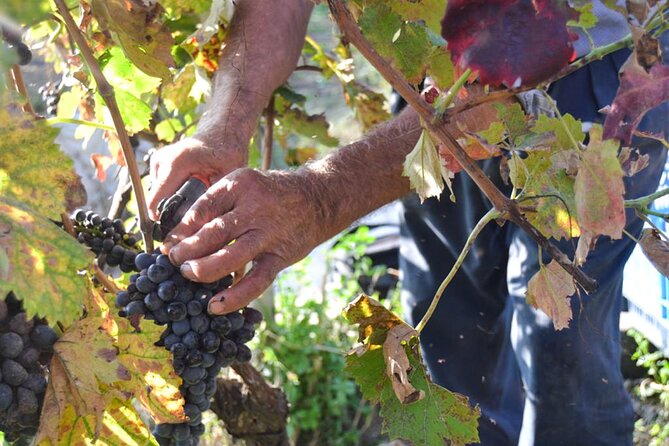
After cooking, you eat the fruits of your labor at the table with Rosanna and Antonio. This isn’t a quick standing snack. It’s a proper meal, built around what you made in the kitchen.
Alcoholic beverages are included, and the meal is served over organic wine. That changes the vibe. You’re not just tasting ingredients—you’re pairing them as the family does. If you’re the type who wants your travel meals to feel local rather than staged, this format usually hits the mark.
Also, because this is private, you don’t have to rush through eating while someone else’s group waits. You can ask questions, slow down between courses, and treat the meal like part of the cooking lesson rather than the end of it.
One more small but meaningful point: the menu may vary by season. So the experience feels less like a scripted show and more like a real family meal that changes with what the farm is producing.
Gluten-free and other dietary options that are built in
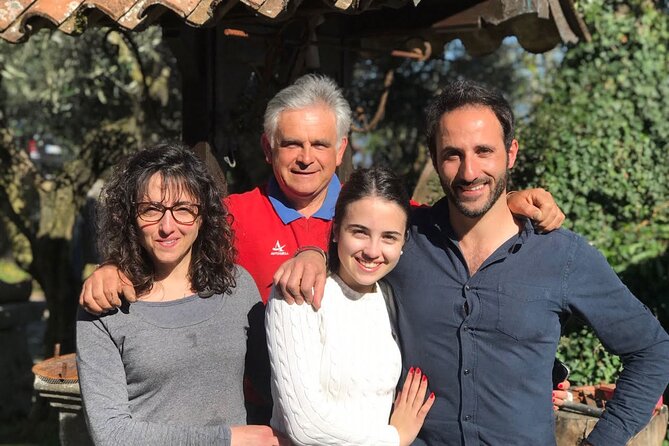
This is a big reason people return to this class. Gluten-free is handled with care, not as a last-minute swap. If you have a severe allergy, you’ll be able to request gluten-free options in advance.
Vegetarian and vegan options are available too, along with gluten-free. The key is that you need to inform the hosts at booking about any dietary restrictions, allergies, or cooking preferences. That’s what makes the difference between a safe meal and a “maybe this works” situation.
One thing I’d treat as a green light: the experience is set up for dietary adjustments rather than forcing everyone onto one standard menu. When you request gluten-free, you should expect the pasta-making process to adapt accordingly so you can participate fully.
If you’re gluten-free, this class is worth extra attention because you’re not stuck watching dough-making happen without you. You’re actually making pasta.
Private by design: translator, small moments, and better attention
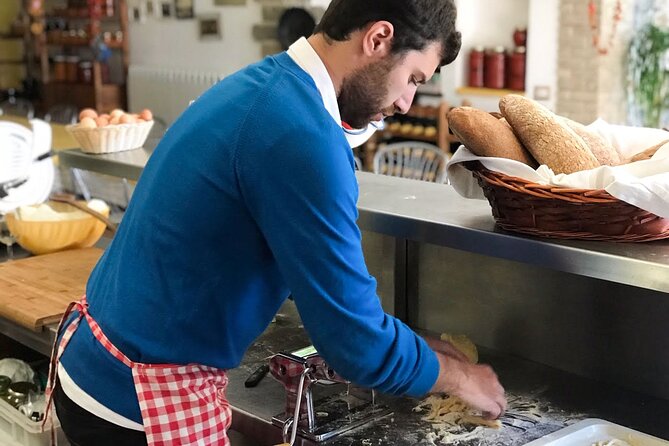
This activity is private, personalized, and only your group participates. That matters because kitchen learning is easier when your attention isn’t split between multiple groups.
Antonio’s role as translator also makes the experience smoother. Cooking instructions can include lots of tiny cues—dough texture, timing, and technique. Having a translator helps you understand what you’re doing and why you’re doing it, not just what step comes next.
Some of the “small moments” make it feel like a family operation. Hosts may greet you with coffee or elder blossom water when available, and you get brief insight into what the farm produces: wine, cheese, olive oil, and even limoncello are part of their farm story. Even if you don’t taste everything, you’ll leave with a clearer picture of how the farm runs beyond just this single meal.
And because it’s three hours (approx.), the pace stays focused. You get enough time to learn, cook, and eat without turning it into an all-day commitment that wipes out your Amalfi schedule.
Price and timing: is it worth $328?
At $328 per person for about three hours, this isn’t the cheapest pasta class. But the price makes more sense when you break down what’s included.
Included in the experience:
- A private cooking class and meal with your host Rosanna
- Alcoholic beverages
- All fees and taxes
- Gratuities
Not included:
- Hotel pick-up and drop-off
So you’re paying for a private farm-home cooking experience with a translator, plus the ingredients and wine, plus the service side (fees and gratuities). If you compare that to classes where you share space, don’t get much personalized instruction, or where alcohol and meals cost extra, the value shifts toward the hosts’ experience and your learning time.
The other value point is access. You’re not just learning pasta. You’re spending time on a working organic farm with a visit to the wine cellar and a garden harvest. That farm context is part of what you’re buying.
If you’re traveling in a pair or small group and you care about hands-on cooking and local food, this price can feel reasonable. If you want a quick, low-cost activity with minimal planning, you may find it steep. But if you want quality and participation, it’s easier to justify.
Who should book this Amalfi Coast pasta class?
This one fits especially well if you:
- Want a hands-on Positano-area cooking class with a real local farm setting
- Need gluten-free, vegetarian, vegan options and want them handled with care
- Prefer a private experience over a big group schedule
- Like wine and farm food, not just the idea of it
It’s also a strong choice for couples who want one memorable, different meal experience during their Amalfi visit. The three-hour length makes it easy to slot into a day without derailing everything else.
If you’re traveling with mobility constraints or you hate getting to meeting points without hotel pickup, you’ll want to think ahead. The experience is near public transportation, but the lack of pick-up means your route matters.
Should you book this Amalfi Coast pasta class?
Yes, if you want an Amalfi-area experience that feels lived-in and practical. The combination of organic farm ingredients, two types of fresh pasta you make yourself, and a real sit-down meal with organic wine is a strong match for people who like food travel that actually changes what you know and what you can cook later.
Book it especially if gluten-free (or another restriction) is part of your decision. The class is set up to handle dietary needs when you communicate them in advance, and that’s where many cooking experiences fail.
Skip it if you want zero planning and minimal transport hassle, because you’ll handle your own way to Pianillo at Via Castello. Also, if you’re expecting a super fast, casual snack event, this is hands-on cooking—expect work, not just tasting.
If you’re okay with that trade-off, this class is one of the best ways to turn your Amalfi visit into something you can replay at home.
FAQ
Where is the pasta making class located?
The meeting point is Via Castello, 80051 Pianillo NA, Italy, and the activity ends back at the meeting point.
How long is the experience?
It runs about 3 hours.
Is this class private or shared?
It’s private. Only your group participates.
What pasta types will I learn to make?
You’ll typically make two fresh pasta types: scialatielli and gnocchi alla Sorentina.
Can they accommodate gluten-free, vegetarian, or vegan diets?
Yes. Vegetarian, vegan, and gluten-free options are available. You should inform the hosts in advance about any allergies or dietary restrictions.
Are drinks included with the meal?
Yes. Alcoholic beverages are included, and the meal is served with organic wine.
Can I cancel for a full refund?
Yes. You can cancel up to 24 hours in advance of the experience’s start time for a full refund.