REVIEW · ROME
Rome: Pasta, Ravioli & Tiramisu Cooking Class by Colosseum
Book on GetYourGuide →Operated by EnjoyCooking.com · Bookable on GetYourGuide
Three hours, pasta and wine, no fuss. This Rome class is the kind of evening that feels local fast—especially with chefs like Marco guiding the room. I really liked learning handmade pasta from scratch and watching it turn into ravioli you can actually taste at the end. One note up front: this experience is not suitable for people with nut allergies, and gluten-free may be difficult because trace ingredients could be present.
What makes it work is the small scale. The group is capped at 10, the instruction is in English, and you get personal attention while you cook. Add in the free-flowing Italian wine (and the chance to sit down and eat what you made), and it turns into a fun skills night, not a rushed demo.
In This Review
- Key things to know before you go
- A small kitchen experience that feels very Roman
- Where it fits in your day (and how long it really takes)
- What you’ll actually cook: pasta, ravioli, and tiramisu
- Step-by-step pasta lessons that make dinner feel possible at home
- The ravioli moment: rolling, filling, and getting it right
- Tiramisu from scratch: the creamy layers matter
- Wine, snacks, and the pace of the room
- The chefs: why personalities matter in a cooking class
- Food you’ll remember: what to focus on while cooking
- Price and value: what $112.15 buys you
- Who this class is perfect for (and who should rethink it)
- Practical tips so you enjoy the cooking (not just survive it)
- A great after-class idea near the Colosseum
- Should you book this Rome pasta, ravioli & tiramisu class?
- FAQ
- How long is the pasta, ravioli & tiramisu cooking class?
- What is included in the class?
- Do I need to bring ingredients or supplies?
- Is transportation included?
- Where does the class start and end?
- Is the class taught in English?
- What if I arrive late?
- Will the class run in bad weather?
- Can the class accommodate allergies or dietary restrictions?
Key things to know before you go
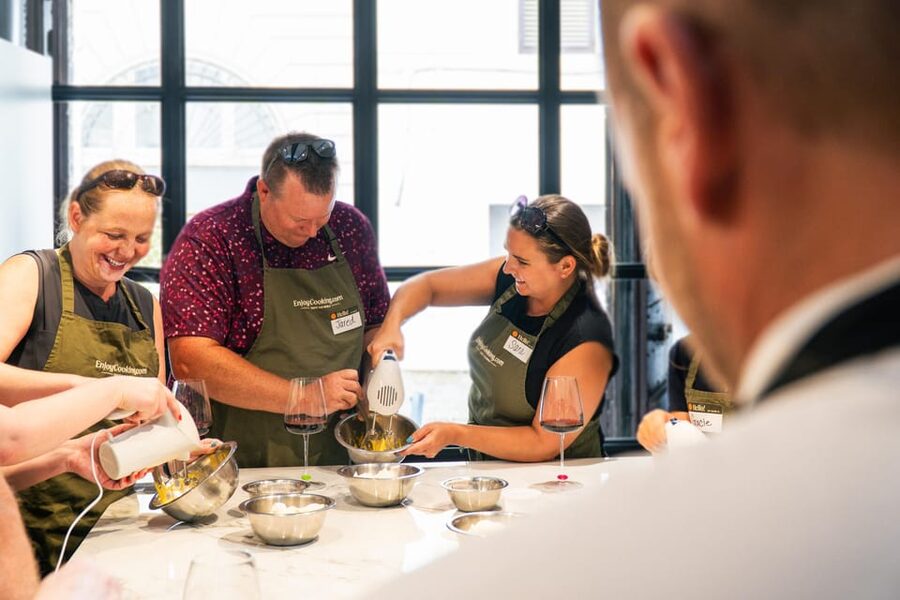
- Small group, up to 10 people means you’re not stuck watching from the sidelines.
- Two types of handmade pasta plus tiramisu gives you more than one go-to recipe to take home.
- Free-flowing Italian wine is part of the experience, so plan your evening accordingly.
- English-speaking chef instruction keeps the cooking steps clear, even if you’ve never made pasta before.
- You take home a recipe book, so you can practice your new skills after Rome.
A small kitchen experience that feels very Roman
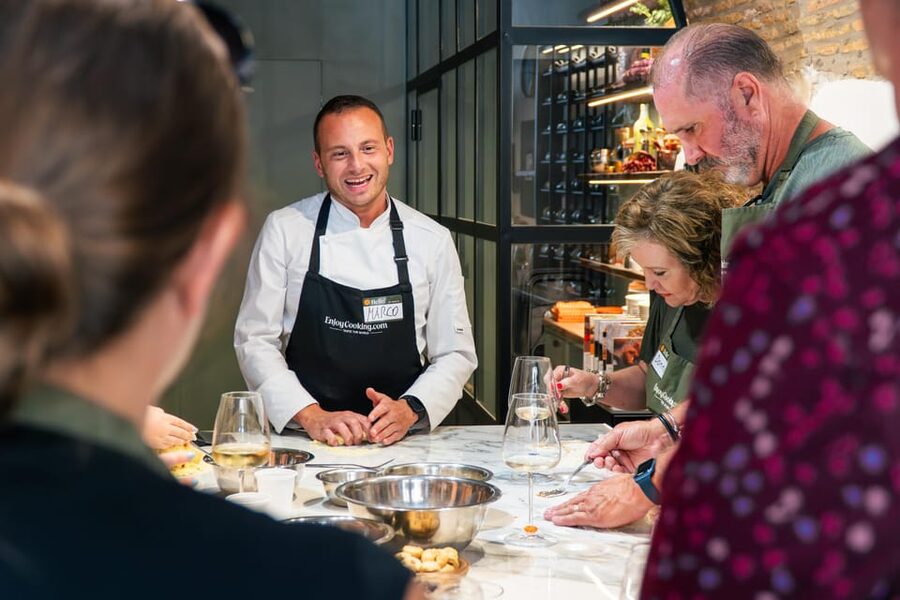
Rome is full of food stops, but this is different. Instead of just ordering, you’re making. That’s the big win: your hands learn the texture, not just your brain learns the idea.
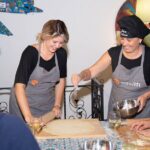
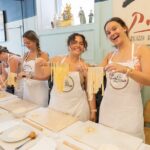
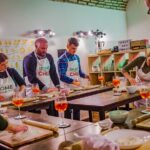
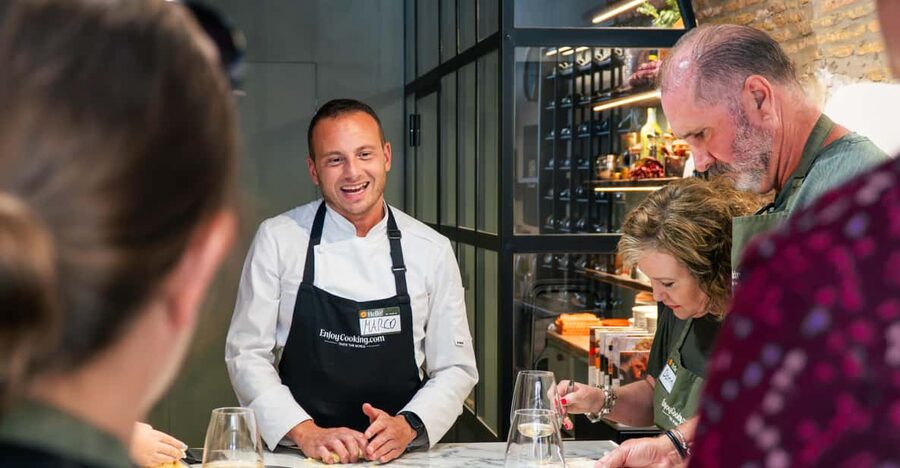
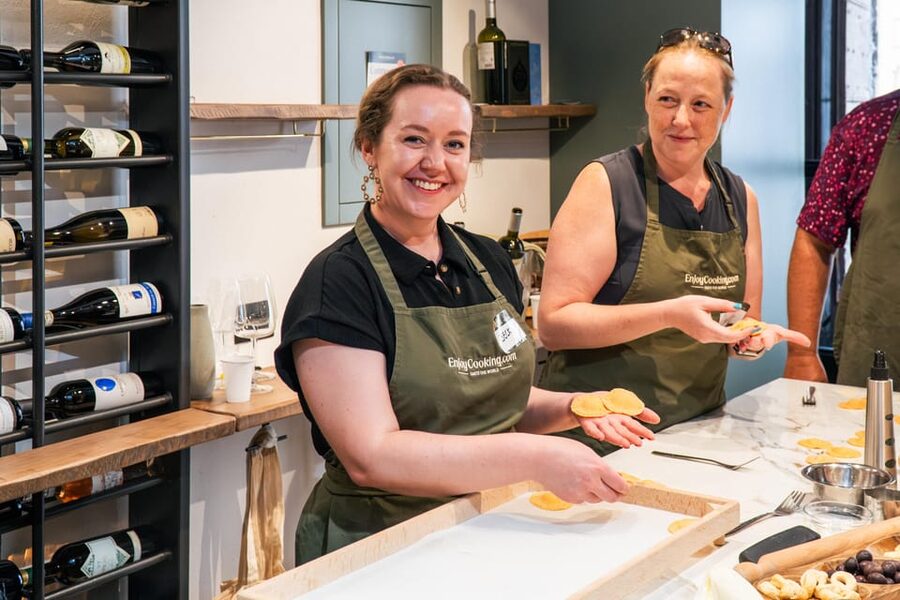
The setup is designed for comfort and flow. You’ll cook at the same time you’re being taught, with local chefs leading step-by-step. In the past, chefs like Marco, Max, and Alex have run the class with a mix of solid technique and real personality—fun enough that even teenagers reportedly had a laugh and stayed engaged. That matters because pasta can be intimidating at first. When the room is relaxed, the learning sticks.
Also, you’ll be eating what you make at the end. That turns the whole class into a pay-off moment, not just a cooking session. For many people, that meal is what makes the experience the highlight of the trip.
You can also read our reviews of more tours and experiences in Rome.
Where it fits in your day (and how long it really takes)
The class runs about 3 hours, and your exact start time depends on what’s available when you book. The activity meets at a meeting point that can vary by option, and it ends back there too—so you’re not stuck figuring out how to get across the city afterward.
Because the instruction happens in one block, it’s best to treat this like your anchor plan for the evening. If you stack it right after a long day of walking, you’ll still be fine—but you’ll feel happier if you arrive with a little energy left.
One practical reminder: the class proceeds regardless of weather. That’s good because Rome weather can flip fast, but it also means you’ll want comfortable clothes you can work in.
What you’ll actually cook: pasta, ravioli, and tiramisu
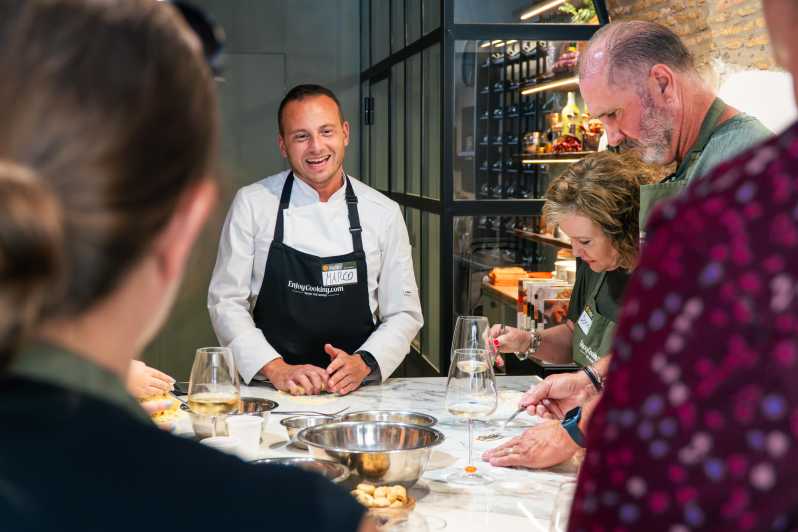
This isn’t a generic Italian cooking class. You’ll make two types of handmade pasta from scratch, plus tiramisu, all with recipes.
The pasta part is built in stages:
- You start by making handmade pasta dough from scratch.
- You create the filling and sauces (guided by the chef).
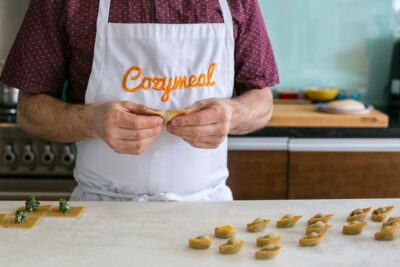
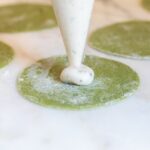
- You roll, cut, and form the pasta into ravioli.
- You finish it with a sauce that ties it all together.
Then you switch to dessert:
- You craft the tiramisu layers from scratch, with the chef guiding the creamy builds step-by-step.
That structure is smart for first-timers. You’re not expected to magically understand pasta technique all at once. You learn it in the order it happens in real kitchens.
Step-by-step pasta lessons that make dinner feel possible at home
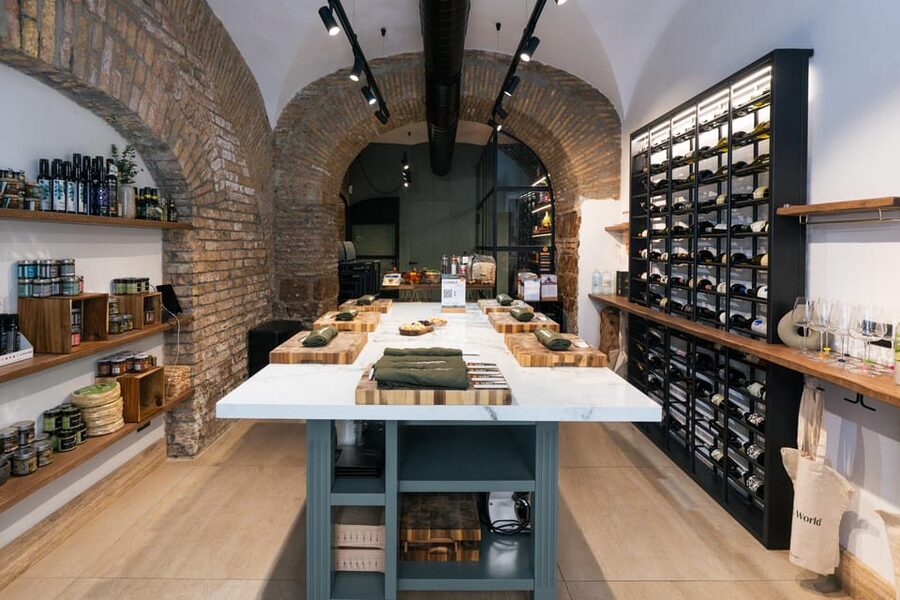
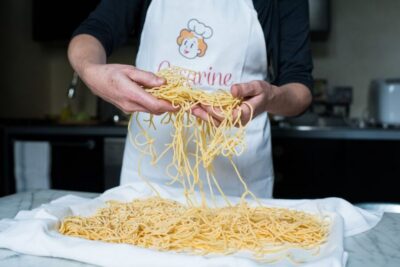
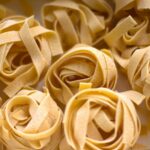
If you’ve ever bought dried pasta and wondered why it never tastes like Italy, this is where the difference starts. In this class, you make dough from ingredients and learn the mechanics: how the dough should feel, how to work it, and how to handle the roll and cut process.
I especially like that the focus is not just “make noodles.” You work on the complete system:
- Dough technique
- Filling building
- Sauce choices and timing
- Ravioli forming
That’s one of the most praised parts of the experience, with people pointing out that the chef teaches sauces and fillings, not just the pasta. It makes the skills more useful. Afterward, you can take the method and apply it to other fillings and sauces—even if your next batch isn’t exactly the same.
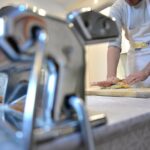
And yes, you’ll probably start thinking about equipment. One common takeaway is that you may want to buy a pasta machine if you plan to practice. The class gives you enough confidence to understand what you’d actually use it for.
The ravioli moment: rolling, filling, and getting it right
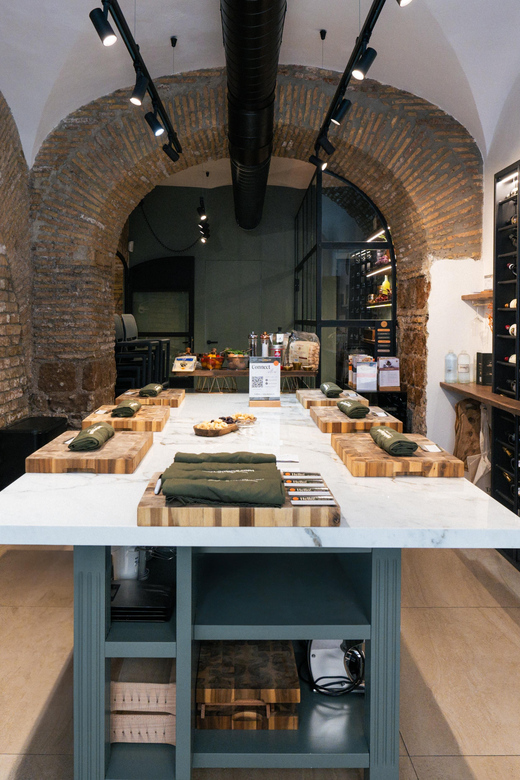
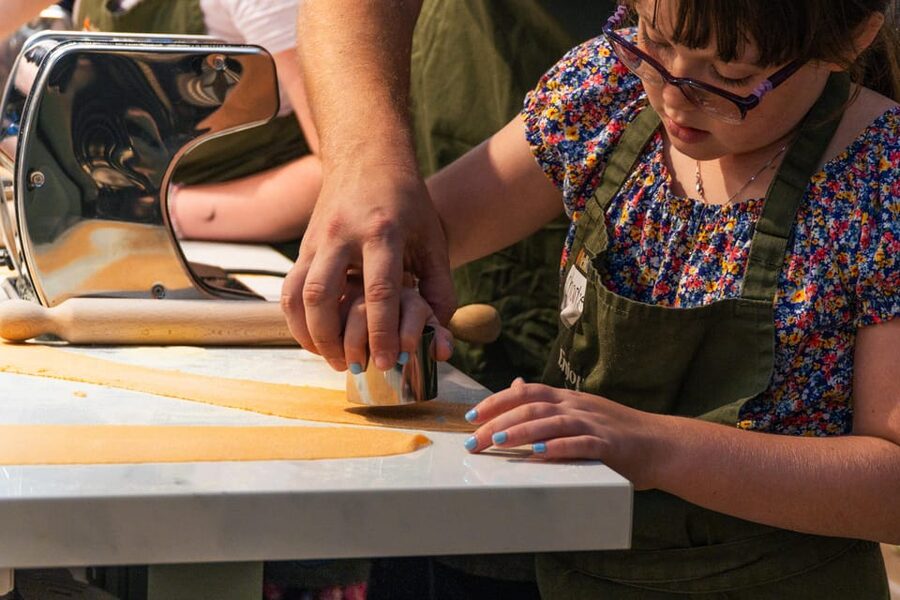
Ravioli is where technique becomes reality. The dough has to be thin enough to be tender, sturdy enough not to tear, and the filling needs to taste balanced.
In the room, you’re guided step-by-step, so you’re not guessing. You learn how to portion, fill, and seal. And because the group is small, you can get help when your ravioli shapes start looking a little homemade (which is normal at first).
The best part is that the class doesn’t stop at forming. You finish with a sauce, and then you sit down to eat. That’s how you learn what matters: texture, thickness, and how flavors land together.



Tiramisu from scratch: the creamy layers matter
Tiramisu sounds simple until you try to make it and realize the layers need the right rhythm. This class keeps it hands-on, with you creating each creamy layer from scratch under the chef’s direction.
The practical value here is that you get the logic behind the dessert:
- what you’re mixing
- how the layers come together
- what you’re aiming for in texture
Several people have said tiramisu here was the best they tasted in Italy, and that makes sense. When you make it yourself with guidance, you pay attention to the details that restaurant versions often hide behind speed.
If you’re new to dessert cooking, the tiramisu portion is a great confidence-builder. You’re not just following; you’re learning how to build a dessert in stages.
Wine, snacks, and the pace of the room
You get free-flowing Italian wine with the class. In real life, that changes the energy. It’s not a bar night, but it does make the experience feel like a celebration of cooking.
A helpful detail: some past sessions include snacks during the middle of the table. People have also mentioned that soft drinks may be available alongside the wine, which is good if you’d rather keep the alcohol light.
You’ll also be seated and enjoy your meal together after the cooking. That’s a major part of the value. You’re learning, yes—but you’re also sharing the results immediately, which makes the whole thing feel complete.
The chefs: why personalities matter in a cooking class
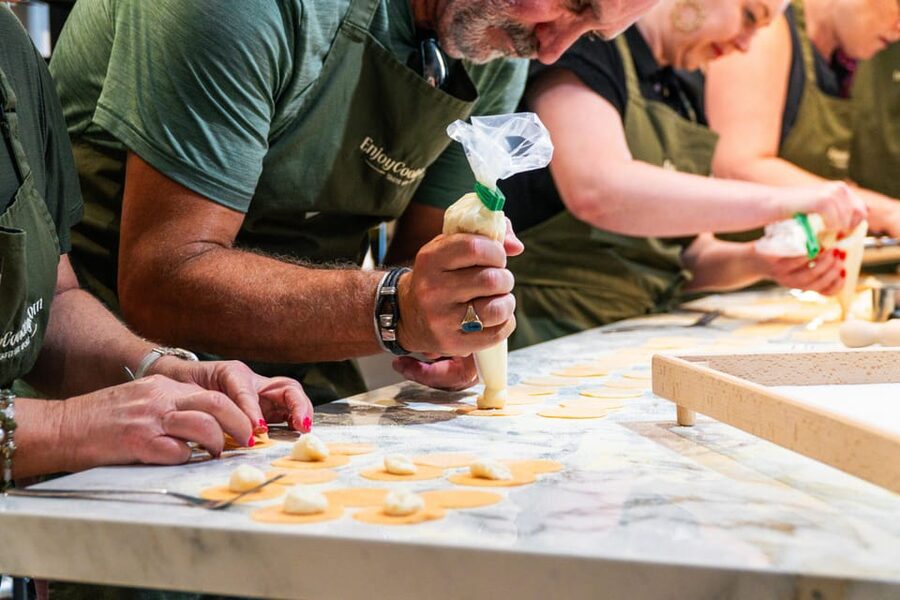
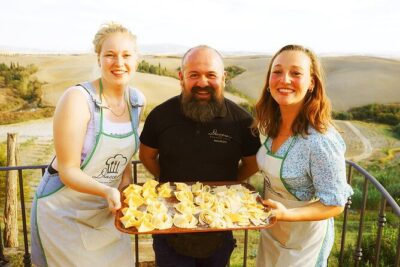
This class is led by local chefs who teach in English. The big pattern in the best feedback is how well the chefs balance technique with fun.
Chefs like Marco, Max, and Alex have been praised for being:
- easy to work with
- good at putting people at ease
- able to explain ingredients and why they matter
- funny without turning it into a circus
That matters more than it sounds. Pasta dough doesn’t care if you’re nervous. If your chef helps you relax while explaining the steps, you end up doing better work without feeling like you’re constantly under pressure.
Food you’ll remember: what to focus on while cooking
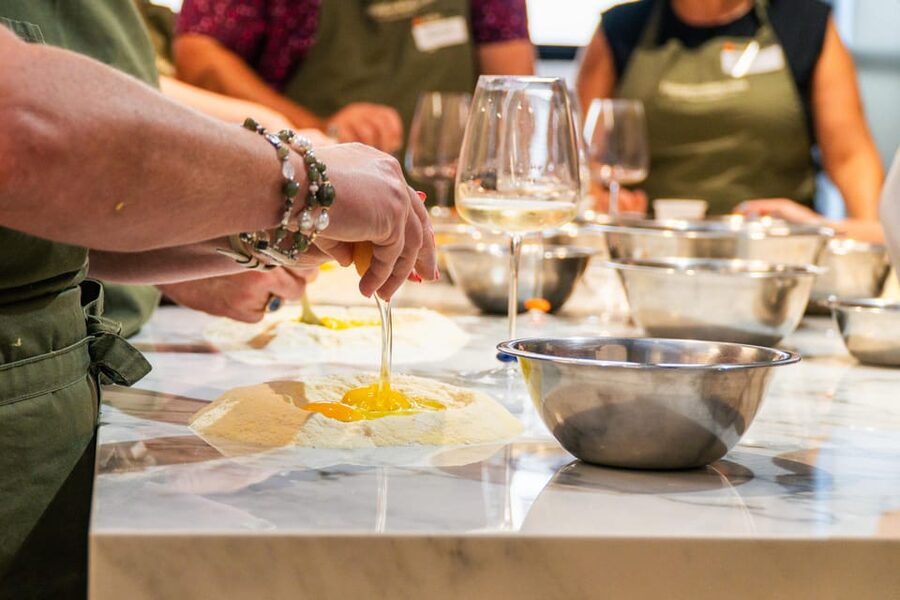
When you’re in the middle of dough and filling, it’s easy to just chase the next instruction. I’d suggest focusing on three things so you actually get transferable skills:
- Texture of the dough
Pasta is all about the feel. If you learn what the dough should be like, you can adjust next time.
- Balance of filling and sauce
Don’t treat sauce as an afterthought. The filling and sauce together are what make ravioli taste finished.
- Layer building for tiramisu
Dessert timing and assembly matter. Even if your ingredients aren’t identical at home, the method helps you recreate the result.
Also, be ready to taste as you go. It helps you connect instructions to flavor, not just technique.
Price and value: what $112.15 buys you
At $112.15 per person, this class isn’t a budget snack. But it’s also not overpriced for what you’re getting—especially in Rome, where food experiences range from quick tastings to big-ticket tours.
Here’s the value breakdown:
- You get a guided, hands-on class led by local chefs.
- You make two types of handmade pasta plus tiramisu with recipes.
- You’re included with free-flowing Italian wine.
- The group is capped at 10, which usually means more attention than a large cooking event.
Also, you’re not paying extra for transportation here. That’s not a cost you can ignore if you’re trying to plan your day. If your lodging is far from the meeting point, the real cost of the evening might be higher once you add transit.
If you’re the type who likes doing one real activity that combines learning and dinner, the price starts to make a lot more sense.
Who this class is perfect for (and who should rethink it)
This works well if:
- you’re a beginner who wants clear steps
- you want a fun evening that includes wine and a shared meal
- you like hands-on learning more than museum-style experiences
- you’ll actually use the recipe book afterward
It might not be the best fit if:
- you have nut allergies, because the activity is not suitable for them
- you need gluten-free, because trace ingredients could be present and some restrictions may not be possible
- you’re extremely sensitive to alcohol since wine is free-flowing (and you should plan your evening around that)
Practical tips so you enjoy the cooking (not just survive it)
A few small things make the class easier:
- Wear clothes that are comfortable for cooking. You’re rolling, working, and likely getting flour around.
- Arrive on time. Late arrivals aren’t guaranteed participation.
- Think about your food needs before booking. Inform the provider of allergies or dietary restrictions right away.
- Keep expectations realistic: pasta and tiramisu are learnable in 3 hours, but you’re not expected to become an Italian nonna by dessert.
If you’re traveling with family, this can still work well because the chefs know how to keep the room lively. If you’re a solo traveler, it’s also a nice way to meet people without awkward small talk—because everyone is busy learning the same steps.
A great after-class idea near the Colosseum
Since this experience is tied to the Colosseum area, it can pair nicely with an evening walk afterward—especially for night views. One neat trick: go after you eat and when you’re in a happy food-and-wine mood, not when you’re rushing to see everything before dinner.
Just keep it sensible: don’t try to do another long timed activity right after the wine portion.
Should you book this Rome pasta, ravioli & tiramisu class?
If your goal is a hands-on, memorable food night, I’d book it. You’re getting real cooking skills (pasta dough, ravioli technique, and tiramisu layering), plus you leave with recipes and a meal you made yourself. The small group size and the chef’s style show up in the best parts of the experience.
Book with extra caution if you have nut allergies or strict dietary needs, since some accommodations may not be possible.
If you want one dependable, fun, very Rome evening that turns into something you can repeat at home, this is a strong choice.
FAQ
How long is the pasta, ravioli & tiramisu cooking class?
The class lasts about 3 hours. Start times depend on availability.
What is included in the class?
You’ll get an expert-led cooking class with local chefs, two types of handmade pasta from scratch (with recipes), tiramisu (with recipe), free-flowing Italian wine, and a small group capped at 10 participants.
Do I need to bring ingredients or supplies?
No supplies are listed as required for you. The class provides the cooking setup as part of the experience, and you’re guided step-by-step.
Is transportation included?
No. Transportation is not included, so you’ll need to plan how to get to the meeting point.
Where does the class start and end?
It starts at a meeting point that may vary depending on the option booked, and it ends back at the meeting point.
Is the class taught in English?
Yes. The instructor teaches in English.
What if I arrive late?
Late arrivals to the venue are not guaranteed participation in the activity.
Will the class run in bad weather?
Yes. The activity proceeds regardless of weather conditions.
Can the class accommodate allergies or dietary restrictions?
You should inform the provider immediately after booking. The activity is not suitable for people with nut allergies. Some restrictions, like gluten-free diets, may not be possible due to trace amounts in ingredients.