REVIEW · BARI
Bari: Pasta & Tiramisu Cooking Class at a Local’s Home
Book on GetYourGuide →Operated by Cesarine · Bookable on GetYourGuide
Want pasta lessons in a real kitchen? This Bari experience puts fresh pasta and tiramisu in your hands, with an expert home cook guiding you through dough, shaping, and finishing. I like that you’re not just watching you get real technique, and I also love the shared meal where you taste what you make with wine. One thing to consider: you’ll get the full address only after booking, and it’s not set up for wheelchair users.
This class is run through Cesarine, a longtime network of Italian home cooks who open their own homes instead of putting you in a studio. In practice, that means you’ll get local-style food and practical tips you can actually repeat later, even if you’re not in Apulia anymore.
You’ll be in English with your host (and Italian too, if that helps), you’ll start with an aperitivo, and you’ll finish the evening with a table full of pasta and dessert.
Key points before you go
- Hand-rolled pasta practice: you’ll work with dough and learn how to roll sfoglia by hand.
- Two pasta types + tiramisù: the menu is focused, teachable, and very Italy.
- A real home, not a classroom: you’re inside someone’s daily kitchen rhythms.
- You eat what you make: lunch or dinner is built from your own cooking.
- Wine with the meal: prosecco aperitivo plus wines, coffee, and water.
- Hosts matter: classes in Bari are led by different home cooks, like Cristiana, Fernanda, and Juanita.
In This Review
- A Cesarine home kitchen in Bari: what makes it special
- Your menu: fresh pasta (sfoglia) and tiramisù in Apulia style
- Rolling sfoglia by hand: the technique you’ll actually use later
- Two pasta recipes from scratch: from dough to sauce logic
- Tiramisu workshop: building the dessert everyone argues about
- Aperitivo, wine, and the meal you helped create
- Inside the home: what hosts like Cristiana, Fernanda, and Juanita bring
- Timing and pacing in a 3-hour session
- Getting there: address privacy and smart planning
- Price and value: what $112.15 really covers
- Who this class fits best (and who should skip)
- Should you book this Bari pasta and tiramisù class?
- FAQ
- What will I learn to cook in this Bari class?
- How long is the cooking class?
- Where does the class take place?
- What’s included with the lesson?
- Do I need to speak Italian to join?
- Can the class accommodate food allergies or intolerances?
- Is there an option to book without paying right away?
- Is free cancellation available?
- Is this experience wheelchair accessible?
A Cesarine home kitchen in Bari: what makes it special
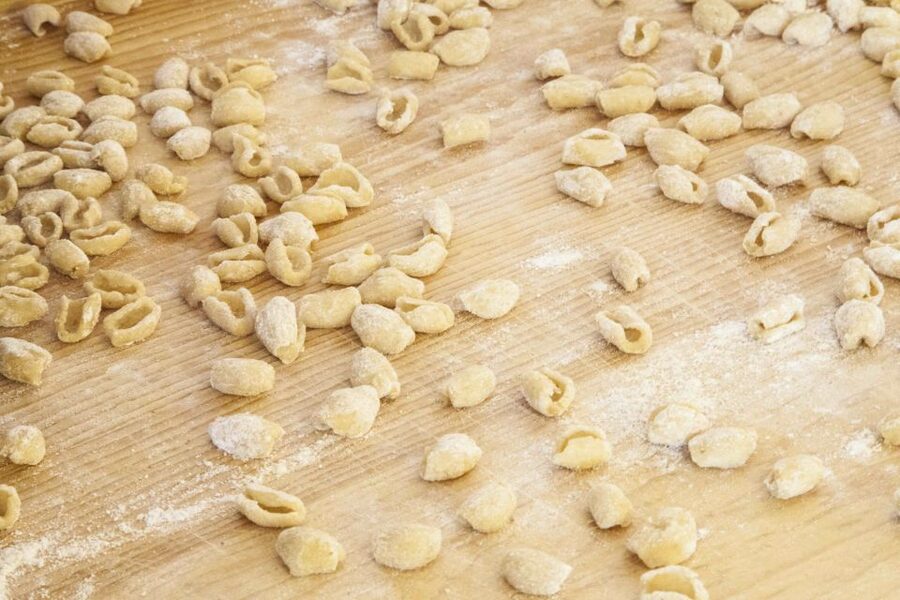
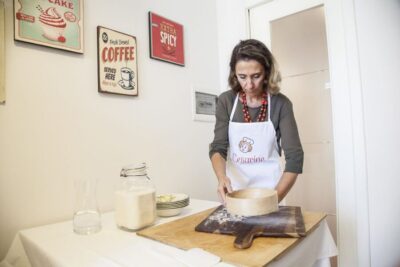
Bari is a great place to start eating your way through Apulia. But the smart upgrade here is learning in a local home, not just tasting in a restaurant. With Cesarine, you’re matched with a host who teaches from their own family kitchen habits, the way Italians actually cook at home.
I like the mix of hands-on work and real conversation. You’re making dough, shaping pasta, and then sitting down for the meal you prepared. That “cook, eat, repeat” flow turns a food experience into a skill session, and that’s what you’ll remember when you try this later at home.
A practical heads-up: for privacy, you get the full address after you book. So plan to be on time once it arrives, and don’t assume it will be near your hotel. The class also isn’t suitable for wheelchair users, so if mobility is a concern, check other options.
Your menu: fresh pasta (sfoglia) and tiramisù in Apulia style
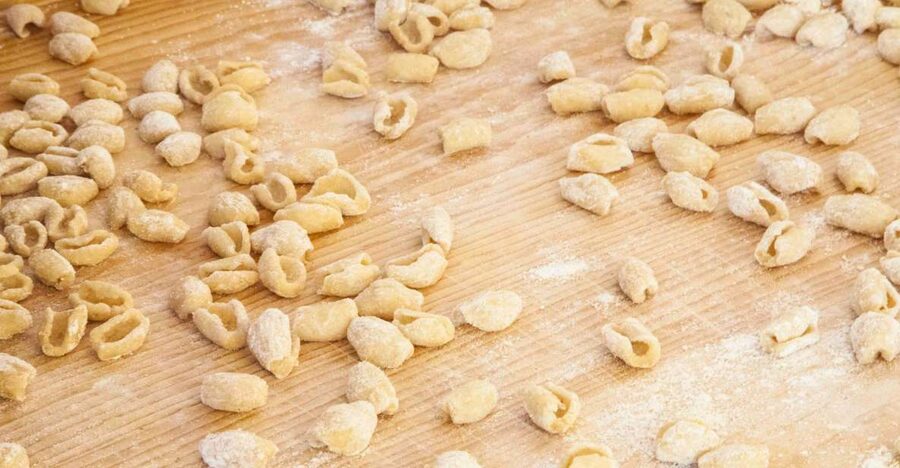
The class centers on three big outcomes: hand-rolled fresh pasta, two pasta recipes from scratch, and tiramisu. It’s a tight menu, which is good. You’ll get enough time to learn technique without feeling rushed into a “taste-only” experience.
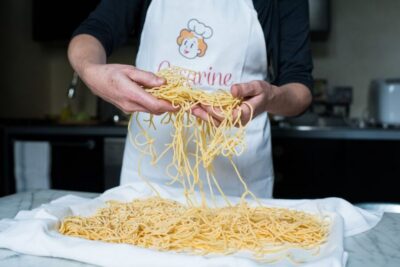
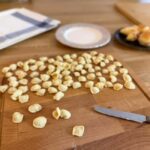
Fresh pasta work starts with learning how to handle dough and roll it thin enough to work for pasta shapes. You’ll also make two different kinds of pasta from ingredients like semolina and warm water, then build flavor with classic Italian additions such as tomatoes and olive oil. In other words, you’re not just learning forms. You’re learning how Italians think about texture and timing.
Then comes tiramisù, the dessert that shows up everywhere for a reason. You’ll learn how to assemble it the proper way, the kind of steps that make the difference between a soggy bowl and a dessert that holds its structure.
If you’re the type who wants an Italy souvenir you can reproduce, this menu is about as useful as it gets: pasta dough practice plus dessert assembly.
You can also read our reviews of more tours and experiences in Bari.
Rolling sfoglia by hand: the technique you’ll actually use later
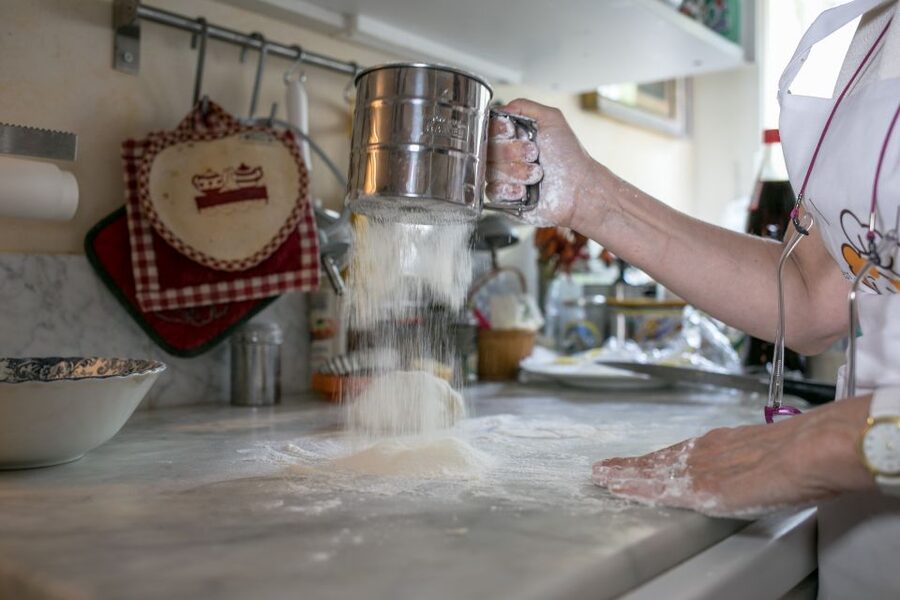
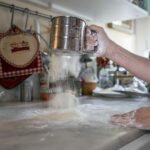
This is where the class becomes more than a meal. You’ll roll sfoglia by hand, which sounds simple until you do it. Watching someone do it is one thing. Doing it, and getting corrected, is how you learn.
The practical lesson is control: dough thickness, evenness, and handling without tearing. Hosts go step by step, so you’re not left guessing what “right” looks like. One strong example from Bari home kitchens is teaching dough made from semolina and warm water by hand, then turning that dough into pasta you can cook right away.
You’ll also get tips for what to do if your dough feels too dry or too soft. Even if you don’t write every detail down, you’ll leave with a feel for the dough, and that matters more than memorizing a recipe.
And then you move from rolling to cooking. Pasta isn’t hard, but it is precise. The class helps you connect the dots between dough work and what happens in the pot.
Two pasta recipes from scratch: from dough to sauce logic
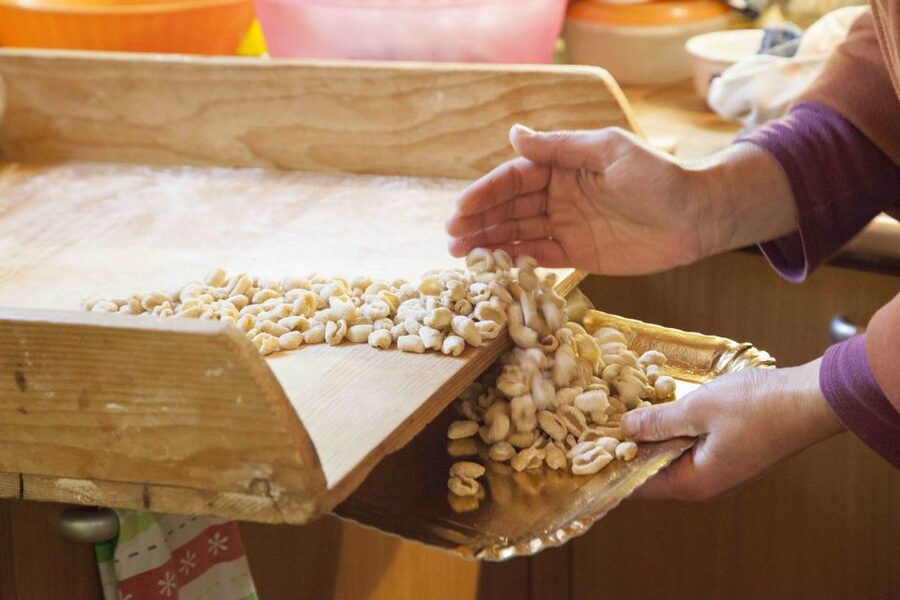
The experience is designed around making two iconic pasta recipes. The key value isn’t the exact name of each shape. It’s understanding how ingredients behave and why Italian cooking sticks to classics.
One example of what you might make is pasta paired with a tomato-and-olive-oil style sauce approach. That’s the kind of pairing that teaches you how to balance richness and brightness without overcomplicating things. You’ll learn when to keep it simple, when to build flavor, and how to get the texture right so sauce and pasta actually work together.
In multiple Bari homes, hosts also explain small technique choices while you’re working. That might mean how to portion, how to handle portions of dough, or how to time cooking so your pasta hits the table as a finished dish, not a “we’ll eat when it’s done” situation.
That’s a major reason this is worth doing even if you’re short on time. Many cooking classes teach recipes. This one teaches cooking sense.
Tiramisu workshop: building the dessert everyone argues about
Tiramisu is famous enough that it can feel generic. This class treats it like craft.
You’ll learn to prepare the iconic tiramisù with a focus on the assembly steps that shape the final texture. The dessert is not just about ingredients. It’s about what happens when components meet: how it sets, how it stays creamy, and how it holds up when served.
In Bari, some hosts bring a warm family-style pace to the dessert part. You’ll get patient guidance, especially if you’re new to Italian desserts. In one class, for example, the host taught guests the proper ways to make tiramisù alongside fresh pasta, and everyone ate what they made.
The best part for practical home cooks is that you’ll get tips for recreating the same result later. Not vague advice, but the kind of step-by-step guidance that helps you avoid the common issues.
Aperitivo, wine, and the meal you helped create
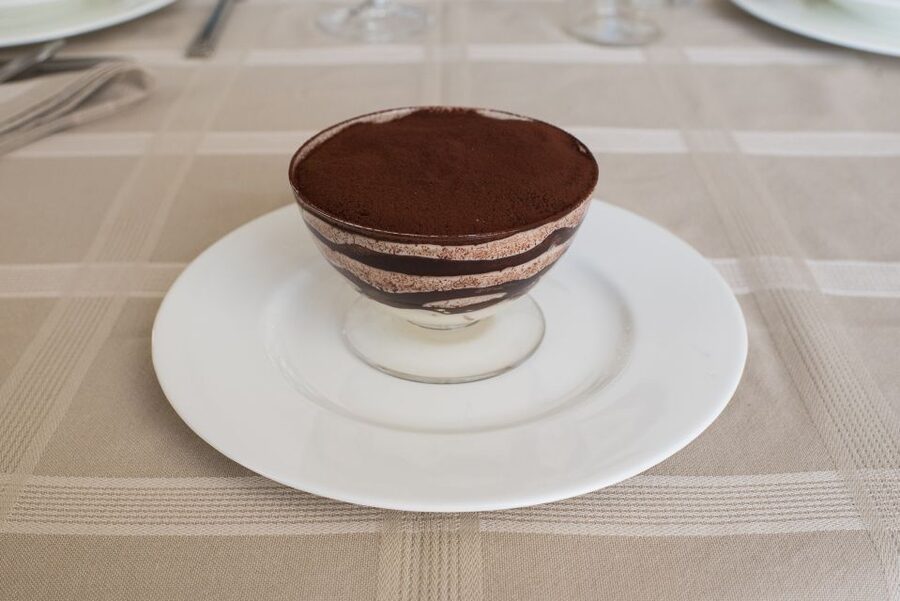
This isn’t a “cook for two hours and then snack.” You’ll start with an Italian aperitivo that includes prosecco and nibbles, then you’ll sit down for the meal featuring the pasta recipes and the tiramisù you made. Beverages include water, wines, and coffee, so you’re fully covered.
I like this rhythm because it keeps you motivated while you cook. When you know you’ll taste your work at the table, you pay closer attention. And because the meal is part of the activity, you’re not left figuring out dinner plans after.
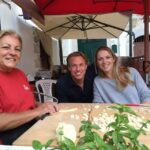
There’s also a social benefit. You’re eating together in a home setting, so the conversations often turn into real exchanges about food. Someone will share what they’re trying to recreate at home. Someone else will compare how their family does pasta or dessert. It’s casual, not staged.
If you’re used to ordering food and moving on, this is slower and better. You’ll leave with a full plate behind you and actual skills in your head.

Inside the home: what hosts like Cristiana, Fernanda, and Juanita bring
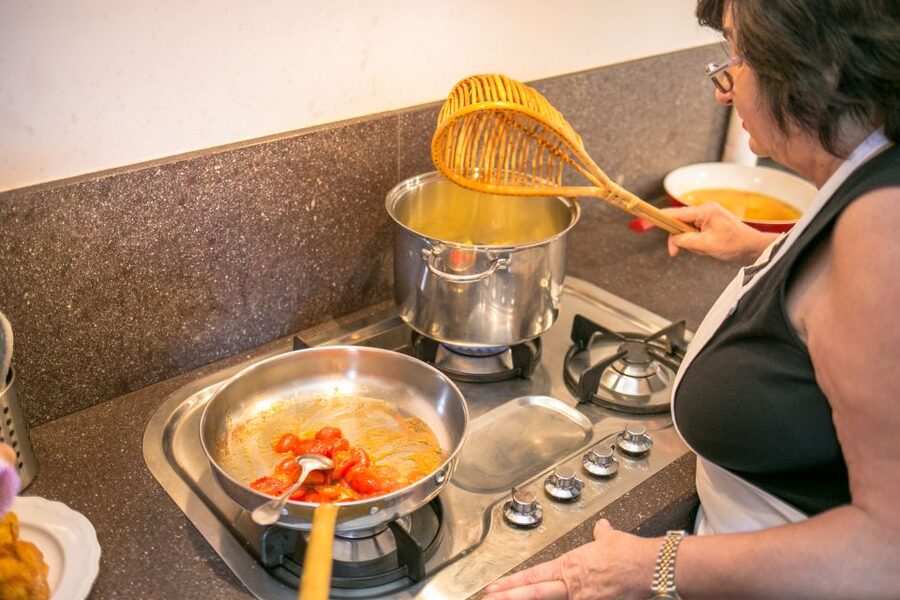
Cesarine classes vary because hosts vary. In Bari, you may meet different home cooks, and that can be a big part of the charm.
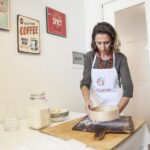
For instance, some classes are led by hosts like Cristiana, who guides guests through fresh pasta making with a “you can do this” attitude. Others are led by Fernanda, where the experience can feel extra personal: one class highlighted ingredients sourced from the host’s garden, which made the flavors feel even more immediate.
Another Bari host is Juanita, known for warm hospitality and teaching the proper ways to make tiramisù and fresh pasta. In classes like these, you’re not treated like an observer. You’re treated like a temporary family member in the kitchen.
What should you look for when it comes to host style? Mostly clarity and patience. The best moments come when your host corrects your technique while you’re still in the flow. That’s how the class turns into a “skill you own,” not a “meal you remember.”
Timing and pacing in a 3-hour session
A 3-hour cooking class sounds short until you realize what’s packed inside. You’ll be learning dough technique, assembling pasta, cooking (at least enough to serve), and then making tiramisù.
So the pacing matters. The setup is designed to keep tasks moving in a logical order: start with pasta prep, move through cooking, then shift to dessert assembly. If you’re worried about being slow, don’t. This is structured for learning. Hosts can guide you without making you feel like you’re falling behind.
Also, plan for the fact that you’ll be standing and working with your hands. Wear shoes you don’t mind for a home kitchen. It’s not a big event where you can treat it like a museum visit.
Getting there: address privacy and smart planning
Because it’s a private home setting, you won’t get the full address until after you book. That’s normal for privacy, but it does mean you should wait for the details before planning public transit routes or walk times.
When you book, you’re asked for information to match you with the right host, including:
- food intolerance and allergy details
- the neighborhood where you’re staying
- how you plan to travel to your host’s home
That list isn’t just paperwork. It’s how they make the class practical for you. If you have dietary needs, submit them at booking so the host can plan. If you’re relying on walking or public transport, share that so your experience isn’t built on an unrealistic route.
Price and value: what $112.15 really covers
At about $112.15 per person, this isn’t a budget snack. But the value comes from what’s included.
You’re paying for:
- instruction to make fresh pasta and two pasta recipes
- step-by-step guidance on tiramisu
- an aperitivo with prosecco and nibbles
- a sit-down meal with the pasta and tiramisù
- water, wines, and coffee
So you’re not just buying ingredients. You’re buying a guided practice session plus a full dining experience. If you’ve ever spent money on cooking classes that end with “here’s a recipe card, good luck,” this one is different because you eat what you made and you learn in the moment.
It’s also a good value if you’re traveling as a couple or small group, since you’re getting a complete meal with drinks. And it’s a strong alternative to an expensive tasting menu, especially if you want skills, not just courses.
Who this class fits best (and who should skip)
This fits you best if you:
- want to bring home real technique (pasta dough and tiramisù assembly)
- like learning by doing, not just eating
- enjoy small-group, home-kitchen conversation
- want a Bari activity that feels local, not generic
You might skip it if:
- you want a traditional restaurant meal only
- you have mobility needs that won’t work in a home setting (this one isn’t suitable for wheelchair users)
- you don’t want to get hands-on with dough and cooking during the full session
If you love the idea of eating your way through Apulia but want the “make it yourself” piece, this class hits the sweet spot.
Should you book this Bari pasta and tiramisù class?
Yes, if you’re looking for an experience that turns food appreciation into practical know-how. The biggest reason to book is the combination: hand-rolled pasta + two pasta recipes + tiramisù, plus a full meal and wine. That’s rare. It’s skill-building with a built-in celebration.
Before you book, do two quick checks:
- Confirm you can handle a 3-hour hands-on session in a home kitchen.
- Share any intolerance or allergy details during booking so your host can plan appropriately.
If those boxes work for you, this is the kind of Bari activity that feels personal, teaches you something real, and gives you a dinner story you’ll actually repeat later.
FAQ
What will I learn to cook in this Bari class?
You’ll learn how to roll fresh pasta sfoglia by hand, make two different kinds of pasta from scratch, and prepare an iconic tiramisù.
How long is the cooking class?
The experience lasts 3 hours. Starting times depend on availability.
Where does the class take place?
It’s held in a local’s home in Bari, Apulia. For privacy reasons, you receive the full address only after you book.
What’s included with the lesson?
The class includes pasta-making and tiramisù-making, an Italian aperitivo with prosecco and nibbles, and a lunch/dinner meal of the two pasta recipes plus tiramisù. Beverages include water, wines, and coffee.
Do I need to speak Italian to join?
No. The instructor works in Italian and English, so you can follow in English.
Can the class accommodate food allergies or intolerances?
You should share your food intolerance and allergy details at booking (or by email with your booking reference). The experience is designed to match you with the right host based on these needs.
Is there an option to book without paying right away?
Yes. You can reserve now and pay later.
Is free cancellation available?
Yes. Free cancellation is available up to 24 hours in advance for a full refund.
Is this experience wheelchair accessible?
No, it’s not suitable for wheelchair users.