REVIEW · BARI
Bari: Apulian Cooking Class – Fresh Pasta and Focaccia
Book on GetYourGuide →Operated by juanita_kitchen_ · Bookable on GetYourGuide
Fresh pasta and focaccia in 2.5 hours sounds perfect. This Bari Apulian cooking class takes you into an authentic, family-style kitchen to shape orecchiette and bake traditional Bari focaccia the practical way—plus you finish with a proper sit-down tasting.
I love how hands-on it is, from mixing dough to kneading and baking. I also love that Juanita teaches with clear, patient steps, so you’re not just watching—you’re learning what to do next when you try it again at home.
One consideration: you should plan to get your hands doughy, and the class is best suited to people who can eat what’s being served (vegetarian can be requested, but you still need to communicate allergies or dislikes ahead of time).
In This Review
- Key things you’ll remember
- Why Bari’s Cooking Lesson Feels Like a Family Project
- Getting There: Close to Bari Centrale, Easy to Fit In
- Welcome Drink and Kitchen Setup That Gets You Started Fast
- Making Orecchiette Dough With Water and Local Semolina
- Bari-Style Focaccia: Kneading, Shaping, Baking
- The Tasting: Local Wine, Coffee, and What Comes With It
- Taking the Recipes Home (So You Can Actually Recreate It)
- Vegetarian Options and Allergy Reality Check
- Price and Value: Paying for Skill, Ingredients, and a Real Meal
- Who Should Book This Class
- Quick Practical Tips Before You Go
- Should You Book This Bari Cooking Class?
- FAQ
- How long is the Bari cooking class?
- What dishes will I learn to make?
- Is there a tasting at the end?
- Is vegetarian food available?
- What’s included in the price?
- What languages does the instructor speak?
- Where is the class located?
- What if I have allergies or foods I don’t eat?
- Is free cancellation available?
Key things you’ll remember
- Orecchiette dough basics using water and local semolina, taught in an old-school style
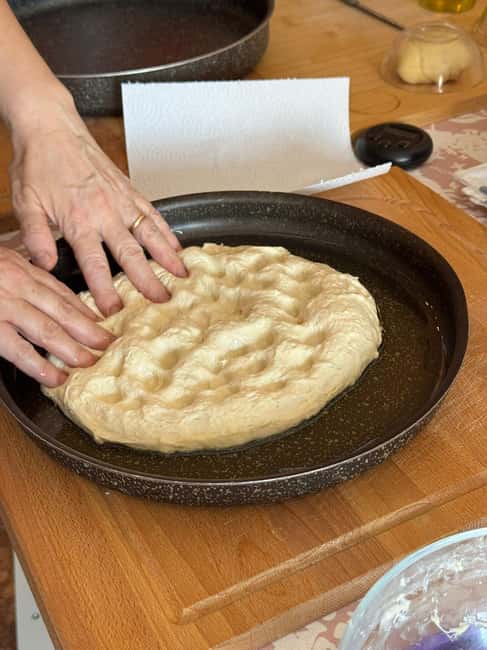
- Bari-style focaccia you knead, shape, and bake as part of the lesson
- A real tasting moment with local wine, water, and coffee after you cook
- Recipes to take home, so you can recreate the results rather than guessing later
- English and Italian instruction, led by Juanita with patient guidance
- Vegetarian options on request, if you speak up before the class
Why Bari’s Cooking Lesson Feels Like a Family Project
Bari has a way of making food feel grounded. This class matches that energy. You’re not doing a show-and-tell. You’re doing the work: dough, kneading, shaping, baking, then eating what you made.
The host, Juanita, runs the session like a patient teacher who still expects you to participate. That matters because pasta and focaccia look simple until you’re standing there holding the dough. You’ll learn the feel of it, not just the recipe on paper.
Also, this is a smart kind of souvenir. You leave with recipes, sure—but more importantly, you learn repeatable methods for making Apulian staples the Bari way.
You can also read our reviews of more tours and experiences in Bari.
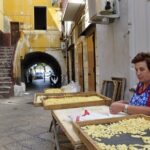
Getting There: Close to Bari Centrale, Easy to Fit In
The meeting spot is just minutes from Bari’s central station, and it’s close to the city’s main shopping streets and historic monuments. That’s useful if you’re juggling a packed day.
Practical benefits:
- You can book the class without turning it into a whole commute saga.
- It pairs well with a morning of wandering and a late lunch plan after the tasting.
- You can use the location to stitch the class into an itinerary you already want to do.
This is also a good sign for timing. A 2.5-hour class should not eat your day. Here, it mostly stays contained.
Welcome Drink and Kitchen Setup That Gets You Started Fast
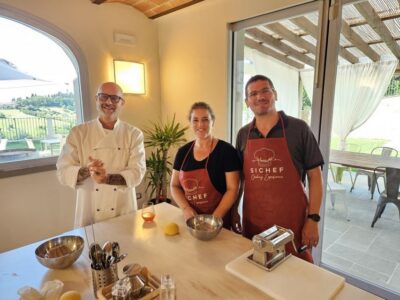
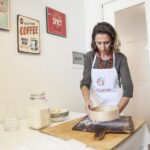
You’ll get a welcome drink when Juanita brings you in. It’s a small thing, but it sets the tone. You get to settle in, ask any quick questions, and then move into hands-on work right away.
Then it’s straight to the main action: dough. No long lecture. No waiting around for the kitchen to “become ready.” The lesson is structured so you’re progressing through the dishes while everything stays fresh and relevant.
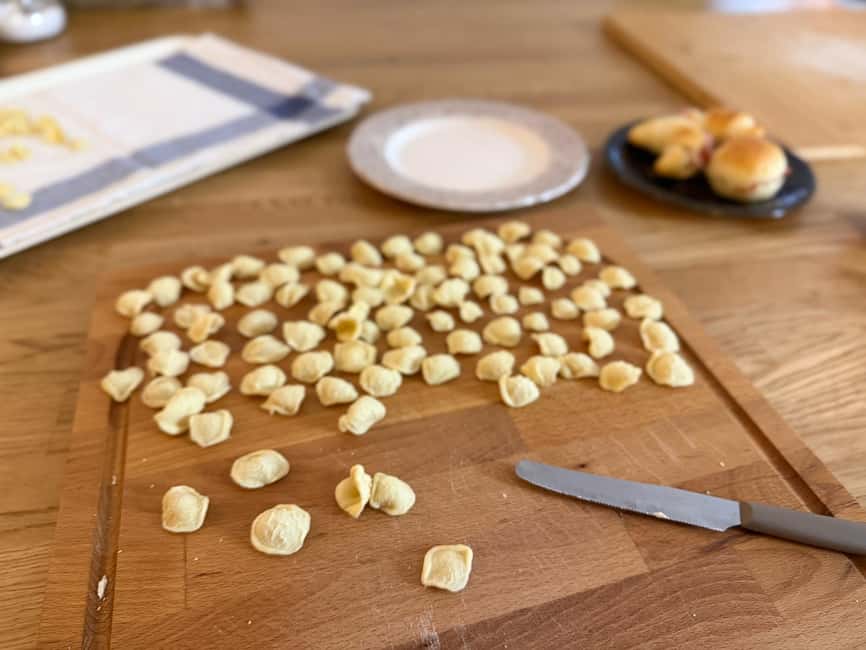
Making Orecchiette Dough With Water and Local Semolina
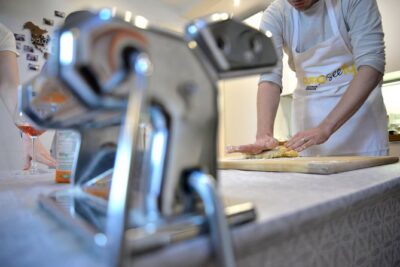
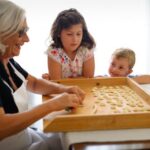
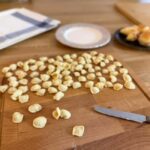
This class puts orecchiette front and center. You’ll prepare the dough using water and local semolina, and you’ll learn the approach that’s handed down through Apulian family techniques.
What I like about starting here:
- Semolina-based pasta dough has a specific texture. Learning how to work it early makes the rest of the process click.
- Orecchiette is iconic for Bari, so you’re not making a random pasta shape—you’re making something with local identity.
Then you’ll shape the pasta, which is where the practical skill shows up. Even if you’ve never worked with dough before, this is the kind of task where patient instruction helps you get unstuck fast.
Tip for you: pace yourself. Pasta shaping is usually slower than you expect, and rushing tends to make the dough harder to manage. If Juanita is coaching, take that feedback literally—adjust how you’re holding or working the dough, not just how fast you’re moving.
Bari-Style Focaccia: Kneading, Shaping, Baking
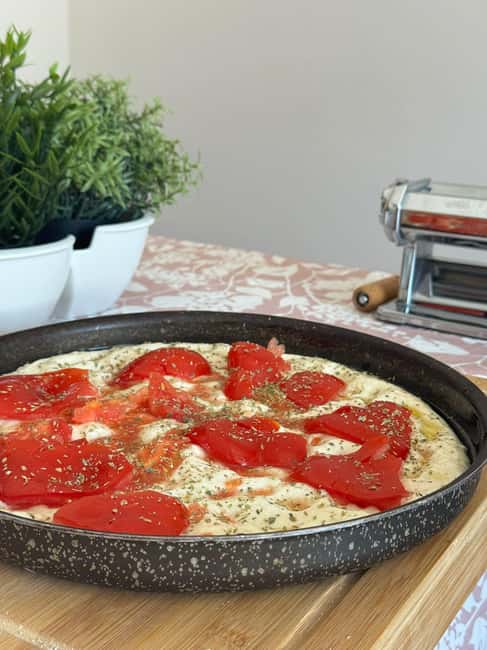
Next comes the focaccia. You’ll get your hands in the dough again and work through making traditional Bari-style focaccia—crunchy and tasty, the kind of bread that shows up at real meals.
This part is valuable even if you’re primarily a pasta person. Focaccia teaches you something different: dough handling with a bake-focused outcome. It’s less about delicate shaping and more about getting the dough to behave and bake the way it should.
Also, focaccia is one of those foods where small differences matter. The lesson’s point is to help you replicate the results later, and focaccia is perfect for that. Once you’ve kneaded and baked it successfully, you’ll understand what to look for next time—feel, texture, and how it responds.
You’ll also get tips and tricks during the class to help you reproduce the specialties at home. That’s not just helpful; it’s what turns this from a one-time fun evening into an actual skill upgrade.
The Tasting: Local Wine, Coffee, and What Comes With It
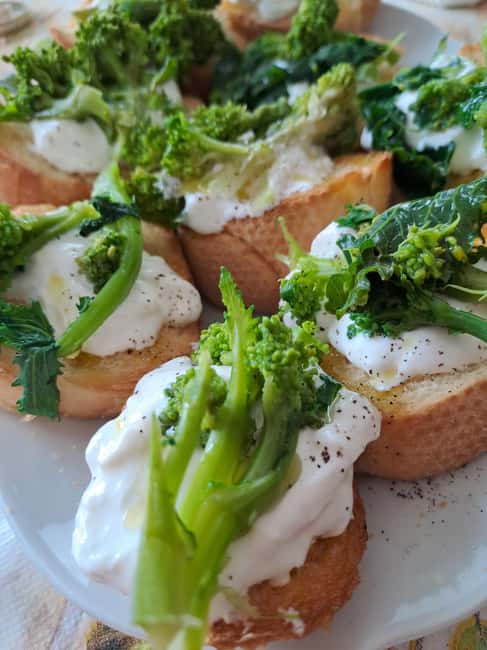
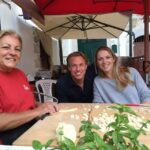
At the end, you’ll taste what you prepared. Your tasting includes local wine, water, and coffee, which makes it feel like you’re finishing a full meal, not just receiving a snack.
In a lot of cooking classes, the meal is an afterthought. Here, it’s the payoff. You’ve done the work, so eating your own orecchiette and focaccia lands differently. You can compare what you made to what you’ve had in restaurants, and you’ll notice the differences right away.
One more nice touch: Juanita’s hospitality can include additional homemade specialties beyond the core dishes. That’s where you get the sense that this is truly family cooking, not just a staged experience.
Practical note: since alcohol is included, you may want to plan how you’ll get around after the class. Bari is best explored on foot and by short hops, but still—don’t leave yourself stranded.
Taking the Recipes Home (So You Can Actually Recreate It)
A big part of the value here is that you don’t leave empty-handed. You’ll get the recipes so you can keep experimenting with Apulian cuisine after you return home.
What makes recipes worth something is when they match the skills you practiced. Because you handled the dough and baking process, the written steps make sense. You’ll know what terms mean and what the dough should feel like.
For you, that means:
- fewer failures when you try again
- better chances of getting the same texture
- a clearer pathway to making similar regional dishes later
It’s the difference between collecting a souvenir and bringing home a method.
Vegetarian Options and Allergy Reality Check
Vegetarian options are available on request, so if you don’t eat meat (or you prefer a meat-free menu), you should be able to make this work.
But you do need to be honest with your needs. The class asks you to share food allergies or intolerances or foods you don’t like to eat. That’s not a buzzkill; it’s the only safe way to keep the lesson smooth.
If you have allergies, message ahead early rather than hoping it gets handled on the day. You’ll enjoy the cooking more when you’re not worried about what might be in ingredients.
Price and Value: Paying for Skill, Ingredients, and a Real Meal
At $101 per person for a 2.5-hour experience, you’re paying for more than ingredients. You’re paying for:
- guided instruction in shaping and baking
- use of key ingredients like local semolina
- a structured class time that actually produces results
- a tasting that includes local wine, water, and coffee
- the takeaway recipes
Cooking classes can be expensive when they turn into long tours or heavy demos. This one earns its cost because you actively make the dishes and then eat them. If you want food knowledge plus a meal, the price starts to feel fair.
If you’re the type who already cooks often and knows dough work well, you might view it as a nice local evening. If you’re a beginner, it’s closer to a lesson that pays off quickly in the form of confidence.
Who Should Book This Class
This class is a great fit if:
- you want hands-on practice with regional Apulian food
- you like learning in an English or Italian guided setting
- you want a cooking experience with a proper tasting finish
- you’d rather bring home recipes and technique than just photos
It’s also a strong choice for couples or solo travelers who want an intimate, practical activity rather than a group-only sightseeing block.
One mismatch: if you’re seeking a big, multi-stop food tour with lots of different locations, this is more focused. You’re committing time to the kitchen and the results there.
Quick Practical Tips Before You Go
Expect to get your hands in the dough. Wear comfortable clothing you don’t mind getting a bit flour-adjacent.
If you’re planning your day, build in a bit of breathing room before and after. The class ends with wine and coffee, so make sure your next plan doesn’t require a quick sprint to dinner reservations.
And if you’re sensitive to certain foods, communicate early. The class is designed to adapt (vegetarian by request), but it still relies on you telling the host what you need.
Should You Book This Bari Cooking Class?
I’d book it if you want a real Apulian cooking experience that produces tangible results: orecchiette, Bari-style focaccia, and a sit-down tasting with local wine and coffee. It’s the kind of activity where you leave knowing what to do next time, not just what you watched someone do.
Skip it only if you dislike working with dough, or if you’re uncomfortable communicating food needs ahead of time. Otherwise, this is a smart, value-driven way to spend an evening in Bari with an instructor who makes the process feel approachable.
FAQ
How long is the Bari cooking class?
The experience lasts 2.5 hours.
What dishes will I learn to make?
You’ll prepare fresh pasta for orecchiette and bake Bari-style focaccia.
Is there a tasting at the end?
Yes. The class ends with a tasting of what you prepared, including local wine, water, and coffee.
Is vegetarian food available?
Vegetarian options are available on request.
What’s included in the price?
Included items are a welcome drink, water, wine, coffee, and the hands-on preparation of the pasta and focaccia, including the dough and baking activities.
What languages does the instructor speak?
Instruction is available in English and Italian.
Where is the class located?
It’s minutes from Bari’s central station and close to the city’s main shopping streets and historic monuments.
What if I have allergies or foods I don’t eat?
You should share any food allergies, intolerances, or foods you don’t like to eat before the class.
Is free cancellation available?
Yes, free cancellation is available up to 24 hours in advance for a full refund.