REVIEW · BARI
Bari: Pasta and Tiramisu Cooking Class with Wine
Book on GetYourGuide →Operated by The Roman Food Tour · Bookable on GetYourGuide
Flour, wine, and tiramisu in Bari’s old streets. I like this fresh pasta and tiramisu class because you do real cooking, not just watching. The other big win for me is the pacing: Prosecco to start, three glasses of local wine while you eat, then coffee or limoncello at the end. One catch to plan for: the traditional recipes include gluten, dairy, and eggs, and they can’t guarantee zero cross-contact for allergies.
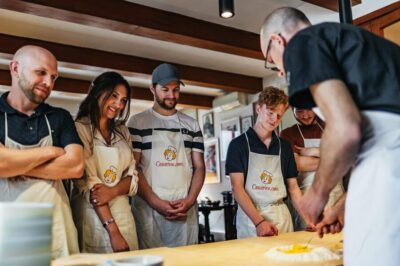
You meet at Ristorante Ceralacca, a short walk from Teatro Petruzelli and close to the waterfront (Lungomare Araldo). Expect instruction in English, usually supported by an interpreter, and a family-run atmosphere that feels more like being invited into a working Italian kitchen than attending a staged show.
What makes this Bari class different
- Hands-on cooking for two icons of Italian dessert and pasta: tiramisu from scratch, then fresh pasta
- Wine in the right moments: Prosecco at the start, then three glasses of local wine during the meal
- Working near Bari Vecchia and the sea: you can pair this with an evening stroll afterward
- Real restaurant energy: the class happens in a family-owned spot close to Teatro Petruzelli
- English-led teaching with an interpreter team: you won’t feel lost while learning the steps
In This Review
- Bari pasta and tiramisu: 3 hours that actually stick with you
- Finding Ristorante Ceralacca near Bari Vecchia (and why it matters)
- Prosecco to start, local wine with dinner: the drinking plan is part of the learning
- Scratch tiramisu: building layers that don’t collapse
- Fresh pasta from scratch: the dough skills you can use anywhere
- The meal table: eating together like a real dinner
- Recipes to take home: turning one night in Bari into future dinners
- Dietary limits and who should book (or skip) this class
- Practical feel: what you should wear and how to prep
- Should you book this Bari cooking class?
- FAQ
- Where is the meeting point?
- How long is the cooking class?
- Is the instruction in English?
- What drinks are included?
- Is there a vegetarian option?
- Can vegans or people with gluten or lactose intolerance join?
- What about allergies?
- What should I wear or bring?
Bari pasta and tiramisu: 3 hours that actually stick with you
This class is built around two dishes you can’t fake. Fresh pasta is all about texture and timing. Tiramisu is all about balance—cream, coffee, and that slow, silky finish.
What I like is that the time doesn’t vanish into lectures. You get equipment and ingredients, you follow step-by-step guidance, and you end by sitting down to eat what you made. At $69 per person for a 3-hour experience with drinks included, the value is strongest if you’re the type who learns best with your hands busy.
You also get a social rhythm that feels genuinely Italian: cook together, then talk over the food. Multiple names show up in the experience’s team in English guidance—Chef Paulo/Paolo paired with interpreters like Alessia, Vincent/Vincenzo, and Marco—so expect clear communication even if your Italian is rusty.
Finding Ristorante Ceralacca near Bari Vecchia (and why it matters)
Your guide waits in front of Ristorante Ceralacca. From there, you’re in a super walkable pocket: about 300 meters from Teatro Petruzelli, roughly 500 meters from Bari Vecchia, and about 100 meters from Lungomare Araldo.
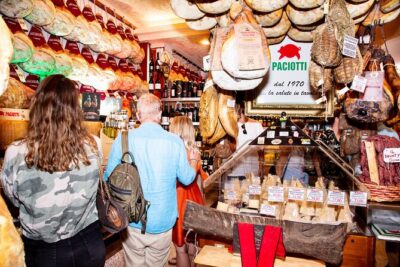
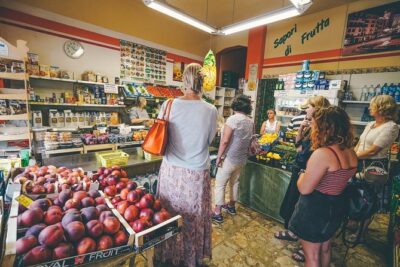
That location is more than convenient. It changes how the night feels. Before and after class, you’re close to the old-city streets and the sea air, so this isn’t just a standalone activity. It becomes part of a full evening: cook, eat, then wander while your stomach is happy and your brain is full of pasta tips.
It’s also wheelchair accessible, which is a real help for travelers who want an activity that doesn’t feel like a compromise.
You can also read our reviews of more tours and experiences in Bari.
Prosecco to start, local wine with dinner: the drinking plan is part of the learning
The class starts with a welcome drink of Prosecco while the instructor shares how tiramisu should work in practice—what to watch for, what to avoid, and how to keep the layers from turning into a sad puddle.
Then the meal comes with three glasses of local wine. That’s not random. It encourages you to stay seated after cooking and actually taste and discuss what you made. One of the most common wins in this kind of class is remembering flavor comparisons. Wine helps you notice what your dessert and pasta are doing—sweetness, acidity, richness—without needing a food science degree.
At the end, you’ll finish with coffee or limoncello. It’s a classic Italian wrap-up: warm drink, slow mood, and a chance to ask your instructor about Bari—what to order, where to walk, and what’s worth doing next.
Scratch tiramisu: building layers that don’t collapse
Tiramisu is deceptively simple. The steps are clear, but the details decide whether it turns out “wow” or “why is it watery?”
Here’s what you should expect from the class format:
- You start by making tiramisu from scratch.
- You’re guided on the basics of layer timing and texture.
- You’ll later sample the dish you built.
The best part is that you learn the logic, not just the recipe. A common theme from the experience’s teaching style is patience and clarity—Chef Paulo/Paolo and the interpreter team are there to make sure you understand each step in English. In real life, that matters because tiramisu is one of those desserts where a tiny mistake (too much liquid, not enough set time, or the wrong handling) can throw everything off.
Also note the dietary reality. The traditional recipe includes gluten, dairy, and eggs. If you have allergies, they offer substitutes, but they still follow the traditional structure, and they can’t guarantee 100% freedom from cross-contamination. If that’s a deal-breaker for you, plan carefully.
Fresh pasta from scratch: the dough skills you can use anywhere
After tiramisu, you move into pasta. This is where the class feels most “Italian restaurant” and least “tourist activity.”
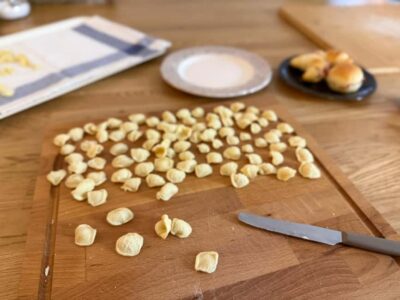
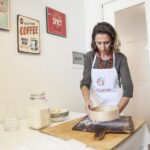
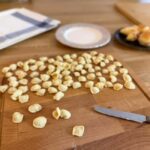
You’re taught techniques for making fresh pasta, and you cook enough to feel confident with the basics. One of the most practical outcomes is that you’ll leave knowing what the dough should feel like—how it changes as you work it—and what shapes and thickness do to texture.
In several sessions, the team also covers the idea that pasta isn’t just ingredients. It’s technique:
- mixing and working the dough until it’s right
- getting portioning and rolling under control
- using timing so the pasta doesn’t go from tender to tough
Then you eat. And you eat what you made, paired with local wine. That’s the fast path to learning: you taste the result immediately, so your brain connects the step you did with the outcome you liked.
The meal table: eating together like a real dinner
Once both dishes are done, you sit down and enjoy your creations. This is where the class earns its keep. Cooking classes that end with “good luck at home” can feel hollow. Here, the meal is the point.
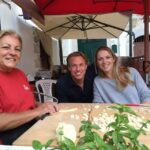
You also get conversation time with your instructor and your group. You’ll likely talk about Bari and Italian food, and the interpreter support makes sure those chats stay friendly and easy. People commonly leave feeling like they learned techniques they can repeat, not just memorized steps for one night.
And yes—liquid supports learning here. Between the Prosecco welcome, the three glasses of local wine, and the coffee or limoncello at the end, the experience naturally builds a relaxed mood without rushing the food.

Recipes to take home: turning one night in Bari into future dinners
At the end, you’ll be given unique recipes to take home. That’s one of the smartest parts of the experience because it stretches the value beyond the 3 hours on the calendar.
If you want to repeat this at home, focus on:
- the tiramisu layering sequence and the texture targets
- your pasta dough handling and the rolling thickness you liked best
- pairing ideas, since local wine changes how you perceive richness and sweetness
Even if you’re not making pasta every week, having the recipes means you can try again when you’re motivated—and motivation usually shows up when you’re craving that exact homemade flavor.
Dietary limits and who should book (or skip) this class
This class supports some dietary needs, but it has clear limits. Here’s what’s explicitly important:
- Vegetarian options are available upon request
- The traditional recipe contains gluten, dairy, and eggs
- Substitutes are offered for allergies or food preferences, but cross-contamination can’t be ruled out
- It’s not suitable for vegans
- It’s not suitable for gluten intolerance
- It’s not suitable for lactose intolerance
- No pets, and no smoking
There’s also an age line: it’s not suitable for children under 3 years (and babies under 1 year).
Wheelchair access is available, so mobility shouldn’t be a barrier.
My practical advice: if you’re vegetarian, request it early. If you have allergies, contact the provider with details before booking so you understand how substitutes will work for your situation. If you’re gluten-free or lactose-intolerant, treat that as a hard stop based on the “not suitable” note.
Practical feel: what you should wear and how to prep
This is a cooking class, so keep it simple. Wear comfortable clothes. You’ll be working with dough and ingredients, and you don’t want to spend the night worrying about your outfit instead of the sauce.
Because you’re in an Italian restaurant near the beach and spending time sitting to eat afterward, it helps to have comfortable shoes too. The walkable location makes it tempting to add a post-class stroll.
And if you want to learn a lot quickly, come with curiosity and a willingness to taste while you cook. Fresh pasta and tiramisu are sensory lessons—feel first, then flavor.
Should you book this Bari cooking class?
If you want a fun, very Italian way to spend a few hours in Bari Vecchia, I’d book it. The strongest reason is the combination: you learn two classics (tiramisu and fresh pasta), you cook in a family-owned restaurant setting, and you eat your work with Prosecco, three local wines, and a finishing coffee or limoncello.
Skip it only if your dietary needs are incompatible with gluten-free or lactose-free requirements, or if cross-contact is a serious concern you can’t compromise on. Also think twice if you’re looking for a quiet, no-alcohol class—this one is built around drinks as part of the experience.
One last note on flexibility: it offers free cancellation up to 24 hours in advance and reserve-now-pay-later, which makes it easier to fit into a changing itinerary.
FAQ
Where is the meeting point?
You’ll meet the guide in front of Ristorante Ceralacca.
How long is the cooking class?
The experience runs for 3 hours.
Is the instruction in English?
Yes. The instructor is English, and the class support includes an interpreter as needed.
What drinks are included?
You get a Prosecco welcome drink, plus 3 glasses of local wine with the meal. At the end, you’ll have coffee or limoncello.
Is there a vegetarian option?
Yes. Vegetarian options are available upon request. If you have other dietary restrictions, you should inform the provider when booking.
Can vegans or people with gluten or lactose intolerance join?
No. The class is not suitable for vegans, people with gluten intolerance, or people with lactose intolerance.
What about allergies?
They can offer substitutes for allergies or food preferences, but the traditional recipe still contains gluten, dairy, and eggs. They also cannot guarantee 100% freedom from cross-contamination, so you’ll want to share your allergy details in advance.
What should I wear or bring?
Wear comfortable clothes. Nothing else is specifically required based on the provided details.
If you tell me your travel dates and whether you’re vegetarian (or have any allergies), I can help you sanity-check if this class fits your needs.