REVIEW · SARDINIA
Small group Pasta and Tiramisu at Local Home in Olbia
Book on Viator →Operated by Cesarine: Cooking Class · Bookable on Viator
Your pasta lesson starts in someone’s real kitchen. In Olbia, I love the hands-on pasta shaping and the way you learn Olbia flavors straight from the person doing the cooking. One possible drawback: because it’s a private home, you won’t get the feel of a big, polished cooking studio.
You’ll spend about 3 hours together, in English, with a max of 10 people—small enough for real questions and slower, clearer teaching. You’ll leave knowing how to recreate both pasta and tiramisù, and you’ll actually eat the results with water and wine.
In This Review
- Key things you’ll notice
- Why cooking in an Olbia home beats a restaurant-style class
- The lesson: two pasta shapes and classic tiramisù
- What you’ll walk away able to repeat at home
- Why Olbia’s food feels different (and how you’ll understand it)
- The meal afterward: water, wine, and eating with the cook
- The best part of the meal
- Getting there smoothly: the meeting point and real-world navigation
- Group size, timing, and the value of $155.42
- Clean kitchen, patient teaching, and one-on-one attention
- Who this is best for in Sardinia
- Common gotchas (and smart questions to ask)
- FAQ
- FAQ
- What dishes will I learn to make?
- How long is the cooking experience?
- Is the class taught in English?
- How many people are in the group?
- Is there food to eat during the experience?
- Can I cancel and get a full refund?
- Should you book this Olbia pasta and tiramisù class?
Key things you’ll notice
- A Cesarina host cooking in her own home and treating you like part of the table
- Two pasta shapes plus tiramisù, taught from the basics
- Olbia-specific food ideas, so the flavors make sense in context
- Food + wine at the end, so you’re not just practicing for show
- Patient, hands-on attention, with a small group size that helps you keep up
- Veggie options available, so more people can enjoy the menu
Why cooking in an Olbia home beats a restaurant-style class
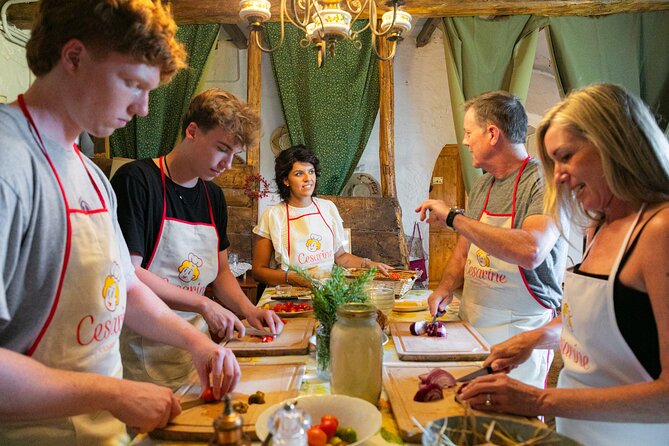
This isn’t a classroom. It’s a kitchen where real meals happen, and that changes everything about how the lesson feels. You’re not just watching someone explain; you’re working at the same pace as the person teaching, in a setting that’s built for hosting.
In the best versions of this experience, hosts like Maria Immacolata (often mentioned as the Cesarina) keep the space tidy and welcoming, and the tone stays warm and practical. Even if you’re a total beginner, you’ll be doing real prep—mixing, shaping, and learning what matters—rather than taking notes from across a counter.
The other big win is that it’s not just Italian food in general. You focus on what makes Olbia and Sardinia taste different from other parts of Italy. That matters if you care about authenticity, not just recipes.
You can also read our reviews of more tours and experiences in Sardinia.
The lesson: two pasta shapes and classic tiramisù
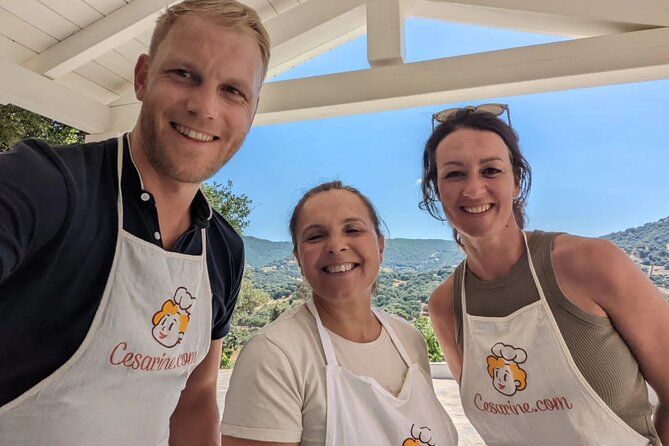
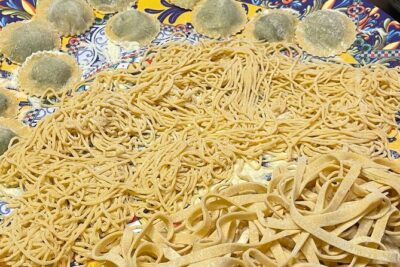
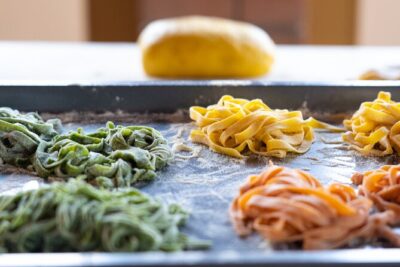
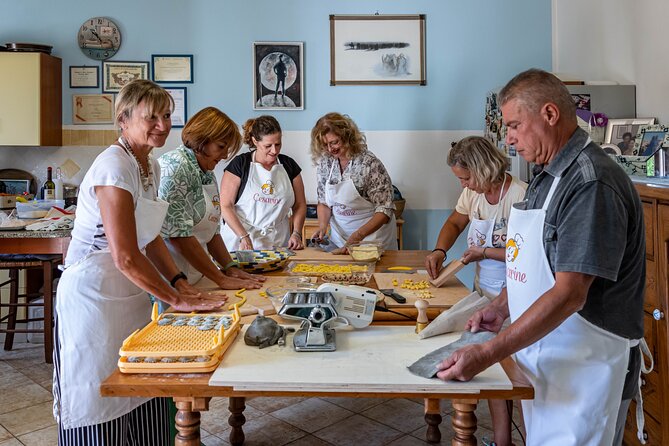
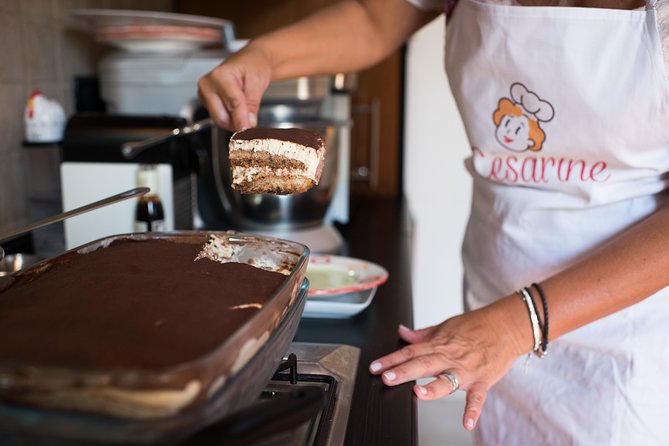
The core of the experience is straightforward: you’ll learn to make 2 pasta shapes and tiramisu. That’s a great mix because pasta teaches technique you can reuse, while tiramisù teaches timing and texture—those two things that decide if dessert is a wow or a flop.
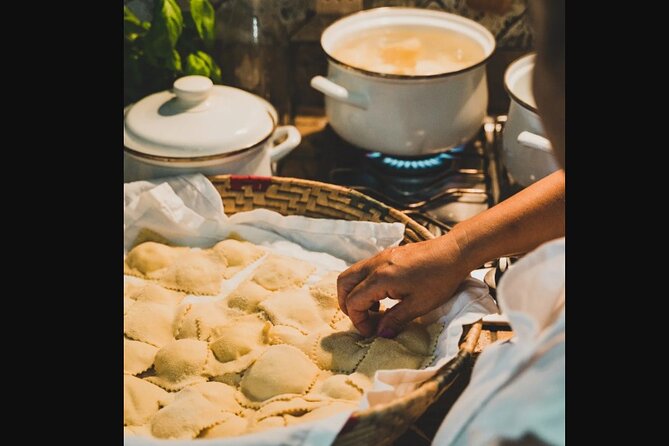
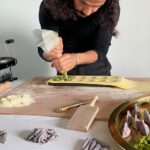
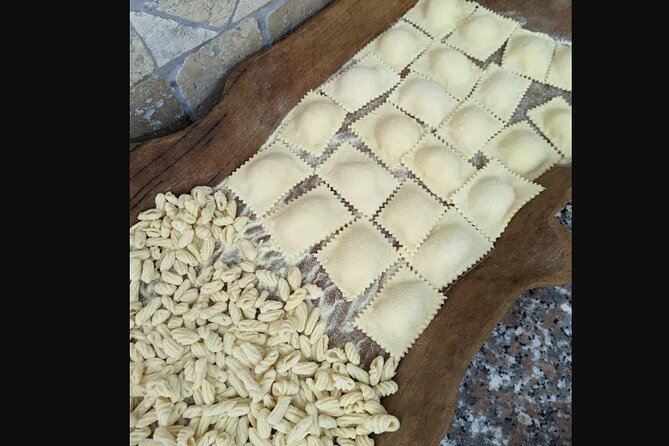
You start with the basics, not intimidation. The teaching is paced so you can actually follow along. In examples from the experience, pasta has included Sardinian options like gnocchetti and ravioli, which makes sense with the overall idea: you’re learning Sardinia’s approach to shape and filling, not a generic pasta demo.
For tiramisù, you’re not just assembling. You learn the logic behind it. You’ll see how the components work together and what to watch for so it sets the way it should. One recurring detail from feedback: the results can be so good you end up thinking about the flavor long after the class ends—things like fresh ingredients such as mint and ricotta show up in at least some sessions.
What you’ll walk away able to repeat at home
- How to shape your two pasta types without guessing
- How to build a tiramisù with the right rhythm and consistency
- The key do’s (and a few don’ts) that stop common beginner mistakes
Why Olbia’s food feels different (and how you’ll understand it)
One of the most useful parts of this class is that it’s not treated like trivia. It’s taught like food philosophy.
Sardinia has its own way of thinking about ingredients and how they belong together. Olbia, in particular, has a mix of local preferences and practical kitchen habits that show up in dishes you may not get in the same way elsewhere. During your meal and conversation, you’ll get clarity on what makes local cooking feel distinct.
This is where the home setting helps. When the person feeding you explains what they do and why, you start to notice patterns: how fresh ingredients drive flavor, how simple steps create depth, and how the “right” technique is often the one that fits the local ingredients.
So you’re not just learning how to make tiramisù. You’re learning how a Sardinian cook approaches the whole process. That’s what makes it easier to repeat at home.
The meal afterward: water, wine, and eating with the cook
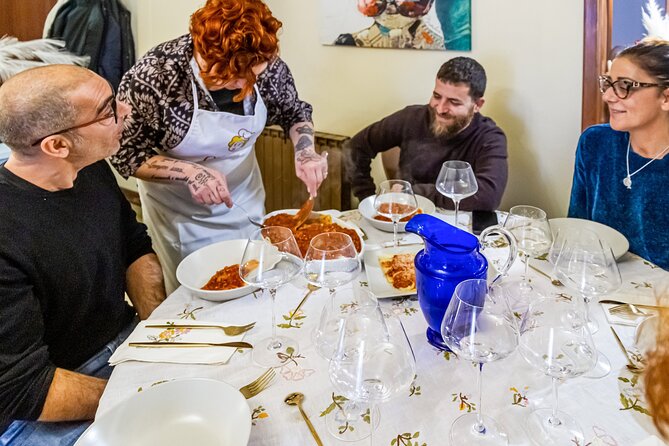
The lesson doesn’t end when the cooking stops. After you finish, you’ll sit down for lunch or dinner and taste everything you made. The meal comes with water and local wine, which is a big deal for value and for comfort.
Practically, it turns your class into a full experience. You’re not left hungry, and you’re not stressed about packing up before you’ve tasted your work. You get that rare moment in travel where you’re both learning and eating like a local.
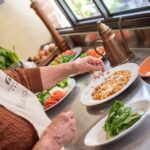
In some cases, you might also see extra homemade touches alongside the main menu—examples include a small cheese-heavy spread and homemade bruschetta using tomatoes from the host’s garden. That kind of addition matters because it shows you the surrounding habits of the household, not just the “official” class dishes.
The best part of the meal
You’ll chat with your host while eating. You’ll get tips that connect directly to your cooking. And because it’s a home dinner, the conversation stays human—questions feel welcome, not rushed.
Getting there smoothly: the meeting point and real-world navigation
The start is at Via Rio Sos Campitos, 07026 Olbia SS, Italy, and it ends back at that point. It’s near public transportation, so you’re not totally dependent on a car.
Still, this is one of those experiences where getting the address right can save time. One practical tip that stands out: use your email maps and rely on Apple Maps instead of Google Maps or Waze. It can help you find the correct route without detours.
Also, since it’s a private home experience, arriving on time matters. When the group is small, starting late affects everyone. Think of it as dinner seating with a schedule.
Group size, timing, and the value of $155.42
At about 3 hours for around $155.42 per person, this class isn’t cheap in the way a quick food walking tour is cheap. But it’s a different kind of value.
Here’s what your money is paying for:
- A small-group session (up to 10 people)
- Hands-on instruction for multiple dishes
- Ingredients and the time needed to do it properly
- A meal of what you cooked, plus local wine
If you compare it to a “cook and then leave” class, the meal aspect pushes the value up. If you compare it to a restaurant dinner, you’re paying for the lesson and the practice, not just the plate.
And because it’s a home, you also get the intangible stuff: patience, direct attention, and the feeling you’re being hosted—not processed.
Clean kitchen, patient teaching, and one-on-one attention
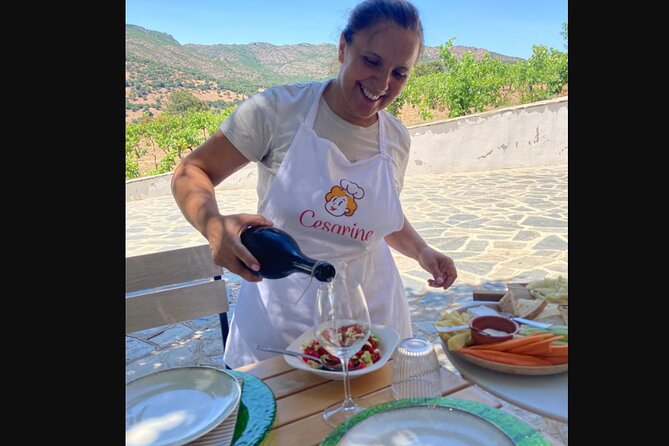
A huge theme across the experience is teaching style. The kitchen setups described are clean, and the host walks you through preparation as if you’re learning in their own family circle. That tone matters if you’re nervous in kitchens or if you’re not confident with rolling, shaping, or timing.
Expect a class where:
- you can ask questions
- the instruction stays step-by-step
- you get help without the awkwardness of feeling behind
The small group size supports all of that. When there are fewer people, your turn comes faster, and your questions don’t get swallowed.
One more detail worth noting: the experience often feels customized. If you’re vegetarian, there are veggie options available, and the host will guide you through what fits your needs within the overall plan.
Who this is best for in Sardinia
This class is a strong match for travelers who want more than a photo stop. It’s ideal if you:
- want a real Sardinian cooking experience, not generic Italian
- like small groups and conversation
- enjoy practical skills you can repeat at home
- travel as a couple or as a small family
It also works well for people who want to understand local food in context. Since you learn differences between Olbia and other Italian regions, the class gives you a lens for the rest of your trip.
If you’re the type who hates being in a cramped space or wants a huge stage, a home kitchen might not be your thing. But if you like hands-on and human hosting, this is exactly the right vibe.
Common gotchas (and smart questions to ask)
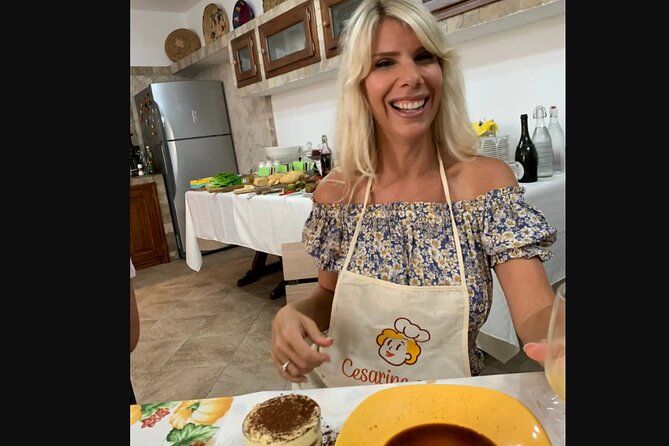
To get the most out of your time, come ready to participate. That sounds obvious, but it’s the difference between a good class and a frustrating one.
A few practical considerations:
- You’ll be making pasta shapes by hand, so expect mess and take your time
- The experience is about technique, so ask what each step is trying to achieve
- If you have dietary needs, confirm what veggie options look like early on
Also, if you’re planning to replicate at home, ask for the key points you’ll forget later—things like dough consistency, how thick you want the pasta, and what tiramisù texture indicates you’ve nailed the process.
One more logistics thing: because the activity starts at a specific street address in Olbia, make sure your navigation app can find the right route. Use the email maps, and consider Apple Maps as a backup plan.
FAQ
FAQ
What dishes will I learn to make?
You’ll learn to make two pasta shapes and tiramisù.
How long is the cooking experience?
It runs for about 3 hours.
Is the class taught in English?
Yes. The experience is offered in English.
How many people are in the group?
The class has a maximum of 10 travelers.
Is there food to eat during the experience?
Yes. After the lesson, you’ll enjoy lunch or dinner and taste everything you prepared, with water and local wine.
Can I cancel and get a full refund?
Yes. You can cancel for free up to 24 hours in advance for a full refund.
Should you book this Olbia pasta and tiramisù class?
If you want a hands-on meal with real local context, book it. This is the kind of experience where you leave with skills, not just memories. The small group size, the English instruction, and the fact that you eat what you cook make it good value for the time.
Skip it only if you’re looking for a big, theatrical production or you strongly prefer restaurant-style dining over a home-kitchen setting. Otherwise, this is a very solid way to understand Sardinia through pasta and dessert—then bring those flavors back to your own kitchen.