REVIEW · BARBERINO TAVARNELLE
Chianti: Fresh Pasta Class With Lunch or Dinner
Book on GetYourGuide →Operated by Travel Experience srl · Bookable on GetYourGuide
Fresh pasta classes are fun. This one adds real Tuscan scenery. You start with a welcome drink and sweeping Chianti hills views, then get hands-on guidance in a kitchen designed for learning. I like that the focus is practical: you leave knowing what to do, not just watching someone else cook.
Two standout things: you work with state-of-the-art equipment in a renovated villa kitchen, and you make multiple pasta shapes (ravioli plus others like tagliatelle, cappelletti, and gnocchi) with sauces that match each dough. One consideration: the class runs about 3 hours and it’s roughly 30 km from Florence, and there’s no hotel pickup, so you’ll want transport sorted ahead of time.
In This Review
- Quick hits you’ll actually use
- Arriving for that first view over the Chianti hills
- A renovated villa kitchen built for hands-on cooking
- What pasta shapes you can expect to make in 3 hours
- The real teaching: flour, water, eggs, and the chef’s guidance
- Sauces and condiments: how the meal stays connected to the cooking
- Lunch (and dinner sessions) with Chianti wine and your own work
- Taking recipes home so dinner parties get easier
- Price and value: is $169.93 worth it?
- Dietary needs: what’s possible, what needs confirming
- Getting there from Florence without hotel pickup
- Is this pasta class for you?
- Should you book this Chianti fresh pasta class?
- FAQ
- Where is the pasta class located relative to Florence?
- How long does the pasta class last?
- What types of pasta will I make?
- Is lunch or dinner included, and is wine included too?
- Will I get recipes to take home?
- Can dietary needs be accommodated?
- Is the experience wheelchair accessible?
- Is there free cancellation and a pay later option?
Quick hits you’ll actually use
- Chianti hills first, cooking second: welcome drink with views right at the start
- Chef-led, 2–3 pasta types: ravioli, tagliatelle, cappelletti, gnocchi and sometimes pici depending on the session
- You season and cook too: sauces and condiments prepared by participants with seasonal ingredients
- Meal included with wine: appetizers, the pasta you made, dessert, water, coffee, plus 1 glass of Chianti
- Take-home recipes: you’ll receive instructions to recreate your pasta at home
Arriving for that first view over the Chianti hills
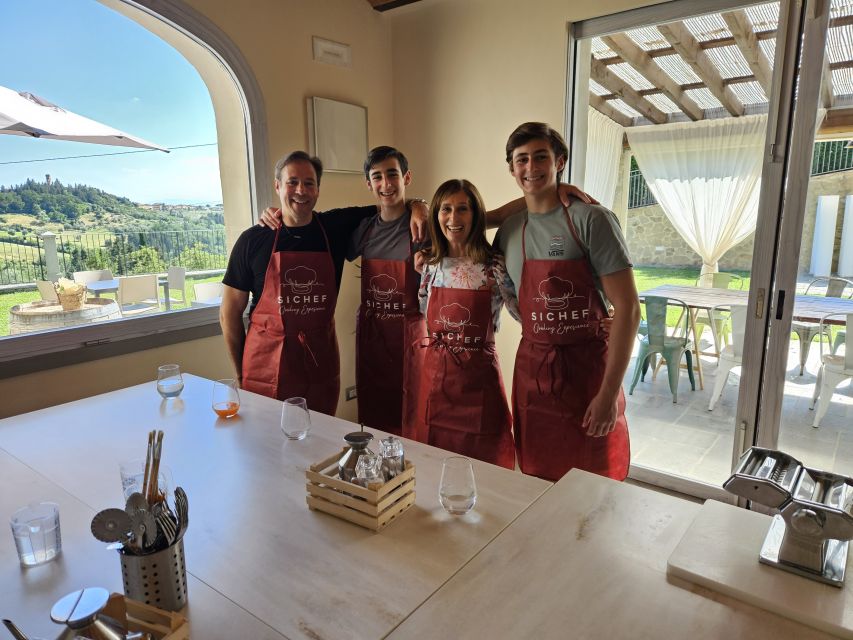
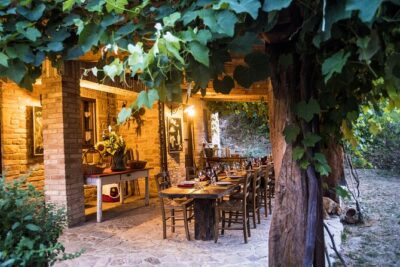
The best start is often the least complicated: you arrive, you’re handed a welcome drink, and you get the Chianti hills scenery before flour ever hits your hands. The setting is called out as breathtaking, with an enchanting glimpse of Barberino Val D’Elsa—so even if you’re not the type to get sentimental, you’ll still have that quiet wow moment.
This matters more than it sounds. A pasta class can turn into a rushed, purely technical activity if you’re already in food-assembly mode. Starting with the view slows you down. You get oriented, you meet the group, and you can settle into the pace that makes hand-rolling pasta possible in just three hours.
A renovated villa kitchen built for hands-on cooking
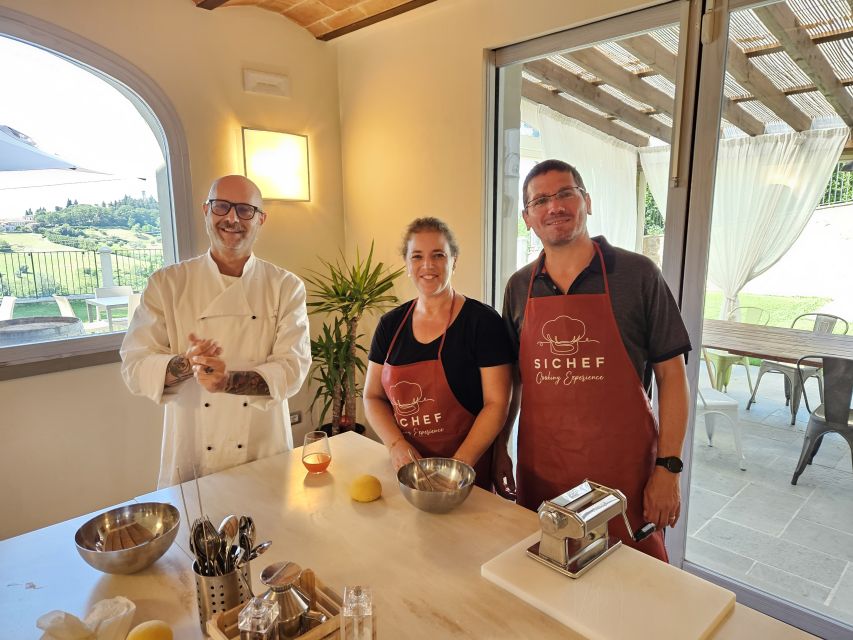
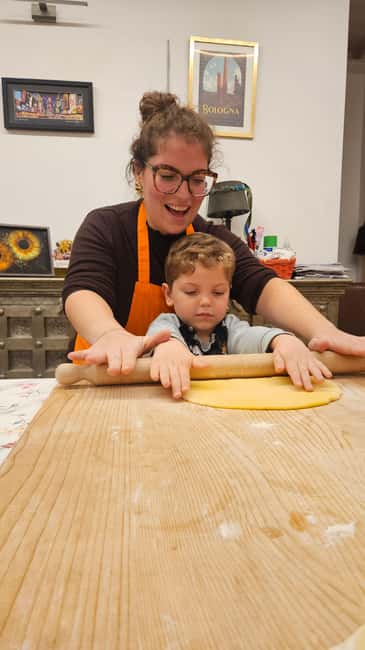
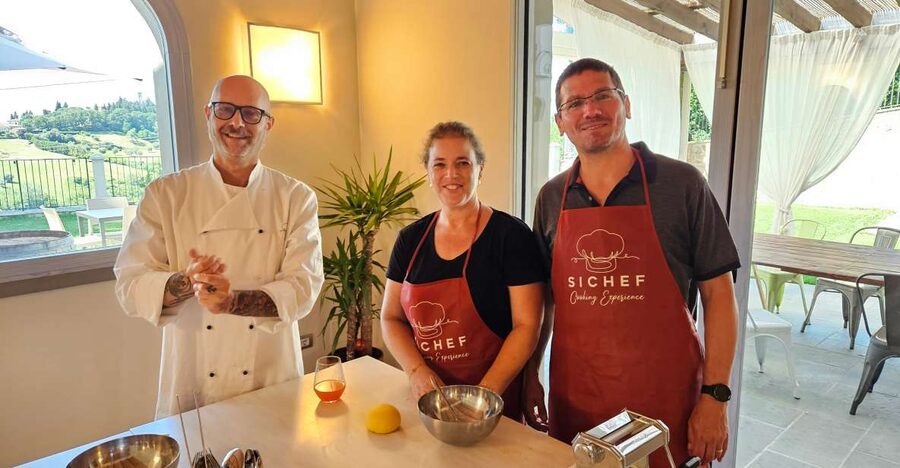
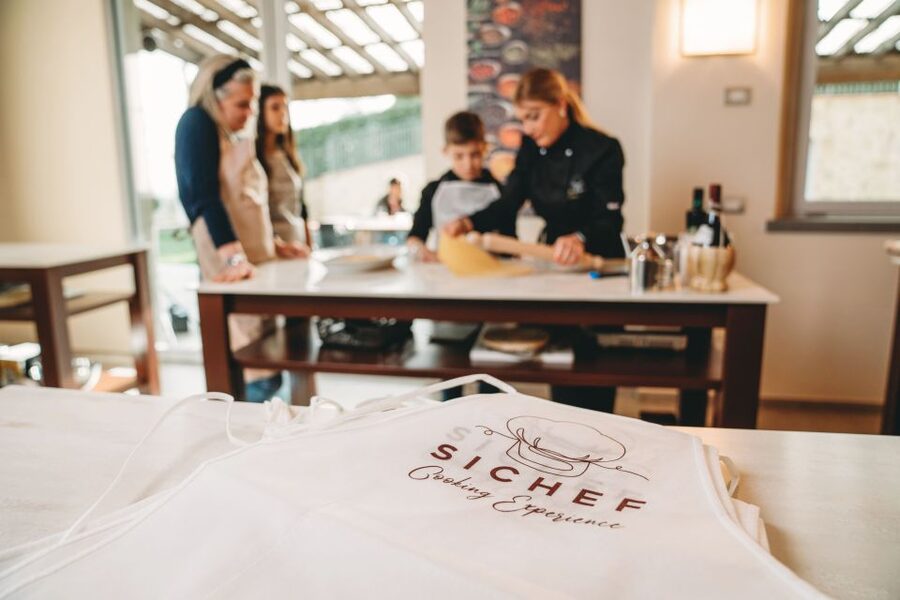
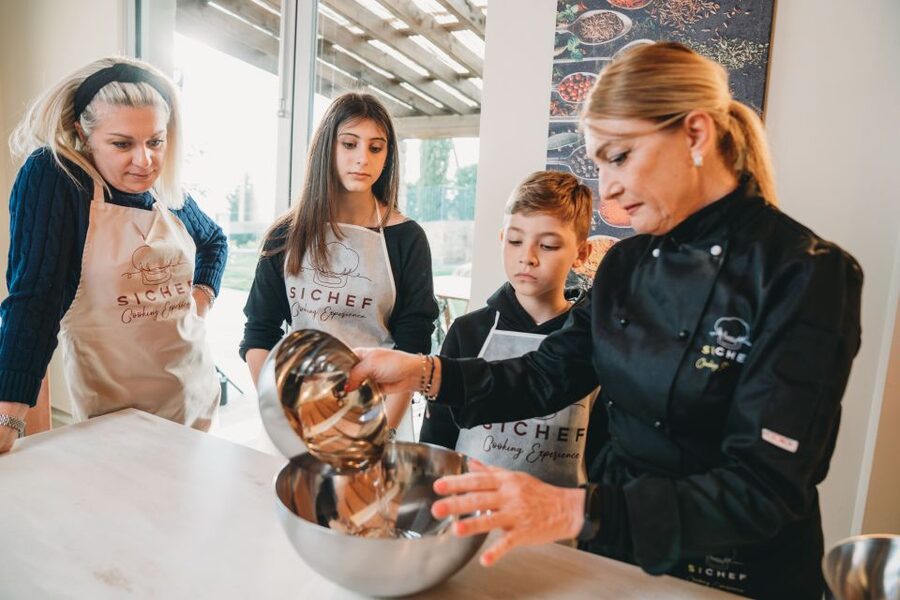
This is not a demo followed by applause. The course is set in a finely renovated villa with state-of-the-art workstations and equipment, plus a chef who guides you through the steps.
That kitchen setup is a big deal for value. Homemade pasta is fiddly. Dough needs the right handling, and rolling thickness has to be consistent. When the class has proper stations and tools, you spend your time learning how to shape and cook, instead of fighting for space or improvising with the wrong equipment.
You’ll also see that the structure is designed around you doing the work: you prepare fresh pasta and condiments along with the chef’s explanation. The result is that when lunch shows up, it’s connected to your own effort.
What pasta shapes you can expect to make in 3 hours
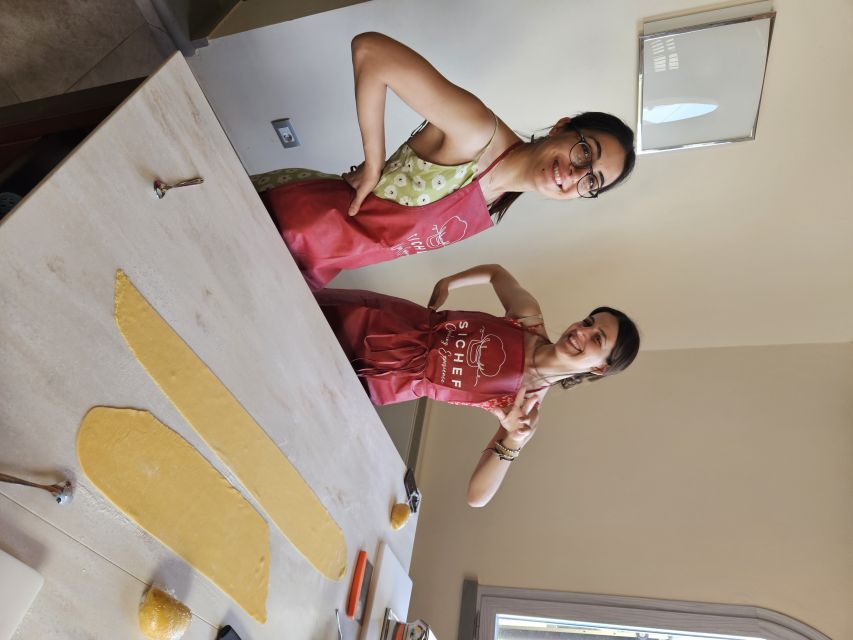
The heart of the class is making 2–3 types of fresh pasta, guided by the chef. The information highlights ravioli, tagliatelle, cappelletti, and gnocchi, with pici also mentioned as an option.
Here’s what that usually means for your experience:
- Ravioli: a stuffed pasta that teaches you dough handling and sealing skills. This is the shape that makes you feel like a real Tuscan cook fast.
- Tagliatelle: long ribbons that focus on rolling and cutting. It’s great if you want a satisfying, repeatable technique.
- Cappelletti: another stuffed option, similar in spirit to ravioli but with its own shaping approach.
- Gnocchi: potato-based pasta that teaches you the right feel of the mixture and shaping—less about perfect geometry, more about texture.
Even better: you’re not just making noodles. You also prepare seasoning sauces matched to the pasta type. That pairing is important because different shapes carry sauce differently. Learning that connection is what helps the class stick with you after the meal.
The real teaching: flour, water, eggs, and the chef’s guidance
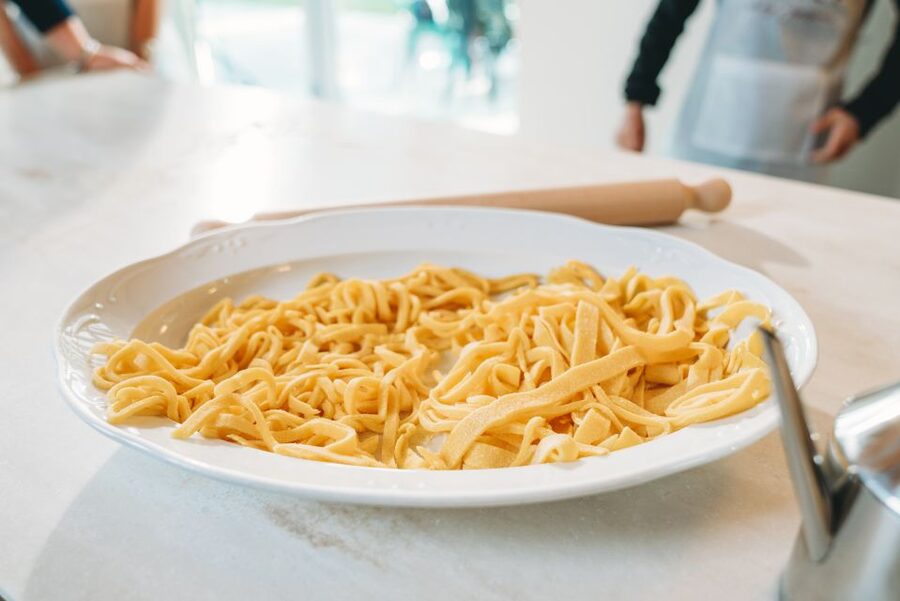
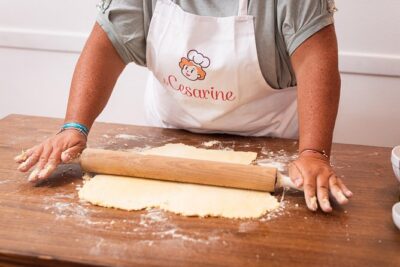
The class promises that you’ll learn how to make homemade pasta with only flour, water, and eggs. That’s a simple ingredient list, but the technique is the point.
During the 3 hours, the chef guides you through:
- preparing fresh pasta steps with explanation
- making condiments and sauces using seasonal products
- tasting the results at lunch with wine pairing
Why this teaching style helps: pasta making looks intimidating until someone breaks it down into manageable actions. Once you understand dough consistency, rolling thickness, and the basic “why” behind each step, you’re no longer relying on luck.
The tone in the feedback you can’t ignore is about technique—people highlight that the chefs transmit skills clearly. That lines up with the format here: you practice, you adjust with guidance, and you finish with something you can actually reproduce.
Sauces and condiments: how the meal stays connected to the cooking
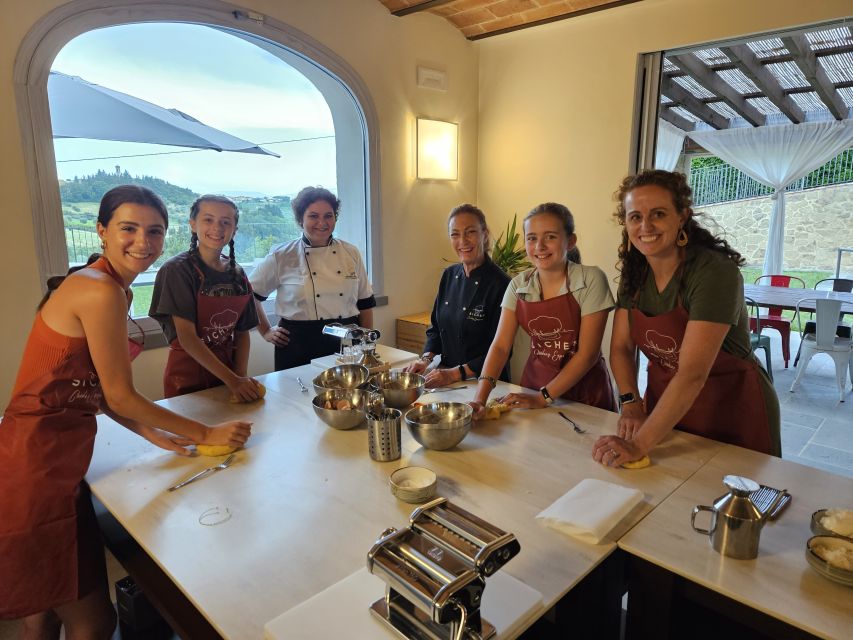
One reason this type of class feels more authentic than many cooking lessons is the sauce logic. You aren’t handed a jar or told to sprinkle something over the top. You prepare seasoning sauces matched to the pasta and condiments prepared with seasonal ingredients.
This is one of those details that makes the whole meal taste coherent. When sauce and pasta are made together with a plan, you taste a little more like an Italian meal instead of a cooking workshop finale.
Also, the class includes appetizers based on local cold cuts and cheeses before you eat your own pasta. So your first bites set expectations for what you’re aiming for—simple, local, and ingredient-driven—before you reach the pasta course.
Lunch (and dinner sessions) with Chianti wine and your own work
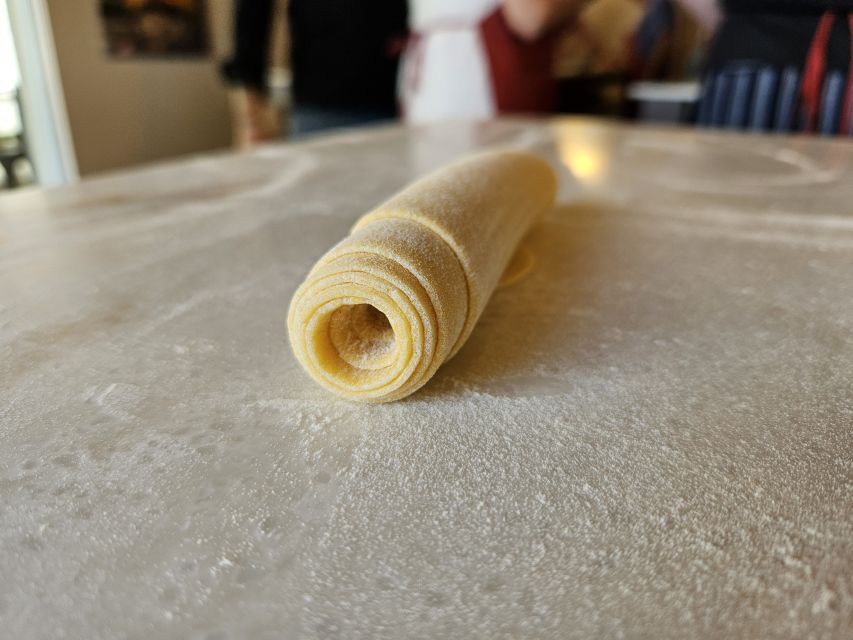
The meal side is clearly built in. The lunch described includes:
- appetizers with local cold cuts and cheeses
- the fresh pasta prepared by participants
- 1 glass of wine
- dessert
- water and coffee
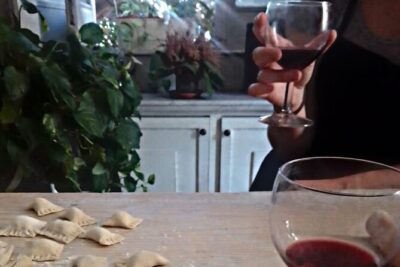
Wine is part of the experience with Chianti paired to your meal. And that matters because pasta shapes and fillings taste different. A proper pairing helps you understand why the chef guided you the way they did.
Now, a practical note: your booking may be for lunch or dinner, and the detailed menu information is specifically described for lunch. If you’re choosing dinner, confirm that the meal inclusions match what you want (especially the wine portion and the food list).
Taking recipes home so dinner parties get easier
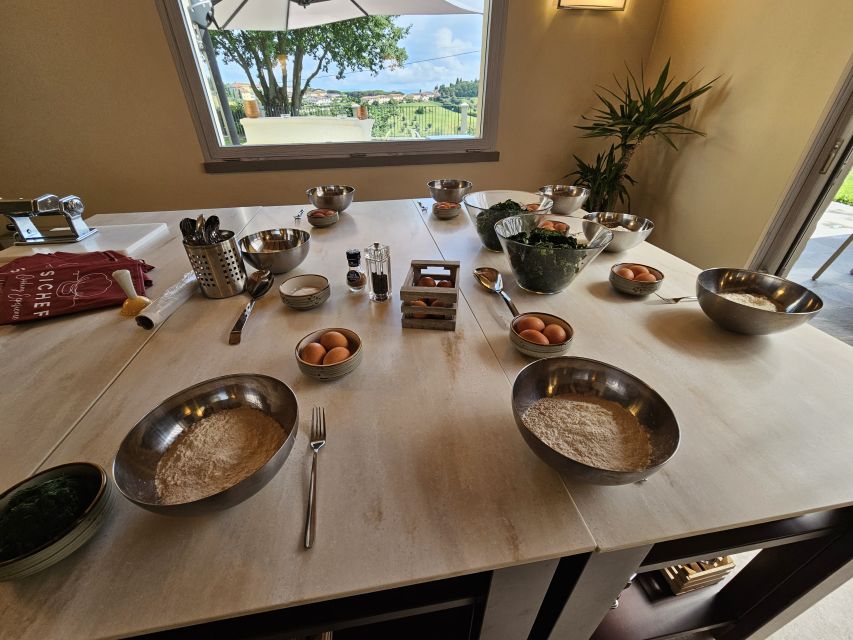
You don’t just get the satisfaction of eating your work. At the end, you receive the recipes so you can reproduce the pasta at home with friends and family.
That take-home element is where this class often becomes more than “a nice afternoon.” If you’re the type who loves cooking but hates guessing, recipes from an actual chef-led class can shorten your learning curve. Even if your first batch isn’t perfect, you’ll know which shapes and which basic methods you learned—so you can build from there.
I like that the class is explicit about seasonal, local ingredients and matching sauces to pasta. That’s the type of instruction that helps you adapt later when you’re shopping at home instead of using what’s on hand in Tuscany.
Price and value: is $169.93 worth it?
At $169.93 per person, this class sits in the “serious fun” category. The value comes from what’s included, not from the romance of the location.
You’re paying for:
- a 3-hour chef-led pasta lesson
- making 2–3 pasta types plus sauces and condiments
- a meal that includes appetizers, dessert, water, coffee, and 1 glass of wine
- equipment and a renovated villa kitchen
- recipes to recreate it at home
If you compare this to paying separately for a guided cooking class and then adding a full Tuscan meal and wine, the math feels more reasonable. The key is that the class isn’t just hands-on for show; it’s hands-on to the point that your meal is built from what you made.
Dietary needs: what’s possible, what needs confirming
This is the part you should check before booking, because the information includes both accommodation language and category restrictions.
The course states they can handle dietary needs on request, including vegetarian, vegan, gluten-free, and/or lactose-free. At the same time, it also flags that it’s not suitable for vegans and not suitable for people with gluten intolerance.
So what should you do?
- If you eat vegetarian and want a smooth experience, ask in advance.
- If you’re vegan or gluten-free, message first and get confirmation in writing from the provider about what can be done for your specific needs.
- Plan for the possibility that the restrictions could limit what they can accommodate.
It’s worth doing this early because pasta making is ingredient-specific. Flour and eggs are core. If your needs require substitutions, the chef will need time to plan the right approach.
Getting there from Florence without hotel pickup
You should plan on transport. The class is about 30 km from the center of Florence, and hotel pickup and drop-off are not included. The session ends back at the meeting point, so you’ll also need return logistics.
The meeting point is identifiable by a sign on the gate. That sounds simple, but it’s still worth arriving a few minutes early so you’re not trying to decode the location while others are already starting.
Is this pasta class for you?
You’ll probably love it if you want:
- real technique (not just watching)
- a hands-on food activity that ends with a meal
- a classic Tuscan setting with views from the start
- a structured way to learn ravioli, tagliatelle, cappelletti, or gnocchi
You might want to think twice if you:
- need strict gluten-free or vegan accommodations and want certainty without back-and-forth
- are counting on easy logistics from Florence with no transport planning
- prefer a class longer than 3 hours to practice one shape in depth (this course covers multiple types)
Also, the information notes it’s not suitable for people over 95 years, so if that’s relevant, check with the operator first.
Should you book this Chianti fresh pasta class?
Yes, if you want a chef-led, hands-on pasta lesson that ends with a genuinely Tuscan meal and wine, and you can handle the logistics of getting there from Florence. The best reason to book is the format: you make several pasta shapes, sauces, and condiments, and you get recipes to keep the learning alive after you go home.
If your diet has strict requirements (especially vegan or gluten intolerance), I’d treat it as a “confirm before you go” booking. Once that’s solved, this is the kind of class that turns into a repeat cooking project, not just a one-time experience.
FAQ
Where is the pasta class located relative to Florence?
The class is about 30 km from the center of Florence. Hotel pickup and drop-off are not included, so you’ll need your own way to get there.
How long does the pasta class last?
The experience runs for 3 hours.
What types of pasta will I make?
You’ll prepare 2 or 3 types of fresh pasta with the chef’s guidance. Options mentioned include ravioli, tagliatelle, cappelletti, gnocchi, and pici.
Is lunch or dinner included, and is wine included too?
The meal is included as part of the experience. The lunch information provided includes appetizers, the pasta you prepared, dessert, water, coffee, and 1 glass of wine. The listing also says the class is offered with lunch or dinner, but the detailed menu described is for lunch.
Will I get recipes to take home?
Yes. At the end of the lesson, you receive the recipes to reproduce the pasta at home.
Can dietary needs be accommodated?
The course says dietary needs can be handled on request, including vegetarian, vegan, and gluten and/or lactose-free options. However, it also lists vegans and people with gluten intolerance as not suitable, so you should confirm specifics with the provider before booking.
Is the experience wheelchair accessible?
Yes, it is wheelchair accessible.
Is there free cancellation and a pay later option?
Free cancellation is available up to 24 hours in advance for a full refund. You can also reserve now and pay later to keep your plans flexible.