REVIEW · SARDINIA
Cagliari Cooking Class: Sardinian Ravioli, Wine & Local Flavors
Book on Viator →Operated by Curioseety SRLS · Bookable on Viator
Ravioli night is better in Sardinia. I like this class because it’s hands-on from the first dough ball, taught with calm, step-by-step care by Giulia, and you leave with digital recipes you can actually use later. You’ll also sit down to a proper Sardinian meal, not just a few bites, with local wine and homemade Mirto.
One thing to consider: this is a cooking class, not a quick tasting. You’ll spend the 3 hours actively making pasta, so if you want mostly to watch and snack, you might prefer something simpler.
In This Review
- Key Points You’ll Care About
- Cagliari Setup and What “Real Kitchen” Means for You
- Culurgiones: Sardinia’s Iconic Ravioli, Made Hands-On
- Fresh Tagliatelle With Local Flours (No Special Equipment Needed)
- From Antipasto to Your Own Dinner Table
- Wine, Homemade Mirto, and the Sardinian Flavor Pattern
- Time, Pace, and Practical Tips for a Smooth 3 Hours
- Price and Value: Is $94.82 Worth It?
- Who Should Book This Class (and Who Might Not)
- Should You Book the Cagliari Ravioli Class?
- FAQ
- What will I learn in the Cagliari cooking class?
- How long is the cooking class?
- What’s the group size?
- Is the class offered in English?
- What’s included in the meal?
- Do I get recipes to take home?
- Can I tell the provider about food allergies?
- Can I cancel for a full refund?
Key Points You’ll Care About
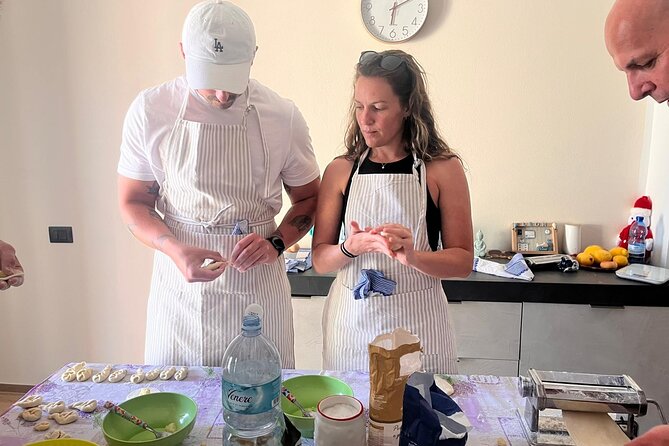
- Small group (max 6) means you get real guidance and can keep up with dough work.
- Two pastas in one class: culurgiones plus fresh tagliatelle.
- Traditional fillings and flours with the techniques passed down through generations.
- Your meal includes your work: you cook it, then you eat it with regional wines.
- Homemade Mirto (Sardinia’s myrtle liqueur) finishes the experience in true island style.
- Leave with recipes in digital form so you can repeat the basics at home.
Cagliari Setup and What “Real Kitchen” Means for You
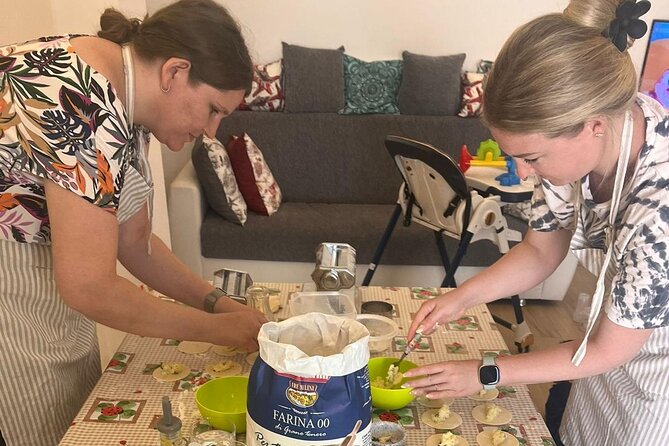
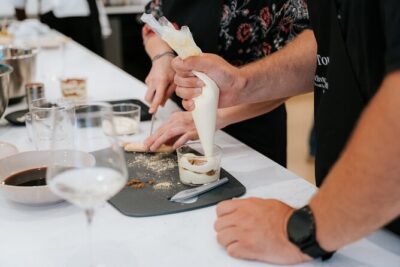
This experience takes place in a real Sardinian kitchen in the Cagliari area, with the start point at Via G. Matteotti, 34, in Sestu (09028). The format feels lived-in, not staged. You’re not just in a classroom with a couple flour bins. You’re working in the rhythm of a home kitchen, which makes the whole thing easier to follow.
The group size is kept small, up to 6 people. That matters more than you’d think. Pasta making is timing-sensitive. If you’re waiting your turn, the dough dries out, the rolling gets harder, and your confidence drops. With a smaller group, you get help before problems become bad problems. It also makes the meal after cooking more relaxed. You’re chatting while you eat, not just passing through a line.
The class is offered in English, and you get confirmation at booking time. It’s also near public transportation, which is useful in a city where parking can be a coin toss. And if you’re driving, one of the standout practical notes is that the venue is in a quiet street with easy parking.
The big promise here is simple: you learn the technique, then you eat what you made. For me, that’s the difference between a fun activity and a skill you can take home.
You can also read our reviews of more tours and experiences in Sardinia.
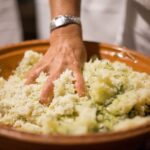
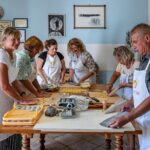
Culurgiones: Sardinia’s Iconic Ravioli, Made Hands-On
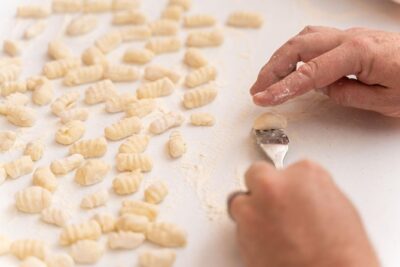
Culurgiones are the headline. These are Sardinian ravioli with a signature potato and mint filling and dough made fresh for each batch. If you’ve never shaped ravioli before, don’t worry. The class focuses on letting you do the work step by step, and that’s where the small group size pays off.
Here’s what makes culurgiones interesting beyond the food porn factor. They’re not just “stuffed pasta.” The filling is built on simple, traditional flavors—potato for comfort, mint for lift—and the shaping has to be right so it holds its form during cooking. That shaping detail is exactly why a guided class helps. With ravioli, it’s not about artistic perfection. It’s about getting closures and edges sealed enough to keep the filling where it belongs.
Giulia teaches you how to prepare the dough, how to portion it, and how to form the ravioli so you end up with a tray of your own. You’re not just watching a demo and then copying one rushed attempt. The structure is designed so you can make a whole portion with coaching as you go.
If you’re the type who likes learning with your hands—mixing, rolling, pressing—this part will feel satisfying fast. If you’re nervous about cooking, you’ll likely feel better once you see the process in stages. Dough is forgiving when you’re taught what to look for: the texture, the elasticity, and the feel when it’s ready.
Fresh Tagliatelle With Local Flours (No Special Equipment Needed)
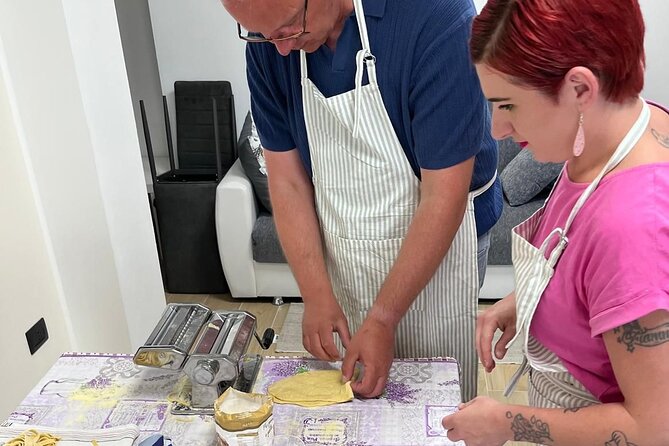
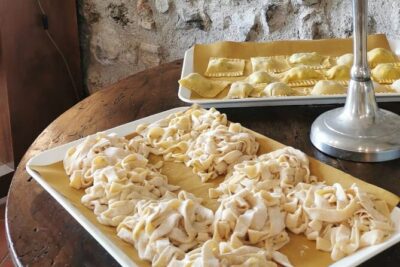
After culurgiones, you move to fresh tagliatelle. This isn’t just an extra step to fill the schedule. It gives you a second pasta skill with a different texture and workflow.
The class emphasizes using local flours and straightforward techniques. That matters because flour blends affect the way dough behaves. Some flours absorb more water, some need a slightly different handling. In a hands-on class, you learn by doing, and you start to understand why the dough feels the way it does.
Tagliatelle also teaches you control. You’re rolling and cutting into ribbons, and you learn how to keep thickness consistent. Consistency isn’t about looking like a restaurant. It’s about cooking evenly so the noodles end up tender and not gummy in one bite and undercooked in another.
One of the best takeaways here is confidence. By the time you finish tagliatelle, you’ve done two different pasta styles. That’s a big “I can do this” moment, especially if you’ve only had pasta from shops or restaurants.
And because the class is small, you’re not competing for attention. Giulia can adjust when something is too sticky or when your dough needs a bit of attention. That’s the kind of practical coaching you remember later.
From Antipasto to Your Own Dinner Table
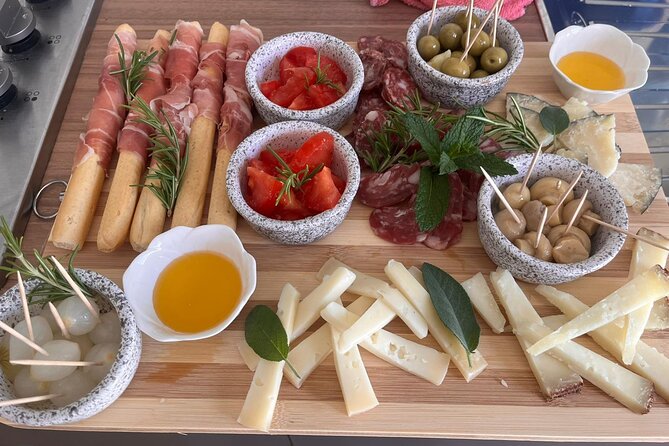
Once the cooking work is done, you sit down to eat. And yes—this is a proper meal. The experience starts with a typical Sardinian antipasto platter: cheeses, cured meats, and local honey. It’s a smart warm-up. Salty, creamy, sweet—this sets the stage for the flavors coming next.
Then you eat what you made. Your culurgiones and tagliatelle are served with traditional sauces, so you’re not stuck eating “plain pasta you cooked.” The sauces tie the pasta to Sardinian flavor logic, and you get to taste how your technique and the local ingredients play together.
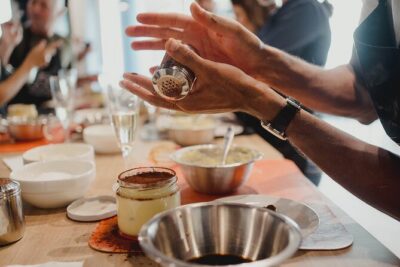
Dessert rounds things out with a traditional Sardinian dessert plus a glass of homemade Mirto. That finish matters because it brings the class full circle: it’s not just cooking instruction. It’s island hospitality, where food ends with a local ritual rather than stopping at dessert-sugar overload.
There’s also regional wine during the meal. That’s not just a drink added for fun. Wine changes the meal pacing—slow down a bit, taste more carefully, and enjoy the back-and-forth conversations at the table.
Wine, Homemade Mirto, and the Sardinian Flavor Pattern
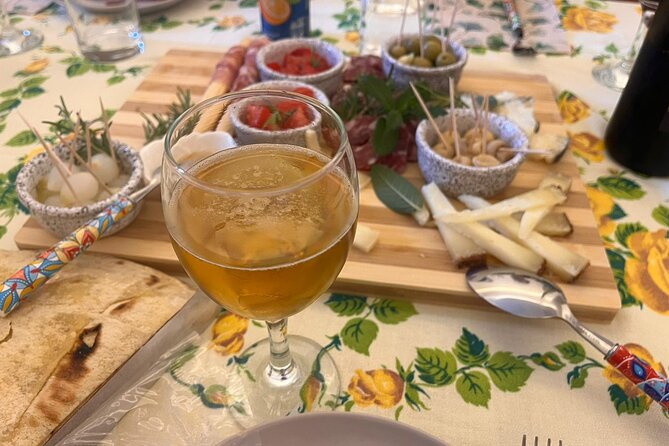
Sardinia is the kind of place where flavors tend to be bold but grounded. You’ll notice it in the mix here: savory antipasti, herb-forward mint in the filling, and the sweet note of local honey. Then you finish with Mirto—myrtle liqueur—homemade.
Mirto is often described as island-famous, but the class gives you something more useful than a label: you get to taste it as part of the meal flow. You’re not drinking it in isolation at an attraction. You’re experiencing how locals might close the chapter.
Also, the wine is regional and included. That’s a practical value point. If you went to a restaurant after a pasta class, you’d still be paying separately for drinks. Here, the meal is built as a complete package.
Taste tip for you: don’t rush the Mirto. The flavor can be intense. Take a smaller sip and then pause for a moment. You’ll appreciate the shift from the richer pasta flavors to the liqueur sweetness.
Time, Pace, and Practical Tips for a Smooth 3 Hours
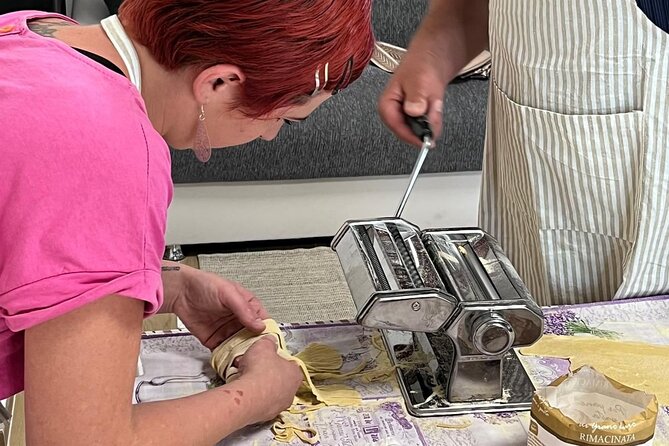
The duration is about 3 hours. That sounds short, but pasta making needs time for dough prep, rolling, shaping, and then cooking the final pasta. What makes this class work is the pacing. You’re not doing everything alone. You’re guided while you participate, and the meal is timed so you’re hungry without being frantic.
Plan to arrive ready. Wear comfortable clothes. You’ll likely handle dough, which can get a little messy. Keep your energy up with water, and don’t plan other activities right after. You’ll be eating a full 3-course meal.
If you have dietary needs, you should let the organizers know about allergies in advance. The class format is built around traditional ingredients, but they do ask you to communicate food allergies, which is the right move.
Also, bring your curiosity. The class is beginner-friendly in the sense that you don’t need prior cooking experience. But it still expects you to engage. You’ll learn faster if you treat this like practice, not like a performance.
Price and Value: Is $94.82 Worth It?
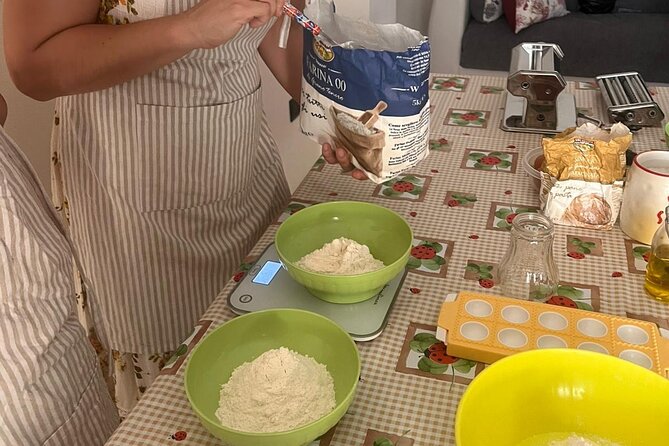
At $94.82 per person for a roughly 3-hour experience, the value comes from what’s bundled in, not just the label of a cooking class.
You’re paying for:
- Hands-on instruction for two pasta types (culurgiones and tagliatelle)
- A meal that includes antipasto, the pasta you made, dessert, and regional wine
- A finishing drink: homemade Mirto
- Digital recipes you can take home
- Small-group attention (max 6), which reduces wasted time and improves results
If you’ve ever booked a “tasting” experience, you know how quickly it can feel overpriced once you add up snacks and a couple sips. Here, the class includes a full meal with drinks. And the practical part is the skill transfer. Recipes help you repeat at home, and the memory sticks because you shaped the pasta yourself.
Is it pricey compared with cooking at home? Sure. But it’s also not “just ingredients.” It’s the instruction, the local food approach, and the meal built around what you make.
One more value note: the booking window is often around 21 days in advance on average. If you’re visiting during peak travel times, you’ll want to reserve early so you get the slot that fits your schedule.
Who Should Book This Class (and Who Might Not)
This is ideal if you:
- Want a hands-on food experience instead of watching from the sidelines
- Enjoy making real things with your hands—dough work, shaping, rolling
- Like learning traditional dishes with local ingredients like mint, potato filling, and local flours
- Want a meal experience that feels cultural and not rushed
You might think twice if you:
- Prefer purely tasting and sipping without cooking
- Have very limited time and need something shorter than 3 hours
- Feel anxious about messy hands (it’s manageable, but it’s still cooking)
The small group also makes this a good choice for solo travelers, couples, and small groups. You get attention without the “tour herd” feeling.
Should You Book the Cagliari Ravioli Class?
If you want a real Sardinian food day, this is a strong bet. I’d book it if you care about learning the how behind culurgiones and fresh tagliatelle, and you’re happy to spend time making pasta and then eating a full Sardinian meal.
The biggest strengths are the small group format, the patient, skilled teaching from Giulia, and the fact that your lunch isn’t separate from the class—it’s the reward. You’re guided, you cook, you sit down, and you finish with Mirto. That’s exactly the kind of experience that turns a vacation meal into something you can repeat.
If you’re mainly looking for a quick taste with minimal effort, you may feel a bit spent by the hands-on approach. But for most food lovers, the payoff is big and very practical.
FAQ
What will I learn in the Cagliari cooking class?
You’ll learn how to cook traditional Sardinian culurgiones (potato and mint filling) and fresh tagliatelle. The class is hands-on and includes step-by-step guidance.
How long is the cooking class?
It lasts about 3 hours.
What’s the group size?
The class has a maximum of 6 travelers.
Is the class offered in English?
Yes, it’s offered in English.
What’s included in the meal?
You’ll have a 3-course meal: Sardinian antipasto (cheeses, cured meats, honey), the pasta you prepared, and a traditional Sardinian dessert. Regional wine during the meal and homemade Mirto liqueur are included.
Do I get recipes to take home?
Yes. You receive digital recipes after the class.
Can I tell the provider about food allergies?
Yes. You should let them know about any food allergy.
Can I cancel for a full refund?
Free cancellation is available. You can cancel up to 24 hours in advance for a full refund. Less than 24 hours before the start time is not refundable.