REVIEW · SALERNO
Handmade pasta workshop by Cilento Experience
Book on Viator →Operated by Daniel Aleman Lücker · Bookable on Viator
Dough here starts on a real farm. This handmade pasta workshop in Salerno’s Cilento area begins with Michele’s countryside growing setup and quickly turns into Rosalba’s home-style lesson for tagliatelle and ravioli. It’s food you can trace back to the ground it came from.
I love how the ingredients are treated like part of the story, not just part of the recipe. You’ll work with regional items such as buffalo ricotta and herbs gathered from the garden, which makes the cooking feel personal and very local.
One consideration: the class depends on good weather, since the cooking and the meal happen on a terrace outdoors. If the day is moved or refunded, it’s because they’re trying to keep the experience intact.
In This Review
- Key Things That Make This Cilento Pasta Workshop Special
- A Farm Start in Cilento: Michele’s Vegetables Set the Tone
- Meeting Rosalba: When the Lesson Becomes a Conversation
- From Fresh Ricotta to the Filling: What Makes Ravioli Feel Different
- Tagliatelle and Tomato Sauce: Simple Steps, Real Texture
- The Kitchen Setup: A Flower-Filled Garden Terrace Meal
- Price and Logistics: Is $96.12 Good Value?
- Timing in the Real World: The 3:00 pm Start Works Best If You Plan Ahead
- Who This Workshop Is Best For (and Who Might Prefer Something Else)
- Quick Tips for Getting More From Your Class
- Should You Book This Cilento Handmade Pasta Workshop?
- FAQ
- Where does the workshop start and where does it end?
- What time does it begin and how long is it?
- Is this private and is it offered in English?
- What pasta will you make and what will you eat?
- What happens if the weather is poor?
- What is the cancellation policy?
Key Things That Make This Cilento Pasta Workshop Special
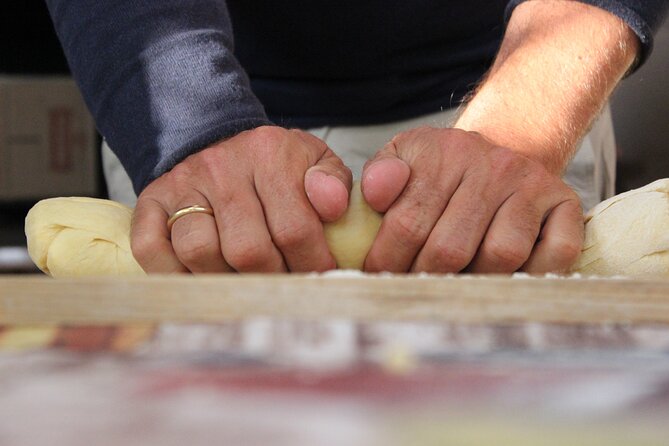
- A farm stop before the flour flies, with Michele’s vegetables setting the tone
- Garden-to-dish herbs, including sage that’s picked in the surrounding garden area
- Freshly made ricotta nearby, with the dairy work done close to the kitchen
- A cooking teacher who invites questions, so you learn by talking, not just watching
- A proper sit-down meal, served in the same garden terrace setting where you cooked
- Private group format, so you’re not squeezed into a loud, rushed class
A Farm Start in Cilento: Michele’s Vegetables Set the Tone
The best part of a pasta class isn’t the pasta. It’s what leads up to it. Here, you start with a short excursion to the countryside where Michele grows his vegetables, so you understand what region and season the meal belongs to.
You can think of it as a warm-up for your senses. Before you touch the dough, you’re getting your bearings in the Cilento rhythm: hands in the soil, simple produce used at its peak, and a quiet confidence that the food will be good because the inputs are real.
If you enjoy “why this ingredient, why this method” more than just “how to cook the final dish,” this opening fits you. You’re being trained to taste the region, not just follow steps.
You can also read our reviews of more tours and experiences in Salerno.
Meeting Rosalba: When the Lesson Becomes a Conversation
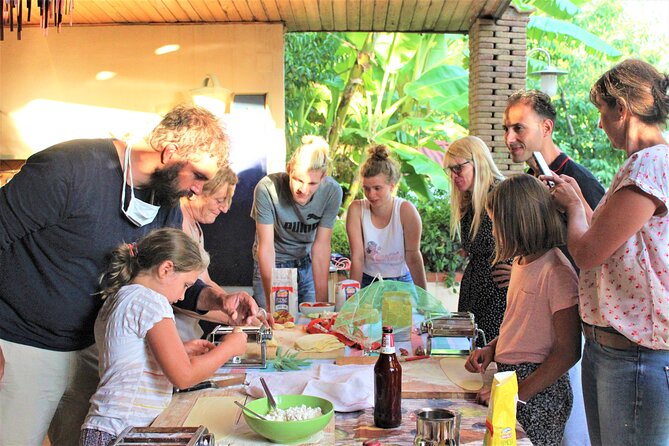
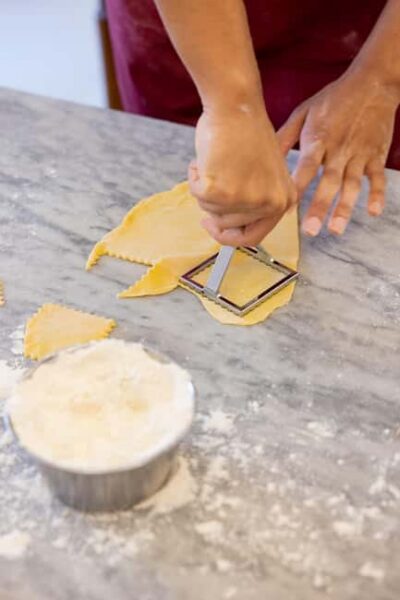
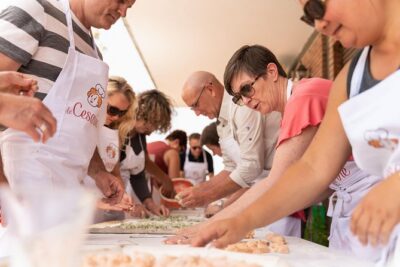
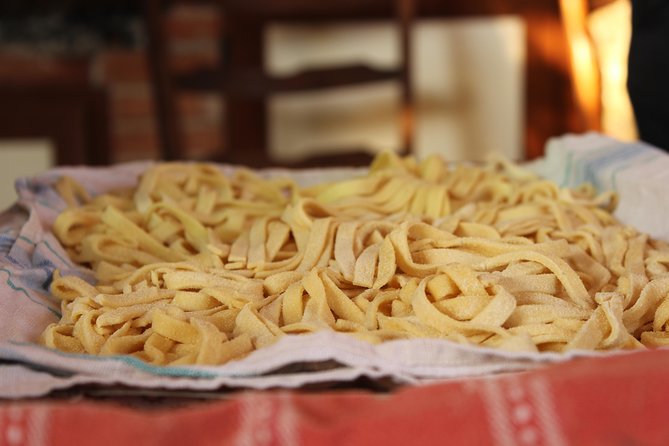
Once you’re back, you meet Rosalba, who guides you through making typical homemade tagliatelle and ravioli di Ricotta. This isn’t a take-a-photo-and-leave class. Rosalba actively encourages questions, because she sees cultural exchange as the point, not an extra.
That matters in real life. When you ask about dough texture, shaping, or how to judge doneness by feel, you pick up skills that actually stick. You also get a clearer understanding of what Cilentan home cooking values: patience, practical technique, and using local products without turning them into a performance.
You’ll also learn something deeper about her story and why she cooks the way she does. Rosalba had to build skills early because her parents worked in the fields all day. That kind of early responsibility tends to create a kitchen style that’s both calm and efficient.
From Fresh Ricotta to the Filling: What Makes Ravioli Feel Different
Ravioli can be intimidating until you see where the key ingredient comes from. In this workshop, the ricotta is made around the corner and used fresh. That small detail changes everything: the flavor stays bright, the filling feels creamy rather than watery, and the final result tastes like it was made moments ago.
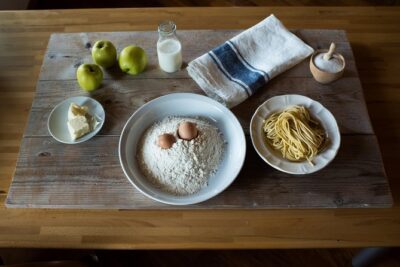
The filling is also built from local, not just generic “Italian-sounding” components. You’ll fill the ravioli with freshly made buffalo ricotta, buffalo butter, and sage gathered from the garden. Each part has a job: the ricotta gives body, the butter rounds it out, and the sage adds a warm, slightly peppery edge.
If you’re a food nerd, you’ll likely notice that the herb isn’t treated like decoration. Sage is mixed in and used in the sauces too, so the flavor shows up again when you eat. That repetition makes it easier to understand the structure of the dish.
And yes, you’re learning technique here. Even if you never become a pasta-maker at home, you’ll leave knowing what makes ravioli filling taste right: moisture balance, fat-to-cheese harmony, and how herbs should smell before they go in.
Tagliatelle and Tomato Sauce: Simple Steps, Real Texture
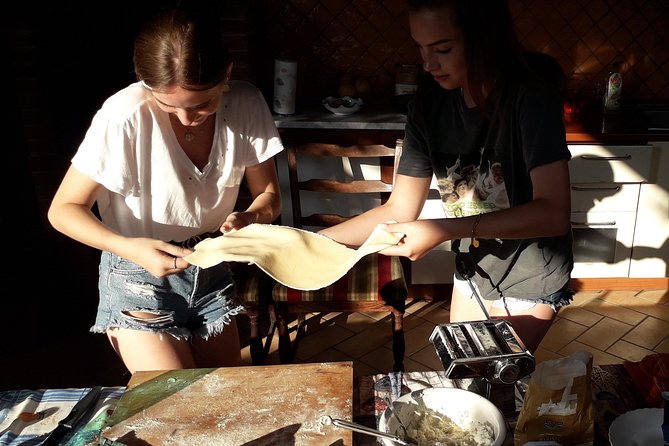
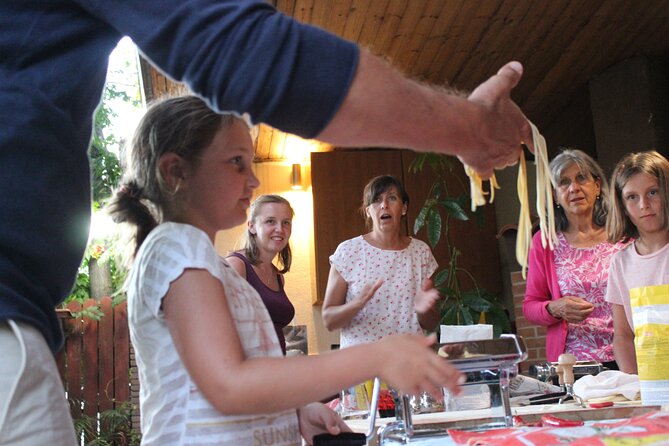
After ravioli, you’ll move to tagliatelle and homemade tomato sauce. Tagliatelle is one of those pastas that rewards attention. The strands aren’t just “pretty”—they’re part of how the sauce clings and how you feel the bite.
The goal is not just to cut or shape pasta, but to get the dough to behave. You’ll learn how the dough should feel as you handle it, and how that translates into clean ribbons that cook evenly. That’s a skill you can reuse later, even if you never make tagliatelle again.
You also get a clear taste reference: you’ll eat tagliatelle in homemade tomato sauce, so you can connect what you made with what lands on your plate. That kind of feedback loop is why hands-on classes beat watching cooking videos.
The Kitchen Setup: A Flower-Filled Garden Terrace Meal
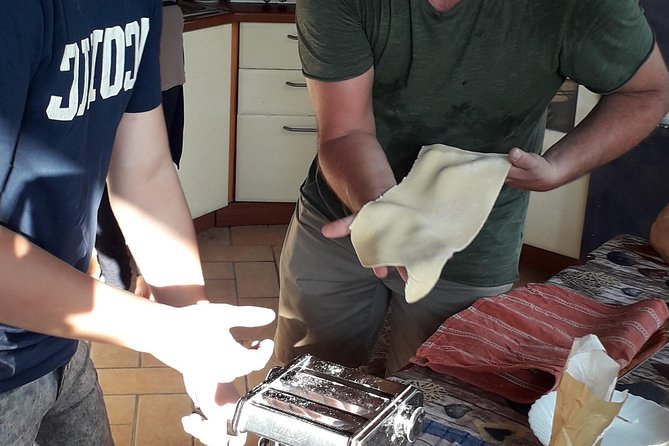
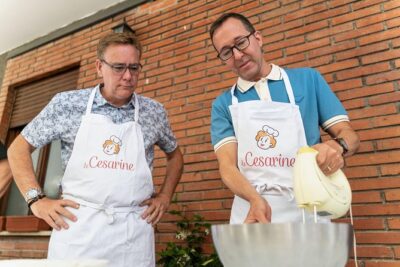
This workshop has a “stay in the same place” kind of logic that I really like. The kitchen is on a flower-filled garden terrace in the green, and you always eat there too. The idea is that nothing should feel swapped out or forced—same setting, same culture, same pace.
For you, that means fewer distractions and more immersion in the meal itself. You’re not rushing through a demonstration, then sprinting somewhere else for dinner. You work, you cook, you sit down, and you taste the result in the environment where it belongs.
The menu also reflects what you cooked. Your starter is ravioli di ricotta in butter and sage sauce, plus tagliatelle in tomato sauce. In other words, you’re not just making a showpiece. You’re building a full, coherent meal.
One practical plus: being outdoors can make the day feel lighter and more social. Still, that weather dependence is real, and it’s worth factoring into your schedule.
Price and Logistics: Is $96.12 Good Value?
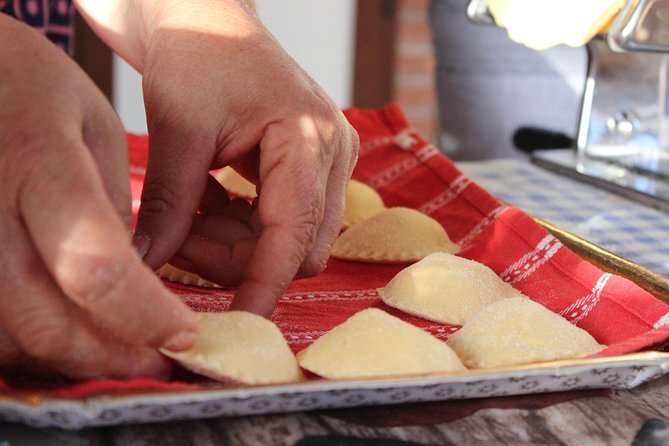
At $96.12 per person, this sits in the “serious but not outrageous” category for a private, hands-on cooking experience in rural Cilento. The value comes from what’s included, not just the number.
You’re paying for:
- a short countryside excursion tied to the ingredients (Michele’s vegetables)
- instruction in making tagliatelle and ravioli
- fresh, regional components like buffalo ricotta and sage from the area
- a meal served in the same garden terrace setting
- a private format, meaning it’s only your group
If you compare that to doing a pasta-making class plus buying dinner separately, the math often favors the workshop. If you’re traveling as a couple or a small family, private instruction can also justify the per-person cost—because you’ll likely get more time with Rosalba and Daniel for questions.
If you’re on a super tight budget, though, it’s also worth knowing this is not a quick tasting. It’s a real food experience with ingredients and people involved, and it has a set rhythm (start at 3:00 pm, about 2 hours 5 minutes).
Timing in the Real World: The 3:00 pm Start Works Best If You Plan Ahead
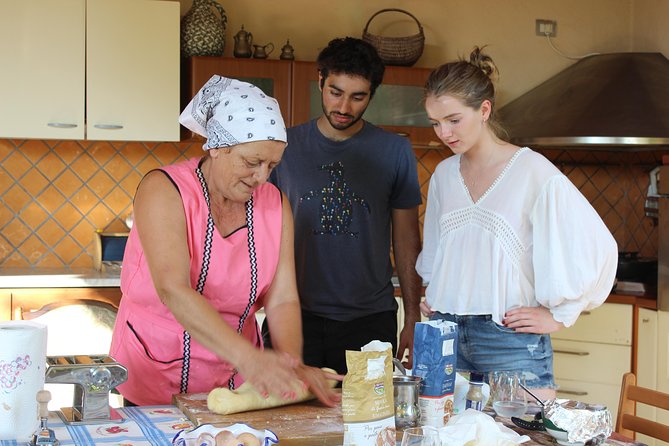
The workshop starts at 3:00 pm at Via della Gueglia, 53, 84047 Capaccio Paestum SA, Italy. It ends back at the meeting point.
That late-afternoon timing is smart for two reasons. First, it gives you a slower start to the day in Salerno/Cilento. Second, it sets up a meal that feels like dinner without being late-night dining.
Also, even with an approximate duration of 2 hours 5 minutes, plan a little flexibility. When you’re making pasta with a teacher who invites questions, the best parts of the experience can stretch the timeline slightly. Bring a relaxed attitude and you’ll get more out of it.
Who This Workshop Is Best For (and Who Might Prefer Something Else)
This is a strong match if you want an authentic, ingredient-forward class. You’ll enjoy it most if you:
- like cooking that starts with real produce and local sourcing
- care about technique (dough feel, shaping, filling balance)
- enjoy family-style conversations and Q&A with the host
- travel with kids and want a warm, welcoming setting
The experience also has a reputation for being family-friendly. Daniel is the named organizer, and the class rhythm can work well with younger travelers when your group is ready to engage rather than just watch.
You might consider another option if:
- you need a strictly timed schedule with no weather risk (the day requires good weather)
- you’re only interested in eating and would rather avoid hands-on cooking
- you prefer large group classes with a faster pace and less conversation
Quick Tips for Getting More From Your Class
A few small moves can make the day better:
- Go in hungry, but not frantic. You’ll work for your meal.
- Ask questions as you go. Rosalba explicitly welcomes that.
- Take note of herbs and ingredients you can identify. Sage is a big one here.
- If you’re bringing kids, help them understand the rules: wash hands, take turns with tasks, and enjoy the meal as part of the learning.
Should You Book This Cilento Handmade Pasta Workshop?
If you want a pasta class that feels like Cilento life, not a generic cooking studio, book it. The combination of Michele’s countryside start, Rosalba’s question-friendly teaching, fresh buffalo ricotta, and a garden-terrace meal is exactly the kind of experience that turns into a real memory. And with a 4.9/5 rating and a 100% recommendation rate, the odds are good that you’ll leave with both full stomachs and usable skills.
If your schedule is rigid or you’re traveling in conditions where weather is unpredictable, treat the weather requirement as your main risk. Otherwise, this is a high-value, hands-on way to learn regional pasta the way local families actually do it.
FAQ
Where does the workshop start and where does it end?
It starts at Via della Gueglia, 53, 84047 Capaccio Paestum SA, Italy. The activity ends back at the same meeting point.
What time does it begin and how long is it?
The start time is 3:00 pm, and the duration is approximately 2 hours 5 minutes.
Is this private and is it offered in English?
Yes. It’s a private tour/activity, and it’s offered in English.
What pasta will you make and what will you eat?
You’ll make typical homemade tagliatelle and ravioli di Ricotta. The sample meal includes ravioli di ricotta in butter and sage sauce and tagliatelle in tomato sauce.
What happens if the weather is poor?
This experience requires good weather. If it’s canceled due to poor weather, you’ll be offered a different date or a full refund.
What is the cancellation policy?
You can cancel for free up to 24 hours in advance for a full refund. If you cancel less than 24 hours before the start time, the amount paid isn’t refunded, and the experience also depends on meeting a minimum number of travelers.