REVIEW · ROME
Pasta and Tiramisù Cooking Workshop in the Heart of Rome
Book on Viator →Operated by iQook Experience · Bookable on Viator
Fresh pasta in a small room feels personal. I like the six-person cap that keeps the lesson hands-on, and I like that you tackle fettuccine and ravioli from dough to plated meal. One thing to think about: you are making the pasta, but the chef may finish cooking in small batches rather than micro-managing every exact bit of each person’s portion.
You meet at Via Firenze 10 (00184 Roma), near the Opera House area, in a modern, clean space with easy public-transport access. The class runs about 2 hours 30 minutes and starts at 6:00 pm, and you end by eating what you made with regional wine plus other drinks, and you get recipes by email afterward.
In This Review
- Key Things I’d Put on Your Radar
- Where You Meet on Via Firenze and What the Space Feels Like
- The 2.5-Hour Clock: How the Evening Moves From Dough to Dinner
- What You’ll Cook: Fettuccine, Ravioli, and Tiramisù (and Why This Combo Works)
- Fettuccine
- Ravioli
- Tiramisù
- The Cooking Skills You Actually Take Home
- Working the dough and reading it with your hands
- Rolling and shaping without feeling rushed
- Ravioli technique and sealing confidence
- Drinks, Lunch-or-Dinner Mode, and How the Meal Part Works
- You’re eating at the right moment
- Non-drinkers aren’t an afterthought
- Small Group Size: Why Six People Changes Everything
- Price and Value: What You’re Paying For at $66.52
- Who This Cooking Workshop Fits Best
- Should You Book This Pasta and Tiramisù Class in Rome?
- FAQ
- What’s included in the cooking workshop?
- How long is the class?
- Where does the class meet in Rome?
- What time does the workshop start?
- Is the class taught in English?
- How many people are in each class?
- Will I get recipes after the class?
- Is there free cancellation?
Key Things I’d Put on Your Radar
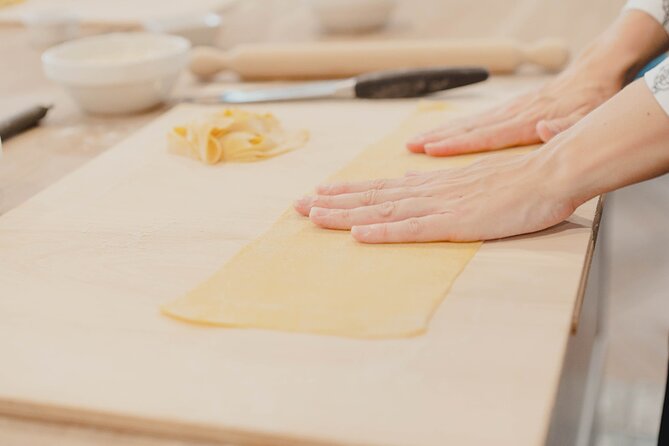
- Six-person limit means more time with the chef and fewer awkward waits at the flour station
- Two pasta types, one session: fettuccine and ravioli, both made from scratch
- Tiramisù for dessert using the same practical, hands-on approach as the pasta
- Wine and drink included (prosecco, wine, and limoncello), plus options for non-drinkers
- Recipes sent after class so you can re-create the meal at home instead of starting over from memory
Where You Meet on Via Firenze and What the Space Feels Like
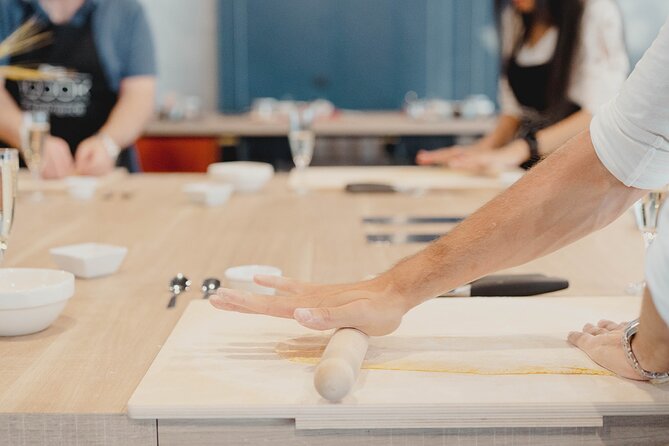
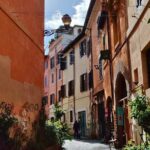
The meeting point is Via Firenze, 10, in central Rome (00184). It’s a good area to reach, and the class is set up so you’re not trekking across the city just to learn to cook pasta.
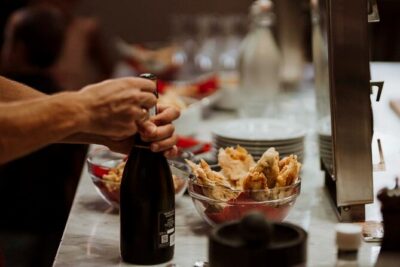
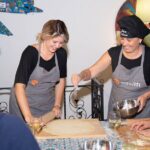
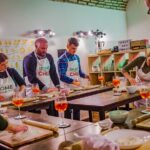
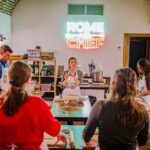
You’ll likely notice two things right away: it’s a modern, tidy room set up for food work, and it’s designed for a group to move without getting in each other’s way. Several people also point out comfort details like cleanliness and good facilities, including an air-conditioned room in at least one session. That matters more than people think. When you’re rolling dough and working with eggs and flour, a warm, cramped space can turn a fun activity into a sweaty puzzle.
Also, the location is handy for your evening rhythm. You start at 6:00 pm, so you can do a daytime sightseeing loop, drop your bags, then walk or transit over without rushing from one end of Rome to the other. If your hotel is near Termini, it should still be an easy reach. If you’re basing yourself around the Opera House, even better—you’re basically already near the neighborhood where the class lives.
You can also read our reviews of more tours and experiences in Rome.
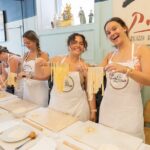
The 2.5-Hour Clock: How the Evening Moves From Dough to Dinner
This workshop is built around a steady pace: hands-on prep, learning the key techniques, then sitting down to eat. You’re there for about 2 hours 30 minutes, and the timing is ideal for people who want a “real dinner” experience without burning an entire night.
Here’s the practical flow you can expect:
1) Welcome and a quick setup
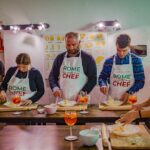
You’ll get oriented in the kitchen area and start with the basics for making pasta dough. The class tone is patient and instruction-heavy, with assistants often present to help with tasks like serving and cleanup.
2) Make and shape two pasta varieties
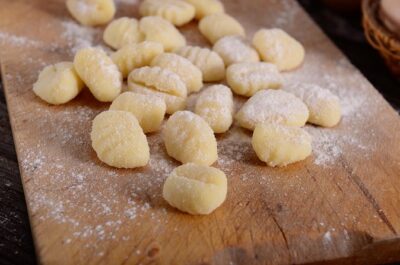
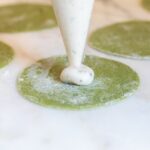
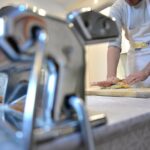
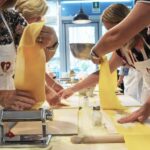
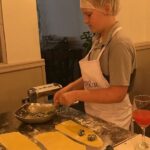
You’ll learn how to prepare fettuccine and ravioli from start to finish. That means dough work, shaping, and understanding how the pasta should look and feel as you go. One small but memorable detail from participants: people often enjoy the physical part of mixing and working the dough—yes, even the flour-smushing stage.
3) The chef finishes the cooking and you eat together
After you shape the pasta, the chef cooks it so you can enjoy it while it’s at its best. Some sessions keep things group-specific, with separate cooking/serving so you’re eating your own work rather than something that was made long before you arrived.
4) Tiramisù dessert
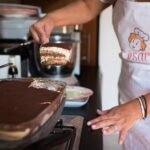
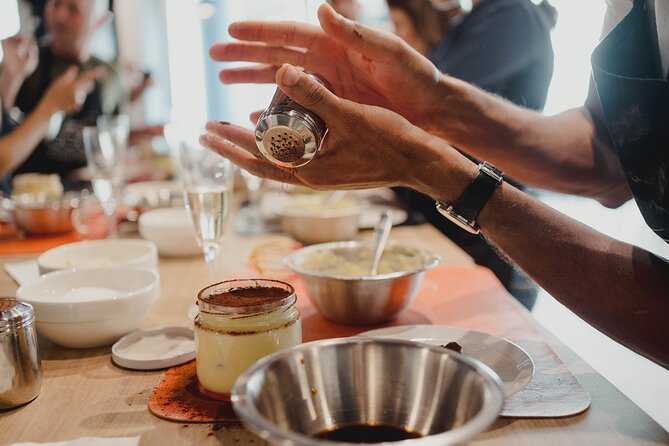
Then you pivot to dessert. You make tiramisù and take it through to the end result, with the same guided approach as the pasta. The point isn’t just to watch—it’s to leave able to re-create it later.
5) Drinks with the meal
Prosecco, wine, and limoncello are part of the experience. Non-drinkers and kids are also accommodated with alternatives, so you’re not stuck watching other people have fun.
What You’ll Cook: Fettuccine, Ravioli, and Tiramisù (and Why This Combo Works)
The menu is refreshingly straightforward: fettuccine and ravioli, plus tiramisù for dessert. The value is in the pairing. Pasta shapes teach you different skills, and tiramisù is a satisfying finish that doesn’t require the same rolling/precision effort as pasta.
Fettuccine
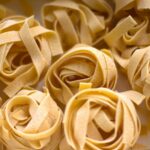
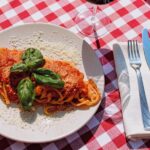
For fettuccine, you learn the process that turns dough into long ribbons. In some sessions, the fettuccine is served with a red sauce, which gives you a full, classic Roman-Italian pasta experience right on your plate.
This dish is a great match if you want to practice technique you can repeat at home. The “feel” of the dough and the way it handles while rolling is the kind of knowledge that’s hard to learn from a recipe alone.
Ravioli
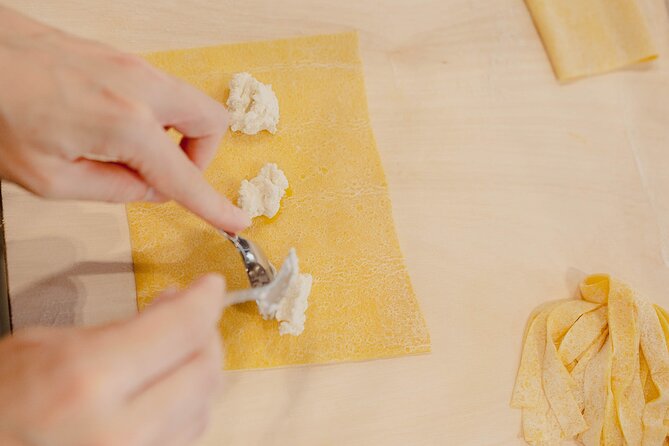
Ravioli are a different kind of challenge: shaping stuffed pasta means you’re building consistency and sealing skills at the same time. One participant called the ravioli their best pasta in Rome, and that aligns with how ravioli usually land—small portions, big payoff.
In at least one described session, ravioli are served with a simple butter sauce. That’s smart because it keeps the focus on the pasta itself. You get to taste what you made without a heavy sauce masking mistakes.
Tiramisù
Tiramisù is the “okay, now relax” part of the evening. You get hands-on work for dessert, then you sit down and eat. It’s a crowd-pleaser for a reason: it turns an activity into a proper meal, not just a cooking lesson.
The Cooking Skills You Actually Take Home
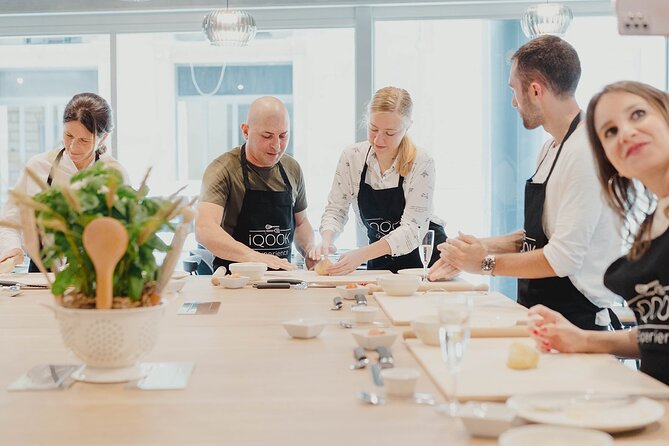
Most Rome cooking classes claim you’ll learn something. This one has a practical advantage: you make two pasta types and finish with dessert, so you walk away with enough muscle memory to try again at home.
Here are the skills that matter:
Working the dough and reading it with your hands
People highlight things like learning how dough should feel, and it’s not just about following steps. You’ll practice the tactile side—how dough changes as it comes together and how to handle it while working.
One participant even liked the moment of physically working the flour into the dough. That’s not a gimmick. It’s where pasta-making becomes real instead of theoretical.
Rolling and shaping without feeling rushed
In a larger group, you can spend half the class waiting for your turn. Here, the six-person cap changes the experience. With fewer people, the chef can guide you while you’re actively doing the work.
In described sessions, instructors provide easy explanations and adjust based on what you’re doing in the moment. Names that come up include Agnese and Danilo/Danielo, and both are described as patient and good English speakers, with assistants stepping in where needed.
Ravioli technique and sealing confidence
Ravioli teach you how to portion, shape, and close properly. That’s the hardest part for many home cooks later, and that’s why doing it with live coaching is valuable.
Also, if you’re the type who likes gadgets, one participant said they planned to buy a pasta attachment for a KitchenAid after seeing how much easier consistent rolling can be. You don’t need one, but it’s a useful takeaway.
Drinks, Lunch-or-Dinner Mode, and How the Meal Part Works
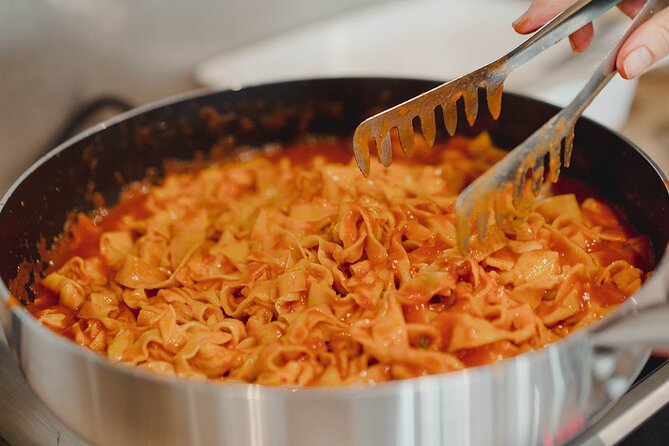
This class happens at 6:00 pm, so it effectively functions as dinner. You’re not just sampling small bites. You’ll sit down and eat what you made, with prosecco, wine, and limoncello offered alongside your meal.
Two practical details you should care about:
You’re eating at the right moment
Fresh pasta is best when it’s hot. A good cooking class doesn’t just let you finish and hope for the best. Here, the chef cooks the pasta for you to enjoy as a meal, and in some sessions the pasta is cooked and served by group, so you get the satisfaction of eating what you created.
Non-drinkers aren’t an afterthought
One review specifically mentions that kids and people who didn’t drink were offered other options and weren’t left out. That’s a comfort factor if you’re bringing family or you’re the designated driver.
If you do drink, it’s part of the social pace. Expect a relaxed, casual dinner vibe after the hands-on work, with the Italian meal feeling like the payoff.
Small Group Size: Why Six People Changes Everything
In cooking classes, group size isn’t a minor detail. It changes the quality of instruction and the pace of the whole evening.
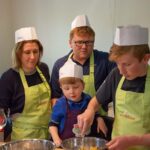
With a maximum of 6 people, you’re less likely to feel like you’re stuck watching someone else cook. You get more time for the chef to correct your dough handling, answer questions on the spot, and help when things go slightly wrong—which they will, because pasta-making is physical work.
That group size also makes it easier to keep the kitchen calm and organized. Several participants praise the organization and the clean facilities. In practical terms, it means fewer bottlenecks and more direct help.
It also improves your social experience. You can actually talk while you’re working and then keep the conversation going during the meal. Some people mention chatting after dinner, which is a nice bonus if you like meeting others but don’t want a big, noisy class.
Price and Value: What You’re Paying For at $66.52
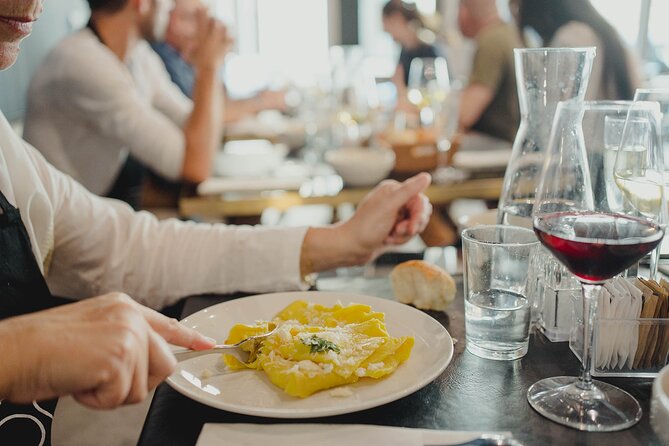
$66.52 per person sounds simple, but the value comes from stacking what’s included:
- Two pastas from scratch: fettuccine and ravioli
- Dessert made on site: tiramisù
- Meal included: you eat what you made
- Drinks included: prosecco, wine, and limoncello
- Recipes sent after: people report getting recipe emails after the class
When a class includes recipes and drinks, it shifts from pure entertainment to a true food experience. You’re paying for instruction, ingredients, and the meal outcome—plus the chance to repeat at home.
The most convincing part for me is the small group cap. If you’ve ever tried to learn a hands-on skill in a crowd, you know you lose time. Here, the six-person limit helps you actually learn.
Who This Cooking Workshop Fits Best
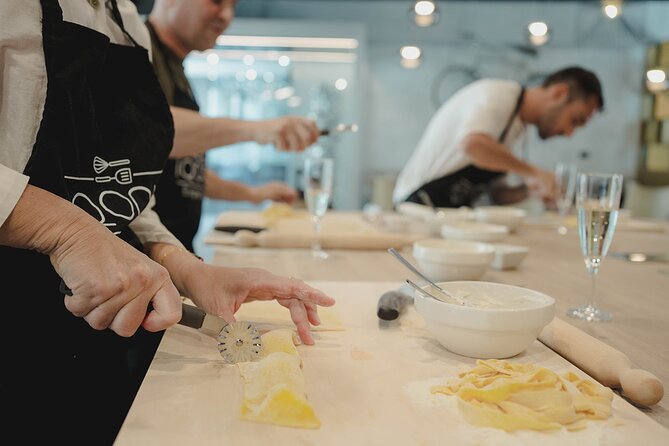
This workshop is a great fit if you want an evening activity that ends with a real meal and skills you can use later. It’s also a good choice when you want structure without feeling stiff.
It tends to work especially well for:
- Couples who want a shared activity and a memorable dinner
- First-time pasta-makers who need clear guidance
- Families with kids, since non-drinkers and kids are accommodated and the pace feels friendly in small groups
- People who like tangible takeaways, like recipes emailed after
If you’re the type who only wants a passive food tour (watching others cook), this may feel too hands-on. And if you’re highly focused on seeing every last micro-step for your exact individual portion, keep in mind that chefs sometimes cook in small batches to keep the timing right.
Should You Book This Pasta and Tiramisù Class in Rome?
If your goal is to leave Rome with more than photos, I’d book it. The combination is unusually practical: fettuccine + ravioli + tiramisù in one go, with a small class size that makes the instruction usable. Add drinks and recipes by email, and you’re paying for an evening that turns into future cooking too.
Book it if:
- You want a hands-on dinner that starts at 6:00 pm
- You like the idea of learning two pasta types, not just one
- You’ll use the recipes later, even if only for a single attempt at home
Consider it carefully if:
- You dislike any alcohol setting (because prosecco/wine/limoncello are part of the meal, even though alternatives exist)
- You want zero batch cooking and perfect one-to-one visibility of every portion from start to finish
Bottom line: this is the kind of class that makes you feel like Rome is teaching you something you can reuse, not just showing you something you consume.
FAQ
What’s included in the cooking workshop?
You’ll learn to prepare two pasta varieties (fettuccine and ravioli) and make tiramisù for dessert. You also eat a home-cooked Italian meal, with beverages included.
How long is the class?
It runs about 2 hours 30 minutes.
Where does the class meet in Rome?
The meeting point is Via Firenze, 10, 00184 Roma RM, Italy. The activity ends back at the meeting point.
What time does the workshop start?
The start time listed is 6:00 pm.
Is the class taught in English?
Yes, the workshop is offered in English.
How many people are in each class?
The maximum group size is 6 people.
Will I get recipes after the class?
Yes. Participants report receiving the recipes by email after the class.
Is there free cancellation?
Yes. You can cancel up to 24 hours in advance for a full refund.