REVIEW · ROME
Rome Pasta & Tiramisu Making Class with Fine Wine
Book on Viator →Operated by The Roman Food Tour - Food Tour Rome · Bookable on Viator
Pasta lessons and wine fix a Rome afternoon. This small-group class near the Vatican City turns sightseeing downtime into a real, hands-on pasta and tiramisu session, run in a professional kitchen. I also love the free-flowing prosecco and wine vibe that starts before you cook, so the whole thing feels like eating and learning at the same time.
One thing to plan for: the schedule can run longer than you expect, and the drink pace is fast. You should also assume you’ll be drinking for a few hours, so if you don’t want that, pick your approach early.
In This Review
- Key highlights at a glance
- Getting to Via Cipro: Easy start near the Vatican area
- The 2:00 pm flow: why this class breaks up Rome sightseeing
- First stop: tastings that teach you what matters
- Meet your hosts and chefs: the human part of the class
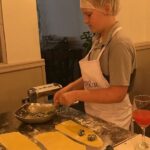
- In the kitchen: fresh pasta skills you can actually repeat
- The “walk between” moments: two spots, one afternoon
- Wine and food pairing: what to expect when you’re not driving
- Tiramisu: the sweet finish with real technique
- Group energy: making friends while you cook
- Time and alcohol pace: the only real drawback to plan for
- Price and value: why $32.67 feels like a bargain
- Who should book this Rome pasta and tiramisu class
- Should you book this class?
- FAQ
- FAQ
- What time does the Rome Pasta & Tiramisu class start?
- How long is the experience?
- Where is the meeting point?
- Does the activity end where it starts?
- Is the class offered in English?
- How many people are in the group?
- What will I make and eat?
- Are wine and Prosecco included?
- Is it beginner-friendly for cooking?
- Can I cancel for a full refund?
- Is there a mobile ticket?
Key highlights at a glance
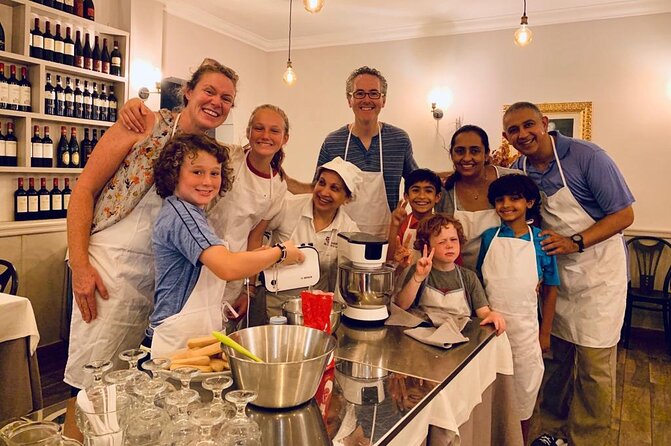
- Small group size (max 16): more time with the chef and less waiting around
- Tasting first, then cooking: you learn what goes into Italian classics before you make them
- Real pasta skills: fettuccine and ravioli from scratch, with guidance as you go
- Tiramisu with structure: you’re building layers, not just assembling a dessert
- Wine and prosecco included: served with the meal and kept coming throughout
Getting to Via Cipro: Easy start near the Vatican area
Your afternoon begins at Via Cipro, 4/L (00136 Roma RM). The good news is the spot is near public transportation, so you’re not stuck with a long, confusing haul through Rome’s side streets.
If you’re staying near the Vatican, it’s a very doable add-on. One useful tip from the way people describe the experience: take the Metro and plan to get off about one stop beyond Vatican. That can help you feel oriented fast, then you’re ready to focus on the class instead of navigating.
You can also read our reviews of more tours and experiences in Rome.
The 2:00 pm flow: why this class breaks up Rome sightseeing
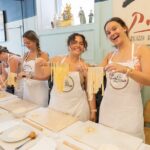
This starts at 2:00 pm and runs about 3 hours 30 minutes on paper. In practice, you should give yourself more wiggle room, because several people found it closer to 4–5 hours. It’s not a quick pop-in, and that’s part of the charm.
The format matters. You’re not just watching. You’re cooking, tasting, and then eating what you made. That means it works best when you want a full reset in the middle of your trip, not when you’re squeezing in one last thing before dinner.
If you like a smart rhythm, this also pairs well with a morning Vatican visit. You’ve got history earlier, food skills later, and you end the day with a belly full of pasta and dessert.
First stop: tastings that teach you what matters
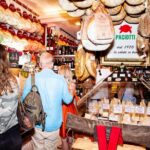
Before you touch dough, you get a tasting session. The vibe is friendly and a little social. People talk about appetizers and wine pairing right away, then you get little food lessons along the way.
Expect to taste Italian staples and ingredients that show up in real Roman cooking. Reviews mention things like cheeses, balsamic vinegar, olive oil, Parmigiano Reggiano, pestos, truffle products, and Prosecco. You also get short explanations that connect the flavors to what you’ll cook later.
I like this approach because it removes the mystery. When it’s time to make pasta, you’re not thinking, What am I doing? You’re thinking, Oh, that’s why this ingredient matters.
And yes, drinks start early. Prosecco tends to keep pouring, and the same story repeats with the wines later. If you’re the type who wants to sample but keep a clear head, you’ll want to slow down when you first sit down.
Meet your hosts and chefs: the human part of the class
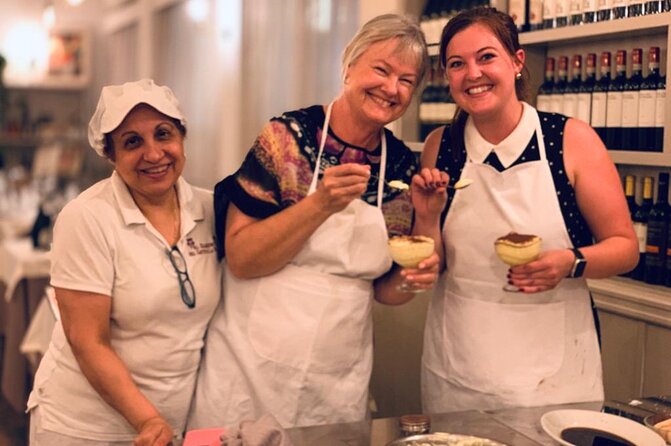
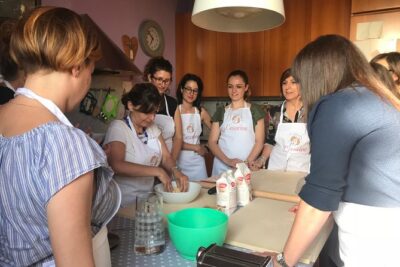
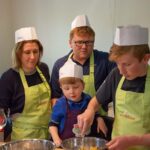
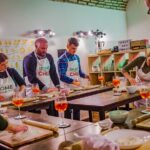
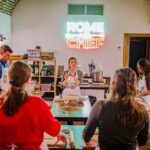
A big reason people rate this so high is how the team runs the room. You’re in a group of up to 16, so you’re not anonymous, and the instructors tend to bring energy.
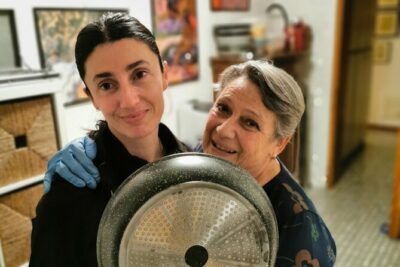
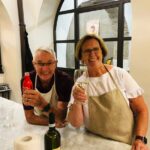
Names that come up in the experience include hosts such as Lise (also written Lis) and Nina, and chef instructors like Patrick. Other names mentioned include Carlo and Jason, depending on the session. The common thread is instruction that feels personal, plus a lot of humor.
One neat detail: staff have been known to accommodate special moments. For example, hosts Carlo and Nina reportedly toasted an engagement. That’s the kind of small extra you don’t get from a scripted food show.
There’s also a practical side. One review notes attention to a hearing-impaired participant and that the team made sure it worked without treating the person like a special case. That kind of care matters in a hands-on class where everyone needs clear direction.
In the kitchen: fresh pasta skills you can actually repeat
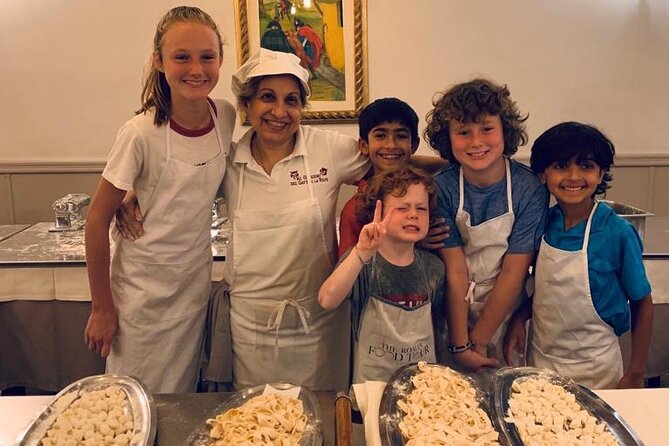
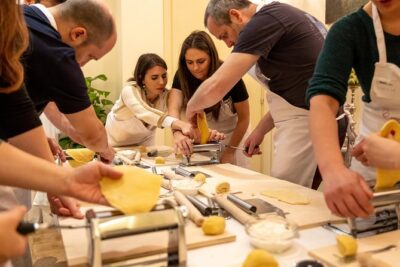
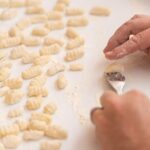
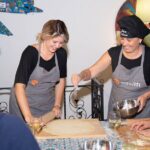
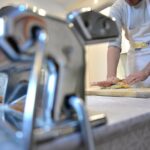
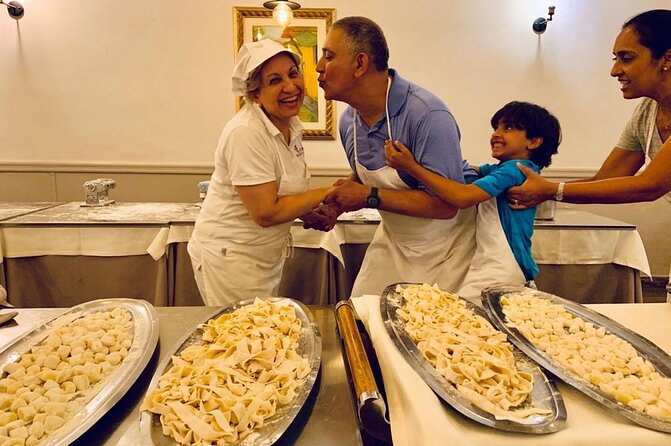
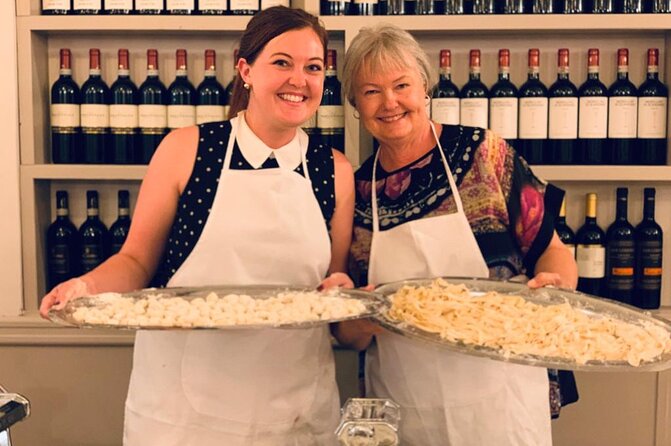
This is the heart of the experience. You’ll learn how to make fresh pasta with personal instruction in a professional kitchen setup. You don’t just get a recipe card and a pat on the back.
What you likely make includes:
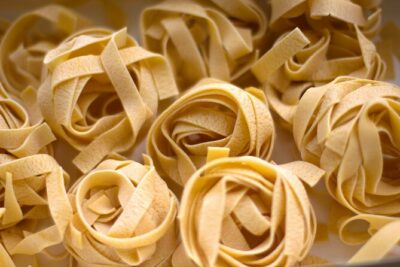
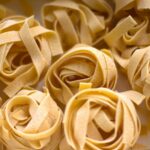
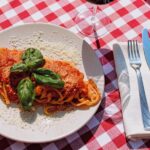
- Fettuccine with tomato sauce
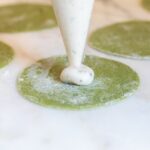
- Ravioli with ricotta and spinach
- Plus cooking touches like butter and sage
The teaching style seems geared toward beginners. People repeatedly say they were successful at making pasta, even with little or no experience. That’s exactly what you want from a Rome class: confidence.
Here’s what’s valuable for you, beyond the thrill of eating your own pasta. You learn fundamentals: dough handling, timing, and how to shape and cook without panic. Then later, when you’re tasting in Italy’s restaurants, you’ll recognize what’s happening in your plate.
And when your ravioli comes out right, it’s not luck. It’s because the chef keeps walking the room and adjusting how you work.
The “walk between” moments: two spots, one afternoon
Several people mention two locations and a short walk between them. You start at one point for tasting and food talk, then move near the restaurant kitchen where the pasta and tiramisu are made.
This structure is nice. It breaks the afternoon into phases instead of turning it into one long sit-down. It also helps your brain reset between tasting and cooking.
The short walk is also a small bonus. After you’ve been drinking Prosecco, you’re not just shuffling in a chair. You’re moving through the neighborhood, which makes it feel more like a local food outing than a classroom.
Wine and food pairing: what to expect when you’re not driving
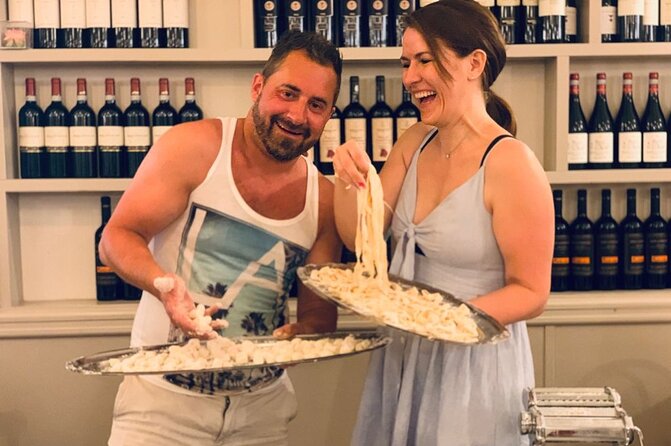
This class is clearly built around wine. Sample menus mention Prosecco, plus red and white wine, with non-alcoholic beverages available too.
The big practical point: people warn about drinking volume and say to prepare for 6+ cups of wine/Prosecco over hours. That’s not subtle. The pacing is part of the fun for many guests, and it’s why the atmosphere feels loose and celebratory.
So use your judgment. If you’re going to be drinking, this is one of the easiest places to do it because you’re focused on cooking and eating, not hopping between bars. But if you want to drink only a little, you can still enjoy the class; just be intentional from the first pour.
Pairing-style logic matters here. When you’re tasting ingredients first and then cooking later, the wine doesn’t just add flavor. It keeps you in the Italian mood while you learn.
Tiramisu: the sweet finish with real technique
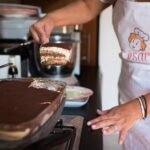
Dessert is tiramisu, and it’s not treated like an afterthought. You learn it as part of the class, then you eat what you made.
Tiramisu is all about layers and texture. The coaching you get for this is what helps beginners succeed without ending up with a sloppy mess. People also highlight that everyone seems to do well, even in mixed-skill groups.
This matters for your trip because tiramisu is one of those desserts you can easily order in Rome and leave feeling like it was just okay. Here, you learn what makes it good: the balance of the components and the timing of assembling.
Then the payoff hits. When you take your first forkful, you realize the dessert is built, not guessed.
Group energy: making friends while you cook
In Rome, it’s easy to feel like you’re just passing through other people’s photos. This class is different because it creates conversation while you work.
People mention making friends with fellow travelers and laughing with staff. That makes sense with a group of up to 16: small enough to chat, structured enough that you’re never standing around.
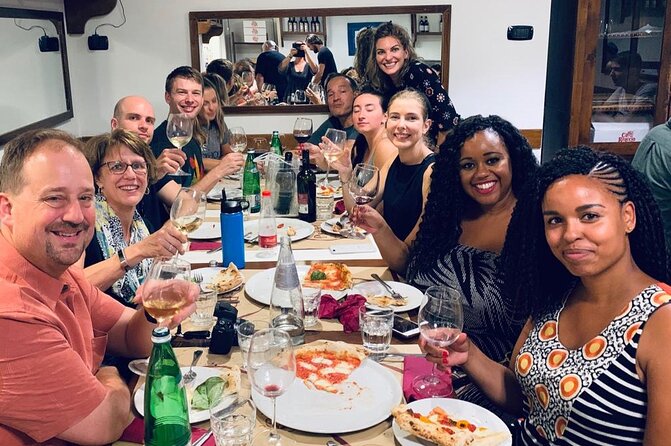
There’s also a social comfort built in. The staff keeps drinks flowing and the class moves at a pace that encourages interaction. Even solo travelers mention feeling welcome and meeting people.
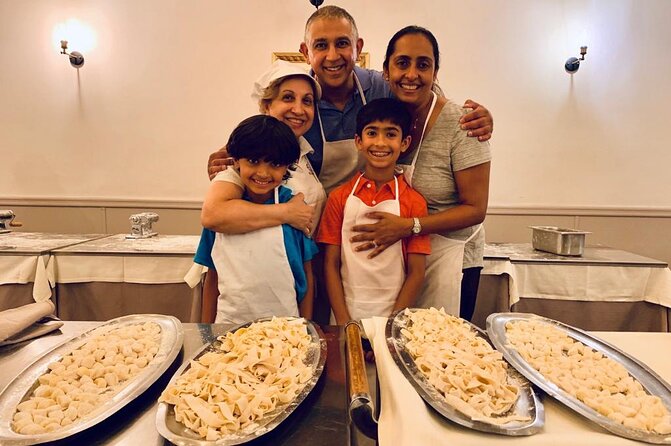
If you’re traveling with family or a group, you’ll like the shared goal. Several families mention this worked well even with kids in the group, especially because you get a tasting first and then a fun cooking process.
Time and alcohol pace: the only real drawback to plan for
Let’s be honest: the biggest drawback is not the food. It’s the schedule and the wine pace.
Some people found the class longer than expected, sometimes closer to 4–5 hours. Others mention how drinks keep coming for hours. That turns it into an afternoon commitment, not a quick activity between landmarks.
So plan like this:
- Treat it as your main “event” for the afternoon.
- Don’t stack it right next to a late museum reservation.
- If you’re sensitive to alcohol or you have an early dinner, go in with a plan to pace yourself.
If you accept that, it’s smooth sailing. People consistently describe it as relaxed, fun, and not rushed. One review even praised that the team didn’t feel like they were chasing a stopwatch.
Price and value: why $32.67 feels like a bargain
At $32.67 per person, you’re paying for three things at once:
1) a hands-on cooking class in a professional kitchen
2) a tasting session that teaches ingredients and flavors
3) wine and Prosecco included with the experience
That combination is the real value. Many Rome food experiences charge a similar amount for either tasting or cooking, not both. Here, you get the learning and the eating tied together, which makes the price feel justified.
Also, group size matters. With up to 16 people, you’re more likely to get personal coaching. That’s a quality-of-instruction benefit, not just a marketing line.
And because you’re making multiple courses—fresh pasta plus tiramisu—you’re leaving full. People report not needing dinner afterward, which is part of why the class compares favorably to paying for drinks and a big meal separately.
Who should book this Rome pasta and tiramisu class
Book this if you want:
- a hands-on Rome cooking experience instead of another walking tour
- a fun way to learn pasta basics and dessert technique
- wine and Prosecco included and you don’t mind the pace
- a small group setting where you’ll likely talk to people
It can also be a great rainy-day plan. Cooking is an easy alternative when the weather pushes you indoors.
Skip it if:
- you want something short and light
- you don’t want to be around alcohol for a few hours
- you’re trying to fit Rome’s sights into a tight clock schedule
Should you book this class?
Yes, if your trip can handle an afternoon event and you’re excited to make food, not just taste it. The class earns its reputation through three practical wins: hands-on pasta instruction, a dessert you actually learn to build, and an energy level that makes strangers feel like a group.
If you’re worried about timing, choose an afternoon with no tight commitments afterward. If you’re worried about wine, go in knowing it’s part of the fun—and manage your own pace from the start.
FAQ
FAQ
What time does the Rome Pasta & Tiramisu class start?
The class starts at 2:00 pm.
How long is the experience?
It lasts about 3 hours 30 minutes, though some people report it running closer to 4–5 hours.
Where is the meeting point?
The meeting point is Via Cipro, 4/L, 00136 Roma RM, Italy.
Does the activity end where it starts?
Yes, it ends back at the meeting point.
Is the class offered in English?
Yes, the experience is offered in English.
How many people are in the group?
This activity has a maximum of 16 travelers.
What will I make and eat?
You will make and eat fresh pasta (including fettuccine and ravioli) and you’ll make tiramisu for dessert.
Are wine and Prosecco included?
Yes. Prosecco and wine are included, along with non-alcoholic beverages.
Is it beginner-friendly for cooking?
The experience is designed for a class setting with instruction, and people report being successful even if they are not experienced.
Can I cancel for a full refund?
Yes. You can cancel up to 24 hours in advance for a full refund. If you cancel less than 24 hours before the start time, the amount paid will not be refunded.
Is there a mobile ticket?
Yes, the tour includes a mobile ticket.