REVIEW · BOLOGNA
Bologna: Express Pasta-Making Class with Tasting
Book on GetYourGuide →Operated by alessia fiocchi · Bookable on GetYourGuide
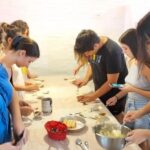
Flour on your hands, sauce on your plate. In Bologna’s express pasta class with Alessia Fiocchi, you learn classic shapes like tortellini in about 90 minutes, then you eat what you make.
I love how practical it feels, not theory-heavy. You roll dough with a rolling pin, form real Bologna-typical pasta, and finish with a sit-down tasting that actually matches your effort.
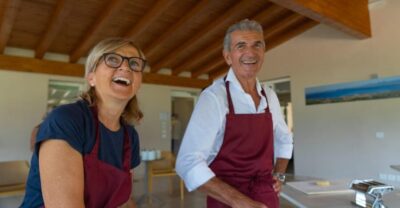
I also like the homey, small-group pace: you’re limited to 10 people, instruction is available in French, Italian, and English, and you’ll cook in the company of Pol and Ruby, the host’s kittens. One consideration: the meeting point is precise, and you need to go in front of the grey gate for cars at Via Sabotino, 27.
In This Review
- Key Moments That Make This Class Worth Your Time
- Bologna’s Real Pasta Lesson, Compressed Into 1.5 Hours
- Meet at Via Sabotino: The One Spot You Must Find First
- What You’ll Make: Tortellini, Tagliatelle, Farfalle, and More Shapes
- Rolling Dough With a Rolling Pin: Why This Matters More Than It Sounds
- The Tasting Plan: Broth Tortellini, Ragù Tagliatelle, Tomato-Basil Farfalle
- The Tone: Like Cooking With Family, Not Standing in a Demo Line
- Included Extras That Add Real Value (Not Just Paper Inclusions)
- Price and Value: Is $62 Worth It in Bologna?
- Who Should Book This Pasta Class (And Who Might Skip It)
- Practical Tips Before You Go
- Should You Book This Bologna Express Pasta Class?
- FAQ
- How long is the Bologna pasta-making class?
- What pasta types will I learn to make?
- Will I be able to eat the pasta during the experience?
- What’s included in the $62 per person price?
- Do we use a pasta machine?
- Where do I meet in Bologna?
- What languages does the instructor speak?
- Is the class wheelchair accessible?
- Is this class suitable for children?
- Is free cancellation available?
Key Moments That Make This Class Worth Your Time
- 90-minute express format: learn, shape, and eat without a half-day commitment
- Rolling pin method: traditional dough handling you can repeat later
- Classic pairings: tortellini in broth, tagliatelle with ragù, farfalle with tomato and basil
- Small group set-up: limited to 10 participants for more hands-on help
- Kitchen charm: Pol and Ruby hang around while you cook, making it feel less like a workshop
Bologna’s Real Pasta Lesson, Compressed Into 1.5 Hours
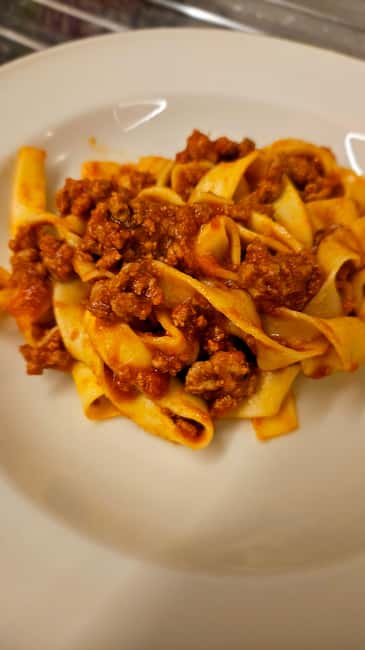
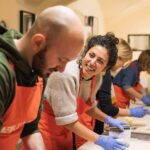
If you want the Bologna version of comfort food, this class is built for that. You’ll make fresh pasta from scratch and shape it into types typical of the city. Then you’ll eat the results right away, paired with sauces that match what you learned.
What makes the timing work is the focus. You’re not spending hours on endless rolling and waiting. You’re learning key steps, forming multiple pasta shapes, and finishing with tastings designed to show off the texture and flavor differences.
You can also read our reviews of more tours and experiences in Bologna.
Meet at Via Sabotino: The One Spot You Must Find First
Logistics matter here, because the class starts at a specific address and the meeting instruction is simple but strict. You need to go to Via Sabotino, 27, and look for the grey gate for cars. If you show up late or aimlessly wander the street, you’ll lose time and stress the whole group.
My practical tip: arrive a few minutes early, and treat the meeting point like a check-in, not a casual meetup. Bologna can be laid-back day-to-day, but this kind of cooking session runs on a real schedule once dough and timing are involved.
What You’ll Make: Tortellini, Tagliatelle, Farfalle, and More Shapes
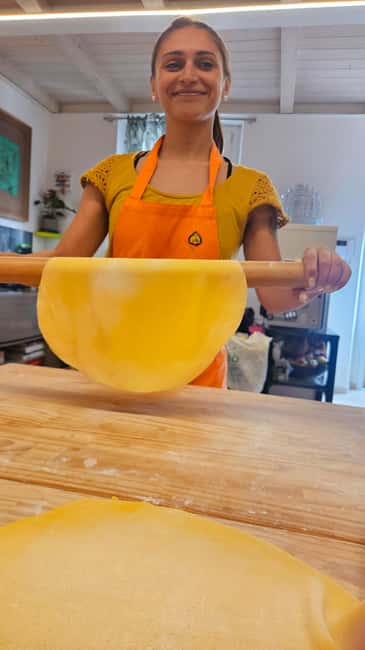
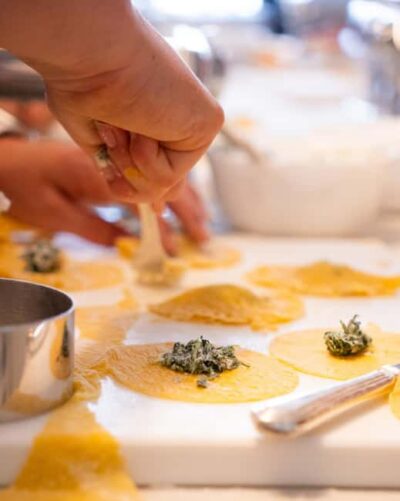
The class is structured around making several pasta types, not just one. You’ll practice rolling out dough with a rolling pin and then create shapes that are part of Bologna’s pasta identity.
Here’s how it typically unfolds:
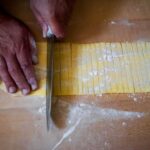
- You learn dough handling and rolling.
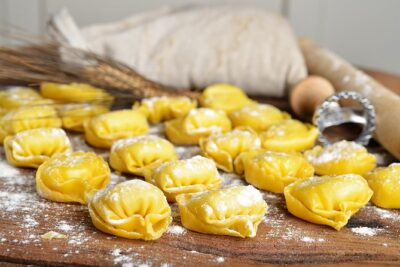
- You shape multiple varieties, including tortellini, tortelloni, tagliatelle, balanzoni, farfalle, and lasagne.
- Then the session moves into tasting moments for specific pasta/sauce combinations.
The smart bit for your brain: the class connects the shape to the sauce and the serving style. Tortellini isn’t just a craft project; it’s built to work in broth. Tagliatelle isn’t just ribbon-like dough; it’s meant for ragù. Farfalle isn’t just butterflies on a plate; it’s paired with tomato and basil so you taste how the sauce clings.
And yes, pasta color customization is part of the included materials. That means you’re not only learning technique; you’re also adding a bit of fun and personality to what ends up on your table.
Rolling Dough With a Rolling Pin: Why This Matters More Than It Sounds
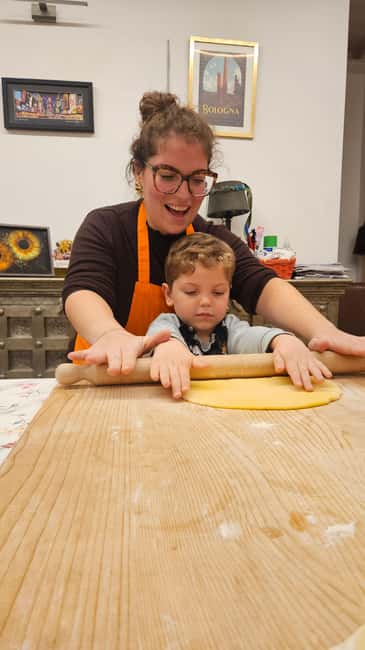
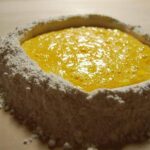
You might think making pasta is about machines. Here, it’s about hands-on control. You’ll roll out the dough with a rolling pin, which forces you to pay attention to thickness and texture.
That matters for two reasons:
- You learn what the dough feels like before it becomes a perfect shape.
- You walk away with a method you can recreate at home without a specialty pasta tool.
If you’re the type who wants to understand the how, not just the final dish, this is a good fit. You’ll also be given the necessary materials and an apron, so you can focus on learning instead of preparing your own kitchen kit.
The Tasting Plan: Broth Tortellini, Ragù Tagliatelle, Tomato-Basil Farfalle
This is where the class earns its keep. You don’t just make shapes and take them home raw. You eat.
The tasting sequence is built around classic pairings:
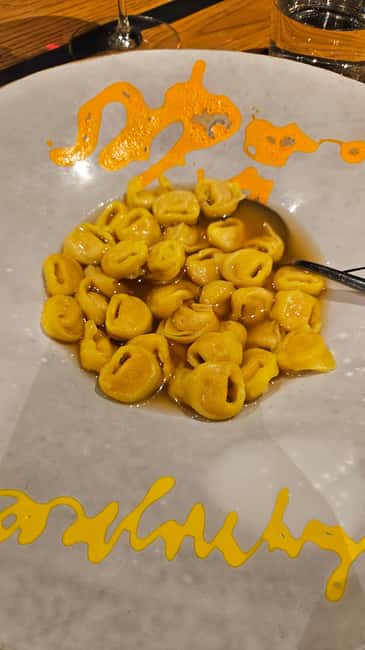
- Tortellini are made and eaten in broth.
- Tagliatelle are made and eaten with ragù.
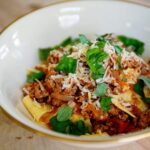
- Farfalle are made and eaten with tomato and basil sauce.
Then, after the hands-on part, you savor the pasta you made, matched with the right sauce for each type. That “match the sauce to the shape” approach is exactly how you understand Italian cooking beyond taste alone. Texture, surface shape, and how the sauce catches all matter.
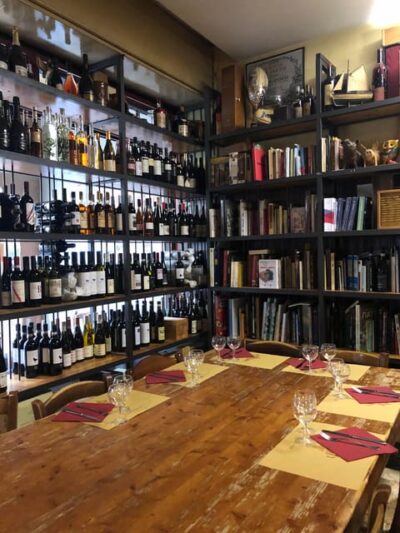
Also, the class includes an appetizer and wine, so you’re not jumping from dough-kneading straight into a plain-food finale. You start with food and drink, cook in the middle, then settle into the tasting with something celebratory in your glass.
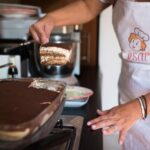
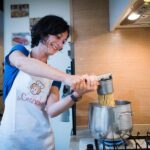
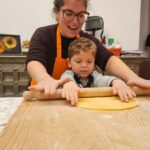
The Tone: Like Cooking With Family, Not Standing in a Demo Line
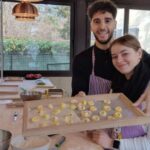
This class has a warm rhythm. It’s taught in multiple languages (French, Italian, and English), and because the group is limited to 10, you’re not swallowed by a crowd. You can ask questions and get corrections when you need them.
The home setting adds another layer. The host’s kittens, Pol and Ruby, are part of the scene while you work. It sounds small, but it changes the mood. Instead of feeling like a formal activity, it feels like being invited into a real Bologna kitchen flow.
I like that the instructor’s approach stays practical. If your pasta isn’t coming together the way it should, you’ll have guidance to get it there. And because you’re eating what you produce, you immediately understand what “right” looks like on the plate.
Included Extras That Add Real Value (Not Just Paper Inclusions)
For $62 per person, you’re not paying only for the lesson. The included items reduce friction and cost on your side:
- Pasta making class
- Necessary material
- Apron
- Rolling pin
- Pasta color customization
- Appetizer
- Wine
That list matters because it covers the stuff people often forget when they book cooking experiences. You’re not hunting for tools. You’re not showing up worried about what to wear or whether you’ll have equipment. You just show up ready to cook in comfortable clothes.
Price and Value: Is $62 Worth It in Bologna?
Let’s talk value, because pasta classes can range from cheap and chaotic to expensive and scripted.
At $62 per person for 1.5 hours, the real value comes from what you get for that time:
- You learn a set of pasta shapes tied to Bologna.
- You make them with proper technique, including rolling with a rolling pin.
- You eat the pasta you make with classic sauces.
- You also get an appetizer and wine, not just a “tiny taste.”
So you’re paying for a full mini meal experience plus instruction. If you’re comparing it to dinner out, you’re paying roughly for more than one plate’s worth of food and adding skill you can use later.
Would it be a deal if you left hungry and empty-handed? No. But the format here is “cook, then eat your results,” which is what makes the price feel fair.
Who Should Book This Pasta Class (And Who Might Skip It)
This class is a strong match if you:
- Want a Bologna-focused food activity that’s hands-on
- Like learning practical cooking technique you can repeat at home
- Prefer a small group setting over a big-table class
It might be less ideal if:
- You’re traveling with someone who hates getting hands-on with dough (you’ll be kneading and shaping)
- You need a strict sightseeing-and-transport schedule with lots of buffer time, because it’s a compact 1.5-hour block centered on cooking
Age note: it’s not suitable for children under 6. If you’re traveling with small kids, you’ll want to verify whether the pace and food portions work for them.
Practical Tips Before You Go
A few details will make your class smoother:
Wear: comfortable clothes. You’ll be working with dough, and you’ll want freedom of movement.
Smoking: no smoking indoors.
Where you meet: Via Sabotino, 27, in front of the grey gate for cars.
Language: the instructor can guide you in French, Italian, and English, which helps if your Italian is still in “ordering espresso” mode.
Wheelchair access: the class is listed as wheelchair accessible, which is good to know if you need a step-free setup.
Should You Book This Bologna Express Pasta Class?
Book it if you want a real, Bologna-specific pasta experience in a short window. You’ll learn multiple pasta shapes, use a rolling pin (not a machine crutch), and eat the fruits of your labor with classic sauces plus wine and an appetizer. The small-group size makes it feel personal without being fussy.
Don’t book it only if you’re looking for a passive food tour. This is work, in a fun way. If that sounds like your kind of vacation day, this is one of the more satisfying ways to spend 1.5 hours in Bologna.
FAQ
How long is the Bologna pasta-making class?
The class lasts 1.5 hours.
What pasta types will I learn to make?
You’ll make and shape several types typical of Bologna, including tortellini, tortelloni, tagliatelle, balanzoni, farfalle, and lasagne.
Will I be able to eat the pasta during the experience?
Yes. You can eat the pasta you make. The class includes tastings such as tortellini in broth, tagliatelle with ragù, and farfalle with tomato and basil.
What’s included in the $62 per person price?
The price includes the pasta making class, necessary material, an apron, a rolling pin, pasta color customization, an appetizer, and wine.
Do we use a pasta machine?
No. Pasta is made using a rolling pin.
Where do I meet in Bologna?
You should go to Via Sabotino, 27, and meet in front of the grey gate for cars.
What languages does the instructor speak?
The instructor can teach in French, Italian, and English.
Is the class wheelchair accessible?
Yes, the experience is listed as wheelchair accessible.
Is this class suitable for children?
It is not suitable for children under 6.
Is free cancellation available?
Yes. You can cancel up to 24 hours in advance for a full refund.