REVIEW · VERONA
Verona: Pasta Cooking Class with Wine Tasting
Book on GetYourGuide →Operated by Corte San Mattia · Bookable on GetYourGuide
Wine and pasta, with farm views.
This 3.5-hour small-group class at Corte San Mattia turns a normal Verona visit into something hands-on and very local, with three glasses of organic wine worked into the flow. You start outside, walk the countryside, then head into the kitchen to learn fresh pasta techniques and finish by eating what you made.
I especially like two parts: you’re cooking with ingredients that come largely from the farm itself (organic wine, EVO olive oil, goat cheese, honey, eggs, and fruits/vegetables). And the coaching is aimed at results—step-by-step guidance for two classic dishes: fresh fettuccine and ravioli.
One thing to consider: it’s not suitable for everyone. The class isn’t recommended for people with gluten intolerance or pregnant women, and wine tastings are only for legal-age participants.
In This Review
- Key things that make this class worth your time
- Corte San Mattia outside Verona: where the day starts
- The countryside walk: farm philosophy before the flour
- Fresh fettuccine and ravioli: what you learn in the kitchen
- Three glasses of wine: how the tastings fit the cooking
- Lunch is part of the lesson, not an afterthought
- Price and value: what $106 covers (and why it feels fair)
- Getting the most out of a small-group pasta class
- Who should book this (and who should skip it)
- Should you book the Verona pasta and wine class?
- FAQ
- Where is the meeting point for the class?
- How long is the experience?
- What dishes will I learn to make?
- Is wine included?
- What kinds of wine do you drink?
- Is this a large-group tour?
- Is there a guided walk?
- Do I need to bring equipment or ingredients?
- Is it suitable for gluten intolerance or pregnancy?
- Is transportation included from Verona?
Key things that make this class worth your time
- On-site organic farm ingredients: many of what you taste come from just steps away
- A guided countryside walk first: you get the farm story before you start kneading
- You make two pasta types: fettuccine dough and ravioli from scratch
- Three specific wine pairings: crisp sparkling, Valpolicella, then Valpolicella Superiore
- Small group format (max 10): more attention while you’re actually working the dough
Corte San Mattia outside Verona: where the day starts
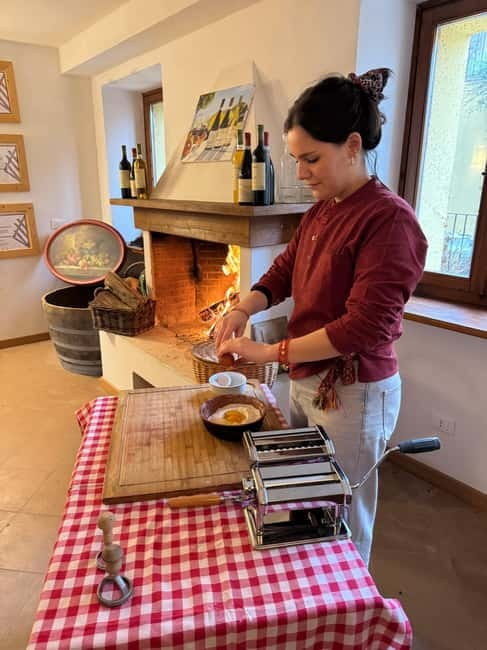
Corte San Mattia is an agriturismo tied to the surrounding countryside, not a warehouse studio. That matters because it changes the feel of the whole afternoon. Instead of arriving, sitting, and watching someone else cook, you’re moving through the same environment where the food and wine are made.
Before you even touch dough, you’ll get a guided start at the property’s reception area on Via Santa Giuliana 2A, Verona. From there, the experience flows outward-to-inward: walk in the countryside, then kitchen, then lunch. It’s a simple structure, but it keeps the day from feeling rushed or artificial.
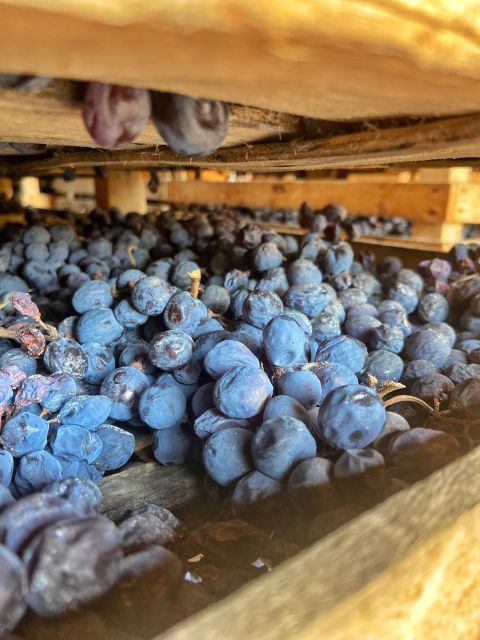
The biggest practical win here is the connection between what you learn and what you eat. The farm produces organic wine plus EVO olive oil, goat cheese, honey, eggs, and fruits/vegetables—and during class, many ingredients come from the farm right by the kitchen. That’s the kind of detail that helps you understand what “local” really means.
You can also read our reviews of more tours and experiences in Verona.
The countryside walk: farm philosophy before the flour
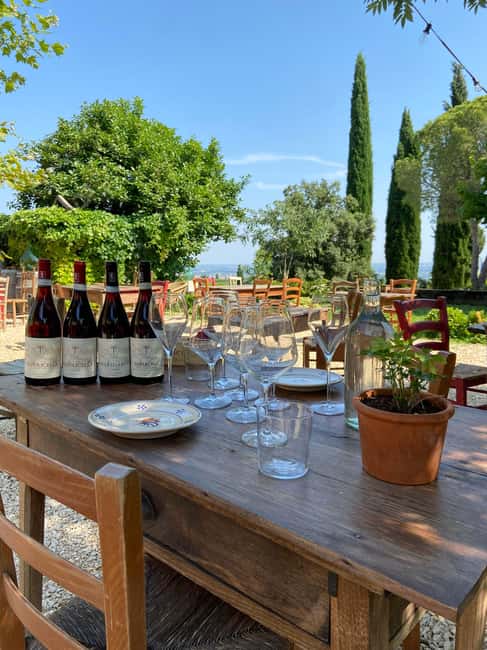
Right after meeting, you’ll head out for a guided walk through the countryside surrounding the agriturismo. This is listed as part of the experience that also includes the wine tasting time, and you’ll be there long enough to feel like you’ve left the city rhythm behind.
What you’ll likely get from the guide during this stretch is more than scenic commentary. The farm’s story and philosophy are part of the walk, including how they think about their products and why organic matters to them. Even if you don’t consider yourself a “farm person,” this step helps you put your later wine and lunch into context.
Also, the walk is a nice pacing tool. Pasta-making can be hands-on and physically a bit involved. Starting with a gentle outdoor walk helps you transition into the kitchen with less of that sudden okay, now do everything at once feeling.
If you’re thinking about weather: you’ll be outdoors at the start, so dress for cool mornings or warm afternoons. The good news is that this is more like a country stroll than a hike.
Fresh fettuccine and ravioli: what you learn in the kitchen
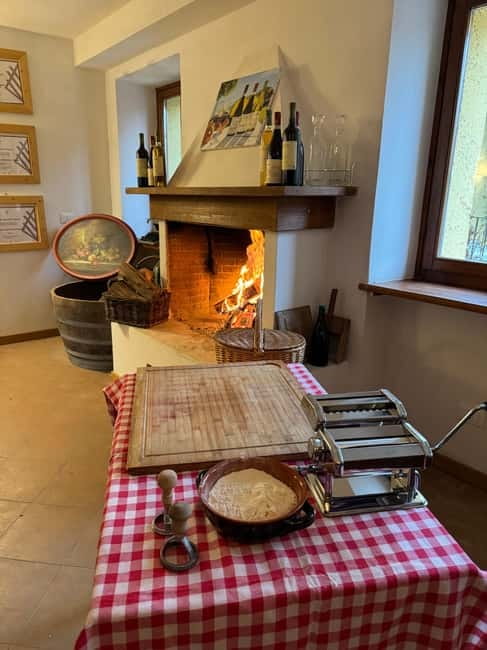
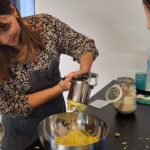
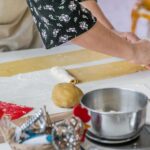
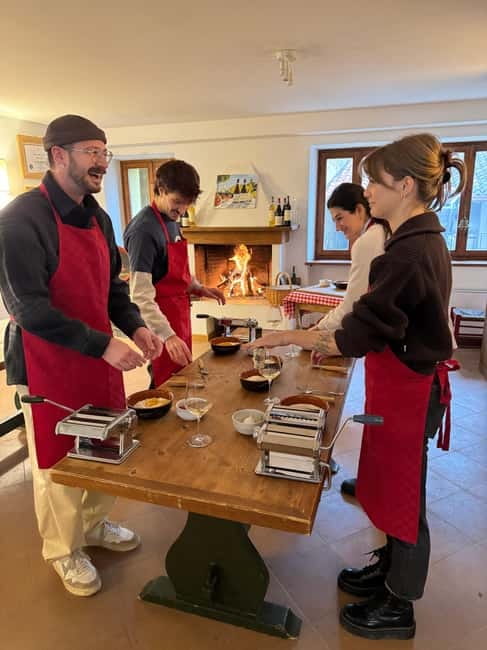
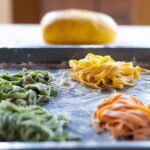
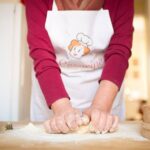
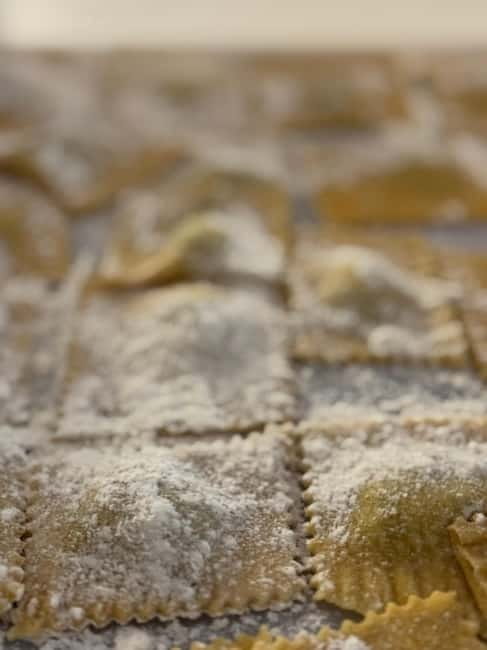
Once you’re back inside, the main event begins: you’ll make fresh pasta and ravioli from scratch. The class is designed for a small group, with personalized instruction from an expert guide, and that’s crucial when you’re learning dough for the first time.
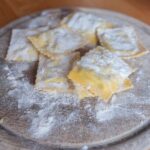
You’ll be shown techniques step-by-step, and you’ll work along with the group. The two dishes are a great pairing for learning:
- Fresh fettuccine teaches the basics of pasta dough and shaping.
- Ravioli builds on that and adds stuffing and assembly, so you get a more “complete” pasta skill set.
Even if you’re no chef, this format is friendly because the goal isn’t fancy presentation. It’s learning the process: how the dough should feel, how to handle it, and how to get to a finished result you can eat.
Equipment and ingredients are provided, so you’re not bringing gear or tracking down specialty flour. For most people, that’s a bigger value than it sounds. Homemade pasta is doable at home later, but the logistics in Italy (tools, ingredients, space) can be a headache. Here, you get the know-how and the setup.
Three glasses of wine: how the tastings fit the cooking
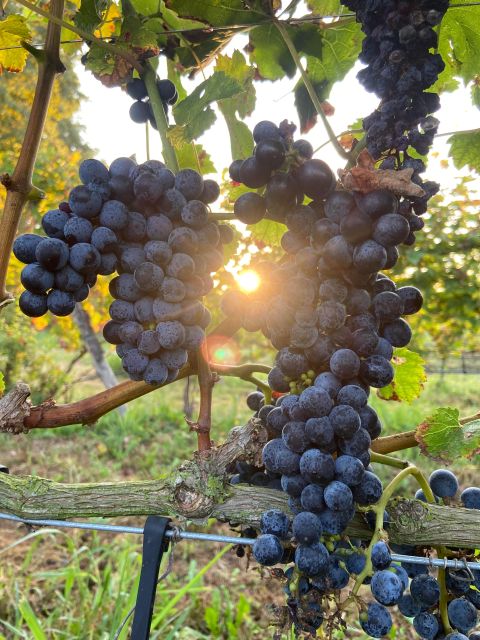
The wine portion isn’t random “here’s a glass” downtime. It’s built into the rhythm of the class, with three tastings served throughout.
Here’s the sequence:
- A crisp sparkling wine as you start your cooking journey
- A Valpolicella as you prepare the ravioli
- Valpolicella Superiore to pair your meal
That ordering actually makes sense. Sparkling at the start helps set a light tone before you get busy with dough. Valpolicella during ravioli lines up with the more savory stage of cooking—this is when you’re doing work that feels denser and more focused. Then Valpolicella Superiore at the meal is your transition from cooking effort to eating pleasure.
One practical note: wine tastings are reserved for legal-age participants. If you’re traveling with teens or under-18 kids, plan for the fact that the wine won’t be served to them.
Lunch is part of the lesson, not an afterthought
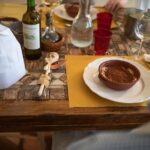
When your pasta and ravioli are ready, you’ll sit down for lunch featuring what you made. The meal is described as delicious and paired with the wines you enjoyed during the class.
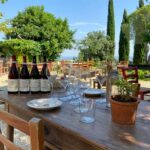
This part is where the day becomes memorable. Cooking classes can fall into the trap of “you make stuff, then you leave.” Here, you get to eat in the same setting where you worked, with the countryside nearby and the farm’s products forming the base of the meal.
One recent highlight from people who did the experience: the combination of the meal, the views, and the relaxed atmosphere with the host and fellow guests. That aligns with what agriturismo afternoons are best at—quiet time that feels like you’re part of a real operation, not just consuming a booked activity.
You should also like the small-group setup here. With a limited number of participants, lunch tends to feel less like cafeteria time and more like a shared table experience.
Price and value: what $106 covers (and why it feels fair)
At $106 per person for a 3.5-hour experience, you’re paying for more than cooking instruction. You’re paying for a package:
- a hands-on class with expert guidance
- ingredients and equipment provided
- a guided walk through the countryside
- three glasses of local wine
- lunch featuring the pasta and ravioli you made
- a small group experience capped at 10 participants
If you try to recreate this independently, you’ll quickly run into cost stacking. You’d need transportation to an agriturismo setting, you’d need a chef/teacher, and you’d still need ingredients and wine pairing. Here, it’s bundled—and the bundling is part of the value.
Two costs to factor for yourself: transportation to and from the agriturismo is not included, and additional food or drinks aren’t covered beyond the provided wine and meal. So if you’re budgeting, plan for getting there on your own (taxi, car, or local transport depending on your style).
Still, the core of the price feels sensible because the class does real work: not just watching, but kneading and assembling, then eating.
Getting the most out of a small-group pasta class
This isn’t a huge group tour where you’re shouting over the noise. It’s limited to 10 participants, with instruction in English. That makes the experience easier for people who want personal help without feeling singled out.
To get the most out of it:
- Come ready to touch and try. Pasta dough learning is tactile.
- Ask questions as you go. The guide’s step-by-step teaching is your chance to correct mistakes while you’re still in the process.
- Expect the day to move at an Italian pace. Three-and-a-half hours sounds short, but it includes walk time, wine, cooking, and lunch.
If you have food allergies or special needs, report them in advance. The experience notes that you should tell the organizers ahead of time, and that’s especially important when ingredients like eggs and dairy are part of traditional pasta and ravioli fillings.
Who should book this (and who should skip it)
This class is a great fit if:
- you want a hands-on way to learn fresh pasta in Verona
- you like wine pairings that connect to what you’re eating
- you enjoy agriturismo settings and want the farm connection, not just a tasting room stop
- you prefer a small group format with real instruction
It’s not the right fit if:
- you have gluten intolerance (the class is not suitable)
- you’re pregnant (not suitable)
- you’re expecting a fully vegetarian or special-allergen-free menu without pre-arrangement (you’ll need to disclose needs first)
Also, if your schedule is very tight, remember that it’s a half-afternoon experience. You’re committed to the full flow: walk, cooking, and lunch.
Should you book the Verona pasta and wine class?
I think this is worth booking if you want an authentic, farm-linked day where cooking isn’t performative. The strongest reasons to say yes are simple: you cook two classic dishes from scratch and you get three purposeful wine pairings in a setting where many ingredients come from the farm itself.
If you hate being outdoors at the start, you might want to consider timing and weather. And if you’re gluten-intolerant or pregnant, you should skip this one and look for a different format that fits your needs.
If your plan includes some time in Verona but you also want one “real Italy” experience that’s more active than sightseeing, this is the kind of class that makes the rest of the trip taste better.
FAQ
Where is the meeting point for the class?
You meet at the reception of Corte San Mattia – Agriturismo Verona, Via Santa Giuliana 2A 37128 Verona – Vr.
How long is the experience?
The duration is 3.5 hours.
What dishes will I learn to make?
You’ll learn to make fresh fettuccine and ravioli from scratch.
Is wine included?
Yes. Three glasses of local wine are included during the experience.
What kinds of wine do you drink?
You start with a crisp sparkling wine, then drink Valpolicella while preparing the ravioli, and finally Valpolicella Superiore to pair with the meal.
Is this a large-group tour?
No. It’s a small group limited to 10 participants.
Is there a guided walk?
Yes. You’ll do a guided walk through the Verona countryside as part of the experience.
Do I need to bring equipment or ingredients?
No. All ingredients and equipment are provided.
Is it suitable for gluten intolerance or pregnancy?
No. It’s not suitable for people with gluten intolerance or for pregnant women.
Is transportation included from Verona?
No. Transportation to and from the agriturismo is not included.