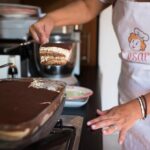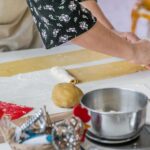
Fresh pasta in a real Verona apartment? That’s the hook. You’ll learn to make handmade pasta from scratch with chef Denis, then sit down in the same cozy home to eat what you made with wine. It’s intimate, warm, and built around actual cooking—not a rushed demo.
What I like most is the step-by-step feel of learning dough, rolling it properly, and shaping it like a home cook. I also love that the class ends with a 3-course meal and local wine, so you get results you can taste right away. One possible drawback: the teaching style can be more like cooking with your host than constant hands-on coaching for every step, and some components may be prepared ahead.
In This Review
- Key Things to Know Before You Go
- A Cozy Verona Home Kitchen: Timing, Meeting Point, and the 3-Hour Pace
- From Flour to Dough: Rolling and Shaping Fresh Pasta Like You Mean It
- Ragù Sauce 101: Pairing Your Pasta with a Real Verona-Style Meat Sauce
- The 3-Course Meal and Wine: Why the Table Is the Real Finish Line
- English Instruction in a Small Room: How to Set Yourself Up for Success
- Value for $81.62: What You’re Really Paying For
- Who Should Book This Handmade Pasta Class (and Who Should Think Twice)
- Should You Book This Handmade Pasta Class in Verona?
- FAQ
- How long is the handmade fresh pasta class?
- Where does the experience start?
- What time does it start?
- Is this class offered in English?
- How big is the group?
- What will I cook and eat?
- Can I choose lunch or dinner?
- Is there a minimum age?
- Can I cancel for a full refund?
Key Things to Know Before You Go
- Small group size (max 8 people) keeps the room relaxed and gives you room to ask questions.
- You’ll make fresh pasta dough and shape it into classic forms, guided throughout.
- You’ll pair your pasta with ragù sauce, using fresh ingredients the whole way through.
- The day ends with a shared 3-course meal and a glass of local wine.
- You can choose lunch or dinner timing, so it fits more itineraries than a single fixed slot.
A Cozy Verona Home Kitchen: Timing, Meeting Point, and the 3-Hour Pace
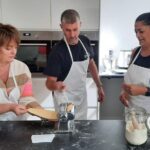
This experience is set up like you’re getting invited into a central Verona home—not like you’re clocking in for a factory-style class. The meeting point is Casa San Zeno, Via Barbarani Berto 17, Verona, and it runs about 3 hours. The start time shown is 11:00 am, and the activity ends back at the same meeting point, so you don’t need to plan a second commute.
Inside, you’re dealing with real kitchen timing. Some parts move quickly (rolling and shaping), while other parts slow down (sauce work and getting everyone seated). That mix is part of why this feels fun, even if you’re not a confident cook. If you’re the type who likes to see what comes next, you’ll appreciate the rhythm: hands-on work, then the payoff at the table.
One practical note: since the class is in a private home, you’ll want to arrive a few minutes early. Not for drama—just so you can settle in, wash up if needed, and get started without being the person who disrupts the workflow.
You can also read our reviews of more tours and experiences in Verona.
From Flour to Dough: Rolling and Shaping Fresh Pasta Like You Mean It
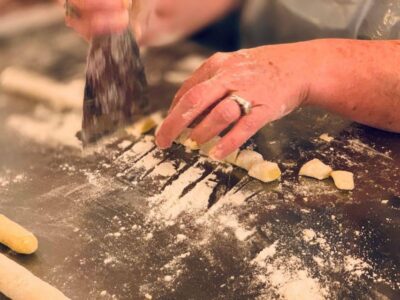
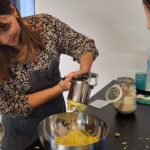
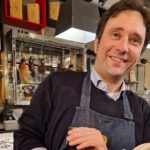
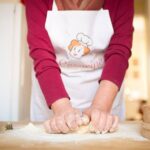
The heart of the class is learning how to turn simple ingredients into pasta you can actually feel. Chef Denis guides you through blending the right components for fresh dough and then rolling it out until it has that right texture. The promise here is not fancy shortcuts. You’re taught traditional techniques in a way that a home cook can copy later.
In practice, you should expect a hands-on sequence:
- You’ll learn the basics of mixing and working the dough.
- You’ll roll the dough out and handle it carefully so it behaves well.
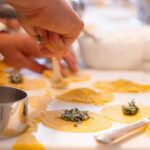
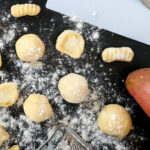
- Then you’ll shape it into different pasta forms.
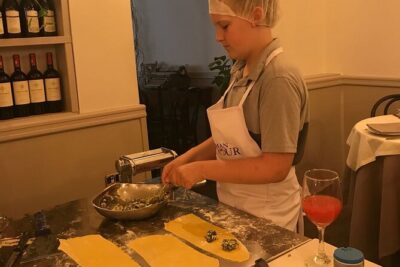
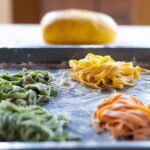
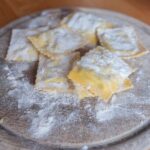
Based on past sessions, people often end up making tagliatelle and may also shape ravioli. The exact menu can vary, but the big takeaway is consistent: you’ll walk away knowing how dough transforms into pasta, not just how to boil it.
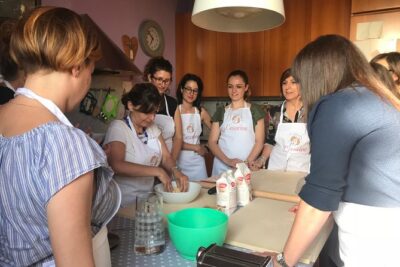
If you’ve never made pasta before, this is a good first step because the room stays intimate. With a cap of 8 travelers, the instructor can usually check what your dough is doing and help you adjust rather than rushing everyone through the same mistake. If you’re already comfortable in the kitchen, you’ll still enjoy the traditional method, especially the parts about dough feel and how thickness affects the final bite.
Ragù Sauce 101: Pairing Your Pasta with a Real Verona-Style Meat Sauce
Fresh pasta is only half the story. The other half is the ragù sauce, which you’ll make to pair with your homemade pasta. Chef Denis uses top-quality, fresh ingredients, and the point isn’t just taste—it’s teaching you how ragù behaves while it cooks.
You’ll learn how to prepare your sauce and how to make it work with the pasta you’re shaping. This is where the class becomes more than a craft project. Ragù is about timing, simmering, and building a sauce that clings instead of sliding off your noodles.
Two practical considerations for you:
- Ragù is typically meat-based. If you’re vegetarian, don’t assume it’s automatically adjustable. In at least one prior session, a vegetarian request didn’t result in a meat-free sauce, so you should be very explicit when booking.
- Some sessions can be lighter on coaching than you might expect. If part of the process is prepped earlier (like elements of an appetizer or parts of a dish), you may still learn plenty—but your focus might be more on assembly and cooking with the host than on learning every single tiny step from scratch.
If you’re going for a hands-on ragù education, ask early what’s included for dietary needs and what parts are cooked together during the class.
The 3-Course Meal and Wine: Why the Table Is the Real Finish Line
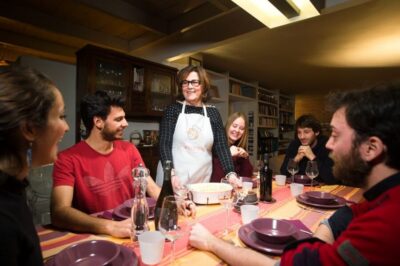
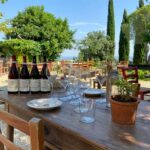
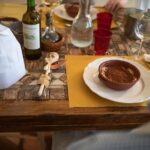
The payoff here is not hidden in a restaurant dining room. You finish at the table with what you made: a 3-course extravaganza paired with a glass of local wine. This is where the class earns its keep—your labor turns into dinner you can actually eat without standing around waiting for it to arrive.
The structure works well because the meal reinforces everything you just learned:
- You taste the pasta while it’s still at its best.
- You see how the sauce pairs with the shape you rolled.
- You get a chance to relax right after the cooking effort.
In past sessions, people also mentioned little extras around the table—like a starter such as bruschetta in some cases. That said, don’t expect every course to be identical. The consistent part is the meal with wine and the sense of sharing.
Atmosphere matters here. Several people describe the home setting as relaxed and welcoming, with laughter and an easy pace. That’s not a small detail. In a city full of fast-food meals and quick-sightseeing days, having a slower, social dinner is a true contrast—and it’s part of why this kind of cooking class feels more memorable than a single plated dish in a museum-adjacent restaurant.
English Instruction in a Small Room: How to Set Yourself Up for Success
The experience is offered in English, and the description emphasizes step-by-step guidance. In a perfect world, that means you’ll get clear explanations and cooking tips you can use at home.
That said, you should treat language expectations with a little realism. In earlier sessions, there were comments about instructors not always speaking much English, even though English was indicated. The practical solution is simple:
- Go in with a friendly attitude.
- Ask your top questions early, especially about dough texture and sauce pairing.
- If you have dietary needs, say them clearly upfront.
The good news is the group stays small. With a maximum of 8 people, communication is usually helped by the fact that you’re watching hands move, tasting, and adjusting with the instructor’s cues.
Also, the class is designed for adults and children aged 8 and above. If you’re traveling with family, this is one of the better ways to keep kids engaged without them losing the entire evening to sitting around.
Value for $81.62: What You’re Really Paying For
Let’s talk value in plain terms. At $81.62 per person, you’re not just buying a meal. You’re paying for:
- a hands-on pasta-making class in a private home kitchen,
- guidance from chef Denis,
- ingredients used to make fresh dough and ragù,
- a 3-course meal with wine, served after the cooking.
If you’ve ever taken a cooking class where you watch mostly from the sidelines, you’ll feel the difference here. The small group size means the “teaching” is less about performance and more about doing. Even if you don’t control every step from start to finish, you’ll still leave with a working mental map: how the dough feels, how the sauce is built, and what to do when things don’t look right.
And the meal isn’t an afterthought. You’re not standing in line for a table. You sit down with what you made. That’s where the price starts to feel reasonable—because dinner is included, and you get a genuine home setting rather than just another plated stop.
Who Should Book This Handmade Pasta Class (and Who Should Think Twice)
This is a strong fit if you want an authentic Verona experience without needing a ticket for a specific monument. You’ll probably enjoy it most if you:
- love food and want a practical skill, not just a photo at the end,
- enjoy small-group interactions,
- want an activity that works for adults and kids age 8+,
- like the idea of learning and then immediately eating your own food.
You might think twice if:
- you’re very strict about dietary accommodations and need guaranteed vegetarian or other substitutions (because ragù is central and past vegetarian needs weren’t always met),
- you expect a class that is 100% hand-holding for every stage with nonstop lecturing in English,
- you dislike home-kitchen settings or you prefer large, formal dining rooms.
If you fit the first list, this class can be one of your best Verona evenings—not because it’s flashy, but because it’s personal and hands-on.
Should You Book This Handmade Pasta Class in Verona?
Yes—if your goal is to learn fresh pasta in a real home setting and then enjoy a proper meal you helped make. The small group cap, the focus on ragù + pasta, and the fact that you finish with a wine-paired 3-course dinner make it feel like a complete experience rather than a quick activity.
Before you book, do two things: confirm your language expectations (English is offered, but clarify anything important) and be very clear about dietary needs if you’re vegetarian. If you do that, you’ll be set up for a fun, warm night of cooking and eating like locals do—slowly, together, and with flour on your hands.
FAQ
How long is the handmade fresh pasta class?
It lasts about 3 hours.
Where does the experience start?
It starts at Casa San Zeno, Via Barbarani Berto 17, 37123 Verona VR, Italy.
What time does it start?
The start time shown is 11:00 am.
Is this class offered in English?
Yes, it’s offered in English.
How big is the group?
The maximum group size is 8 travelers.
What will I cook and eat?
You’ll learn to make fresh pasta with ragù sauce, and you’ll share a 3-course meal paired with local wine.
Can I choose lunch or dinner?
Yes, you can choose between lunch or dinner options.
Is there a minimum age?
Yes. It’s for adults and children aged 8 and above.
Can I cancel for a full refund?
Yes. You can cancel for a full refund if you cancel at least 24 hours before the experience start time.