REVIEW · SIENA
Siena: Pasta and Tiramisu Small Group Cooking Class with Wine
Book on Viator →Operated by The Roman Food Tour - Food Tour Rome · Bookable on Viator
Cooking pasta in Siena feels like a cheat code for fun. You’ll skip the sightseeing grind and jump into a real small-group kitchen session where you make pasta from scratch, finish with tiramisu, and eat what you cook with wine.
I especially like the hands-on focus on pasta dough basics—including what to look for when making fresh pasta and how it differs from dried pasta (pasta fresca vs pasta secca). I also love that the class doesn’t end at the cutting board: you sit down afterward for a proper meal with wine, and you can get the recipes later (often by QR code). One consideration: this is the traditional approach, so it’s not a fit if you need to avoid eggs, dairy, gluten, or if you’re very sensitive to cross-contact.
In This Review
- Key Highlights You Should Know Before You Go
- Prosecco at the Door: What the Siena Start Feels Like
- Behind-the-Scenes Pasta Lessons That Actually Matter
- A quick reality check on what you will and won’t master
- Tiramisu: Assembly Skill With Real Flavor Payoff
- Lunch or Dinner With Wine: Eating the Results in Real Time
- Wine, Humor, and Host Style: What Can Vary Session to Session
- Value for $89.30: Why This Is Not Just a Fun Activity
- Who This Works Best For (and Who Should Skip It)
- Practical Tips: Meeting Point, Timing, and Getting the Most Out of 3 Hours
- Book It or Pass? My Straightforward Take
- FAQ
- How long is the Siena pasta and tiramisu cooking class?
- What’s included in the experience?
- Is this class small group?
- Where do we meet for the class?
- Is the class taught in English?
- Are there dietary restrictions?
- Does it include alcohol?
- Can I cancel for a full refund?
- How far in advance is this usually booked?
Key Highlights You Should Know Before You Go
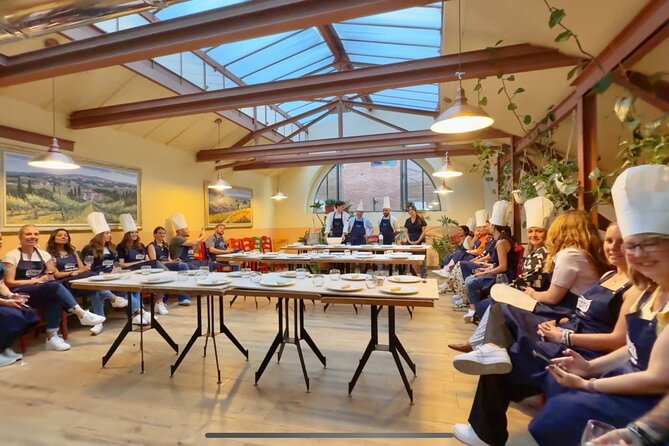
- Central Siena meeting spot at Trattoria Fonte Giusta on Via Camollia 102, right in the historic core
- Prosecco welcome when you arrive, then wine paired with your meal later
- Step-by-step pasta dough guidance with practical flour tips and clear pointers
- Classic tiramisu finish after you’ve worked your way through the pasta station
- Small group energy (max 25), so you’re not shouting over a crowd
Prosecco at the Door: What the Siena Start Feels Like
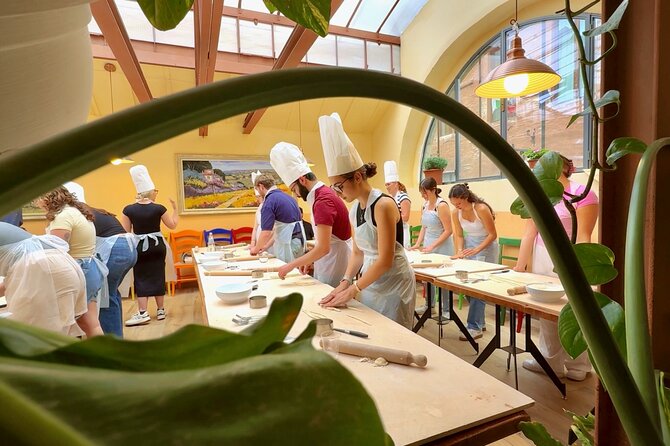
This class starts the way you want a food experience to start: you show up, you get welcomed, and the kitchen rhythm takes over. The meeting point is Trattoria Fonte Giusta, Via Camollia 102, in central Siena. You’ll step inside, then receive a welcome glass of Prosecco before anything serious happens.
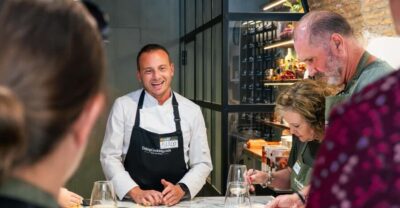
What makes this useful is that it gets you into the local restaurant mindset right away. You’re not just learning recipes in a classroom. You get to see how an Italian spot runs day to day, then you jump in at your workstation with an apron on and tools already ready.
If you’re worried about logistics, plan for the reality of Siena streets. One practical tip I’d follow: give yourself extra time to find parking in the center, since that’s often the hardest part of the whole outing.
You can also read our reviews of more tours and experiences in Siena.
Behind-the-Scenes Pasta Lessons That Actually Matter
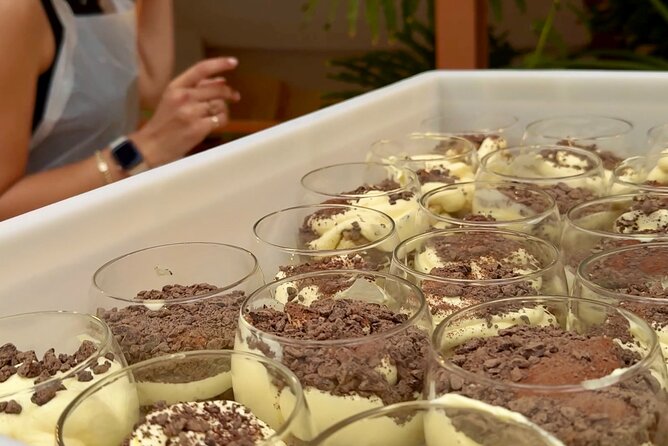
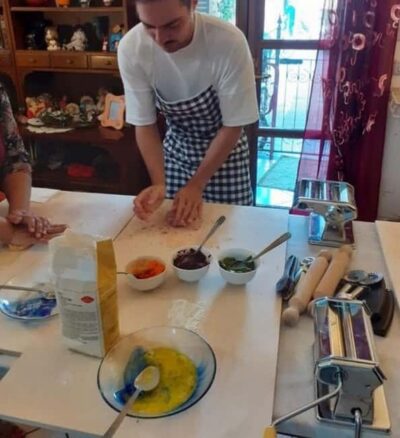
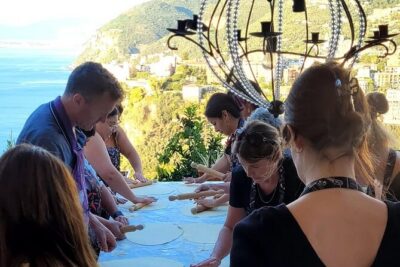
The heart of the experience is the pasta instruction, and the teaching style is aimed at results, not food theater. You’ll get step-by-step guidance for making the dough—what flour to use, how to work the dough, and what you’re aiming for visually and by feel. You’ll also learn the difference between pasta fresca and pasta secca, which helps you understand why fresh pasta cooks differently than dried shapes.
This is the part that many people come away talking about because it’s actionable. Once you understand the dough process, you stop treating pasta like a mystery. You start treating it like a kitchen skill you can repeat at home.
Also, the class typically covers multiple pasta preparations. Depending on the session, you might work with dishes such as fettuccine with tomato sauce, ravioli with ricotta and spinach, and finishing flavors like butter and sage. Other sessions also mention Tuscan shapes like pici and gnocchi—so expect variety in what you make, even if the core technique stays the same.
A quick reality check on what you will and won’t master
This is hands-on pasta work, but it’s not a full training course in every sauce detail. Some people feel you learn the pasta dough and assembly strongly, while sauce cooking tips may be lighter than expected. In plain terms: you’ll leave with clear pasta technique and a solid sense of how to build flavor, but don’t assume you’ll master every sauce component from scratch.
Tiramisu: Assembly Skill With Real Flavor Payoff
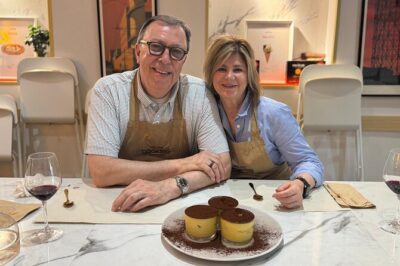
Then comes dessert, the part that turns instruction into celebration. You’ll learn how to make tiramisu after you’ve worked through your pasta. The focus is on getting the steps right and ending with the texture and flavor that make tiramisu such a classic.
Some sessions and hosts emphasize the “make it properly” approach more than others, so expect the dessert to be more about getting the process steps down than doing a long, lecture-style deep run on every ingredient. Either way, you end up with a finished dessert you can be proud of—then comes the best part, eating what you made.
If you love dessert planning, this is also a great gateway experience. It demystifies the workflow and shows how the components come together.
Lunch or Dinner With Wine: Eating the Results in Real Time
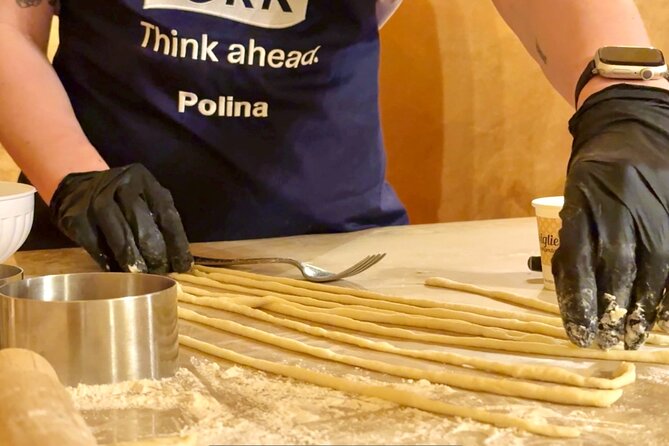
The class wraps with a sit-down meal in the restaurant space nearby. After your cooking, you all eat the creations you made, typically for lunch or dinner while sipping wine that pairs with the meal.
This is where the value jumps out. You’re not just paying for the class; you’re paying for a full food experience tied to the work you did. And because the meal is served after cooking, you get immediate feedback—does the dough texture work, does the finished dish taste balanced, does the tiramisu hit the right notes?
The setting also helps. The experience happens in a locally loved restaurant environment, so you’re eating like you belong in Siena, not like you’re inside a tourist workshop. One reason the whole evening feels smoother is that you’re not stuck carrying food around. You sit, you eat, and you can actually enjoy your day after the cooking effort.
Wine, Humor, and Host Style: What Can Vary Session to Session
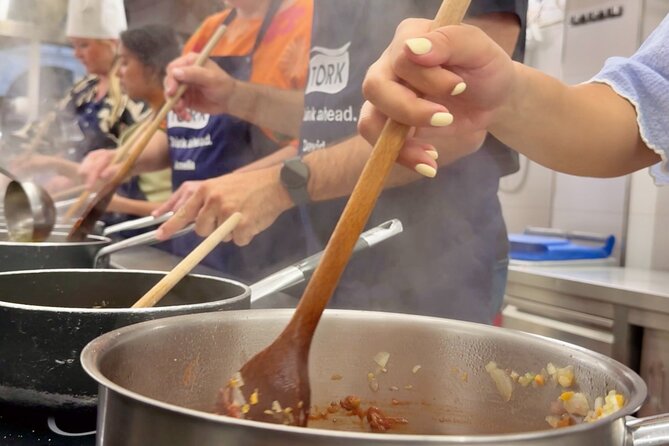
Most hosts bring energy, patience, and a friendly teaching tone. People highlight instructors who are attentive and able to guide in a way that feels personal—especially in smaller groups.
That said, there is one caution worth taking seriously. A small number of accounts mention that one host used inappropriate language and lewd jokes. If you’re traveling with kids, or you’re sensitive to crude humor, it’s smart to set your comfort level early. A simple, polite preference can go a long way in any mixed group setting.
On the flip side, many accounts also celebrate the host’s humor and easygoing vibe. In other words: the teaching style can make the experience fun, but if you want a strictly family-friendly tone, treat that as a factor.
Value for $89.30: Why This Is Not Just a Fun Activity
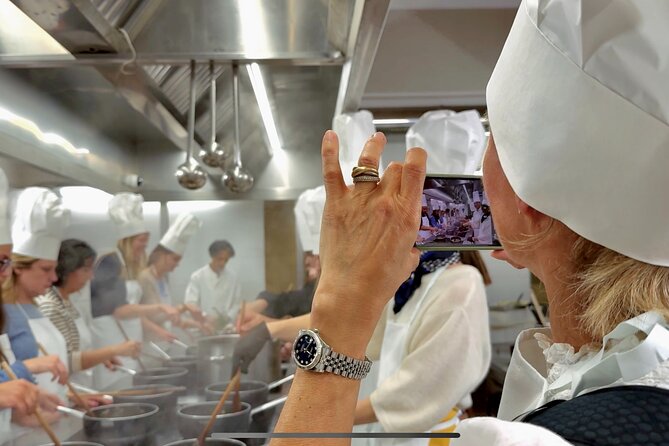
At $89.30 per person, you’re paying for more than a quick cooking demo. You’re paying for:
- real instruction on dough and pasta making
- a dessert lesson with tiramisu
- wine plus a full meal tied to what you made
- a small-group format capped at 25
The most convincing value piece is the combination: technique plus food plus time together. A lot of food tours are mostly tasting. This one adds skill building, and the meal proves you actually used what you learned.
Also, people like that the class provides recipes you can revisit later, often through a QR code. That turns the experience into something practical after you leave Siena. It’s one thing to enjoy a dish on the day. It’s another to recreate it later without guessing.
Who This Works Best For (and Who Should Skip It)
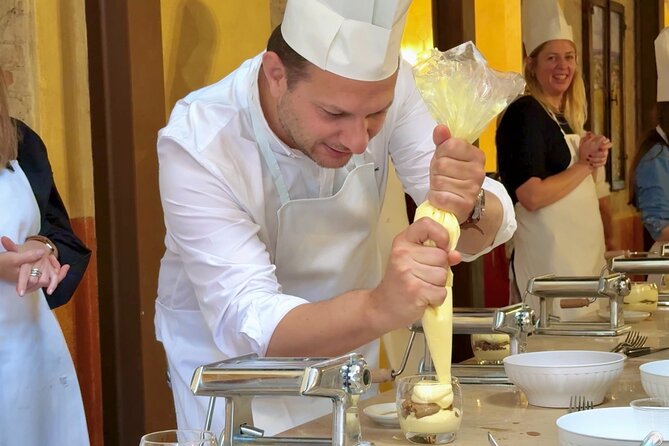
This class is best for people who want a hands-on Siena food experience and don’t mind a traditional menu approach.
You’ll likely love it if you:
- want to learn pasta dough basics, not just eat pasta
- enjoy small-group conversation and cooking together
- want a memorable lunch or dinner that feels local
You should skip or rethink it if you have dietary limits. This is not recommended for:
- egg allergy
- vegans
- lactose intolerance
- gluten intolerance or gluten allergy
The operator says substitutions are offered for allergies or food preferences, but instructions still focus on the traditional recipe that contains gluten, dairy, and eggs. They also note they cannot guarantee 100% freedom from cross contamination. If your needs are strict, contact them before you book and be clear about how strict “strict” is for you.
Practical Tips: Meeting Point, Timing, and Getting the Most Out of 3 Hours
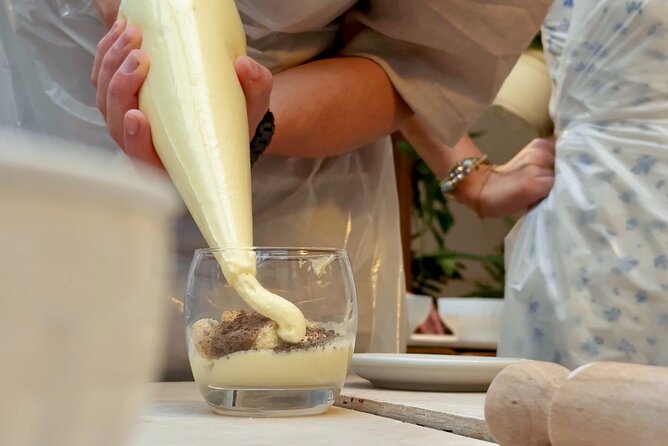
The class runs about 3 hours. In the time window, the flow is usually: arrive and sip Prosecco, get oriented to the restaurant setting, cook and learn at your station, then sit down for the meal.
Because it’s a small group capped at 25, you can often expect more attention than you’d get in a huge workshop. Some sessions even end up very small, which makes questions easier and the pace feel comfortable.
Language is English. You’ll still pick up a lot visually, and the step-by-step approach helps if you’re not used to cooking in a hands-on way.
One small planning note: with Siena’s center streets, factor in extra time to arrive a bit early and handle parking. A calm arrival makes the class feel like an easy win instead of a race.
Book It or Pass? My Straightforward Take
I’d book this Siena pasta and tiramisu class if you want a hands-on food experience that ends with a real meal you can enjoy immediately. The strong points are the pasta dough instruction, the Prosecco-and-wine setup, the small-group feel, and the fact that you leave with recipes you can use again.
I’d hesitate if you need a fully allergy-safe experience for eggs, dairy, or gluten, because cross-contact cannot be guaranteed and the traditional recipe is the instructional backbone. I’d also think twice if you want a no-jokes, no-crude-humor environment—there’s at least one report about inappropriate jokes with a host.
If you’re flexible on what pasta shapes you’ll make and you’re excited to cook (not just watch), this is a very solid use of an afternoon in Siena.
FAQ
How long is the Siena pasta and tiramisu cooking class?
It runs about 3 hours.
What’s included in the experience?
You’ll get a Prosecco welcome, make fresh pasta and tiramisu with step-by-step guidance, then sit down for lunch or dinner with wine and coffee.
Is this class small group?
Yes. It has a maximum of 25 travelers.
Where do we meet for the class?
The start point is Trattoria Fonte Giusta, Via Camollia 102, 53100 Siena SI, Italy.
Is the class taught in English?
Yes, it’s offered in English.
Are there dietary restrictions?
It is not recommended for egg allergy, vegans, lactose intolerants, or gluten intolerant/allergic. Substitutes may be available, but the instruction focuses on the traditional recipe (with gluten, dairy, and eggs), and cross contamination cannot be guaranteed.
Does it include alcohol?
You’ll receive Prosecco on arrival, and you’ll also have wine during the meal. Non-alcoholic beverages are available.
Can I cancel for a full refund?
Yes. Free cancellation is available up to 24 hours in advance for a full refund.
How far in advance is this usually booked?
On average, it’s booked about 23 days in advance.