REVIEW · SIENA
Cesarine: Small group Pasta and Tiramisu class in Siena
Book on Viator →Operated by Cesarine: Cooking Class · Bookable on Viator
A night in someone’s kitchen beats another museum stop. This small-group Pasta and Tiramisu class in Siena is hands-on, from rolling dough and shaping pasta by hand to getting practical tiramisù techniques you can actually repeat. One thing to watch: the meeting point can be outside the most central area, so double-check the exact rendezvous details before you hop in a taxi.
You’re hosted in a real local home by Cesarine, not a classroom set up for tourism. In the best sessions, you’ll sit down with the family energy too, like when hosts such as Ilaria and Enza Pascaretta guided full meals alongside their own household. The potential drawback is logistics at the start, especially if your rendezvous isn’t where you expect in downtown.
In This Review
- Quick Takes: What Really Matters Here
- A Siena Home Kitchen Beats a Cooking Theater
- How the 3 Hours Usually Flow (And What You Do)
- Aperitivo: Settle In Before You Cook
- Pasta Workshop: Rolling, Filling, and Shaping
- Tiramisu: The Technique Side of Dessert
- Tasting: End With a Real Meal
- What You’ll Learn That You Can Use at Home
- Cesarine Hosts: The Family-Energy Factor
- Price and Value: Is $214.84 Worth It?
- Logistics in Siena: Where the Start Can Get Tricky
- Small Group Size: Why Max 12 Helps You Learn
- Who Should Book This Class?
- A Quick Reality Check on Expectations
- Should You Book This Siena Pasta and Tiramisu Class?
- FAQ
- How long is the Cesarine Pasta and Tiramisu class?
- What is the group size for this class?
- What dishes will we make?
- Is the class offered in English?
- Where does the class start and end?
- Is the ticket mobile and is cancellation free?
Quick Takes: What Really Matters Here
- Aperitivo first: you start with drinks and snacks before you cook, so you ease into the evening.
- Hand-formed pasta skills: you learn how to roll out dough and shape pasta like pici, tagliatelle, or gnudi.
- Real tiramisù know-how: you get tips for getting the layers and texture right, then you taste what you made.
- Small group (max 12): it’s built for questions and back-and-forth, not a lecture.
- Local-host vibe: the Cesarine approach feels like a family dinner, not a performance.
- Sanitary care in the home: the houses provide essentials like hand sanitizing gel and paper towels, and there’s guidance around spacing and masks if needed.
A Siena Home Kitchen Beats a Cooking Theater
In Siena, you can find cooking classes that feel like a show: ingredients prepped, timing choreographed, and you mostly “assemble” while someone else does the real work. This one is different because you’re doing the core parts yourself—rolling dough and shaping pasta by hand—with instruction right at the table.
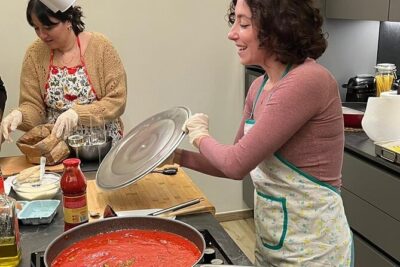
The setting is a carefully selected local home, and that matters more than it sounds. You’re not dealing with fluorescent lighting or a demo kitchen vibe. You’re in the kind of space where families actually cook and eat, and that changes your focus. You notice textures. You learn what the dough should feel like. You pick up small habits that make the food taste like Tuscany.
Also, you start early in the experience with aperitivo drinks and snacks. It’s not just a perk. It’s a pacing trick: you arrive hungry, relax into the rhythm of the evening, and then cooking doesn’t feel rushed. If you enjoy classes where you can talk as you work, this format fits well.
You can also read our reviews of more tours and experiences in Siena.

How the 3 Hours Usually Flow (And What You Do)
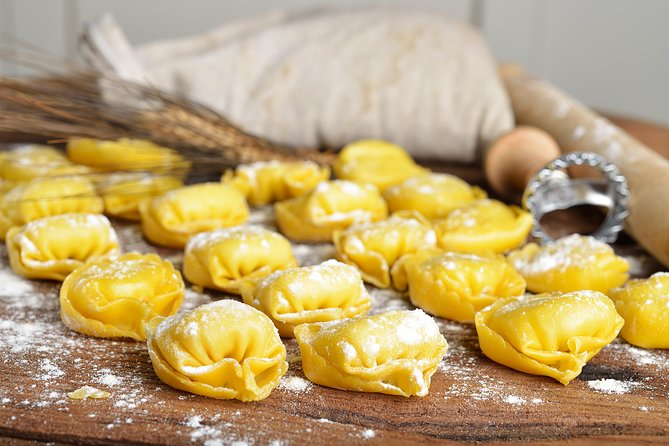
This class runs about 3 hours, and it ends back at the meeting point. While every home is a little different, the structure is consistent: aperitivo, hands-on cooking, then eating what you make.
Aperitivo: Settle In Before You Cook
You’ll begin with aperitivo drinks and snacks. Think of it as your warm-up. It helps you get comfortable with the setting and with your Cesarine host before the flour starts flying. It also sets expectations: you’re not just learning recipes—you’re stepping into a Tuscan evening.
Practical tip: wear something you can stand to get a little flour on. No need to dress up. You’ll thank yourself later.
Pasta Workshop: Rolling, Filling, and Shaping
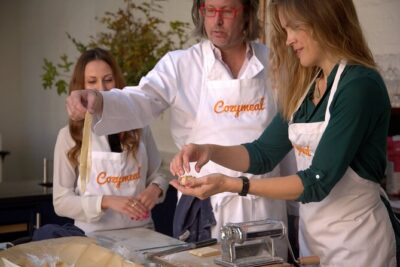
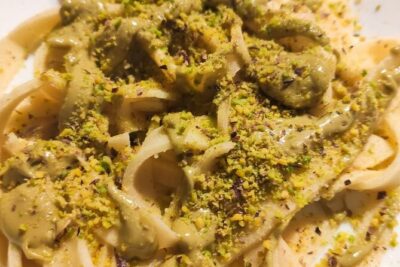
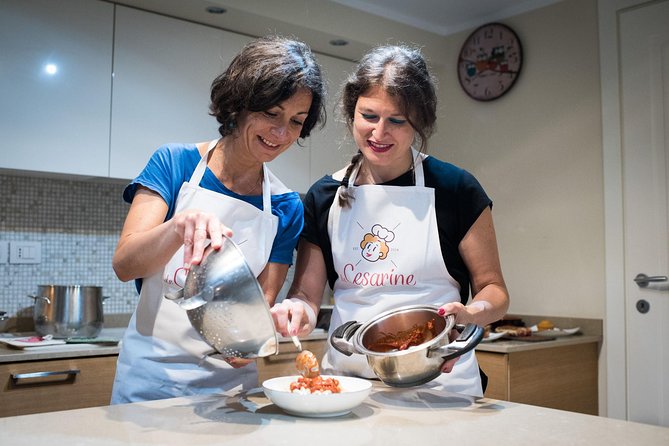
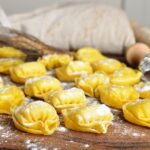
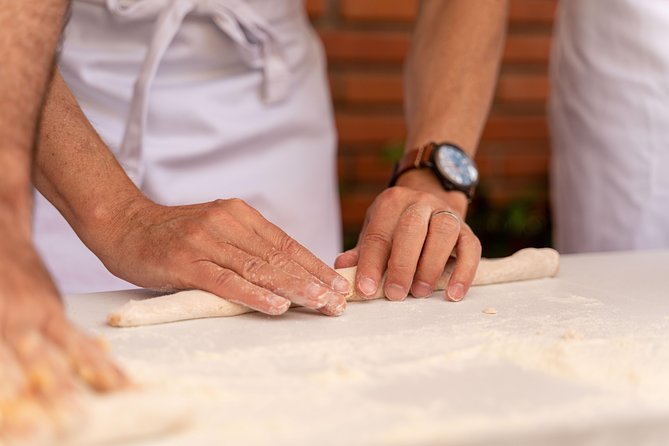
The core skills are the real draw. You’ll learn how to roll out pasta dough and then fill and shape pasta by hand. Depending on the class day, you may work on fresh pasta styles such as pici, tagliatelle, or gnudi.
Why this part is valuable: pasta is one of those foods where technique changes everything. If the dough is too thick, it’s heavy. Too thin, it tears. Shaping matters for sauce cling. Here, you’re not just tasting the result—you’re building the muscle memory for the result.
In strong host-led sessions, the instruction stays practical and friendly. Some recent hosts—like Álvaro and Alvaro’s family context, or Ilaria teaching with warmth—were praised not just for cooking knowledge, but for making it feel easy to learn.
Tiramisu: The Technique Side of Dessert
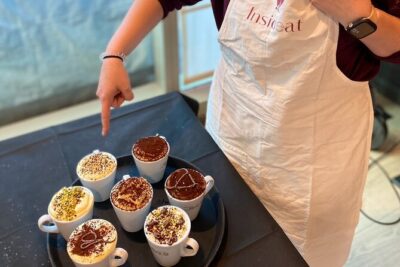
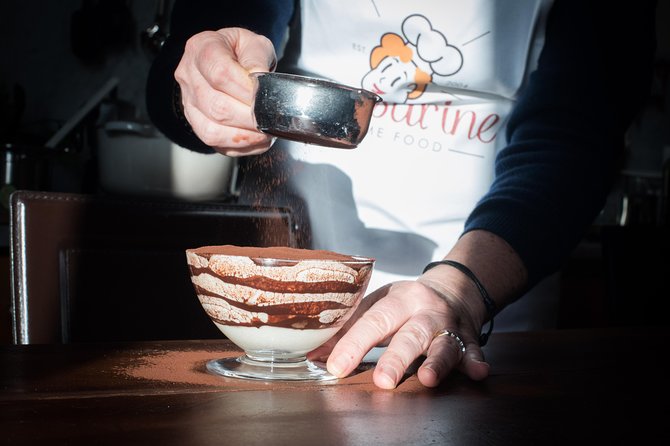
Then you move to dessert and get tips and techniques for a perfect tiramisù. Tiramisu sounds simple, but the details are where it wins. You want the texture right and the balance of ingredients so it tastes layered rather than soggy.
In past experiences, hosts like Enza have been specifically singled out for making tiramisù prep feel doable, not mysterious. Expect instruction on how to assemble, plus guidance that helps you avoid common problems (like uneven layers).
Tasting: End With a Real Meal
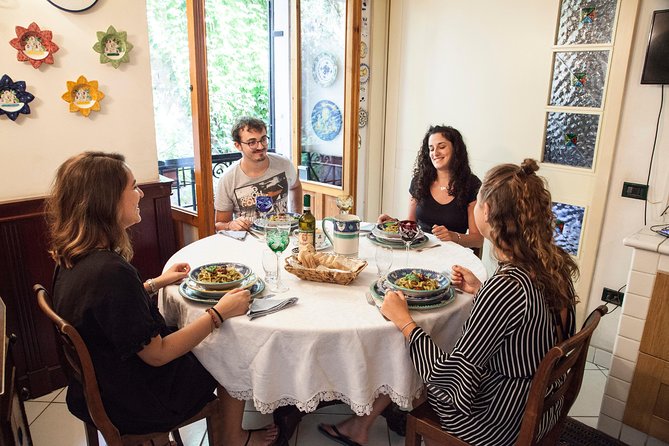
At the end, you’ll taste your dishes. This isn’t a “take-home only” situation. The class is designed so you actually sit down together and eat what you made—pasta and tiramisù—often in a family-style atmosphere.
That last step matters because it closes the loop. You see how your shaping and assembly choices show up in the bite. It also makes the evening feel complete, not like a workshop where the food disappears somewhere off-stage.
What You’ll Learn That You Can Use at Home
Cooking classes fail when they teach you only a story, not skills. This one is built around repeatable technique.
Here are the big takeaways that stick:
- Dough handling: how the dough behaves while you roll it out.
- Shaping logic: how to form pasta so it keeps its structure.
- Filling and portion control: the part that’s easy to mess up if you rush.
- Tiramisu assembly habits: what to watch for so it sets and tastes balanced.
- Taste-first seasoning instincts: the idea that good Italian cooking adjusts as you go.
If you like the idea of eating a “school meal” at the end but still carrying home real competence, you’re in the right place.
Cesarine Hosts: The Family-Energy Factor
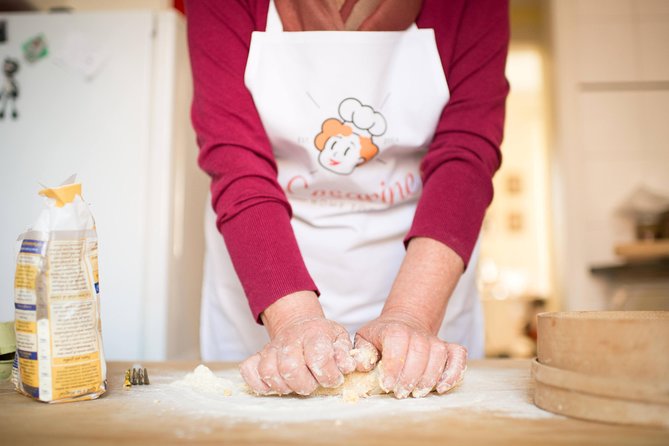
Cesarine are home cooks who host small groups in their own kitchens. That approach gives you something you don’t get in many cooking schools: human guidance that feels personal.
It shows up in the details. Hosts have been described as warm, kind, and generous, and the class often feels like you’re sharing dinner rather than attending a timed activity. In one example, Ilaria and her family shared the meal with participants, including her husband and daughter. In another, Álvaro’s session was praised for laughs and a clear teaching style.
Even when the vibe is informal, the instruction is the point. You’re there to learn pasta and tiramisù, and the Cesarine format is meant to keep you engaged and supported.
A note on languages: the class is offered in English. If you speak only basic Italian, you should still be fine.
Price and Value: Is $214.84 Worth It?
At about $214.84 per person for roughly three hours, this isn’t the cheapest way to cook in Tuscany. But it can be good value for what you’re actually buying.
You’re paying for:
- a small group experience (max 12)
- hands-on teaching (not just watching)
- a home setting with local hosts
- the full meal you eat at the end (pasta plus tiramisù)
If you compare it to restaurant dinners, note this isn’t just dining. It’s a skill-building night plus a meal. And because you’re making two iconic dishes—fresh pasta (pici/tagliatelle/gnudi options) and tiramisù—you leave with knowledge that can turn your next kitchen night into a mini-Tuscany experience.
My rule of thumb: if you enjoy learning by doing and you’d rather spend money on competence than souvenirs, this class tends to make sense.
Logistics in Siena: Where the Start Can Get Tricky
The meeting point is listed as 53100 Siena, and the activity ends back at the start. It’s also noted as being near public transportation, which is helpful if you don’t want to rely entirely on taxis.
That said, one past experience started with confusion about the rendezvous being in a suburb outside downtown. The host eventually was sick and the class was moved back into Siena for a lower price, with a different teacher making it right.
So here’s the practical advice: before you leave your hotel, confirm the exact address or landmark for your date. Don’t just rely on a street name. If you’re unsure, ask your lodging to help you map it quickly.
Small Group Size: Why Max 12 Helps You Learn
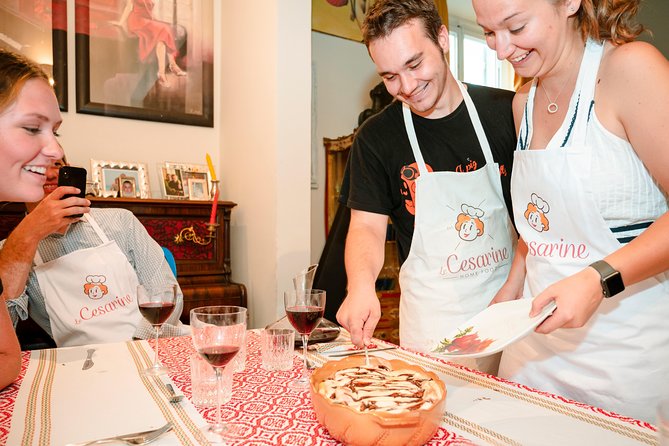
With up to 12 travelers, you’re not lost in a crowd. That matters for pasta rolling and shaping—things that depend on feedback. If you’re unsure whether your dough is the right thickness, you want someone to notice.
In a larger class, your questions can get buried. In this size, the experience stays interactive. You cook, you taste, you learn—then you eat.
Who Should Book This Class?
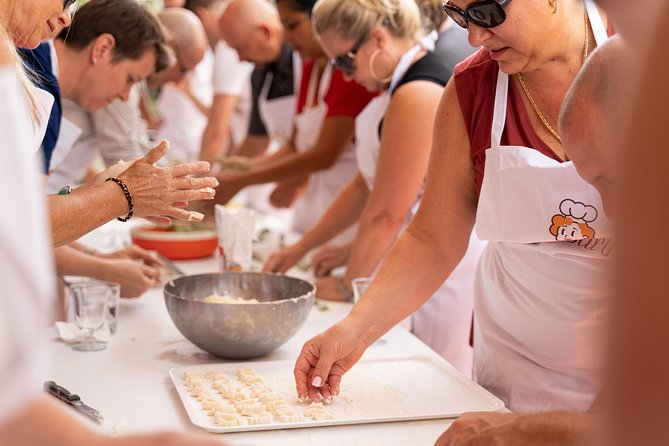
This is a strong fit if:
- you want hands-on cooking, not a passive tasting tour
- you’d rather cook in a home than in a big cooking studio
- you enjoy practical skills you can repeat later
- you travel as a small group or even solo and like social dinners
It might feel less ideal if:
- you’re very schedule-sensitive and hate any chance of start-time confusion
- you want a class with lots of sitting and watching rather than hands-on work
- you’re not interested in desserts at all (because tiramisù is a core part of the session)
A Quick Reality Check on Expectations
Two honest notes to keep your expectations grounded:
1) This is a shared class in a local home. That means comfort and pace depend on the household setup. It’s usually warm and informal, but it isn’t a hotel ballroom.
2) The best value comes when you’re willing to participate. If you expect the host to do everything while you take photos, you’ll miss the point.
Should You Book This Siena Pasta and Tiramisu Class?
Yes—if you want an evening that mixes authentic home cooking, real technique, and a meal you actually eat with your new skills. The biggest strength is the combination of pasta-making by hand plus a dessert lesson you can use again later.
Book it especially if:
- you like small-group experiences (this caps at 12)
- you’re excited about both savory and dessert
- you’re okay checking the exact meeting details so you show up stress-free
Skip it if:
- you want a completely foolproof start with zero risk of confusion around the rendezvous
- you don’t care about learning technique and just want to eat
If you’re the type who loves food as a skill, not just a destination, this class is one of the better bets in Siena.
FAQ
How long is the Cesarine Pasta and Tiramisu class?
It lasts about 3 hours.
What is the group size for this class?
The class has a maximum of 12 travelers.
What dishes will we make?
You’ll make fresh pasta (such as pici, tagliatelle, or gnudi) and a tiramisù.
Is the class offered in English?
Yes, it is offered in English.
Where does the class start and end?
It starts at 53100 Siena, Province of Siena, Italy, and ends back at the meeting point.
Is the ticket mobile and is cancellation free?
The tour includes a mobile ticket. You can cancel for a full refund up to 24 hours in advance.