REVIEW · SIENA
Cesarine: Pasta & Tiramisu Class at a Local’s Home in Siena
Book on Viator →Operated by Cesarine: Cooking Class · Bookable on Viator
Siena’s best souvenirs are edible. This private Pasta & Tiramisu class in Siena puts you in a local home with a Cesarine host, learning two pasta dishes plus tiramisù using real, family-style techniques rather than a demo-only setup. I like the laidback, hands-on feel—less performance, more learning by doing—plus the chance to eat what you make at the end of the session. The main thing to watch is that, because this is a home-based experience, you should clearly communicate any serious food needs (like severe allergies) before you arrive.
You can start either in the morning or evening, and the pace stays friendly for families. Reviews highlight hosts like Ilaria, Patrizia, Enza, and Enza, who make the steps feel achievable and explain why ingredients and techniques matter. One possible drawback: if your booking details or dietary notes aren’t shared properly in advance, you might feel extra stress on the day when the plan needs adapting.
In This Review
- Key Points You’ll Care About
- A Private Siena Kitchen With Cesarine Hosts
- Price and Time: What $227.09 Buys You in 3 Hours
- Where You Meet in Siena, and Why the Home Setting Changes Everything
- The Class Flow: How Your 3 Hours Usually Unfold
- Cooking Two Pastas: Techniques You Can Repeat at Home
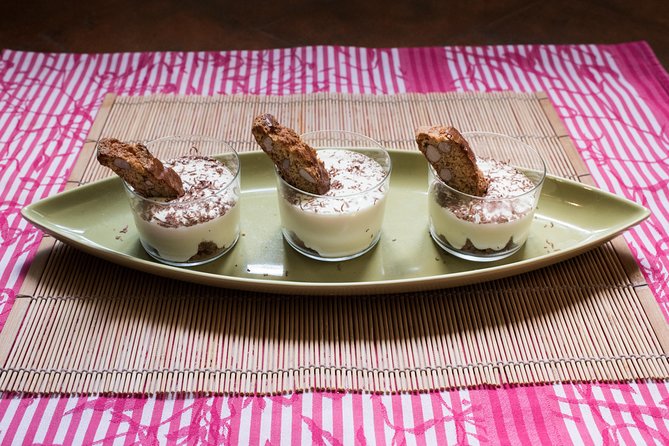
- Tiramisu Lessons: The Dessert That Feels Like Italy
- The Meal Moment: Wine, Conversation, and Leftovers
- Sanitary Rules and Distance: What to Expect Without Panic
- Who This Class Is For (and Who Might Find It Isn’t Their Style)
- Should You Book Cesarine’s Pasta & Tiramisu Class?
- FAQ
- How long is the Cesarine pasta and tiramisù class in Siena?
- What dishes will I learn to make?
- Is the class private?
- What language is the class offered in?
- Where does the class start and end?
- Can I choose a morning or evening class time?
- Is the meeting point near public transportation?
- What hygiene and distancing rules are mentioned?
Key Points You’ll Care About
- Private class in a real Siena home with a Cesarine host, not a large group kitchen.
- Hands-on instruction for two pasta dishes plus tiramisu, so you leave knowing the process, not just the recipe.
- English is offered, making it easier to ask questions and understand technique.
- Meal at the table after cooking, with reported wine and plenty of food (often with leftovers to take away).
- Sanitary rules are part of the visit, including guidance on distance and masks/gloves if needed.
- Start times vary (morning or evening), so you can fit it into your sightseeing rhythm.
A Private Siena Kitchen With Cesarine Hosts
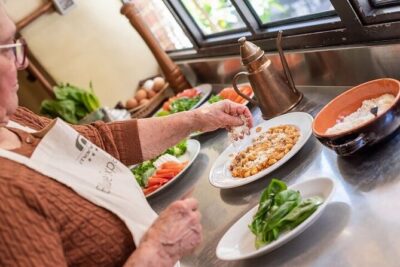
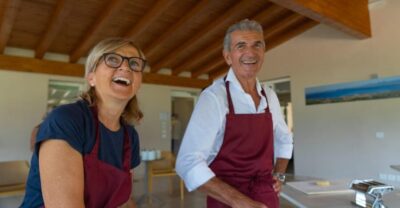
This isn’t a cooking class built around you watching someone else work. It’s built around you cooking with a host who treats the evening like a visit to their family kitchen. You’re welcomed into a carefully selected local home in Siena, where your Cesarine host shares techniques that come from their own routines and what they learned at home.
The “Cesarine” approach matters. In a typical restaurant class, you may get a few tips and then the dish is mostly standardized. Here, the host can guide your hands—how to shape, how to time the sauce, what texture to look for—because you’re doing the work. That’s why people come away feeling capable, not just entertained.
One review example stands out: hosts like Ilaria showed guests how to make tiramisù and two types of pasta, and the session felt easy in her hands. Another review praises Patrizia for explaining why ingredients are used and which techniques create better pasta. That kind of reasoning is what helps you recreate it later.
You can also read our reviews of more tours and experiences in Siena.

Price and Time: What $227.09 Buys You in 3 Hours
At $227.09 per person for about 3 hours, you’re paying for more than ingredients. You’re paying for time with a private instructor in a local home, plus a guided, step-by-step cooking experience that ends with a meal.
Here’s how to think about value:
- You’re getting instruction plus food. Cooking classes that only cover one dish rarely feel as satisfying because you still end up hungry or you still need dinner elsewhere. This one includes two pasta dishes and tiramisù, and then you sit down to eat.
- You’re paying for private attention. Since it’s only your group, your host can slow down when you need it and explain details as you go.
- You’re buying a Siena experience you can’t fake. It’s not just pasta and dessert. It’s seeing how local hosts pace a meal, what they consider important, and how they talk about cooking.
If you’re traveling with family, this can be a good way to spend time together in a way that still feels Italian and personal. If you’re a solo traveler, it can also be a nice change from standing in lines—this is a focused, social hour where your host is there for you.
Where You Meet in Siena, and Why the Home Setting Changes Everything
You’ll meet at 53100 Siena, Province of Siena, Italy. The experience ends back at the same meeting point. It’s described as near public transportation, which is helpful because you’re not locked into a private vehicle or long taxi rides.
The home setting is the real difference-maker. You’ll be in a neighborhood space instead of a classroom. That usually means a more relaxed atmosphere, but it also means you should expect a more personal pace—putting on an apron, setting your station, and getting comfortable right away.
The other big change from a commercial kitchen: you may not be surrounded by industrial equipment. That makes technique teaching even more important. When your host shows you what the dough should feel like or how the sauce should reduce, you understand the goal rather than just following steps.
Also, you’re in a residential space with a host who is managing their home environment. Keep that in mind if you’re arriving right on the dot—these classes often run on a careful schedule so the cooking can stay timed.
The Class Flow: How Your 3 Hours Usually Unfold
The schedule itself is simple: you cook, you learn, then you eat what you make. But the order matters because pasta and tiramisù have different timing needs.
A typical flow you can expect:
- Welcome and setup
Your Cesarine host welcomes you into the home and gets you ready to cook. You’ll review what you’re making: two pasta dishes and tiramisù.
- Hands-on pasta work
You’ll learn and prepare two pasta dishes, with technique guidance from your host. In at least one class example, guests learned picci pasta with a red sauce—showing that the pasta can go beyond the usual dried shapes.
- Dessert transition to tiramisù
Once the pasta is moving along, you shift focus to tiramisù, usually with step-by-step guidance so you understand the texture goals.
- Sit down and eat
Then the class turns into dinner. Reviews mention hosts bringing wine to the table and guests enjoying conversation together.
- Finish and take home what you can
One review mentions leftovers to take with you, which makes the evening feel practical, not just fun.
Your start time is either morning or evening, so plan your day accordingly. If you book the evening class, it can double as your dinner. If you book the morning class, it can lead to a relaxed lunch later—since you’ll leave satisfied.
Cooking Two Pastas: Techniques You Can Repeat at Home
The pasta portion is where this class really earns its reputation. You’re not just assembling food—you’re learning mechanics: what the dough or filling should feel like, how to shape, how to time, and how to judge doneness.
From the reviews, I’m especially paying attention to how hosts explain technique:
- Patrizia went into depth about why certain ingredients are used and what cooking techniques helped guests make delicious pasta.
- Enza taught family recipes including picci pasta with a red sauce, and guests left with confidence they can build the flavor again.
What you should look for during the pasta lesson:
- Ingredient behavior: how pasta dough changes with handling, how sauce reduces and thickens.
- Texture cues: pasta that’s cooked through but not mushy, sauce that coats rather than pools.
- Timing discipline: pasta doesn’t wait, and sauces usually need attention while other steps happen.
Even if you’ve cooked before, the value here is learning the Italian approach: not just the recipe, but how your hands and eyes should respond during the process.
If you’re new to cooking, this style can be reassuring. Hosts are guiding you in real time, and when the session ends you’ll have pasta dishes you understand from scratch.
Tiramisu Lessons: The Dessert That Feels Like Italy
Tiramisu is the obvious draw, but the better point is what it teaches. It’s a dessert where technique is mostly about timing and texture: how ingredients combine, how layers set, and how everything tastes when it rests.
In the reviews, tiramisù is a highlight repeatedly. Guests mention feeling like the host made it straightforward and that their own tiramisù was among the best they made in Italy. One guest specifically thanked their host for the tiramisù outcome, which suggests the class isn’t just spoon-feeding instructions—it’s getting you to the correct result.
Here’s what to pay attention to if you want to nail it:
- Layering: getting the balance so it’s not overly soggy or too firm.
- Resting time: tiramisù changes after it sits, so follow the host’s timing advice.
- Taste adjustment: if your host shares a tip about sweetness or balance, note it—dessert is sensitive.
Because you cook it in a home setting, you also tend to get practical explanations. It feels less like a formal lesson and more like learning a family workflow that you can reproduce.
The Meal Moment: Wine, Conversation, and Leftovers
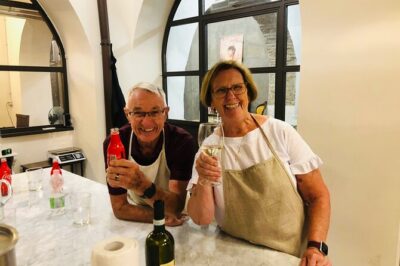
The payoff comes after the prep. You sit down to eat what you made, and the class shifts from classroom mode to dinner mode. Reviews mention hosts serving a bottle of wine, and guests describing a warm, talk-filled meal.
That matters because it turns cooking into a cultural experience. You’re not leaving right after plating. You’re staying in the moment long enough to enjoy the flavors and connect with your host. In a city like Siena, that kind of personal interaction can feel more memorable than one more photo at a viewpoint.
Another practical win: leftovers. One review notes that guests received leftovers to take with them. That’s not guaranteed for every session, but it’s worth asking if you’re the kind of traveler who likes having something ready for later.
Also, since it’s a private class, you’re more likely to have a calm, unhurried meal instead of rushing to fit your schedule. If you’re trying to build a day around good food and low stress, this class plays nicely.
Sanitary Rules and Distance: What to Expect Without Panic
Your comfort matters, and this experience specifically references sanitary rules. You’ll be told to keep 1 meter distance where possible, and if that’s not possible, you may need to wear masks and gloves. The homes also provide essential equipment such as hand sanitizing gel and paper towels for washing hands.
This is the kind of information you want before you show up, and it’s good that it’s spelled out. It helps you feel prepared rather than guessing what will happen in someone’s home.
One more note: because this is at a private home, the environment will feel controlled by the host. If you have any concerns about cleanliness or personal comfort, bring a calm mindset and ask questions early.
Who This Class Is For (and Who Might Find It Isn’t Their Style)
This class is a great match if you want:
- A personal experience in Siena that doesn’t feel like a tourist production
- Hands-on practice with real technique teaching
- A meal you can actually count as dinner
- An activity that works for families in the sense that it’s a shared, friendly event in a home
It can be less ideal if:
- You need very strict, complex dietary management and you haven’t shared it clearly before arrival. One review mentions issues with a severe gluten allergy not being communicated properly in advance, and the host had to adapt on the spot. That doesn’t make the host less capable—it means you should do your part by sending details early and confirming.
If you’re a confident cook who just wants a quick recipe, you might feel it’s slower than you’d like. But most people book this because they want to learn, not speed-run dinner.
Should You Book Cesarine’s Pasta & Tiramisu Class?
Yes, if you want a Siena food experience with real teaching and a warm, family-style meal at the end. The strongest reason to book is the combination of private instruction and a finished meal that you eat together. It’s also a smart choice if you enjoy learning practical skills you can repeat later, not just collecting facts.
I’d book with extra care if you have a serious allergy or other strict dietary requirements. Send those details well before your start time and make sure they’re understood. If your needs are clear, this format is exactly the kind of experience that can be both safe and satisfying.
Overall, this is the sort of class that turns a trip into a story: cooking in a real Siena home, learning pasta techniques you can use again, and ending with tiramisù that tastes like the place you’re standing in.
FAQ
How long is the Cesarine pasta and tiramisù class in Siena?
It’s about 3 hours.
What dishes will I learn to make?
You’ll learn 2 pasta dishes and tiramisù.
Is the class private?
Yes. It’s a private tour/activity, and only your group participates.
What language is the class offered in?
The class is offered in English.
Where does the class start and end?
The start point is 53100 Siena, Province of Siena, Italy, and the activity ends back at the meeting point.
Can I choose a morning or evening class time?
Yes. You can choose between a morning or evening start time.
Is the meeting point near public transportation?
Yes, it’s noted as being near public transportation.
What hygiene and distancing rules are mentioned?
Hosts are attentive to sanitary rules, and you’re asked to maintain 1 meter distance when possible. If you can’t maintain distance, you may need masks and gloves, and the home provides sanitary equipment like hand sanitizing gel and paper towels.