REVIEW · SICILY
Cesarine: Small group Pasta and Tiramisu class in Catania
Book on Viator →Operated by Cesarine: Cooking Class · Bookable on Viator
Pasta from scratch in a Catania home. This small-group Cesarine class pairs English guidance with a real home-cook setup, where you learn to make iconic pasta and tiramisù and then eat what you make.
I love the hands-on coaching, with demonstrations designed to help you improve your technique, not just copy a recipe. I also love that you are not paying for an experience that leaves you hungry: the class includes pasta, tiramisù, and drinks.
One thing to plan for: this happens in a private home with practical health rules. You’ll be asked to keep a 1 meter distance, and masks and gloves may come into play if spacing gets tight.
In This Review
- Key things to know before you go
- Why this Cesarine class feels more local than a standard tour
- Getting to the meeting point in Catania without stress
- The pasta-from-scratch moment: where the real skill shows up
- Tiramisu in the same session: dessert without the guesswork
- What you eat and drink: planning the rest of your Catania evening
- Small group (max 12): the attention advantage
- Health and safety rules in a home kitchen (and how to handle them)
- Price and value: what you’re really paying for
- Language and comfort: what English support means in practice
- Who should book this class in Catania
- Should you book the Pasta and Tiramisu class?
- FAQ
- How long is the Pasta and Tiramisu class?
- What dishes are included in the menu?
- How large is the cooking class group?
- Is the class offered in English?
- Where does the class start and end?
- What sanitary rules should I expect?
- What is the cancellation policy?
Key things to know before you go
- Max 12 people: you get more attention than in big public cooking demos.
- Cesarine family hosts: welcoming, personal teaching in local homes, not a classroom.
- Pasta from scratch skills: hands-on work guided by a cook who really does this at home.
- Tiramisu happens the same day: no waiting around for dessert later.
- Food + drinks included: you leave fed, not just holding a recipe card.
- Sanitary equipment and spacing rules: paper towels, sanitizer, and a clear 1 meter expectation.
Why this Cesarine class feels more local than a standard tour
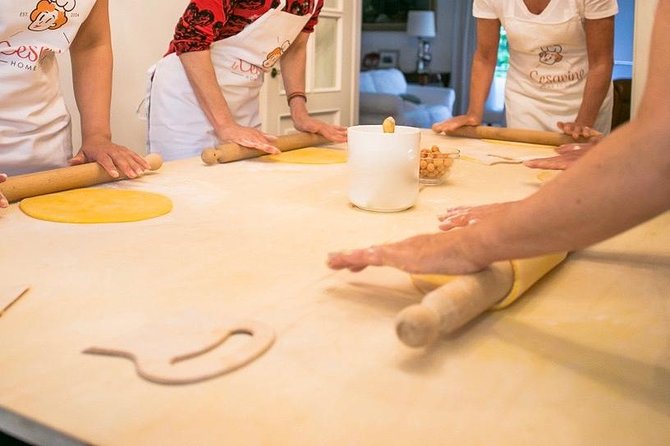
If you’ve done the “walk-and-watch” style food tours, you know the downside: you see a lot, but you still end up eating somewhere else. This class flips that. You work in a real kitchen with a Cesarine host—people who cook these dishes for their own lives, not for a show.
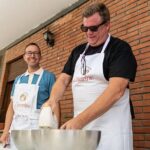
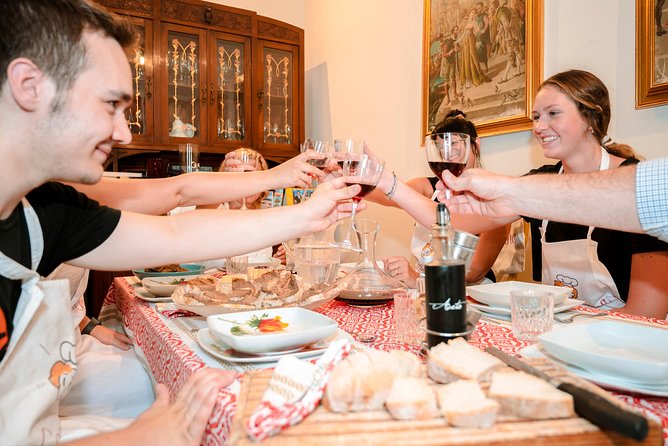
In Catania, where everyday life and food culture mesh tightly, cooking at someone’s home is a quick shortcut to how locals actually think about meals. The vibe tends to be relaxed and friendly, too. One host named Maurizio is praised for making the evening laugh-filled, with music and good company around the workbench. Hosts like Andrea and Graziella are described as warm, informative, and ready to show you how it comes together—pasta first, then tiramisù, with a laid-back dining feel that can even include outdoor serving space like a rooftop terrace in some homes.
Is it “touristy”? Not in the usual sense. You’re not chasing photos of plates in a restaurant dining room. You’re learning technique, then eating the results right there.
You can also read our reviews of more tours and experiences in Sicily.
Getting to the meeting point in Catania without stress
The experience starts in Catania, Metropolitan City of Catania, Italy, and ends back at the same meeting point. That matters because it keeps the evening simple. You’re not juggling buses, extra transfers, or trying to line up dinner somewhere far from the start.
A few practical details help you plan:
- It’s near public transportation, so you can arrive without a long walk if you’re using buses or trams.
- You’ll receive confirmation at booking, and the class uses a mobile ticket.
- The class is about 3 hours long (approx.), in English.
My advice: treat it like an early dinner plan. Since pasta, tiramisù, and drinks are included, you can schedule a lighter snack after the class (or none at all) and save your proper dinner for another night.
The pasta-from-scratch moment: where the real skill shows up
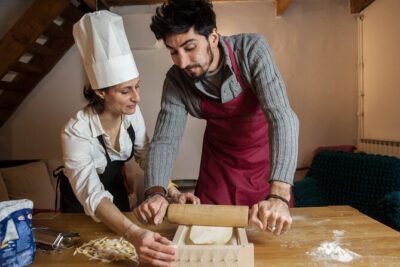
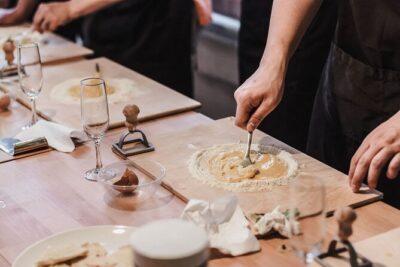
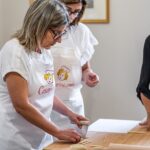
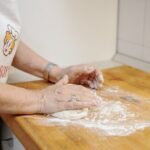
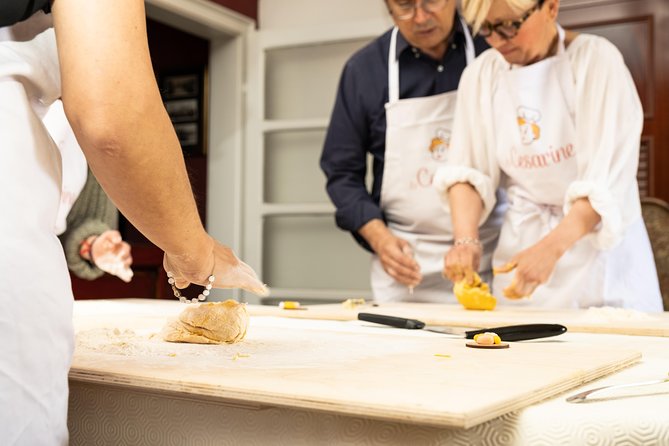
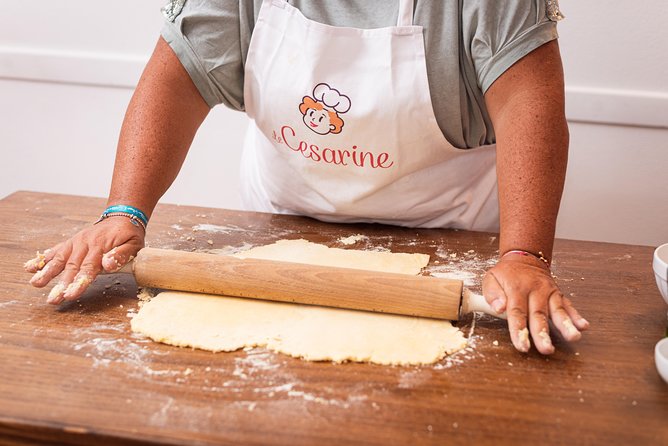
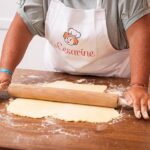
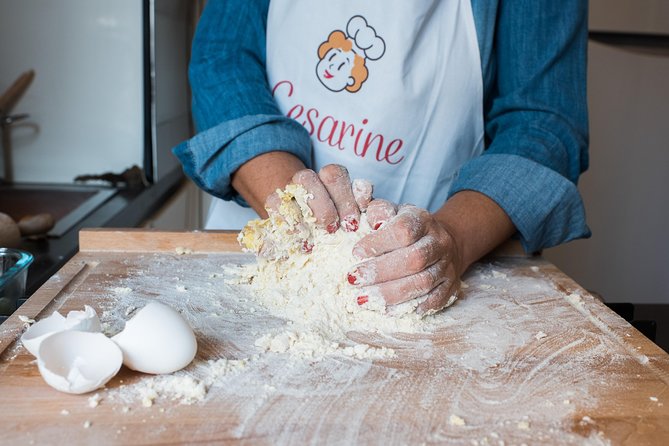
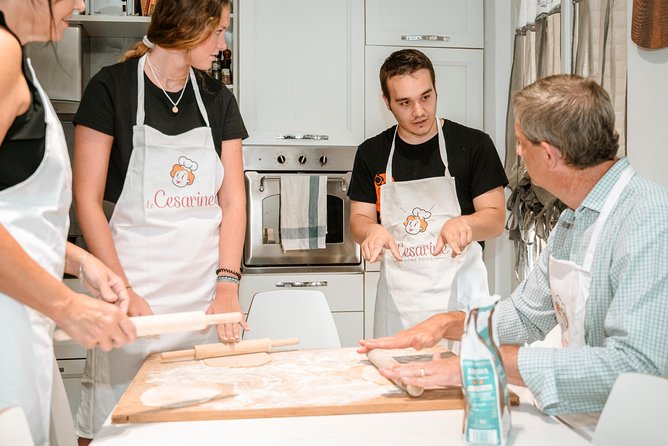
This class is built around one core idea: you learn pasta making by doing it, not just watching it. The format is hands-on, and the host gives demonstrations designed to fix the common mistakes people make when they try pasta dough or shaping for the first time.
What you’ll work on during the pasta portion is the practical side of “from scratch.” Expect to handle dough and practice the key moves that turn ingredients into pasta you can serve. The most useful part is how the Cesarine breaks it down: what to look for as the dough comes together, how to adjust your approach if it feels off, and how to get to a result that’s good enough to eat immediately at the table.
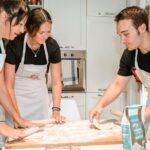
This is also where small group size pays off. With a limit of 12 travelers, you’re less likely to get stuck waiting for attention while someone else gets coached. You can ask a question, correct a step, and keep moving with the group timeline.
A nice bonus: the energy in the room is often friendly and playful. Maurizio, for example, is associated with laughter and great music while people cook. That doesn’t change the food quality, but it does change how fast 3 hours passes.
Tiramisu in the same session: dessert without the guesswork
Tiramisu can look intimidating until you see the structure clearly. Here, dessert is part of the same experience, so you’re not ending your evening with an “I hope I did it right” moment.
You’ll make tiramisu during the class as part of the planned menu. That means the host can guide your technique and your timing while you’re still in the learning mindset. And since you’ll already be comfortable from the pasta work, the dessert portion often feels like a creative payoff.
Because tiramisù is also one of Italy’s best-known desserts, it’s a strong choice for a cooking class: you get something iconic, and you learn enough to repeat it at home without guessing every step. Even if you’ve made tiramisù before, the hands-on teaching style tends to make your process smoother—especially around texture and assembly.
What you eat and drink: planning the rest of your Catania evening
The menu is simple and clear: pasta as the main, tiramisù as dessert, plus drinks. That sounds basic, but it’s actually a big part of the value.
Why? Because most cooking classes don’t include a full “sit down and eat” meal with beverages. Here, the structure is meal-based. You’re going to leave with satisfied hunger, not just samples.
So how should you plan your night?
- If you’re staying in central Catania, this is a strong pick for an evening meal.
- After a class like this, I recommend skipping a heavy dinner and instead planning something lighter—maybe a quick pastry or gelato later, if you still want it.
Also, since you’re cooking and eating in the same flow, you don’t need to coordinate restaurants afterward. That saves time and avoids the classic problem of arriving hungry and then having to decide quickly with limited options.



Small group (max 12): the attention advantage
A limit of 12 travelers is not just a number. It changes how the teaching works.
In larger groups, you often get coached from the sidelines and hope your turn comes before the food cools. In a max-12 setup:
- You can actually ask questions and get an answer that applies to your exact step.
- The host can correct technique in real time.
- You’re more likely to feel like part of the kitchen rhythm instead of an observer.
And because it’s a home setting, the group size keeps things manageable. It’s also why the sanitary rules matter: the group is small, but kitchens are still enclosed spaces. You’ll be guided to keep 1 meter distance when possible, and masks and gloves may be used if you can’t maintain space.
Health and safety rules in a home kitchen (and how to handle them)
This class comes with clear sanitary expectations. The hosts are described as careful and attentive to sanitary rules, and the home provides essential items like paper towels for washing hands and hand sanitizing gel.
You should expect:
- A 1 meter distance guideline.
- Masks and gloves may be needed if that distance can’t be maintained.
- The hosts provide equipment for guest hygiene.
The practical takeaway for your planning: pack or bring what you’d normally use for health safety when close-contact environments come up. Even though homes provide supplies, you’ll feel more confident if you have your own mask available in your bag.
Also, remember that this is about a real home kitchen. You’ll likely be working in a space that’s smaller than a professional cooking school. That’s not a dealbreaker—it just affects comfort level.
Price and value: what you’re really paying for
At $154.98 per person for about 3 hours, the price can look high if you’re comparing it to walking tours or quick tastings. But for this experience, the value comes from three things working together:
1) You get a real meal
Pasta, tiramisù, and drinks are included. That’s not a side perk. It’s part of the pricing logic.
2) You get technique coaching
This is hands-on, not just a demonstration you watch while taking photos.
3) You get a small group setting in a local home
Max 12 travelers means more teaching time and a more personal experience than larger cooking events.
So the question is not whether you’re paying for “three hours.” You’re paying for learning plus dinner, in a setting that feels like Italy at home. If you enjoy cooking or you want a practical memory you can repeat later, this tends to be the kind of class that earns its cost.
Demand also looks healthy: the class is often booked about 51 days in advance on average. That suggests it’s popular, so if you’re traveling in peak periods, don’t wait until the last minute.
Language and comfort: what English support means in practice
The experience is offered in English. That matters because cooking classes can be frustrating if the instructions are unclear. Here, English guidance is part of the setup, which helps you understand:
- how the host expects you to do the steps,
- what “success” looks like in the dough and dessert,
- and how you can correct mistakes as you go.
Even with English support, cooking is still hands-on, so you’ll rely on both instructions and the host’s body-language demonstrations. That’s one reason the special hands-on demonstrations are emphasized: seeing and doing together is often the fastest way to learn.
Who should book this class in Catania
This is a strong fit if you:
- want a hands-on food experience instead of a restaurant meal alone,
- like learning technique you can repeat at home,
- prefer small groups and personal host interaction,
- want your evening to include both cooking and a complete meal.
It’s also a good option if you’re the type of traveler who likes “one good thing” deeply. You’re not trying to see five sights in three hours. You’re focusing on two iconic dishes and the way Italians cook them.
Should you book the Pasta and Tiramisu class?
I’d book it if you want a genuine home-cooking experience with pasta from scratch, a guided tiramisù session, and enough food to handle dinner. The small group size and English availability make it practical, not intimidating.
I’d think twice if you’re uncomfortable with private-home close quarters or if sanitary distance rules feel like a dealbreaker for you. But if you can flex with the safety expectations, this class is one of the more satisfying “learn something real and eat well” experiences you can pick in Catania.
FAQ
How long is the Pasta and Tiramisu class?
The class lasts about 3 hours (approx.).
What dishes are included in the menu?
You’ll learn to make pasta and tiramisù. The experience also includes drinks.
How large is the cooking class group?
It’s a small group with a maximum of 12 travelers.
Is the class offered in English?
Yes, the experience is offered in English.
Where does the class start and end?
The activity starts in Catania, Metropolitan city of Catania, Italy, and ends back at the meeting point.
What sanitary rules should I expect?
The hosts follow important sanitary rules. You’ll be asked to maintain 1 meter distance, and masks and gloves may be required if distance can’t be maintained. The home provides sanitation equipment like hand sanitizing gel and paper towels.
What is the cancellation policy?
You can cancel for a full refund up to 24 hours in advance. If you cancel less than 24 hours before the start time, the amount you paid won’t be refunded.