REVIEW · SICILY
Palermo: Pasta & Gelato Cooking Class in Palermo
Book on Viator →Operated by Towns of Italy · Bookable on Viator
A cooking class in Palermo beats staring at menus. You’ll learn how to make egg pasta from scratch and shape it into two traditional types, then pair them with two fresh seasonal sauces. After that, a chef walks you through a gelato-making demonstration plus tips for finding great gelaterias in Sicily.
What I like most is the hands-on pace. You’re not just watching—you’re working the dough and building real confidence you can use at home. The other big win is the warm, structured flow: pasta first, gelato demo second, and then you sit down to enjoy what you made with wine (soft drinks if you’re traveling with kids).
One thing to consider: this class isn’t suitable for celiacs, so if you need gluten-free, you’ll want to look for a different option. Also, you’ll need to arrive on time—latecomers can’t be accommodated.
In This Review
- Key highlights in Palermo
- Sicilian Pasta and Gelato in Three Hours
- Where You’ll Start at Towns of Italy
- Egg Pasta Dough Workshop: The Skill You Keep
- Shaping Two Traditional Pasta Types (Without the Guesswork)
- Seasonal Sauces Pairing: Getting the Balance Right
- Gelato-Making Demonstration: Technique Plus Taste Logic
- The Meal Moment: Wine, Soft Drinks, and What You Made
- Take Home a Digital Recipe Booklet (So It Doesn’t Disappear)
- Price and Value: What You Pay For
- Who Should Book This Class in Palermo
- Logistics That Matter on Cooking Class Day
- Should You Book This Palermo Pasta & Gelato Class?
- FAQ
- What’s the duration of the Palermo pasta and gelato cooking class?
- Where do I meet for the class?
- Is the class offered in English?
- Is the class suitable for vegetarians?
- Can celiacs join this cooking class?
- Are dietary requirements and allergies handled?
- Is a meal included, and is wine provided?
- What if I need to cancel?
Key highlights in Palermo
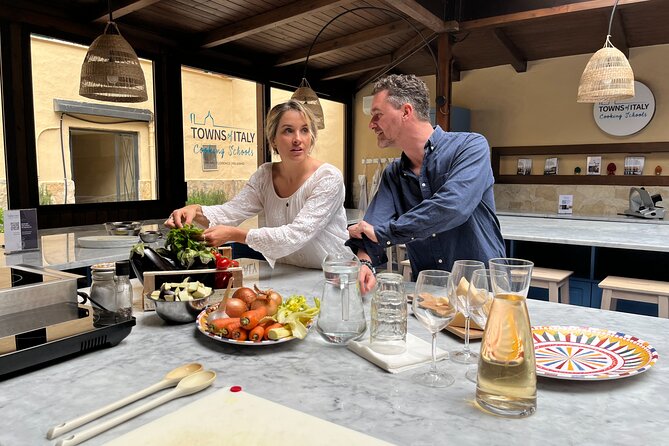
- Egg pasta dough hands-on: You’ll create pasta from scratch and form two traditional pasta types.
- Two seasonal sauces: You’ll learn how to match fresh sauces to your pasta, not just make dough.
- Gelato demonstration included: You’ll get the techniques and ingredient logic behind a classic Italian treat.
- Chef-led tips you can reuse: You’ll leave with practical guidance for both pasta nights and gelato hunting.
- Family-friendly energy: The teaching style is upbeat and works well even when kids are involved.
- Small group size: Maximum 20 travelers means more personal attention.
Sicilian Pasta and Gelato in Three Hours
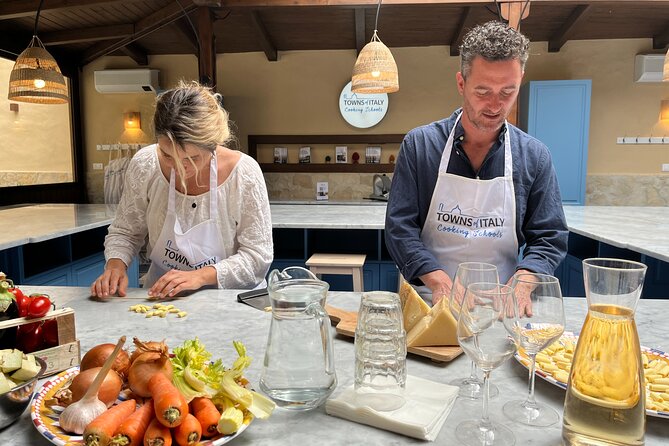
If you’ve ever wished you could bring a little Sicily back home, this is a smart way to do it. In about 3 hours, you’ll go from flour and eggs to plated pasta, then finish with a gelato-focused lesson that helps you understand what makes it taste right.
The class is in English, so you don’t have to do mental translation while your hands are busy. It also has a small-group feel, with a maximum of 20 travelers, which matters because pasta-making isn’t just one skill—it’s timing, texture, and feel. When people can ask questions and actually get answers, the whole experience gets better.
The practical goal here isn’t to turn you into a chef. It’s to give you enough technique that you can repeat the results at home, using a recipe you can follow without guessing.
You can also read our reviews of more tours and experiences in Sicily.
Where You’ll Start at Towns of Italy
You’ll meet at Towns of Italy at PalermoVia Volturno, 44, 90138 Palermo, Italy. The good news is it’s near public transportation, so you’re not forced into a complicated transit plan just to begin cooking.
Plan to show up at least 15 minutes early. The class can’t accommodate latecomers, and cooking schedules run on real time. If you’re coming from elsewhere in Palermo, give yourself buffer for getting turned around.
You’ll get a mobile ticket, and confirmation happens at booking time. That’s helpful if you’re juggling multiple activities—less paperwork, fewer surprises.
Egg Pasta Dough Workshop: The Skill You Keep
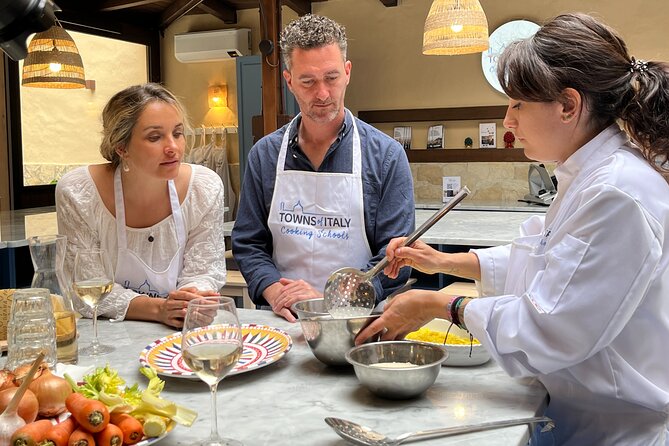
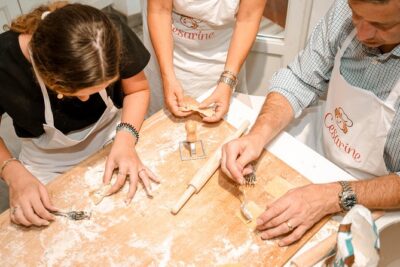
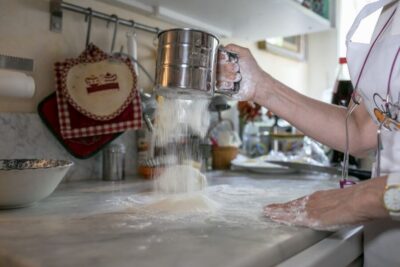
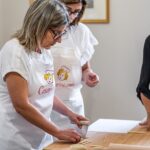
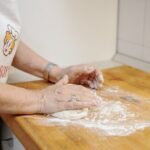
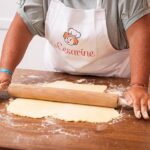
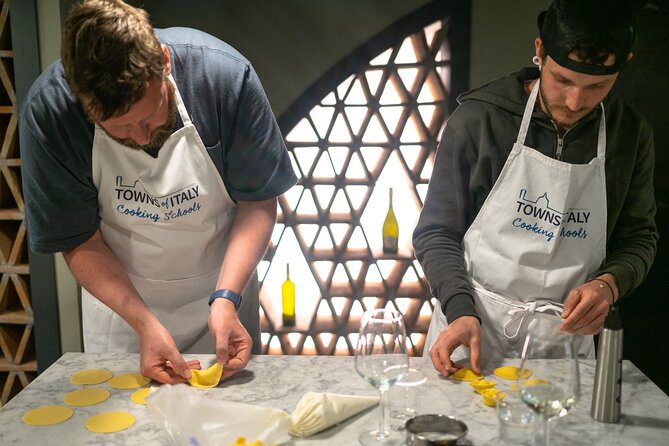
This is the core of the experience, and it’s the part that makes the class worth your time. You’ll learn to make an egg pasta dough guided by local chefs, then turn it into two traditional pasta types.
Why this matters: store-bought pasta can taste good, but fresh pasta has a different bite, and sauce clings to it in a way that feels like a cheat code. When you make the dough yourself, you understand the logic behind the texture—how it should feel, how it should behave when shaped, and what “right” looks like.
You’ll also get chef guidance on tips and tricks for recreating the recipes at home. That’s the difference between a fun day out and a skill that sticks. If you’ve tried pasta at home before and it turned out too tough or too sticky, you’ll appreciate having someone point out what to adjust.
Shaping Two Traditional Pasta Types (Without the Guesswork)
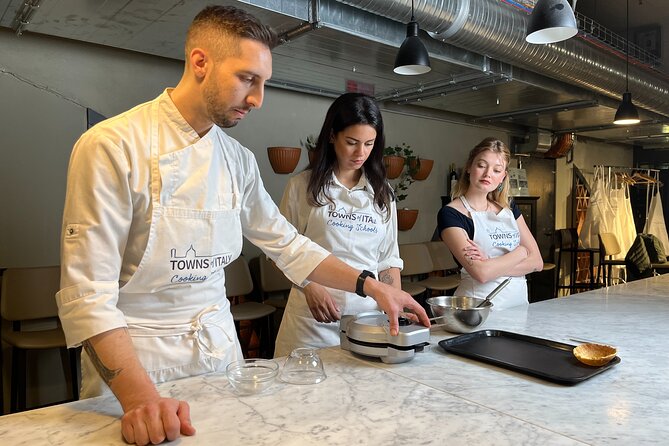
Pasta shapes are more than decoration. Different shapes hold sauce differently, and the cooking time can feel different too. In this class, you’ll work with two traditional pasta types, using the dough you created.
Even if you don’t walk away knowing the official Italian names by heart, you’ll learn the practical side: how to form the pieces, how to handle them without drying them out, and how to keep the process consistent.
This is also where the small-group size helps. With a group capped at 20, you’re more likely to get real-time feedback instead of waiting your turn while your dough sits there wondering if it’s about to get too tough.
And from the teaching style people describe, the chef energy matters. When the teacher stays upbeat and keeps things clear, pasta-making suddenly feels doable, even for beginners and families.
Seasonal Sauces Pairing: Getting the Balance Right
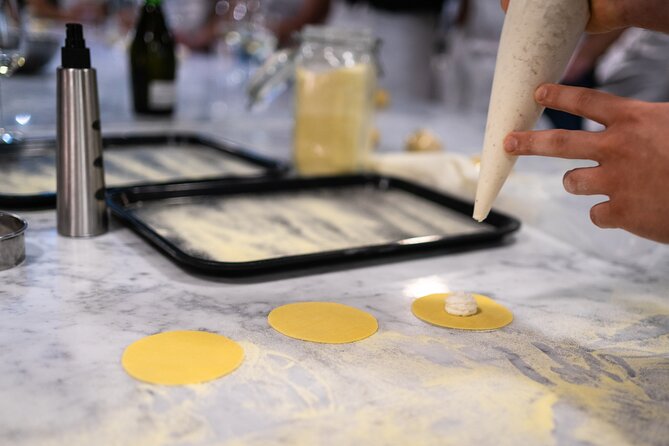
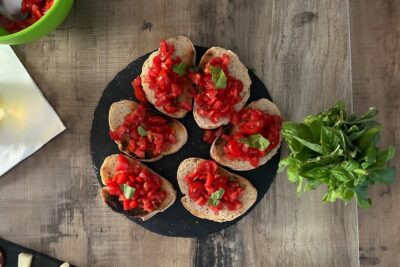
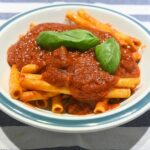
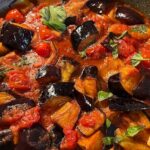
Next comes one of my favorite parts of cooking classes: sauce decisions. You’ll pair your pasta with two fresh, seasonal sauces.
This is valuable because it trains your palate. Instead of treating pasta like the main event and sauce like an afterthought, you learn how the flavors should complement each other. Seasonal sauces also mean the ingredients are likely at their best—less “chef magic,” more smart sourcing.
You’ll be guided through the sauces as part of the process, and you’ll get tips you can reuse when you cook at home. That matters when you don’t have the same kitchen setup or the same exact ingredients on hand later.
Gelato-Making Demonstration: Technique Plus Taste Logic
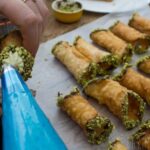
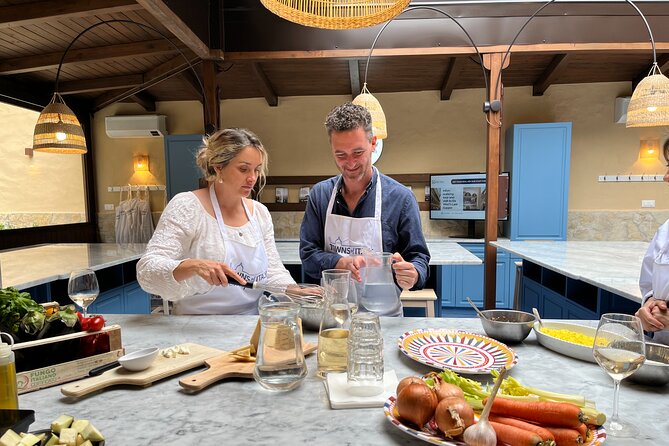
While your pasta dough rests, the experience shifts to gelato. You’ll join a gelato-making demonstration that covers the history, traditional ingredients, and techniques behind one of Italy’s best-loved desserts.
The best part of gelato lessons is that they don’t just focus on sweetness. They help you understand what drives texture: what goes into it, how it’s handled, and how the final result should feel when you eat it.
You’ll also get insights on finding the best gelaterias during your travels. That’s practical advice, not vague inspiration, and it’s the kind of thing you can use immediately while you’re still in Sicily—when you’re hungry and deciding where to go next.
The Meal Moment: Wine, Soft Drinks, and What You Made
When it’s time to eat, you’ll sit down with the meal you created. You’ll enjoy a delicious meal paired with wine, and soft drinks are available for children.
This part is more than a bonus. It’s how you calibrate everything you learned. If the dough felt right but the sauce didn’t taste balanced, you’ll notice. If the pasta cooked differently than expected, you’ll learn the cue for next time.
There’s also something reassuring about finishing with a graduation certificate. It turns the class into a real accomplishment, and it’s a nice souvenir when you don’t want a fridge magnet that melts in the first summer heat.
Take Home a Digital Recipe Booklet (So It Doesn’t Disappear)
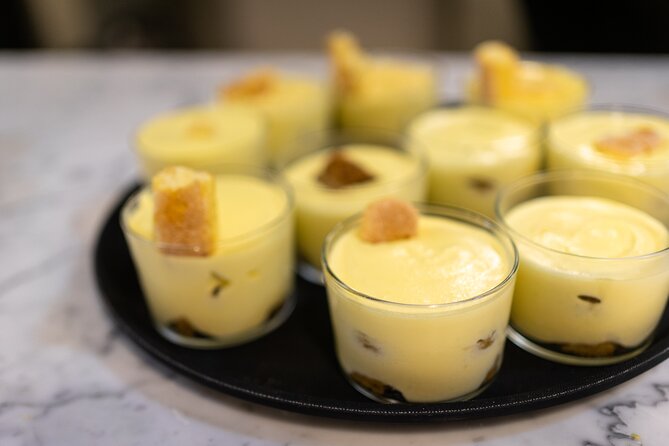
You’ll receive a digital recipe booklet at the end. This is one of the most practical inclusions in any cooking class because it prevents the classic problem: you leave with a great memory but no reliable way to recreate the result.
The recipes are built around what you made in class—egg pasta techniques, the two pasta types, and the sauce pairings—so you’re not trying to reverse-engineer your own day weeks later. It’s also easier than lugging paper around Sicily, which matters if you’re hopping neighborhoods or packing light.
If you’re cooking for friends back home, this is your cheat sheet. Even if you won’t shape pasta exactly the same way every time, you’ll have the method to get close and feel confident.
Price and Value: What You Pay For
At $60.95 per person for about three hours, you’re paying for a full cooking-and-tasting experience, not just a lecture. You get chef-led instruction, all ingredients for pasta and gelato components, aprons and utensils, plus a sit-down meal with wine.
Here’s why the value makes sense for many travelers:
- You create the food, which turns the activity into a skill-building session.
- You get multiple outputs: two pasta types, two sauces, and a gelato learning component.
- You leave with recipes, so the experience continues after you go home.
If you’re comparing this to a meal alone, the price doesn’t look crazy once you count instruction, ingredients, and the fact you’re going to understand what you’re eating. It’s also easier to justify when you’re traveling with kids, because people report that the class works for families and keeps children engaged.
Who Should Book This Class in Palermo
This works best if you want real technique, not just entertainment. You’ll enjoy it if you’re comfortable getting hands-on and you like the idea of learning flavors that match Sicilian seasonal ingredients.
It’s also suitable for vegetarians, as long as you tell them in advance. That inclusion is important—vegetarian options can feel like an afterthought in many tours, but here it’s explicitly supported.
A key caution: it’s not suitable for celiacs. If gluten is a hard no for you, don’t plan around this class. Ask for alternatives that are truly gluten-free.
Family note: the teaching style described is upbeat and supportive, and children can be part of the experience, but anyone under 18 must be accompanied by at least one adult. If that isn’t met, the participant can be excluded with no refund.
Logistics That Matter on Cooking Class Day
This class runs as a scheduled activity with no hotel pickup or drop-off included, so you’ll want to build your plan around walking or public transport to the meeting point at PalermoVia Volturno, 44.
It’s near public transportation, which helps. Still, cooking classes don’t pause for late buses, so arrive early and don’t treat it like a casual hangout.
Also remember: there’s a max group size of 20, so the flow is planned. That’s part of why it works well, and part of why you need to be on time.
If you have food allergies or intolerances, inform the provider in advance. They’ll do their best to accommodate, but celiac cases are not covered for this experience.
Should You Book This Palermo Pasta & Gelato Class?
I think you should book it if you want a fun, skills-first activity that gives you both food and understanding. The hands-on pasta dough workshop, the sauce pairing, and the gelato demonstration hit the sweet spot for travelers who like to learn while they eat. Add the small-group limit and the chef-focused teaching style, and it becomes a solid choice for individuals and families.
Skip it if you need a celiac-friendly setup, or if you’re not into getting your hands dirty. Also, be realistic about timing: arriving late isn’t allowed, so build in buffer.
If your goal is to leave Palermo not just with photos, but with techniques you’ll actually use at home, this is a strong bet.
FAQ
What’s the duration of the Palermo pasta and gelato cooking class?
It runs for about 3 hours.
Where do I meet for the class?
The meeting point is Towns of Italy at PalermoVia Volturno, 44, 90138 Palermo, Italy.
Is the class offered in English?
Yes, it’s offered in English.
Is the class suitable for vegetarians?
Yes, vegetarian options are available. You should inform the provider in advance.
Can celiacs join this cooking class?
No. This cooking class is not suitable for celiacs.
Are dietary requirements and allergies handled?
You should inform the provider in advance of any allergies or intolerances, and they’ll do their best to accommodate.
Is a meal included, and is wine provided?
Yes. You’ll enjoy a meal paired with wine, and soft drinks are available for children.
What if I need to cancel?
You can cancel for a full refund if you cancel at least 24 hours before the start time. If you cancel less than 24 hours before, the amount you paid is not refunded.