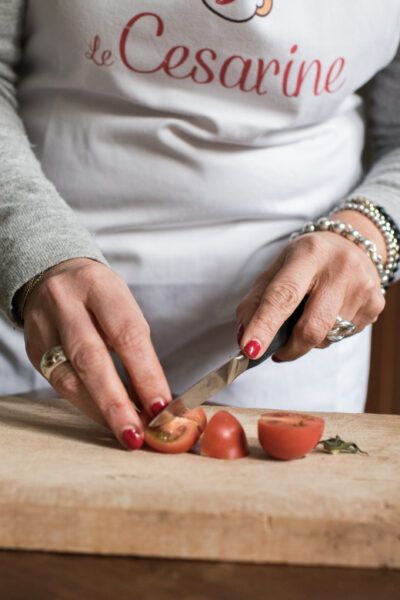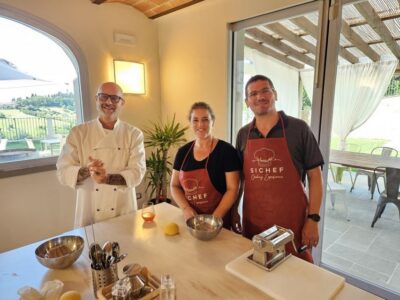
Forget pasta from a box. This is a small-group hands-on Milan class where you roll sfoglia by hand and then make tiramisù with your host. I also like the warm start with an aperitivo featuring prosecco and snacks, because it turns cooking into an evening out, not a rushed lesson. The one real consideration: the exact home location isn’t always shown upfront, so you may end up traveling a bit once your Cesarina is assigned.
I like that the class is capped at 12 people, which usually means you get real help as you mix, roll, and shape. And because Cesarine are hosting you in their own homes, you’re not stuck in a studio line of counters and timers. The dinner-style finish is another plus: you eat what you make, not just watch it happen.
In This Review
- Key things to know before you go
- Pasta and Tiramisu in Milan’s homes: what the experience feels like
- Your first stop: aperitivo with prosecco and snacks
- The main skill: rolling and working with sfoglia
- Cooking two pastas from scratch: what you’ll actually make
- The other big win: making tiramisù
- Eating what you make: aperitivo to dinner rhythm
- Group size, language, and attention from the host
- Value for money: why $155-ish can make sense
- Morning or evening class: how to choose
- Practical notes for your visit (and what to expect in the home)
- Should you book the Cesarine Pasta and Tiramisu class in Milan?
- FAQ
- What will I cook during the class?
- How long is the Pasta and Tiramisu class in Milan?
- Is this a small-group experience?
- Is the class offered in English?
- Do you get an aperitivo before cooking?
- Can I cancel and get a full refund?
Key things to know before you go
- Aperitivo first: prosecco and snacks to get you in the mood
- Roll sfoglia by hand: you practice real dough work, not only assembly
- Two pasta projects: you’ll cook from scratch with your host’s guidance
- Tiramù is part of the deal: you leave with a dessert you can repeat later
- Small group (max 12): more attention, fewer people competing for questions
- English is available: you can follow the steps without guesswork
Pasta and Tiramisu in Milan’s homes: what the experience feels like
In Milan, you’ll find pasta everywhere. This class is different because it happens in a real home, with a real Cesarina guiding you step-by-step. That matters. Cooking with someone who lives here tends to focus on the details you actually need: how dough should feel, how to know when it’s right, and how to move from ingredients to a plate that looks like it belongs on a Milan table.
You’ll get the experience as an evening meal experience. It starts with an aperitivo—typically prosecco and snacks—so you’re not showing up hungry and tense. It’s a small thing, but it changes the vibe. You arrive, relax, get instructions, then cook at a comfortable pace. Reviews mention hosts like Guliana, Sissi, Sandra, and Debora, and the common thread is clear: a friendly home welcome, practical teaching, and time to talk while you work.
The group size is max 12. That usually means you won’t be watching from the sidelines. You’ll handle dough, taste as you go, and get feedback when your shapes are a little off. If you’re traveling with kids or you just learn best by doing, this format is one of the best ways to learn Italian cooking without it turning into homework.
You can also read our reviews of more tours and experiences in Milan.
Your first stop: aperitivo with prosecco and snacks
This is not a cold start. You begin with an aperitivo, including prosecco and snacks. That sets expectations fast: you’re here for an evening, not just a 9-to-5 cooking session.
Practically, this helps your cooking flow. Fresh pasta can be temperature-sensitive and timing matters once you start. If you’re already relaxed, you’re more likely to pay attention to what the dough is telling you. If you’re the type who gets flustered in kitchens, the aperitivo is a built-in buffer.
From the reviews, the drinks experience can be more than just prosecco. Some classes include a well-chosen red wine, and a couple of hosts mention extras like limoncello. You should expect at least prosecco and snacks, and you might get additional pairings depending on your host.
The main skill: rolling and working with sfoglia
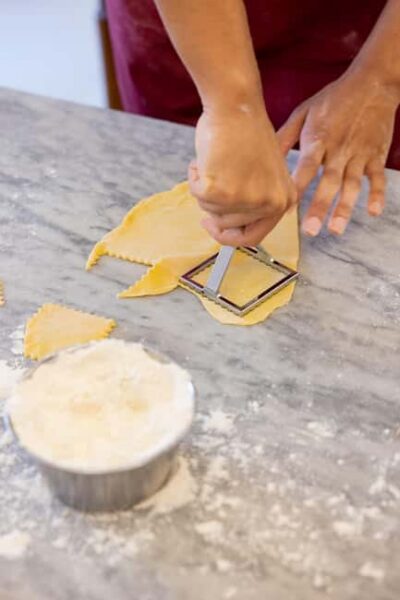
The centerpiece is sfoglia, the fresh pasta dough you roll by hand. You’re not just cutting and boiling. You learn how to roll the dough so it becomes thin, even, and flexible enough for what you’re making next.
Why this is valuable: most cooking classes stop at sauce and assembly. Learning dough handling is what lets you understand why Italian pasta tastes different. You’ll feel the dough change as you work it—when it’s too dry, too soft, or needs more time. Then you’ll see how that same dough cooks and eats.
I also like that this class makes “hands-on” more than a marketing phrase. Reviews describe it as a focused teaching experience where the host watches what you’re doing, corrects small errors, and keeps you moving forward.
A tip for you: treat sfoglia like a skill, not a product. Your first pass might not look perfect. That’s normal. The real goal is learning the feel—how to roll, how to handle the sheet without tearing, and when to slow down to avoid overworking.
Cooking two pastas from scratch: what you’ll actually make
You’re taught two simple different kinds of pasta from scratch. The class structure is built around learning, practice, and then sitting down to enjoy what you made.
The menu examples include regional options like pizzoccheri, risotto, or lasagna, but the key point is this: you’ll do two pasta preparations with your hands in the process. Reviews also highlight ravioli-style work in at least some sessions, which fits the idea that you’re not only rolling—there’s shaping and finishing too.
Here’s what you should expect as you go:
- You start with dough work (sfoglia) and learn the basics of rolling and working it.
- You move into assembling a second pasta concept—likely something shaped or layered—so you understand pasta as both a dough skill and a format skill.
- You cook and then taste your own results, with guidance on what matters most.
No cooking lesson stays perfect in memory unless you can repeat it at home. A home-style class often sticks because the steps are human-scaled. You’ll remember what to watch for, not just what to do.
The other big win: making tiramisù
Then comes dessert: tiramisù. This is the moment where a lot of classes win or lose. It’s easy to explain tiramisù as ingredients, but it’s harder to teach timing and texture.
In a Cesarine class, the expectation is that you make it with your host guiding you. That means you’ll understand how to handle the components so you get the right balance between cream and structure.
From reviews, the tiramisù is consistently described as excellent—sometimes described as perfect or flawless. Even if your first attempt isn’t identical, you’ll leave with enough clarity to make a reliable version later.
One practical advantage: dessert gives you a “finished line.” Pasta classes can feel like a never-ending cycle of dough, sauce, and cooking. Dessert turns the evening into a full meal story.
Eating what you make: aperitivo to dinner rhythm
After cooking, you sit down to enjoy your creations. This matters more than it sounds. A class where you make food but don’t eat it leaves you with half the experience. Here, the structure ends with you taking part in the meal as the point.
Reviews mention table settings like China plates and silverware, and hosts set the tone like they’re welcoming friends over. That changes how you perceive the food. You’re not just tasting; you’re participating in a ritual: drink, conversation, cooking effort, then dinner.
You’ll likely have enough to feel full when you leave. The class is about quality and hands-on work, not just small bites. One review even says everyone left well fed, which matches the “cook plus eat” format.
Group size, language, and attention from the host
With max 12 people, your host can actually keep track of your progress. That’s a huge deal in cooking classes. In bigger groups, you get one demo and then you fend for yourself. In smaller groups, the host can correct your rolling thickness, help with shaping, and troubleshoot mistakes while they’re still easy to fix.
English is offered. In practice, that means you’ll get clear instructions and be able to ask questions. Reviews mention that some hosts speak reasonable English, and when needed, their family members help translate. So even if English isn’t perfect for a host, the communication seems designed to keep you cooking.
If you’re traveling with kids, this format can work well. Several reviews mention it as kid friendly because the focus is on the activity itself: making, shaping, and tasting real ingredients.
Value for money: why $155-ish can make sense
At about $155.42 per person for roughly 3 hours, you’re paying for more than ingredients. You’re paying for:
- Small-group instruction (max 12)
- A home setting rather than a commercial kitchen
- Time with a Cesarina who teaches the steps while you work
- The full meal structure: aperitivo, pasta, and dessert
If you’ve done city food tours where you only sample, this class gives you something you can recreate. That’s the real “value” part. You’re not just eating. You’re learning a skill—sfoglia handling and pasta preparation—that turns future meals into your own project.
Also, these classes are popular enough that booking is typically made about 39 days in advance on average. That’s a sign the dates fill, and it’s another reason to reserve early if you want a specific morning or evening slot.
Morning or evening class: how to choose
The class is offered in either the morning or the evening. Choose based on your travel rhythm.
- If you want the most social, “Milan evening” feel, go for the evening option. Aperitivo and dinner timing will feel natural.
- If you’re short on nightlife time or you prefer earlier plans, a morning class can still teach the full pasta and tiramisù process—just in a different day rhythm.
Either way, you’re here for 3 hours, so it’s a good anchor activity. It’s long enough to feel like a real experience, but not so long that it crushes your day.
Practical notes for your visit (and what to expect in the home)
This experience starts and ends in Milan, with the meeting point near public transportation. You’ll get a mobile ticket.
Because this is a home-based experience, the host may follow specific sanitary rules. The class notes mention guests should maintain 1 meter distance when possible. If distancing isn’t feasible, masks and gloves may be needed. The homes provide essential sanitary equipment like hand sanitizer and paper towels for washing hands.
If you’re the type who worries about etiquette in someone’s home, you’ll be fine. Reviews emphasize that Cesarine are careful, attentive, and welcoming. Expect a normal home-kitchen workflow, with you learning at the pace your host sets.
One more practical consideration: the exact address or location may be shared later rather than immediately. That can affect how far you need to travel once assigned. If you’re planning tight connections, build a little buffer so you don’t feel rushed.
Should you book the Cesarine Pasta and Tiramisu class in Milan?
Yes—if you want a hands-on Milan food experience you can actually repeat at home. The combo of sfoglia practice, cooking two pasta types from scratch, and finishing with tiramisù is a full, satisfying lesson. The small-group size and the home setting make it feel personal, not scripted.
Skip it (or think twice) if you hate uncertainty about exact location. Since the home address can be revealed later, you might end up farther than you expect once your Cesarina is assigned. Also, if you want a purely tourist-style walkthrough with lots of sightseeing, this isn’t that. This is a cooking evening in a local home.
If you’re flexible, hungry, and curious about how Italians actually handle fresh pasta, this is one of the more rewarding ways to spend a few hours in Milan.
FAQ
What will I cook during the class?
You’ll learn to roll fresh pasta (sfoglia) by hand and prepare two simple different kinds of pasta from scratch. Dessert included is tiramisù.
How long is the Pasta and Tiramisu class in Milan?
The class lasts about 3 hours.
Is this a small-group experience?
Yes. The group size is capped at a maximum of 12 travelers.
Is the class offered in English?
Yes, the class is offered in English.
Do you get an aperitivo before cooking?
Yes. The experience starts with an aperitivo, including prosecco and snacks.
Can I cancel and get a full refund?
Yes. You can cancel for a full refund if you cancel at least 24 hours before the experience starts.