REVIEW · SICILY
Cesarine: Small group Pasta and Tiramisu class in Siracusa
Book on Viator →Operated by Cesarine: Cooking Class · Bookable on Viator
Cooking with locals beats guessing in restaurants.
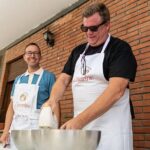
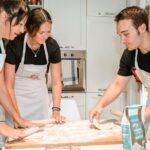
This Cesarine class in Siracusa turns pasta and tiramisu from just menu items into hands-on lessons in a real home kitchen. I like the setup because you warm up with an Italian aperitivo first, then you cook, taste, and slow down with the dishes you make. I also like that it’s capped at a small maximum of 12 travelers, so you can ask questions and get personal guidance.
The main thing to consider is that this is a home-based experience, so space and timing can feel more “kitchen busy” than a big commercial classroom. If you’re expecting a staged show, this is more practical and food-focused than performance-heavy.
In This Review
- Why Cesarine’s Siracusa Class Feels Like Real Sicilian Cooking
- Key Things I’d Bet You’ll Care About
- The 3-Hour Flow: Aperitivo, Cooking, Then Tasting
- What to watch for during the cooking
- Maria Rita and Silvia: Hosts Who Teach the Nuance
- Why the View from a Home Kitchen Actually Matters
- What You Eat and Drink: Pasta, Tiramisu, and Local Wine
- Dietary options you should plan around
- Small Group Size: Max 12 for a Reason
- Price and Value: Is $162.21 Reasonable
- Booking pace is a clue
- Where You Meet in Syracuse and How to Get There
- Mobile ticket convenience
- Language: English Instruction, Clear Food Focus
- Who This Class Is Best For
- Quick Practical Tips Before You Go
- Should You Book Cesarine: Small Group Pasta and Tiramisu in Siracusa?
- FAQ
- How long is the Pasta and Tiramisu class in Siracusa?
- Where does the class start and end?
- What language is the class taught in?
- How big is the group?
- What’s included in the experience?
- Are vegetarian or gluten-free options available?
- Do you get a ticket on your phone?
- How far in advance do people usually book it?
- What is the cancellation policy?
Why Cesarine’s Siracusa Class Feels Like Real Sicilian Cooking
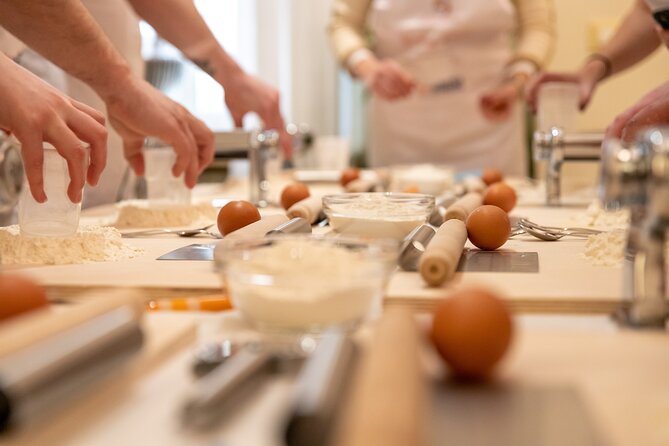
In Siracusa, it’s easy to eat well. Learning how people actually cook at home is harder. That’s what makes this class appealing: you’re not just watching ingredients get assembled, you’re learning techniques and how the rhythm of Sicilian cooking works in someone’s everyday kitchen.
The class is designed for people who want the how, not just the what. You’ll learn to make two icons: pasta and tiramisu. And you do it under the direction of an expert home cook who shares family-style methods, not textbook theory.
You’ll also get a built-in social moment. The aperitivo warm-up keeps things relaxed before the work starts. Afterward, the tasting part matters because you’re judging your own results, side by side with what you learned.
Key Things I’d Bet You’ll Care About
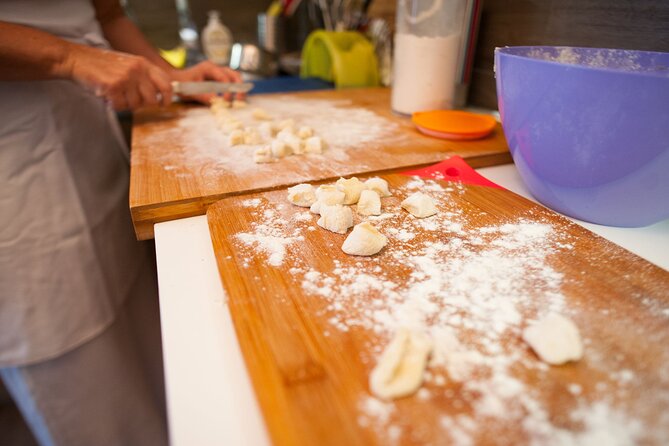
- Hands-on pasta and tiramisu in a local home, guided step by step
- Italian aperitivo to start, so the mood is friendly before cooking
- Maximum 12 travelers, which usually means more attention and fewer lines
- Wine, water, and coffee included with the meal you prepare
- Vegetarian and gluten-free options available, so you’re not stuck guessing
You can also read our reviews of more tours and experiences in Sicily.
The 3-Hour Flow: Aperitivo, Cooking, Then Tasting
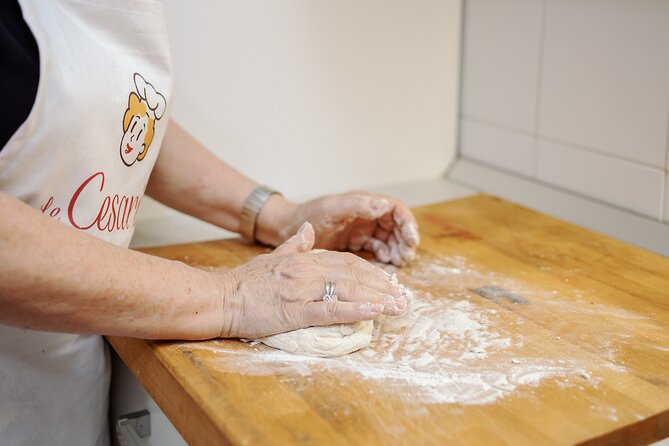
This experience runs about 3 hours, so it’s short enough to fit into a busy Syracuse day. You’re not signing up for a half-day project, but you’re also not in and out in a hurry.
It begins with an Italian aperitivo. This isn’t just a sip-and-smile add-on. It’s a pacing tool that gets you comfortable, lets you meet your host, and gives you a warm-up while everyone settles in.
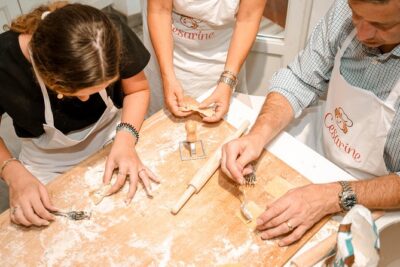
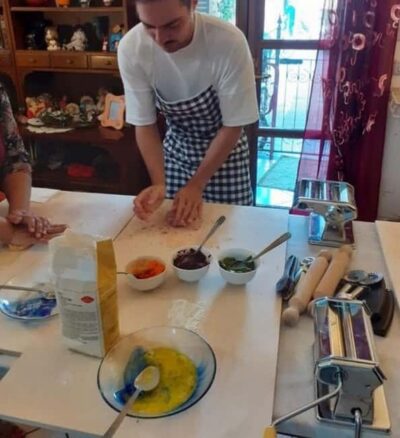
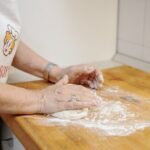
Then the cooking part takes over. Expect a guided, hands-on format where you learn by doing, not by watching from the sidelines. Pasta and tiramisu both require attention, so you’ll get the sense that the cook’s family habits really matter: timing, textures, and the small decisions that affect the final result.
At the end, you taste everything you prepared. That tasting is paired with a selection of local wines, plus water and coffee. In practice, this turns the class into an actual meal, not a demo that ends with leftovers.
What to watch for during the cooking
Since this is a home kitchen, the pace can feel more natural than overly timed. I’d plan to stay engaged rather than treat it like a photo-op. If you come with curiosity, you’ll get more out of the explanations and corrections.
Maria Rita and Silvia: Hosts Who Teach the Nuance
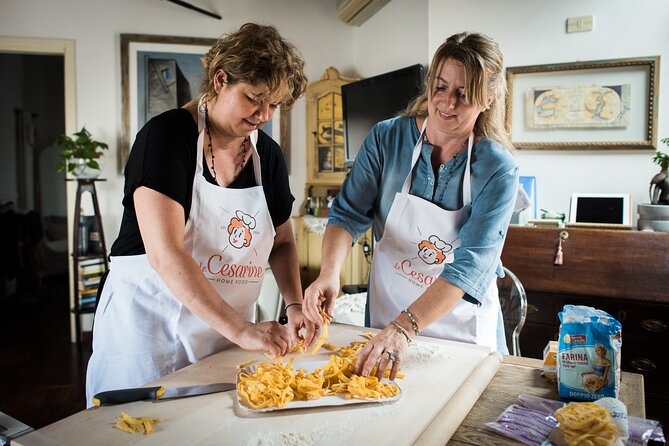
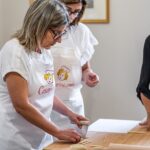
Two names show up in the strongest feedback: Maria Rita and Silvia. Both are described as welcoming, and that matters more than people think. When someone treats you like part of the family, you’re more willing to ask questions and try again if something doesn’t look right.
Maria Rita is noted for clear demonstration and a smooth transition from instruction to hands-on making. Silvia is highlighted for how much room there is for questions and for understanding the nuances of Sicilian cooking.
What I like in both impressions is that the class isn’t just about getting to a finished pasta and tiramisu. It’s about understanding why the steps work. That’s what lets you repeat the results later.
Why the View from a Home Kitchen Actually Matters
One review specifically calls out the amazing view from the home. That might sound like a nice extra, but it changes the feel of the whole session. You’re not cooking in a detached, windowless room where time feels artificial.
Even if the view isn’t the main reason you book, it adds something practical: it helps the space feel memorable. Cooking classes can blur together. A setting like this makes it easier to remember the techniques and the moment.

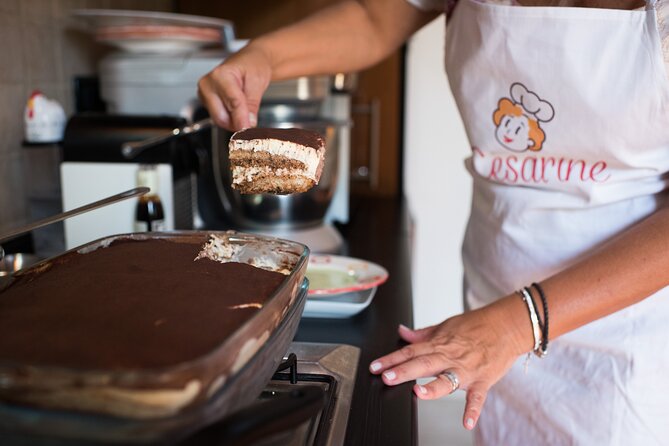
What You Eat and Drink: Pasta, Tiramisu, and Local Wine
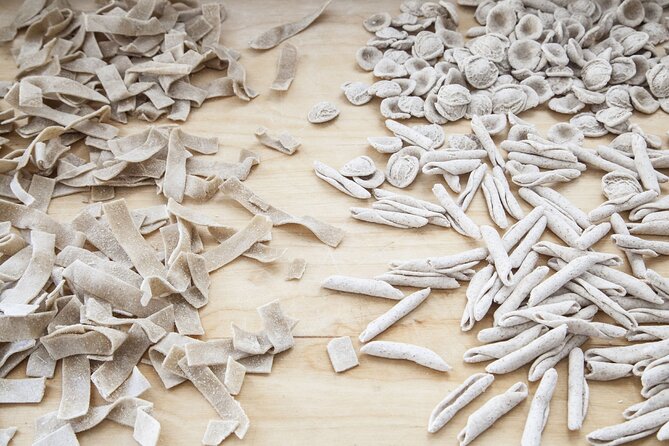
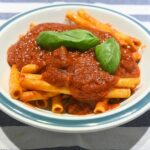
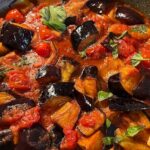
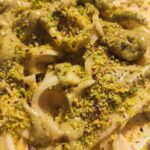
This class centers on two dishes. The point is not just that you’ll taste them. It’s that you’ll build them with guidance and then eat what you made.
Your meal ends with a selection of local wines, water, and coffee included. That inclusion is part of the value equation. In many cooking experiences, you pay for food and drink on top of the class. Here, it’s bundled into the experience of eating your way through the results.
Dietary options you should plan around
You can request vegetarian and gluten-free options. Since the class is hands-on, it’s smart to indicate dietary needs at booking so the host can plan the right approach.
One caution: don’t wait until the last minute to ask. Cooking adaptations can require prep on the kitchen side, and earlier communication reduces stress for everyone.
Small Group Size: Max 12 for a Reason
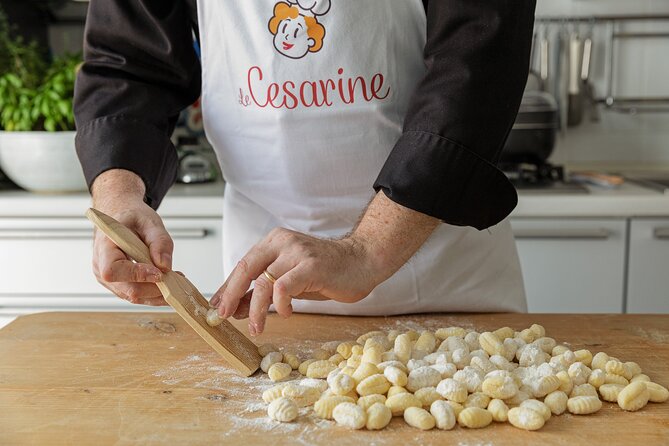
The class caps at 12 travelers, which is the sweet spot for a home-based cooking lesson. Too small can limit the energy. Too large turns everything into a rushed assembly line. This size keeps it conversational.
Practically, small group also helps with learning. When you’re shaping pasta and assembling tiramisu, you want the host to notice details. With fewer people in the kitchen, you’re more likely to get feedback when something is off.
This is also one reason the class can feel less like a tour and more like a shared evening centered on food.
Price and Value: Is $162.21 Reasonable
At $162.21 per person, this isn’t a budget activity. But it also isn’t just a tasting. You’re paying for instruction, ingredients used during the class, and a full sit-down tasting with local wines, water, and coffee.
I look at it like this: you’re effectively buying (1) a guided lesson with an expert home cook, (2) two major dishes you can recreate, and (3) a meal component that often costs extra when you’re paying restaurant prices separately.
If you’re the type who likes bringing one or two skills home, you’ll likely feel the value faster than if you just want a quick bite. And because it’s in a home setting, you’re buying the feeling of authenticity, not just the food.
Booking pace is a clue
This experience is often booked about 71 days in advance on average. That tells me demand is steady. If you have travel dates in mind for Siracusa, it’s smart to book earlier rather than treat it as a last-minute option.
Where You Meet in Syracuse and How to Get There
The start point is in Syracuse (listed as 96100 Syracuse, Free municipal consortium of Syracuse, Italy), and the activity ends back at the meeting point.
It’s also near public transportation, which helps if you don’t want to plan a car or taxi for only three hours. Still, I suggest building a little buffer into your schedule. Home meeting points can be easier with a calm arrival, especially if you’re trying to find the right building.
Mobile ticket convenience
You’ll receive a mobile ticket. That’s helpful for getting in quickly, especially if you’re juggling plans around the city.
Language: English Instruction, Clear Food Focus
The class is offered in English. That matters because cooking instruction is full of tiny, practical details: texture checks, timing cues, and small adjustments. When the teaching language matches yours, you avoid losing meaning at the exact moments that make the difference.
Even if your Italian is basic, you’ll be fine. The class is built to support English-speaking guests, and the host’s job is to guide you through the steps you need.
Who This Class Is Best For
This is a strong fit if you want more than dinner in Siracusa. It’s ideal for:
- Food lovers who enjoy learning techniques, not just tasting
- Couples and small groups who like a calmer, more personal setting
- Travelers who want a hands-on Sicilian experience without the long travel time
It can also work well for people with dietary needs because vegetarian and gluten-free options are available. Just be sure to communicate needs clearly when booking.
If you hate kitchens, flour, or hands-on learning, you might find it stressful. But if you enjoy getting involved, this is exactly the kind of class that turns travel memories into something practical.
Quick Practical Tips Before You Go
You’ll be cooking, so plan for that energy. I’d wear something you’re comfortable with getting messy, and I’d keep a small towel or wipes in mind if you’re the sort who likes to clean as you go.
Because you’ll be tasting with wine and coffee included, pace yourself. If you’re also planning to go out afterward, consider keeping the rest of your evening gentle.
And since the class ends where you start, plan your nearby dinner plans accordingly. You don’t want to rush right after the final coffee unless your schedule is flexible.
Should You Book Cesarine: Small Group Pasta and Tiramisu in Siracusa?
Book it if you want a high-satisfaction food experience with hands-on teaching, a small group size (max 12), and a meal that ends with local wines, water, and coffee. The strongest feedback points to hosts like Maria Rita and Silvia delivering clear instruction and making questions easy, which is exactly what you want in a cooking class.
I’d skip or think twice if you want a purely sightseeing tour, or if you strongly prefer large, polished venues over a home kitchen vibe. This experience is about food work, not spectacle.
If your goal is to leave Siracusa with pasta and tiramisu skills you can recreate, this one is a solid choice.
FAQ
How long is the Pasta and Tiramisu class in Siracusa?
The class lasts about 3 hours.
Where does the class start and end?
It starts at 96100 Syracuse, Free municipal consortium of Syracuse, Italy, and ends back at the meeting point.
What language is the class taught in?
The experience is offered in English.
How big is the group?
The maximum group size is 12 travelers.
What’s included in the experience?
You’ll have an Italian aperitivo, cook and taste the pasta and tiramisu you make, and enjoy local wines, water, and coffee.
Are vegetarian or gluten-free options available?
Yes, vegetarian and gluten-free options are available.
Do you get a ticket on your phone?
Yes, it includes a mobile ticket.
How far in advance do people usually book it?
On average, it’s booked 71 days in advance.
What is the cancellation policy?
You can cancel for a full refund if you cancel at least 24 hours before the experience starts.