REVIEW · SICILY
Palermo: Pasta and Tiramisu Small Group Cooking Class with Wine
Book on Viator →Operated by The Roman Food Tour - Food Tour Rome · Bookable on Viator
Sicily tastes better with your own hands. This small-group Palermo class gets you cooking in an authentic restaurant kitchen, starting with a welcome glass of Prosecco and ending with a shared meal. I love that it’s hands-on from dough to dessert, not just watching someone else work.
Next, you’ll get real guidance on making pasta dough and building tiramisu step by step, with an English-speaking instructor and a capped group of up to 12. It also helps that you can pair the meal with complimentary wine and soda, so you’re not stuck guessing what goes with what.
One thing to consider: it’s not designed for everyone’s diet. The traditional recipes contain gluten, dairy, and eggs, and while substitutes are possible, cross-contamination can’t be guaranteed, so check your needs carefully before you book.
In This Review
- Key things to know before you cook
- Welcome Prosecco and a Real Restaurant Kitchen in Palermo
- The Small Group Setup (Max 12) That Makes Cooking Actually Work
- Making Fresh Pasta Dough: Flour, Technique, and the Fresca vs Secca Lesson
- Ravioli and Fettuccine: Cooking Skills You Can Repeat at Home
- Tiramisu Workshop: The Dessert Step-by-Step Everyone Can Master
- Wine and Soda With Your Meal: Pairing Without the Head-Scratch
- Where the Real Value Lives: Learning, Not Just Eating
- Dietary and Allergy Reality Check Before You Go
- Who This Palermo Cooking Class Fits Best
- Should You Book This Pasta and Tiramisu Class in Palermo?
- FAQ
- How long is the cooking class?
- How much does the Palermo pasta and tiramisu class cost?
- What group size should I expect?
- Is the class taught in English?
- What do I make during the class?
- Is wine included?
- Where does the class start and end?
- Is this class suitable for vegans or people with allergies?
- What is the cancellation policy?
Key things to know before you cook
- Up to 12 people means you actually get time at the stations, not just a seat at the back
- Prosecco at the start sets the mood, and wine plus soda are part of the meal
- Pasta dough gets taught clearly, including how flour choice and technique affect the end result
- You’ll learn fresca vs secca so you understand what you’re making, not just how to do it
- Tiramisu is built with a method, not shortcuts, so you can repeat it at home
- Traditional recipe limits dietary options, especially for egg, lactose, gluten, and vegan needs
Welcome Prosecco and a Real Restaurant Kitchen in Palermo
The experience starts right at the meeting point on Carlo VPiazza Bologni, 22, Palermo (90100). You’ll head inside to get a welcome glass of Prosecco before you go behind the scenes. The format is simple: you’ll get oriented, then you’ll move into the kitchen where the cooking is set up for a class.
What I like about this opening is how it quickly shifts you from tourist mode into eat-the-city mode. You’re not learning Italian cooking from a demo table miles away. You’re stepping into how an Italian restaurant works day to day: stations, timing, and people working together.
The class runs about 3 hours, and it’s offered in English, which makes a big difference in a hands-on setting. You can ask questions, clarify steps, and follow the process without relying on translation.
One practical plus: the meeting point is near public transportation. That matters in Palermo, where getting to “the right corner” can be half the battle. You’ll finish back at the meeting point too, so you’re not stuck figuring out how to get home right after a wine-filled meal.
You can also read our reviews of more tours and experiences in Sicily.
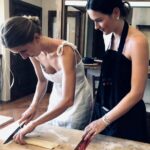
The Small Group Setup (Max 12) That Makes Cooking Actually Work
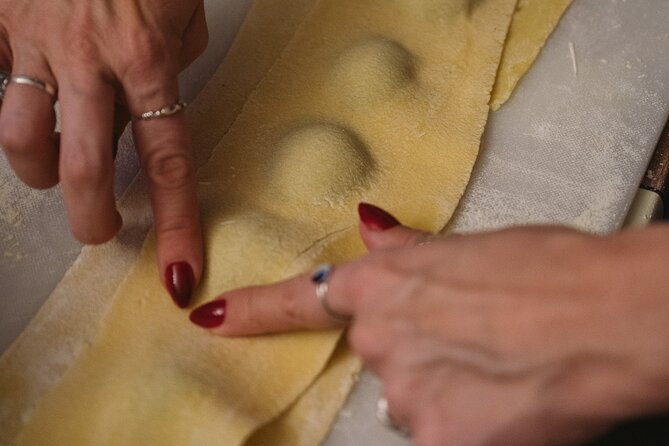
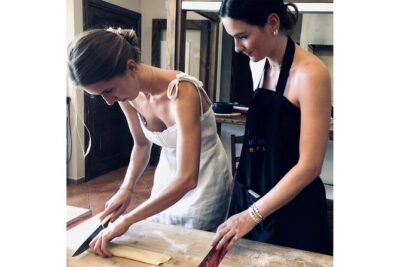
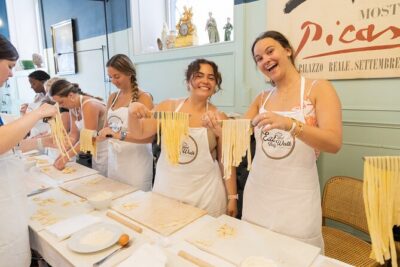
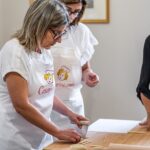
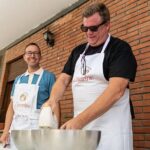
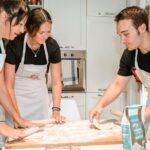
This is capped at 12 travelers, and you feel it in the way the class flows. With a smaller group, you’re more likely to have a workstation where you can actually practice the steps—mixing, rolling, shaping, and assembling—rather than simply watching.
The group size also helps the social side. You’ll sit together at the end to eat what you made, and the pace stays friendly. If you’re traveling solo, this kind of setup can be a low-pressure way to meet people without forcing it. The class format does the mixing for you.
In Palermo, where you might be moving between churches, markets, and busier streets, this is a nice change. After a day of walking, you get a guided “slow down and focus” activity—follow steps, taste, adjust, and then eat the results.
Making Fresh Pasta Dough: Flour, Technique, and the Fresca vs Secca Lesson
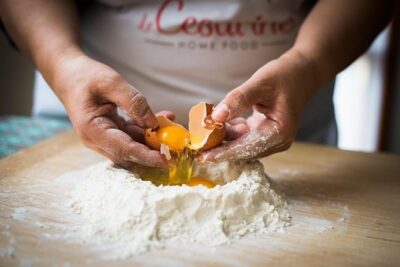
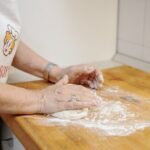
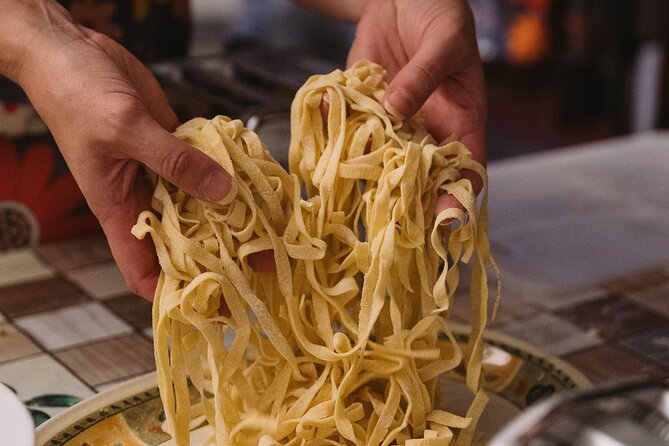
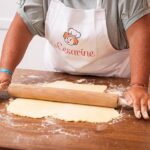
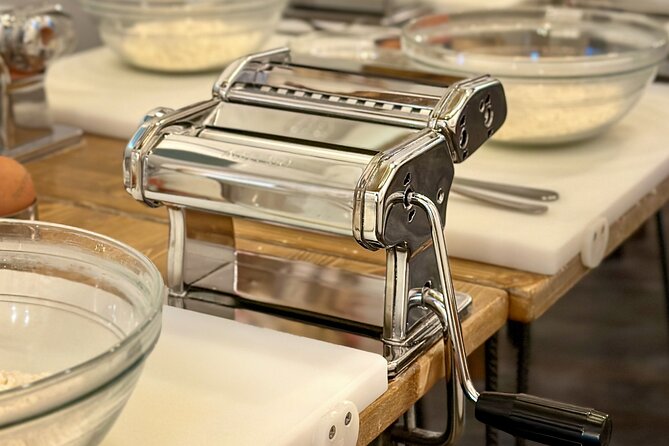
The cooking part is where the value really shows. You’ll start with fresh pasta dough and receive step-by-step guidance on how to make it right. You’ll learn what type of flour to use and why flour matters for texture and handling. And you’ll get the difference between pasta fresca and pasta secca explained in a way you can feel in your hands.
That fresher-vs-drier distinction matters because it’s not just trivia. It tells you why certain pasta holds sauce better, why certain doughs behave differently, and why some noodles are better for immediate cooking while others are designed for longer storage. You leave with a “why,” not only a “do this then that.”
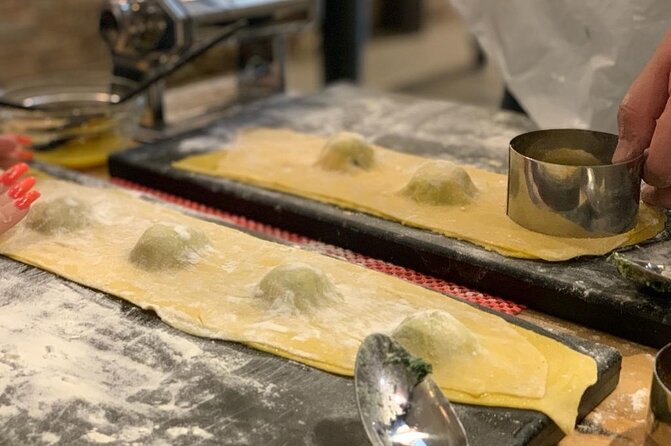
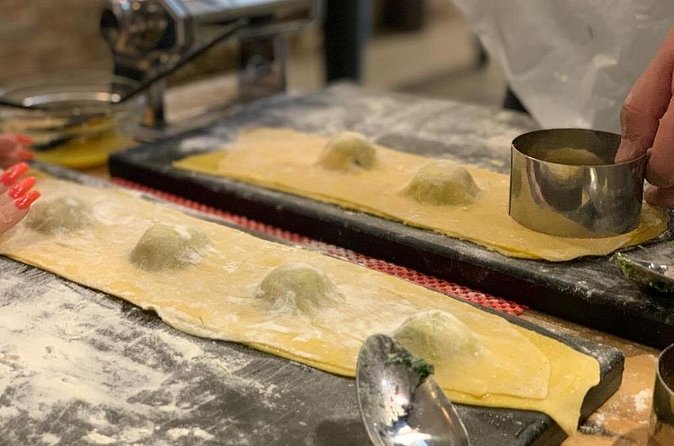
You’ll then move on to shaping and preparing regional favorites. The class centers on making two types of pasta, including a ravioli option and a fettuccine-style dish. In practice, that means you’re learning more than one pasta technique, which is great if you want variety in your at-home results.
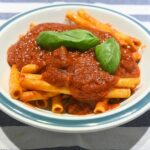
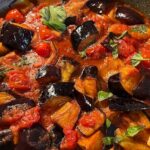
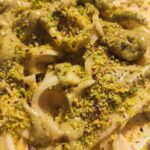
Your meal plan reflects what you’re learning. The sample pasta includes fettuccine with tomato sauce, plus ravioli with ricotta and spinach with butter and sage. That’s a classic Sicilian-leaning combination: savory filling, aromatic herbs, and a sauce profile that doesn’t hide behind heavy flavors.
If you’re the kind of traveler who likes to eat well but also wants to recreate meals later, this section is the heart of the day. Fresh pasta can be intimidating until someone walks you through dough consistency and handling—and then it suddenly clicks.
Ravioli and Fettuccine: Cooking Skills You Can Repeat at Home
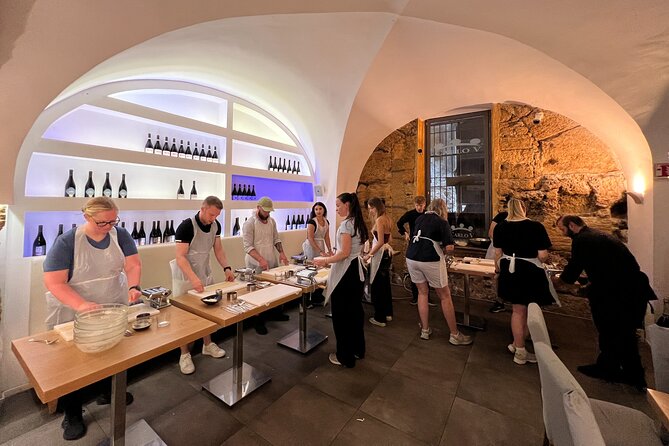
You won’t just mix ingredients and call it done. This class pushes into the “make it real” steps: dough preparation, shaping, and building the pasta into finished dishes.
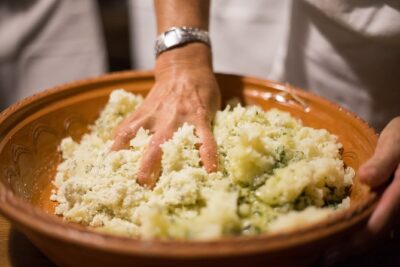
Ravioli teaches patience and precision. You’ll see how the dough thickness and sealing matter, and you’ll understand how a filling like ricotta and spinach needs balance—enough seasoning so it tastes complete, but not so heavy that it overwhelms the pasta.
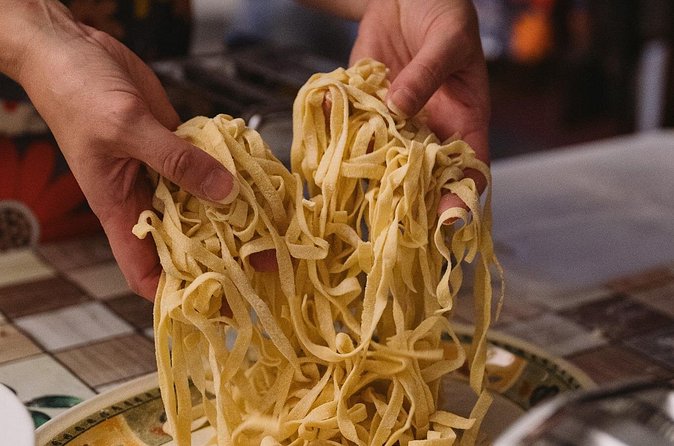
Fettuccine teaches a different lesson: even dough and clean cutting matter for cooking time and how sauce clings. When you eat it afterward, you can connect the technique to the result. It’s easier to remember a method when you tasted its payoff.
Also, you’ll likely get recipes to take home. One of the repeat highlights is that people leave with instructions for recreating what they made, which is how this kind of class becomes more than a one-time meal.
Tiramisu Workshop: The Dessert Step-by-Step Everyone Can Master
After pasta, you switch gears to dessert: tiramisu. The class doesn’t treat tiramisu like magic. You learn it as a method: how to build the layers and how to bring the cream and components together so the final texture works.
Tiramisu is one of those desserts that can go wrong in small ways—too wet, too dry, uneven layers. A guided class helps because you’re not guessing when something is set, when it needs a bit more time, or how to handle the assembly.
This is also a dessert with payoff. You make it, you see how it’s supposed to look, and then you eat it in the same sitting as your pasta. That makes it easier to understand what you changed and what you should repeat next time.
In a small group, dessert time often feels relaxed. You’re winding down, you can taste and talk, and it’s a strong closer to a busy 3-hour session.
Wine and Soda With Your Meal: Pairing Without the Head-Scratch
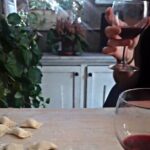
The end of the class is a sit-down lunch or dinner where you eat what you cooked. While you’re eating, you’ll sip complimentary wine and also have non-alcoholic beverages available. You’ll have access to Prosecco, plus red wine and white wine options, along with soda.
The practical win here is simple: pairing is built into the experience. You don’t need to ask a server which wine fits ravioli and tomato sauce; you’re given a choice and invited to enjoy it with your meal.
It also makes the whole thing feel more like an evening at an Italian restaurant than a cooking demo. You’re not just learning. You’re celebrating what you made.
If you’re someone who likes to try Sicilian wines, this is also a good moment to experiment a little—within the limits of what’s offered. Just pace yourself; you’re cooking first, then dining, and it’s a full few hours.
Where the Real Value Lives: Learning, Not Just Eating
At $83.48 per person for about 3 hours, you’re paying for more than ingredients. The value is in three areas:
1) Instruction time and guidance. Pasta dough and tiramisu both benefit from step-by-step teaching. You’re paying for a real process, not just access to a kitchen.
2) A meal that’s included and tied to your work. You cook fresh pasta and dessert, then sit down to eat them. That’s usually what people want from a cooking class, but here it’s built into the structure.
3) An experience that includes drinks. A welcome Prosecco plus wine and soda with the meal adds a lot of comfort value. You get the social, “Italian night” feeling without trying to budget wine separately.
Also, this is commonly booked ahead—on average about 20 days in advance. That’s often a sign of a stable format and consistent demand. If you’re traveling in a busy stretch, booking earlier helps you lock in a spot.
Dietary and Allergy Reality Check Before You Go
This class is traditional, and that matters. It’s not recommended for:
- People with egg allergy
- People who are vegan
- People with lactose intolerance
- People who are gluten intolerant or allergic
There are substitutes for allergies and preferences, but the class instructions always focus on the traditional recipe containing gluten, dairy, and eggs. And they can’t guarantee 100% freedom from cross contamination.
So here’s my practical advice: if you have any serious allergy risk, treat this as a “confirm first” situation. If you’re not sure what can be made safely for you, message ahead and ask about your exact needs. Don’t assume a substitute will make it equivalent or allergy-safe.
If your restrictions are more flexible (for example, you can sometimes handle small amounts of dairy or you’re simply trying to eat lighter), you might still be able to enjoy it. But the safest choice is to plan around the traditional ingredients unless you’ve confirmed accommodation details.
Who This Palermo Cooking Class Fits Best
This is a great fit if you want:
- A hands-on food-focused experience in Palermo
- A small group where you can learn technique and then eat right away
- English support if you don’t want to rely on gestures
- A fun, social activity that also gives you something to recreate at home (especially pasta method and tiramisu assembly)
It’s also a solid pick for solo travelers. The capped group and shared meal naturally create conversation without requiring you to “break the ice” alone.
It might be a poor fit if you need vegan options, are lactose intolerant, have a gluten allergy, or have an egg allergy. For those cases, the ingredient profile and cross-contamination note are major factors.
Should You Book This Pasta and Tiramisu Class in Palermo?
Yes, you should book it if you want an evening that turns cooking into a real skill you can use again. The combination of fresh pasta technique, a guided tiramisu method, and a shared sit-down meal with wine makes it feel like both an education and a proper dinner.
I’d pass or at least double-check first if your dietary needs are strict. The class is designed around traditional recipes with gluten, dairy, and eggs, and they can’t promise full cross-contamination safety.
Finally, if you’re the kind of traveler who loves Sicily through food, this is a simple way to get more than a meal. You get the process. And in a cooking class, that’s what lets you keep the trip alive long after you leave the kitchen.
FAQ
How long is the cooking class?
It runs for about 3 hours (approx.).
How much does the Palermo pasta and tiramisu class cost?
The price is $83.48 per person.
What group size should I expect?
The class has a maximum of 12 travelers.
Is the class taught in English?
Yes, it’s offered in English.
What do I make during the class?
You’ll learn to prepare fresh pasta dishes and tiramisu.
Is wine included?
Yes. You’ll start with a welcome glass of Prosecco, and wine plus soda are available with your meal.
Where does the class start and end?
It starts at Carlo VPiazza Bologni, 22, 90100 Palermo PA, Italy, and ends back at the meeting point.
Is this class suitable for vegans or people with allergies?
It’s not recommended for vegans, lactose intolerants, people with egg allergy, or people who are gluten intolerant/allergic. Substitutes may be offered, but the traditional recipe instructions always focus on gluten, dairy, and eggs, and cross-contamination cannot be guaranteed.
What is the cancellation policy?
You can cancel for free up to 24 hours in advance for a full refund. If you cancel less than 24 hours before the start time, you won’t receive a refund.