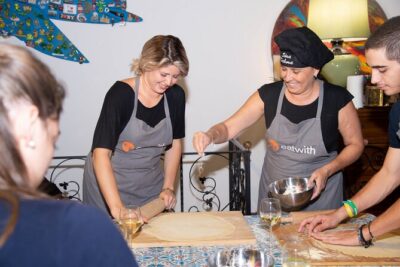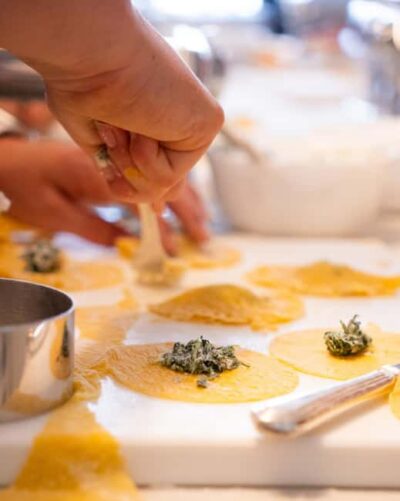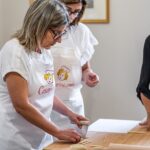
There’s something special about making fresh local pasta outside, with Sicily on all sides. This 2.5-hour class at Teresa’s place focuses on hands-on technique, simple family gestures, and flavors built from local ingredients and seasonal flours. You’ll form four types of pasta and learn how the sauces change the whole story.
Two things I really like: you’re involved in every step (not just watching), and you leave with practical take-homes like a list of local sauces plus recipes you can use again later. One thing to consider is that the class uses flours that contain gluten, so it’s not the right fit if you avoid it.
In This Review
- What Makes This Pasta Class Different
- Arriving in Arenella: The Garden Setting and the Warm Welcome
- The Lesson Flow: Four Pastas, Traditional Hands, Real Skills
- Ingredients You Can Taste: Local Flours, Seasonal Thinking, and Sauce Logic
- Pizza, Dessert, and the Big Sicilian Table Effect
- Teresa’s English Teaching Style and How the Class Stays Fun
- Location Math: Getting There from Ortigia and Why Timing Helps
- Price and Value: Why $132.53 Can Be a Fair Deal
- Who This Cooking Class Fits Best (and Who Might Skip It)
- Quick Practical Tips Before You Go
- Should You Book This Fresh Pasta Lesson in Sicily?
What Makes This Pasta Class Different
- Small group size (max 8 travelers) keeps the lesson hands-on instead of rushed.
- You make four forms of fresh pasta using traditional methods.
- Seasonal, local ingredients show up in the flour and the sauces (meat, fish, or vegetarian).
- English instruction means you’re not guessing through steps.
- You get local wine, mineral water, and coffee, plus plenty of food to taste as you go.
- You can ask Teresa to adapt recipes to needs, and she can tailor the menu for your group.
Arriving in Arenella: The Garden Setting and the Warm Welcome
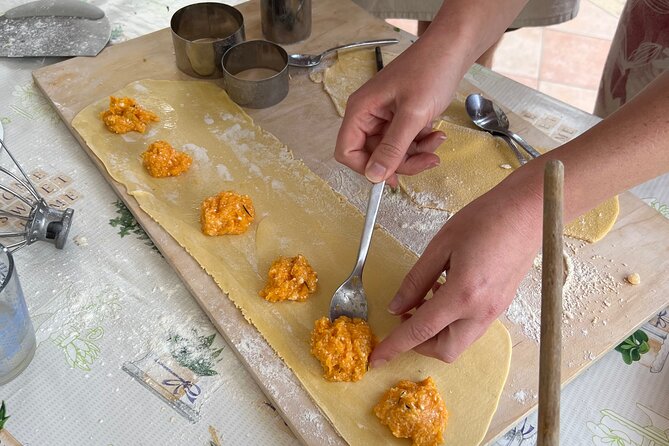
You start at Via Isole delle Molucche, 8t, 96100 Arenella SR, right back where the activity begins. The best part is what you don’t have to do: you’re not bouncing between venues or sitting through a long lecture. This is set up like a real home lesson, with a garden-style workspace that makes the whole process feel slower and more relaxed.
A practical detail that matters on a day trip: parking is covered. You can park along the street or inside the Villa driveway, which is a big help if you’re coming from Ortigia or Syracuse and you don’t want to play parking roulette.
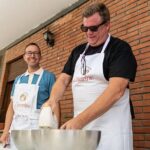
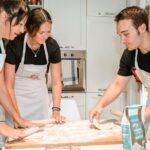
Inside the class rhythm, Teresa’s approach is straightforward. You’ll learn by doing—rolling, cutting, shaping, and cooking alongside the host rather than just collecting tips from a distance. And from the way the experience is described, it’s not only about pasta shapes. You also get a feel for how Sicilians think about ingredients: what’s available, what’s in season, and how sauces pull everything together.
Also, if you’re traveling with kids, note the minimum age: children must be at least eight years old. That’s a real consideration, because the activity is practical and hands-on.
You can also read our reviews of more tours and experiences in Sicily.
The Lesson Flow: Four Pastas, Traditional Hands, Real Skills
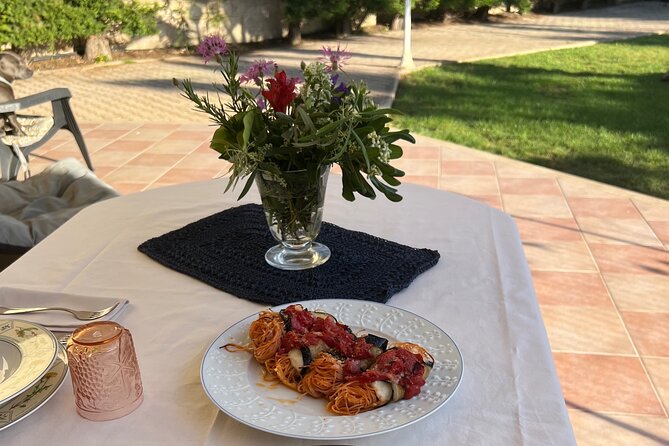
The core promise here is simple: in about two and a half hours, you’ll prepare four forms of fresh local pasta using traditional methods. That’s a lot for one afternoon. It means you’re not only learning one dough technique—you’re applying technique across different shapes and textures.
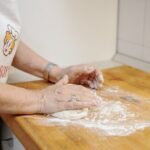
Here’s how it tends to feel in practice. First you’ll work with the dough and flour—this is where the sensory part happens. You’re not dealing with store-bought pasta that’s already decided for you. Instead, you’re learning how the dough changes with touch: the way it comes together, how it stretches, and how it holds shape.
Then you move into shaping and finishing. The course is designed to teach you the gestures that make Sicilian pasta recognizable, not just the end product. And because Teresa can adapt recipes to your needs, the lesson can shift depending on allergies or preferences within what the menu allows.
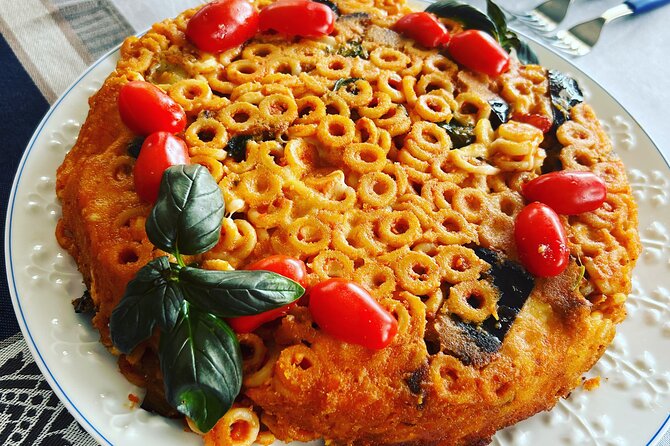
What pasta shapes will you make? The class is built around four forms, and different menus can rotate. In similar past experiences, people have mentioned cavatelli and other Sicilian-style pasta formats, plus additional dishes alongside the pasta in some cases. So think of the lesson as a guided “pasta toolkit” more than a fixed script.
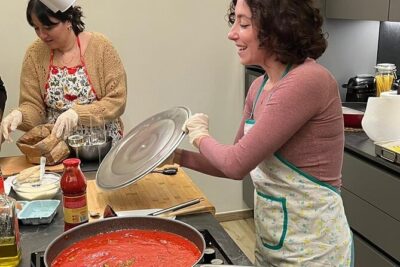
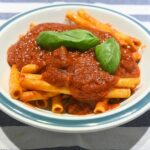
Your sauces also rotate in style and ingredient focus—meat, fish, or vegetarian—and the course is meant to show you how each sauce category changes the pasta experience. That matters because once you understand the logic behind the pairing, you can recreate it at home without needing the exact same ingredients.
Ingredients You Can Taste: Local Flours, Seasonal Thinking, and Sauce Logic
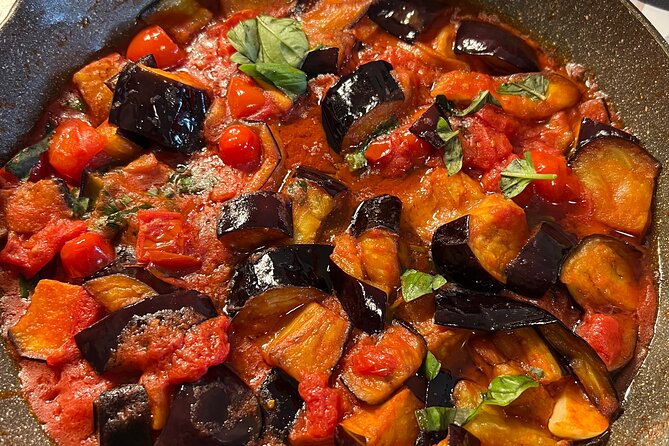
One of the most useful parts of this class is the emphasis on local and seasonal ingredients. You’ll use local ingredients and seasonal flours, so the lesson connects technique to what Sicily actually grows and buys. That’s not just romantic talk. It affects how dough behaves and how finished pasta tastes.
You also get to experience sauce variety in a practical way. The class includes a mix of flavors—sometimes meat-based, sometimes fish-based, and sometimes vegetarian. The point isn’t just variety on the plate. It’s to help you understand how sauce weight and acidity work with pasta shape.
In real Sicilian cooking, sauce is not an afterthought. It’s part of the pasta structure. That’s why you’re given a list of local sauces as a gift after the class. It’s useful because it points you toward options beyond the exact sauces you make that day. When you’re shopping later, you’ll have a short, sane guide for what to look for.
One more ingredient note that you should plan around: the flours used contain gluten. If your group includes anyone who needs a gluten-free diet, you’ll want to be upfront with the host before booking.
Pizza, Dessert, and the Big Sicilian Table Effect
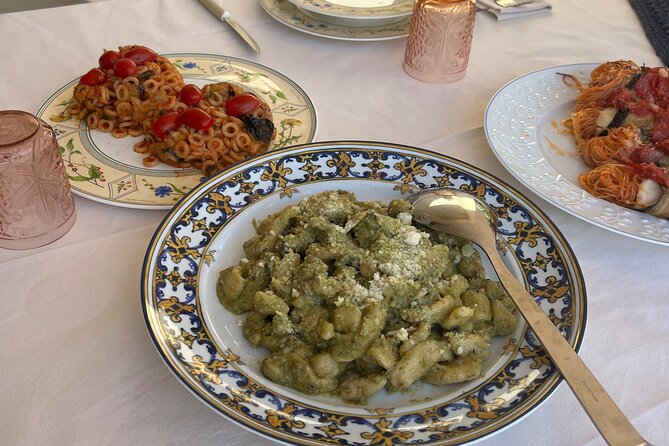
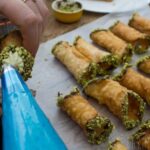
Even though the class is centered on pasta, the experience isn’t stingy with the rest of the meal. You’ll have local wine, mineral water, and coffee included, and the overall instruction flow often includes additional Sicilian dishes depending on the day and the menu Teresa plans.
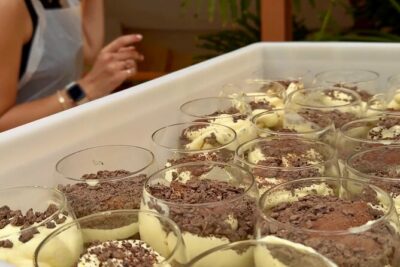
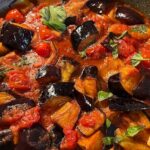
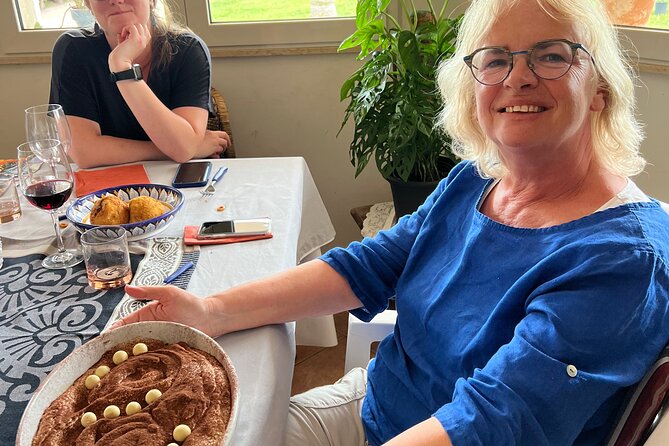
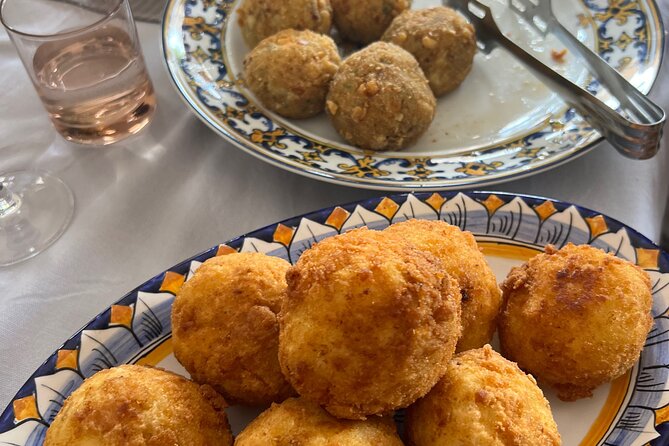
In past menus people have described dishes like caponata, bruschetta variations, tiramisu, and pizza baked as part of a full afternoon meal. The exact set can vary, but the pattern is consistent: you learn, then you eat what you made, and you keep eating because there’s a lot of it.
A practical upside of this “teach-and-taste” approach: you don’t end up with a cookbook full of steps you’re too tired to try later. You get immediate feedback. If a sauce tastes too salty, you remember it. If the dough needs more firmness, you notice the difference while making it.
And you don’t feel like you’re eating one polite bite. The portions can be generous enough that you may have leftovers.
Teresa’s English Teaching Style and How the Class Stays Fun
The class is offered in English, and that matters because pasta technique has a lot of small details—how you press, when you pause, and what “right texture” looks like. When you can understand the explanation clearly, you can actually replicate the results afterward.
The vibe is also family-style. Teresa’s teaching method comes through as patient and organized, with a clean workspace and an easy rhythm. That shows in the way groups describe the experience: people feel welcomed, they follow steps without confusion, and they laugh while they’re working.
If you’re the kind of traveler who worries about doing something complicated, don’t. The lesson is structured for beginners and mixed skill levels, including families with kids who are learning from scratch. The goal isn’t to make you a pasta pro by day two. It’s to leave you confident enough to do the shapes and sauce pairings again in your own kitchen.
Also, the class can include a last-minute option: a special price for a public class shared with other guests. If your schedule is flexible, that can be a better value.
Location Math: Getting There from Ortigia and Why Timing Helps
This is based around Arenella, which is near Syracuse and about a short ride or walk from Ortigia depending on your route and pace. People have described it as close to Ortigia, roughly a 15–20 minute window with transport. That’s helpful when you’re trying to plan your day without turning “cooking class” into a long commute.
Public transportation details aren’t listed here, but private transport is available. Here’s the key: private transport costs €20 per person, paid in cash on the spot. If you’re using a taxi or arranging a pickup, factor that into your budget.
If you’re going on foot, you’ll want comfortable shoes and realistic expectations about distance and heat. The good news is that the lesson itself is about a garden afternoon, so you’ll likely end up wanting a meal and a break afterward anyway.
One small logistics tip that can save frustration: since the class starts and ends back at the meeting point, build a buffer around your other plans. You don’t want to feel rushed leaving a cooking session.
Price and Value: Why $132.53 Can Be a Fair Deal
At $132.53 per person, this class isn’t the cheapest food activity in Sicily. But it also isn’t a “light snack and a demo” kind of experience. You’re paying for several things at once:
- Hands-on instruction where you prepare four pastas
- Included drinks (local wine, mineral water, coffee)
- Guarded parking so you can drive without stress
- Local ingredient use, including seasonal flours
- A structure that ends with practical take-home materials (like a local sauce list)
There’s also the “group size value” piece. A maximum of 8 travelers means you’ll get attention during the important steps. For a cooking class, that matters more than you’d think. When someone can correct your dough or show you the right shaping technique in real time, you’re more likely to walk away with confidence.
Just remember what’s not included. Private transportation is extra, and there are add-ons in the broader Syracuse/Ortigia area that cost more if you choose them. If you’re mainly here for the pasta lesson, you can keep your spending controlled by planning transport on your own or using the available private transport option.
Who This Cooking Class Fits Best (and Who Might Skip It)
This is a great fit if you want:
- A hands-on Sicilian food experience tied to real technique
- Something that works well as a midday or early afternoon break
- Practical skills you can use after your trip
- A small-group class with English instruction
It’s also ideal for couples or small friend groups who want more than a tasting menu. And families can enjoy it too, as long as kids are at least eight.
You might skip it if:
- You need a gluten-free setup (the flours used contain gluten)
- You’re trying to do only one ultra-budget activity
- You don’t want to participate in cooking and would rather watch than work
Also, if you’re the type who needs a strict “schedule grid,” note that cooking pace is naturally step-based and will feel more like a relaxed home kitchen than a timed show.
Quick Practical Tips Before You Go
- Plan for a flour-and-food afternoon. Wear clothes you don’t mind getting dusted.
- If you have allergies or specific dietary needs, ask ahead. The host can adapt recipes, but you’ll want clarity early.
- Bring comfortable shoes if you’re combining Ortigia wandering with the class.
- If you’re coming by car, take advantage of the villa driveway/parking option to reduce stress.
And because the experience includes local wine and ends with coffee, you’ll probably want to treat this as a full experience, not something you squeeze in between intense sightseeing marathons.
Should You Book This Fresh Pasta Lesson in Sicily?
I’d book it if your idea of a perfect Sicily day includes your hands in the dough, a calm garden atmosphere, and a meal that’s actually the result of your work. The value is strong because you’re not just learning one thing—you’re making four pastas, tasting what you cook, and leaving with a useful sauce guide.
If gluten is a factor for anyone in your group, then it’s an easy no. Otherwise, this class is one of those activities that gives you more than a photo. It gives you technique, confidence, and Sicilian flavors you can repeat later.
If you want a food experience that feels authentic and practical without being complicated, this is exactly the kind of class that pays off.