REVIEW · SICILY
Catania Home Cooking: Pistachio Ravioli, Sicilian Pasta & Wine
Book on Viator →Operated by Curioseety SRLS · Bookable on Viator
Pasta lessons in a Catania home are serious fun. You’ll roll fresh Sicilian pasta (including pistachio-filled ravioli) and eat what you make, paired with local wine, in a relaxed home setup rather than a loud restaurant. The only real consideration: because it’s someone’s home kitchen, it pays to ask ahead about pets, smoking, and how the kitchen feels for you.
This experience runs about 3 hours and keeps things small, with a maximum of 6 travelers. You’ll meet at Via E. A. Pantano, 112, 95129 Catania CT, Italy and end back there. And if you’d rather not cook, you can ask to simply enjoy the house atmosphere and chat while the host prepares the menu.
In This Review
- Key things to know before you go
- Why This Catania Home Cooking Class Works (and Who It Suits)
- The Menu Game Plan: Pasta Shapes and Sicilian Sauce Pairings
- Bruschetta at the Start: Pear, Sun-Dried Tomato, and the Classic Version
- Cannolamisù Dessert: A Deconstructed Cannoli You Can Actually Explain
- How the 3-Hour Evening Flows (Without Feeling Rushed)
- Catania Meeting Point and What the Small Group Means for Your Night
- Comfort and Safety Checks I’d Make Before You Arrive
- Price and Value: What $106.04 Buys in Real Terms
- Who Should Book This Sicilian Pasta and Wine Night
- Should You Book? My Practical Take
- FAQ
- How long is the cooking class in Catania?
- Where does the experience start?
- Is the class offered in English?
- What pasta do you learn to make?
- What sauces and pairings are included?
- What do you make besides pasta?
- Is there a wine component?
- What group size should I expect?
- Can I just chat in the house instead of cooking?
- What should I do if I have allergies or intolerances?
Key things to know before you go
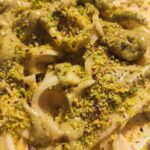
- Pistachio-filled ravioli plus other classic pasta shapes like caserecce and gnocchetti
- Three Sicilian sauce pairings including Norma dressing, Trapanese pesto, and an Aeolian style dressing
- Bruschetta starters with inventive toppings like pear and sun-dried tomato
- Cannolamisù dessert (a deconstructed cannoli twist with creamy ricotta)
- Small group cooking with a maximum of 6, so questions and technique actually get answered
- English available, but a translation app can help if the night is busy and extra help isn’t always on hand
Why This Catania Home Cooking Class Works (and Who It Suits)
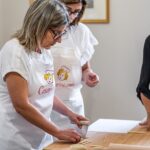
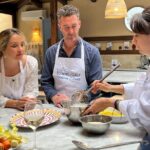
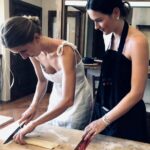
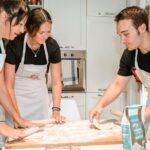
Catania has a way of making food feel personal. This class leans into that. Instead of doing a “demo” where you watch from the sidelines, you’re in the kitchen doing the work—rolling pasta, shaping, and assembling dishes—then sitting down to enjoy the results with wine.
I like that it’s structured around Sicilian flavors you can name: pistachio ravioli, caserecce, gnocchetti, plus sauce names like Norma, Trapanese pesto, and Aeolian style dressing. That gives you a clear souvenir you can recreate later, not just a vague memory of tasty food.
It’s also a good fit for couples, friends, and solo food lovers who want an evening with real conversation. One reason is the group size cap of 6. You get time to ask questions, and you’re not swallowed by a crowd.
The drawback is simple: because it’s a residential setting, you’ll want to feel comfortable with the practical side of a home kitchen. If you’re picky about hygiene routines, or you’re not a pet person, ask up front what the setup is like and what can be accommodated.
You can also read our reviews of more tours and experiences in Sicily.
The Menu Game Plan: Pasta Shapes and Sicilian Sauce Pairings
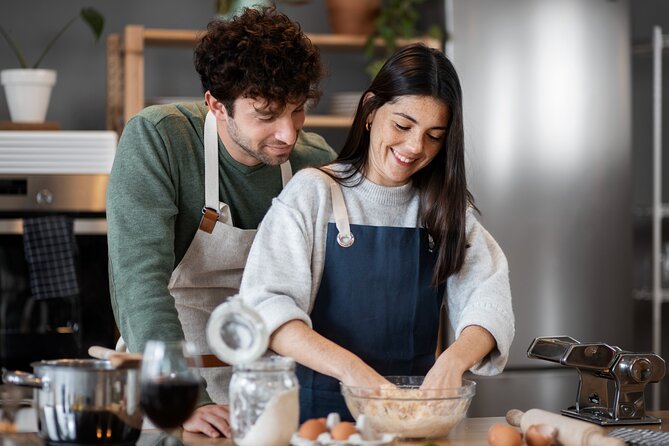
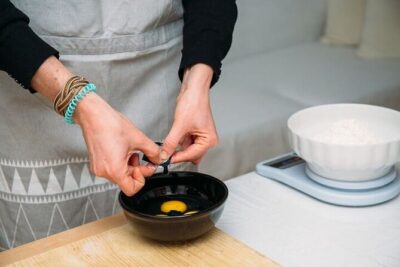
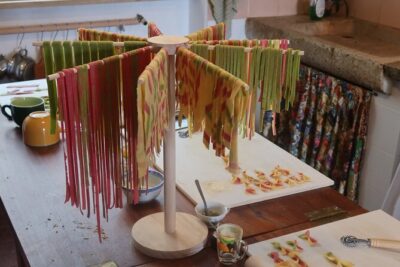
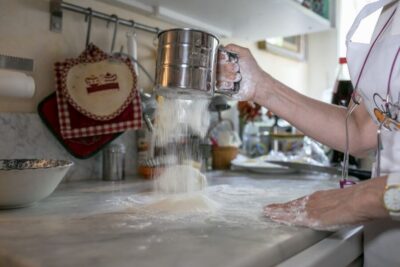
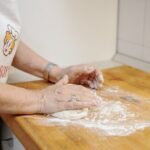
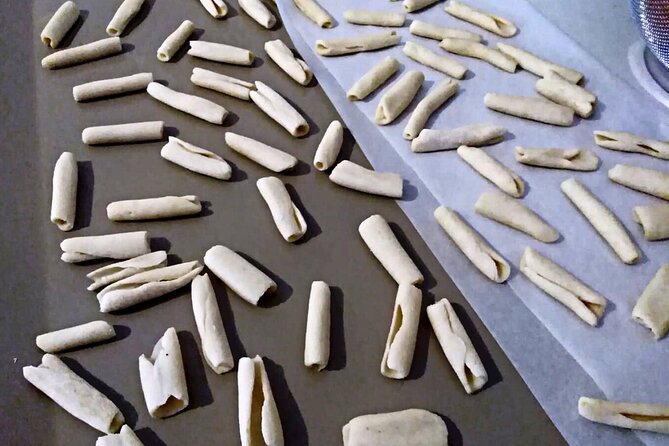
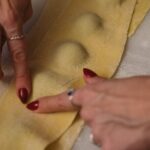
This is a hands-on pasta evening. You start with the idea of fresh pasta dough and then move into shaping, including pistachio-filled ravioli. Along the way, you’ll also work on other Sicilian pasta forms like caserecce and gnocchetti—so even if you’re a beginner, you’re not stuck repeating one single move for three hours.
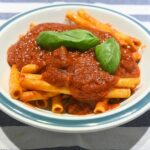
Then comes the pairing: the pasta you make gets matched with Sicilian-style sauces, including Norma dressing, Trapanese pesto, and an Aeolian style dressing (plus additional sauce options). I like this format because it teaches you how Sicilian cooking thinks—less about fancy technique for its own sake, more about matching shapes and flavors.
One practical tip: plan to leave with a bit of food-confidence. If you go in expecting perfection on your first attempt, you’ll probably enjoy it more. Pasta shaping is physical. Even if you mess up a raviolo edge, the point is learning the process you can repeat later.
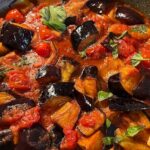
Also, a small heads-up: depending on the evening and the host, you might see a slightly different mix of dishes beyond the core pasta and sauce plan. In past sessions, some people reported additional Sicilian dishes like caponata and risotto being part of the evening. So if you’re flexible and open to variety, you’ll likely have a smoother experience.
Bruschetta at the Start: Pear, Sun-Dried Tomato, and the Classic Version
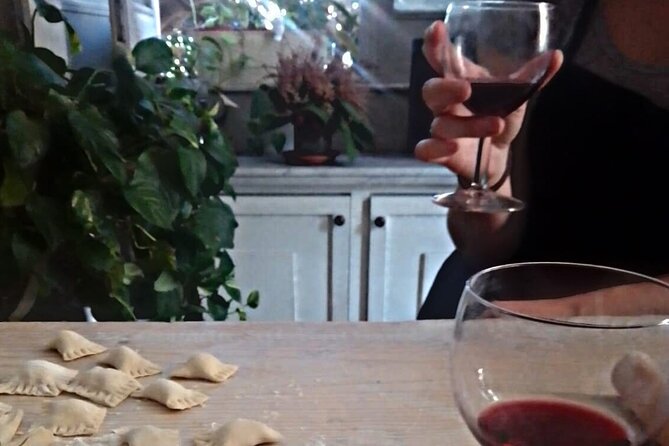
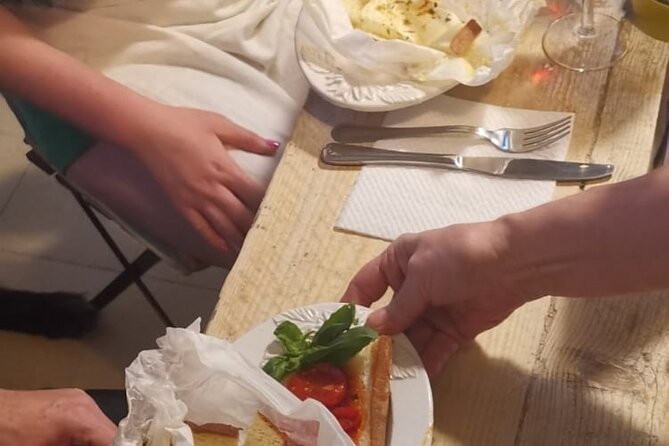
Before the main pasta work, the evening begins with bruschetta. You’re not just getting bread with tomato; you get gourmet toppings that include combinations like pear and sun-dried tomatoes, plus the traditional tomato-based version.
Why this starter matters: it gets you into the rhythm of the meal early, and it also sets expectations for how the host balances sweet, savory, and tangy flavors in Sicilian food. It’s a nice “taste first, cook second” approach—especially useful if you’re watching your timing and don’t want to wait until the end to start enjoying.
If you’re the kind of person who hates waiting around, this is a good sign. There’s food on the table early, and the cooking doesn’t feel like a test.
Cannolamisù Dessert: A Deconstructed Cannoli You Can Actually Explain
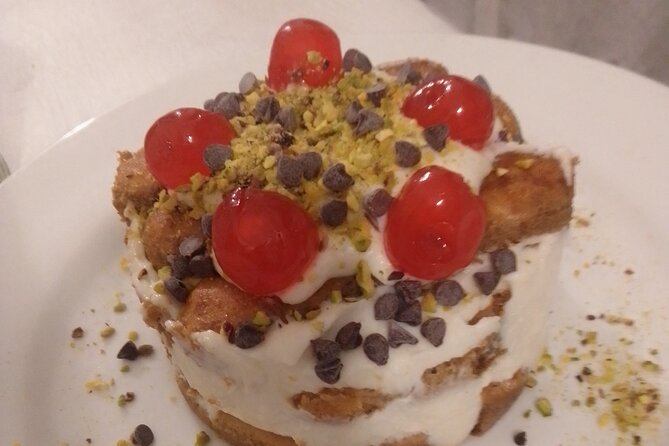
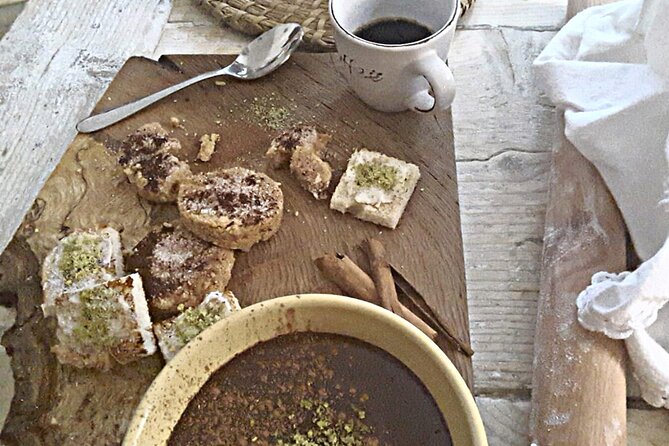
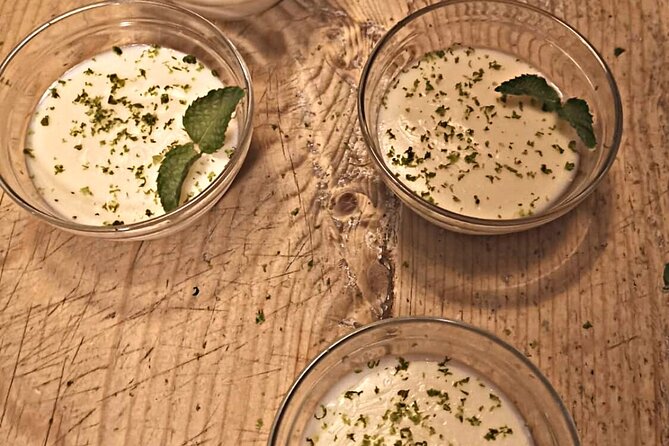
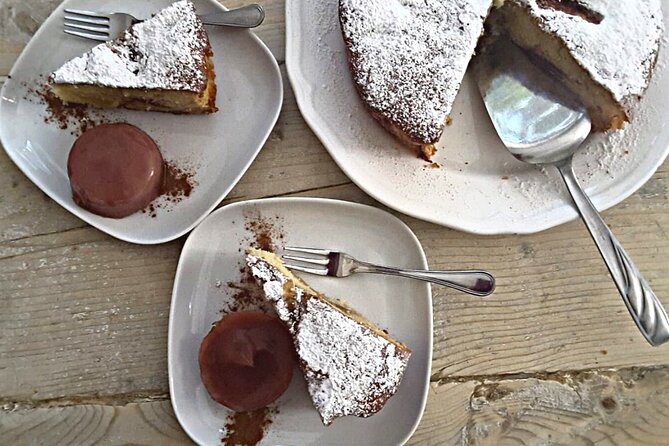
Dessert is a standout here. You’ll make a Sicilian dessert such as cannolamisù, described as a deconstructed cannoli-style twist on tiramisu with creamy ricotta. The menu also references Biancomangiare, so you’re likely to get a ricotta-forward finish that feels unmistakably Sicilian even when presented with a modern twist.
One note for your expectations: the experience description says you create your dessert. Still, in at least one situation, a participant described the dessert component as more pre-made than fully assembled during class. If you care a lot about truly making every part from scratch, ask the host what’s hands-on versus what’s prepared ahead.
Either way, this dessert is a great “take-home skill.” You’re learning a concept—how to build a flavor profile—rather than just following a one-time recipe.
How the 3-Hour Evening Flows (Without Feeling Rushed)
The class is about 3 hours total. While the exact pacing can vary by group, a typical rhythm looks like this:
- You begin with bruschetta and get into the meal
- You work on fresh pasta—shapes first, then the pistachio ravioli component
- You pair and taste the dishes you made
- You finish with dessert like cannolamisù, along with local wine
I like this flow because it avoids the worst case scenario of cooking classes: the part where you spend the whole time hungry while you wait for the final course. Here, you’re tasting and eating along the way, not just producing and then vanishing to the kitchen.
And with wine pairing included, the evening ends in the right place: at the table, not still standing over dough.

Catania Meeting Point and What the Small Group Means for Your Night
You’ll meet at Via E. A. Pantano, 112, 95129 Catania CT, Italy and the experience ends back at the same meeting point. That’s helpful for planning your evening—no complicated transit plan after dinner.
The group size is kept tight: maximum of 6 travelers. That changes the whole tone. It’s easier to get help with pasta edges, it’s easier to ask about what to do next, and you’re less likely to be stuck guessing in a corner.
Language is another practical point. The experience is offered in English, and many people are able to follow instruction even if their Italian is basic. That said, home cooking is real life. If your host’s main helper isn’t available one evening, you might lean on simple tools to communicate. Having a translation app on your phone can make you feel more relaxed.
Comfort and Safety Checks I’d Make Before You Arrive
This is the part I think helps you get the best value and avoid stress.
First, tell the organizers about allergies or intolerances in advance. That’s explicitly recommended, and it’s smart because home kitchens require planning.
Second, because this happens in a private home, it’s worth asking a quick comfort question when you book:
- Is there any pet presence during the cooking?
- Is there smoking in the house?
- What’s the hygiene routine in the kitchen?
One past participant raised concerns about pets being in the kitchen area, and about sanitation and bare-hand handling. I’m not saying that’s your experience—but I am saying that if you’re sensitive, you should ask. You’ll get peace of mind faster than you’ll get it by worrying once you’re inside.
Price and Value: What $106.04 Buys in Real Terms
At $106.04 per person, you’re paying for more than a meal. You’re paying for:
- A hands-on pasta workshop in a home setting
- Multiple pasta shapes (including pistachio-filled ravioli)
- Sauce pairings using classic Sicilian styles (Norma, Trapanese pesto, Aeolian style)
- Bruschetta starter
- A Sicilian dessert like cannolamisù
- Wine pairing
- A small group experience (max 6), which tends to mean more attention
That price starts to make sense when you compare it to a normal evening in Catania: a nice meal plus dessert plus drinks can add up fast. Here, you’re getting both the food and the cooking skills. If you like bringing recipes home, this is where the value really lands.
If you’re only interested in eating and not learning, you can ask for the option to enjoy the atmosphere and chat while the host prepares. That could work better for you—but if your goal is skills you can repeat, choose the full lesson.
Who Should Book This Sicilian Pasta and Wine Night
This class is especially a fit if you:
- Want hands-on pasta skills rather than a sit-and-watch cooking demo
- Care about Sicilian flavor combinations and want names you can reuse later (Norma, Trapanese pesto, Aeolian style)
- Like small-group meals that feel conversational
- Enjoy wine pairing as part of dinner, not as an afterthought
- Are traveling as a couple or small group and want a shared activity
It may not be your best match if:
- You’re very uncomfortable around pets or smoke in enclosed spaces
- You require strict, documented sanitation standards and want that confirmed beforehand
- You want a totally silent, guided tour with no home-kitchen variability
The good news: most stress points are solvable with a couple of simple questions before you arrive.
Should You Book? My Practical Take
If your idea of a great Sicilian evening is rolling pasta, making pistachio ravioli, eating bruschetta, and finishing with cannolamisù over wine, this is a solid choice. The small group size and the fact that you cook and eat make it feel like a real meal, not a rushed “activity.”
If you’re cautious about home-kitchen details (pets, smoking, hygiene), I’d book only after you message with those comfort questions. That one step can turn “maybe” into “perfect.”
FAQ
How long is the cooking class in Catania?
It lasts about 3 hours.
Where does the experience start?
The meeting point is Via E. A. Pantano, 112, 95129 Catania CT, Italy.
Is the class offered in English?
Yes, it’s offered in English.
What pasta do you learn to make?
You’ll learn fresh pasta including pistachio-filled ravioli, caserecce, and gnocchetti.
What sauces and pairings are included?
Your pasta is paired with Sicilian sauces such as Norma dressing, Trapanese pesto, and an Aeolian style dressing, plus other sauce options. Fine local wines are also included.
What do you make besides pasta?
You also make bruschetta starters and a Sicilian dessert such as cannolamisù (a deconstructed cannoli-style twist on tiramisu with ricotta).
Is there a wine component?
Yes. You’ll enjoy your meal complemented by fine local wines.
What group size should I expect?
The experience has a maximum of 6 travelers per group, and it requires a minimum of 2 people per booking.
Can I just chat in the house instead of cooking?
Yes. If you don’t want the cooking lesson, you can ask for an option where you enjoy the atmosphere while the host prepares the menu.
What should I do if I have allergies or intolerances?
Inform the organizers in advance so they can help keep the experience safe and enjoyable.