REVIEW · BOLOGNA
Bologna: Pasta Cooking Class, Ragu, Spritz, Wine & Gelato
Book on GetYourGuide →Operated by Tours and the City · Bookable on GetYourGuide
Fresh pasta lessons in Bologna start with a spritz. This 3-hour class turns you into a hands-on sfoglina-style tagliatelle maker, with drinks and wine flowing as Luca, Stella, Valentina, and other English-speaking hosts guide you. I like the easy pace, plus how the meal actually tastes like Bologna, not just like a demo.
Two things I especially like: you roll dough by hand (no pasta machines), and you get a full tasting arc from aperitif to wine, then coffee, amaro, and gelato. One consideration: you don’t make the ragù itself during the workshop, because it’s prepared in advance to keep the timing right.
In This Review
- Key Things I’d Plan Around
- Entering Bologna’s Food World in Just 3 Hours
- The Welcome Aperitif: Piadina, Mortadella, and Pignoletto
- Casoni Spritz: A Local Cocktail Lesson (Not Just a Drink)
- Rolling Dough by Hand: Tagliatelle with a Bologna Sfoglina
- Ragù and Wine Pairing: What You’ll Cook, and What’s Ready
- The Meal’s Structure: Spritz, Pasta, and a Real Italian Pace
- Coffee, Montenegro, Amaro, and Gelato with Balsamic Vinegar
- Ingredients and Local Support: Why It Matters Here
- Price and Value: Is $79 a Good Deal for Bologna?
- Who This Class Fits Best (and Who Might Skip It)
- Practical Tips So Your Evening Goes Smooth
- Should You Book This Bologna Pasta Class?
- FAQ
- Is the class taught in English?
- How long is the Bologna pasta cooking class?
- What do I make during the workshop?
- Is the ragù prepared by me?
- What’s included with the ticket price?
- Who should avoid this class?
- Any accessibility or mobility concerns?
Key Things I’d Plan Around
- Hand-rolled tagliatelle (no machines): You learn the dough and shaping with just your hands and a rolling pin.
- Spritz at the right moment: The Casoni spritz shows up mid-class, not at the end when it’s just getting poured for show.
- Regional wine pairing: You toast with Sangiovese and sip Pignoletto as part of the meal rhythm.
- A real Bologna finish: Montenegro, moka coffee, and gelato with balsamic vinegar bring the experience to a proper sweet-and-digestive close.
- You can take food home: You’ll get takeaway leftovers, so your effort doesn’t disappear after the final bite.
- Know the limits: Gluten-free diners, vegans, and vegetarians are not accommodated in this format.
Entering Bologna’s Food World in Just 3 Hours
If your Bologna plans are packed, this class is one of the better ways to spend a short window without losing the local flavor. You start in a traditional kitchen in the city center, where the focus is plain and practical: make pasta, drink responsibly, and eat what you made.
The class is built around one core goal: hand-crafted tagliatelle with ragù. But it’s not a bare-bones cooking demo. Expect a welcome aperitif, a cocktail workshop, and a plated meal with wine, then coffee and dessert.
At $79 per person, you’re paying for more than the ingredients. You’re paying for guided technique, a small group social vibe, and an end-to-end meal that would be hard to replicate solo for that same time block.
You can also read our reviews of more tours and experiences in Bologna.
The Welcome Aperitif: Piadina, Mortadella, and Pignoletto
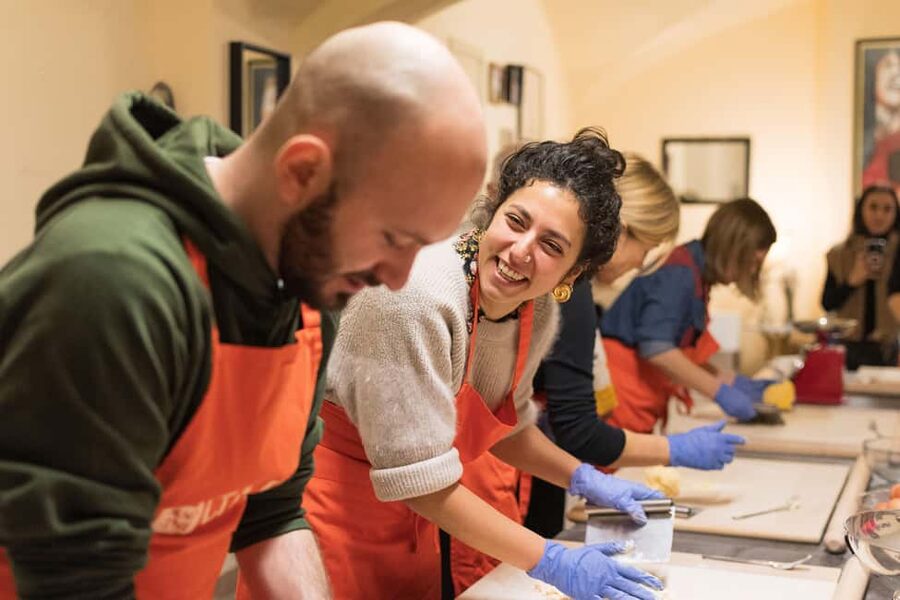
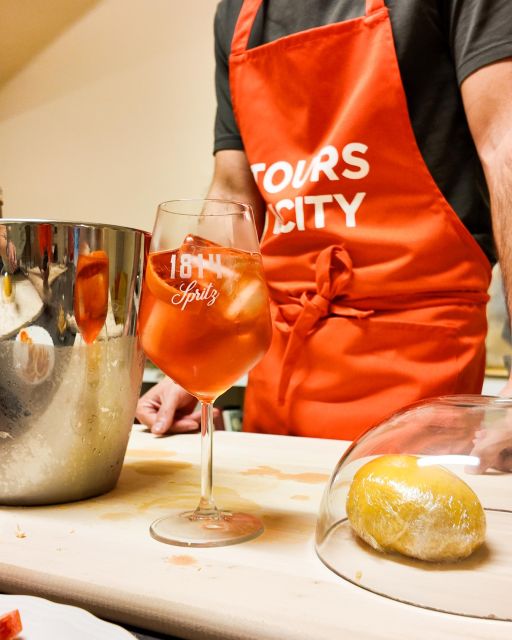
The first 20–30 minutes are about getting everyone comfortable. Guides wearing an orange apron meet you outside and escort you in right at your booking time, so you don’t waste energy hunting down the exact spot.
You begin with a welcome aperitif that’s very Bologna: piadina plus mortadella, served alongside glasses of Pignoletto (a sparkling white). It’s a smart setup because it gives you a taste of local food traditions before anyone asks you to roll dough.
You’ll also get a light, friendly kickstart with the group. Many people remember the ice-breaker energy as part of why the experience feels warm instead of stiff.
Casoni Spritz: A Local Cocktail Lesson (Not Just a Drink)
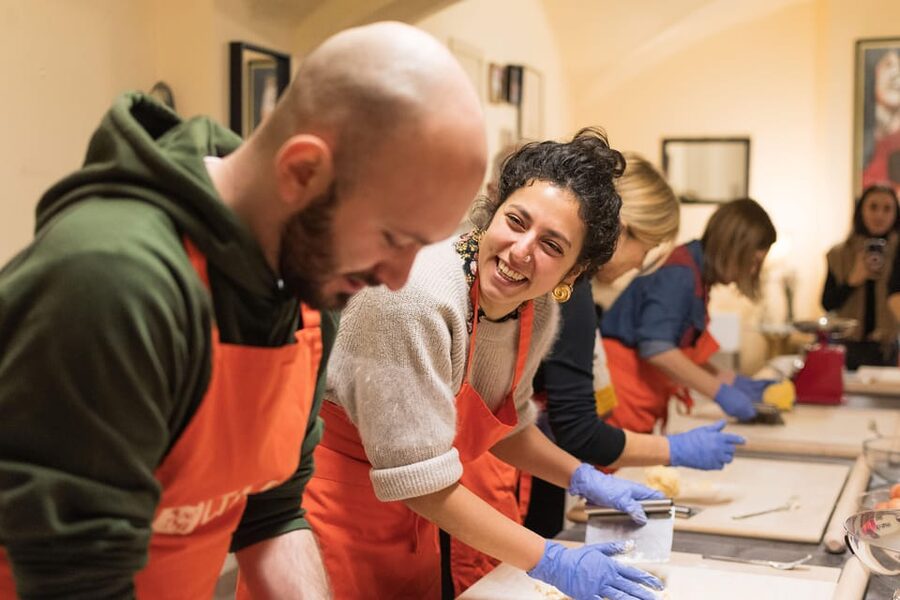
Next up is the part that turns the class from food-only into full Emilia-Romagna culture: you prepare a Casoni spritz during the session. The idea here isn’t just sampling a cocktail. You learn how it’s built, with local herb flavor and the specific feel of a Bologna-style spritz.
This is refreshing mid-class because your hands will soon be busy with dough. The spritz also gives the group something shared to focus on before you go full pastry mode.
It’s also a good reminder that in Italy, food and drink aren’t separate chapters. Here, the cocktails are treated as part of the same evening meal story.
Rolling Dough by Hand: Tagliatelle with a Bologna Sfoglina
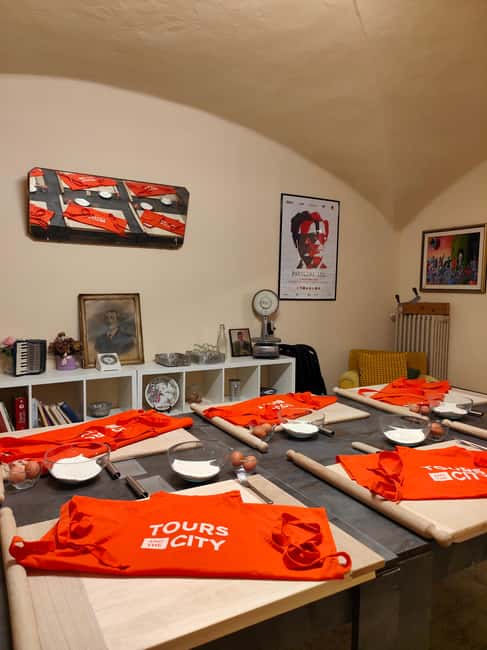
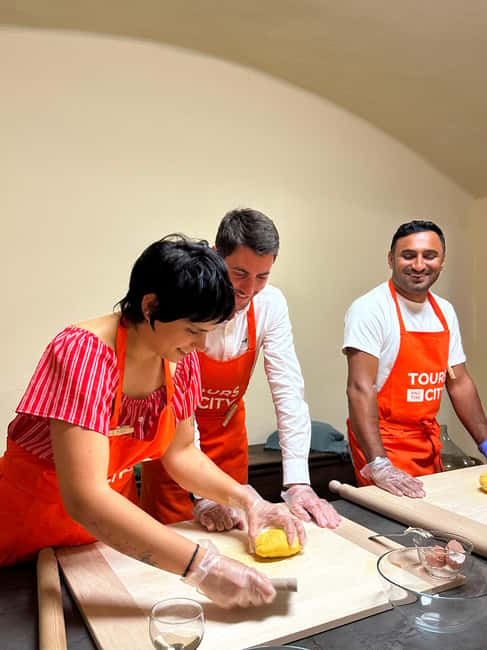
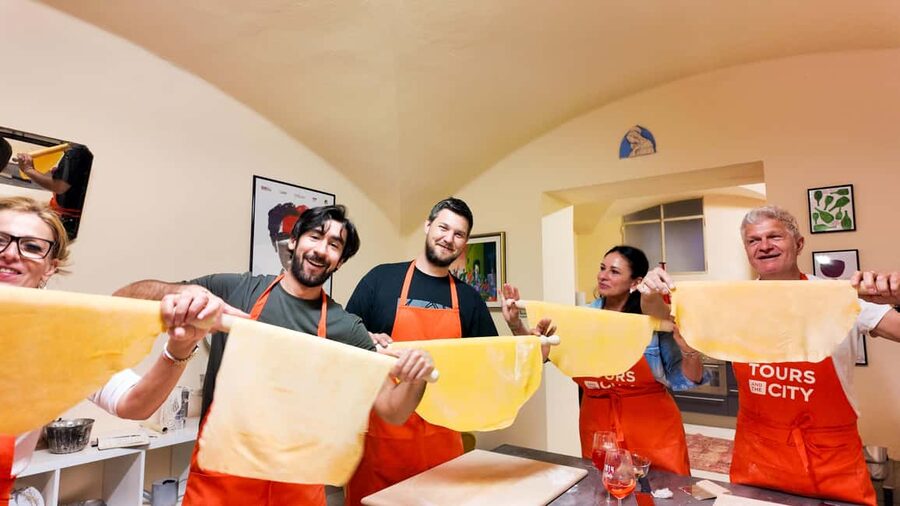
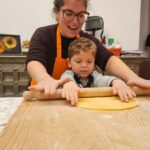
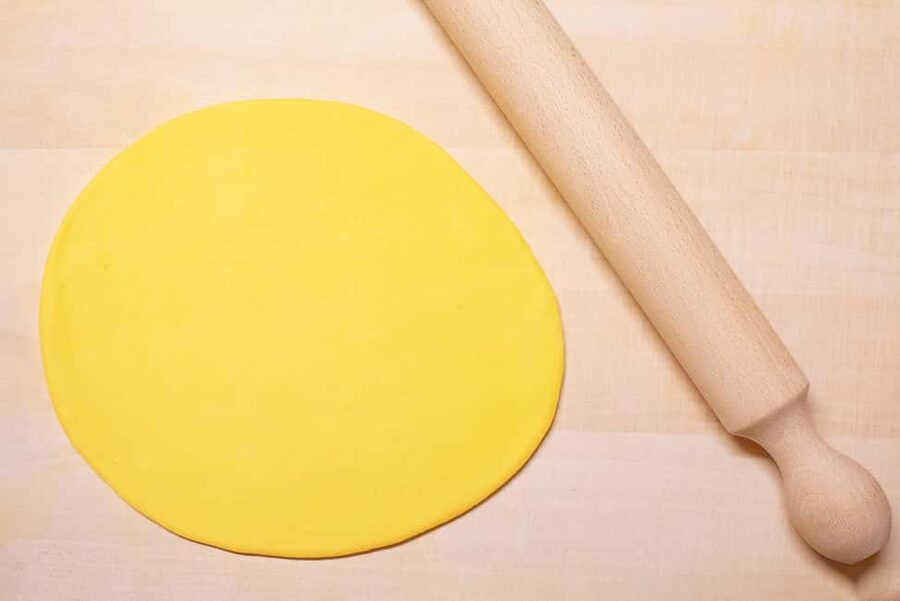
This is the heart of the class. Under the guidance of a local pasta master (a sfoglina), you make fresh pasta dough from scratch. And yes, you do it the traditional way: no machines, just hands and a rolling pin.
What you’re really learning is technique, not just the end shape. Fresh pasta dough can be forgiving, but it still needs the right feel. Your instructor helps with the texture and thickness so the tagliatelle cooks well and doesn’t turn into chewy disappointment.
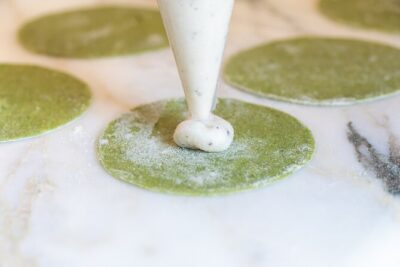
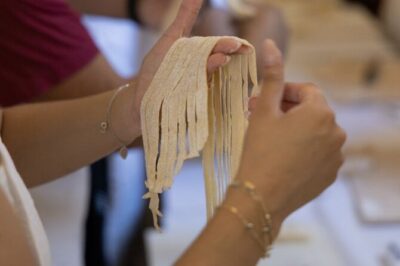
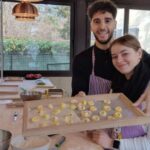
Then comes the fun part: shaping and slicing. You’ll roll, cut, and form your tagliatelle so you can actually say you made it, not just watched it happen.
From what I’ve seen in how different hosts teach, the best classes are the ones where the instructor stays patient as everyone figures it out. Hosts like Luca, Stella, Martina, and Valentina stand out for clear guidance and troubleshooting, which matters when you’re handling dough that’s new to you.
Ragù and Wine Pairing: What You’ll Cook, and What’s Ready
Here’s the one key timing trade-off. Because of time constraints, the ragù won’t be prepared by you during the workshop. The sauce is made in advance, using a family-tradition approach, so you can still taste something authentic at peak texture and flavor.
So what do you do with the ragù moment? You pair it with your freshly shaped tagliatelle and savor it as a finished dish. That still teaches you something valuable: how Bolognese ragù should taste when served with proper fresh pasta.
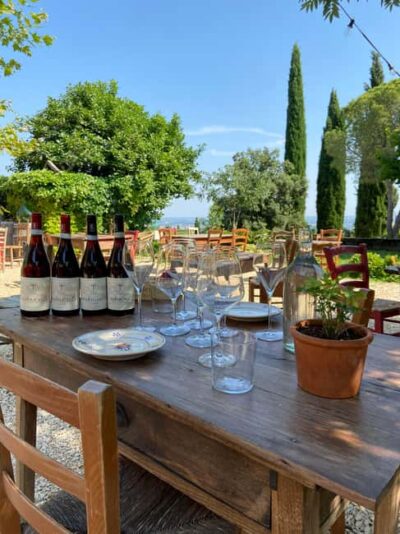
As for wine, the meal includes local pairings. You’ll have Pignoletto at the start and Sangiovese at the toast, then you eat with a regional wine rhythm that makes sense for the sauce’s savory depth.
You also get topping Parmigiano Reggiano aged 24 months, which is one of those details that instantly makes the meal feel more authentic than a generic “pasta class” plate.
The Meal’s Structure: Spritz, Pasta, and a Real Italian Pace
One reason this class works so well is the pacing. The spritz happens mid-way, you make the dough and shape the pasta while you have energy and attention, then you sit down to eat with the right break between steps.
The result is that you’re not exhausted by cooking while everyone else finishes. Instead, you get a build-up and then a sit-down moment where your work becomes the meal.
And when you’re eating in a group setting, that matters. Fresh pasta is easier to learn when you’re laughing at your own mistakes and not panicking alone at a counter.
Coffee, Montenegro, Amaro, and Gelato with Balsamic Vinegar
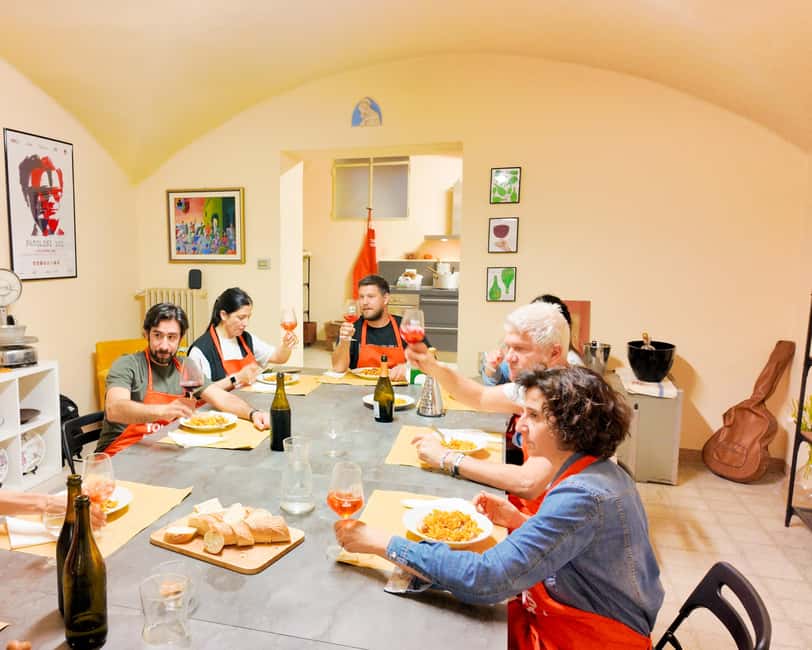
After the pasta meal, the finishing run feels very Italian: coffee, digestion, and dessert.
You’ll enjoy Montenegro (an Italian digestif), plus moka coffee. Montenegro is a specific choice, not just any liqueur, and it signals that the class is treating the last course as part of the experience, not an afterthought.
Then comes gelato with a twist: gelato with balsamic vinegar. It sounds unusual until you taste it. It balances sweet with a tang that works surprisingly well, and it’s the kind of detail that makes the end of the meal memorable.
There’s also mention of a mystery dessert. Even if you don’t know what it will be, it adds that playful Bologna “what’s next” feeling.
Ingredients and Local Support: Why It Matters Here
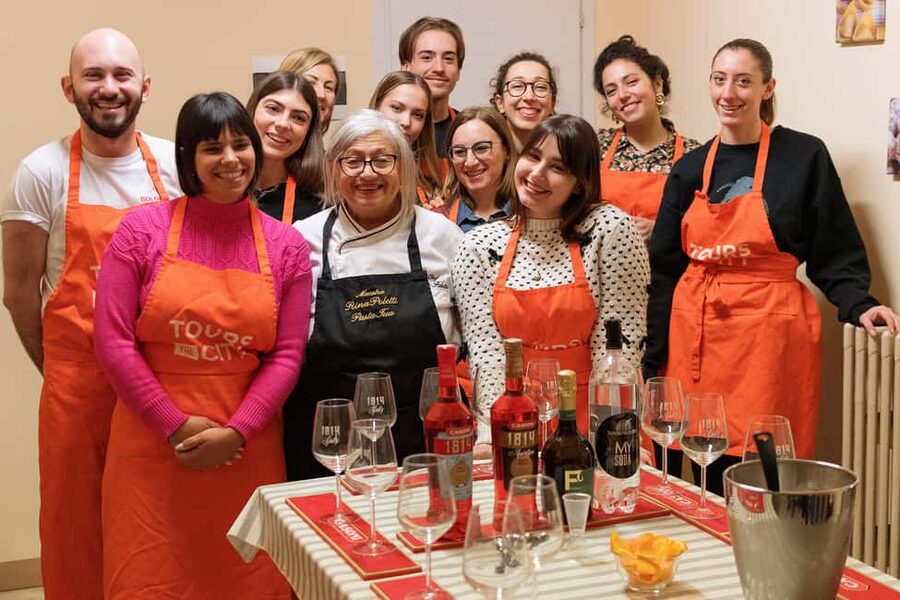
This class leans on mostly local ingredient sources. You’ll hear about flour and free-range eggs from Bologna province, Parmigiano Reggiano from a local dairy, coffee from a Modena roastery, and spirits from Emilia-Romagna.
That matters because it changes the flavor you taste. Bologna isn’t just about “pasta.” It’s about dairy quality, egg richness, and regional alcohol character.
One extra feel-good detail you may notice during the experience: any extra food can be donated to a nearby church. It’s a small moment, but it adds meaning to the evening beyond the plate.
Price and Value: Is $79 a Good Deal for Bologna?
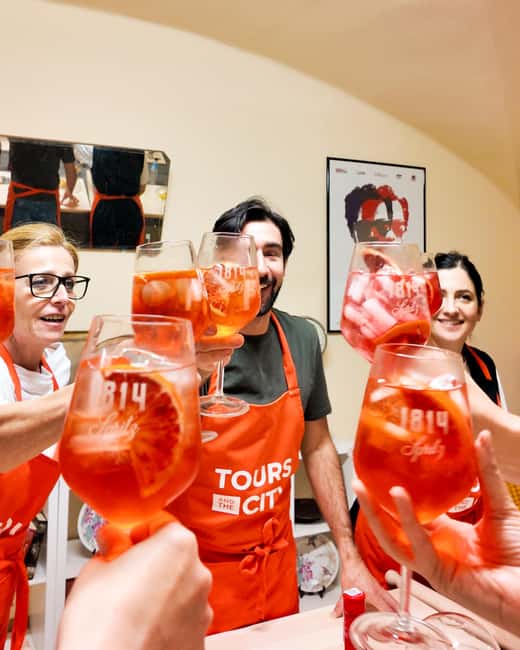
At $79 per person for a 3-hour, English-guided, hands-on class with multiple drinks and a full dessert finish, the value is mainly in three places.
First, you’re not just paying for ingredients. You’re paying for a real instructor and technique time, including troubleshooting your dough and shaping. Second, you get wine and cocktail components, plus coffee and Montenegro, which would add up quickly if you tried to recreate the sequence on your own. Third, you leave with takeaway leftovers, which stretches the value beyond the classroom.
Where the price doesn’t fully match your expectations is the ragù piece. Since you don’t prepare the ragù from scratch, you’re learning the pasta and pairing, not doing the full sauce workflow. If you came specifically for hours of simmering and sauce-making, you might feel less hands-on there.
But if you want the best of Bologna in a short timeframe, this package is one of the easier “yes” choices.
Who This Class Fits Best (and Who Might Skip It)
This is an excellent fit if you want a hands-on activity that also functions as a meal and a social evening. You’ll probably enjoy it most if you like eating well, you’re curious about regional food culture, and you don’t mind getting a little flour on your clothes.
It also works for solo travelers because the structure naturally brings strangers together at the aperitif stage and keeps the group engaged while waiting between steps.
Where it might not fit: the class is not suitable for vegans, vegetarians, or people with gluten intolerance. Also, if you have mobility needs, note that there’s a large flight of stairs.
Practical Tips So Your Evening Goes Smooth
Bring comfortable shoes and comfortable clothes. You’ll be working with dough and moving around a bit, so dress for hands-on cooking rather than fancy dinner.
If you have any severe allergies, you should inform the organizers in advance. The class notes that they might not be able to host you if allergies are severe.
Finally, go into it with a good attitude. Pasta dough can be temperamental at first, and the magic is in learning what the instructor teaches you to correct quickly.
Should You Book This Bologna Pasta Class?
I’d book it if you want a compact, high-flavor Bologna experience with hands-on tagliatelle, local spritz and wine, and a proper Italian end sequence (amaro, coffee, and gelato). It’s ideal for first-timers who want a taste of the city’s food culture without spending your whole day in the kitchen.
I’d think twice if ragù is the only thing you care about, since you don’t make the sauce during the workshop. And I’d skip if you need vegan, vegetarian, or gluten-free options in this format.
If your goal is a fun, guided, tasty evening that teaches you something real you can repeat at home, this one earns its reputation.
FAQ
Is the class taught in English?
Yes. The instructor speaks English.
How long is the Bologna pasta cooking class?
It runs for about 3 hours.
What do I make during the workshop?
You make fresh tagliatelle from scratch by hand and prepare your own Casoni spritz during the class.
Is the ragù prepared by me?
No. The ragù is made in advance due to time constraints, and you’ll enjoy it with your freshly made tagliatelle.
What’s included with the ticket price?
You get the pasta and spritz workshop, an instructor, cocktails/spritz, welcome aperitif (piadina and mortadella), local Pignoletto and Sangiovese wine, the tagliatelle with ragù, unlimited water/soft drinks, moka coffee and a digestive bitter, gelato with balsamic vinegar, and PDF recipes via email upon request. You also get takeaway leftovers.
Who should avoid this class?
It isn’t suitable for vegans, vegetarians, or people with gluten intolerance.
Any accessibility or mobility concerns?
There’s a large flight of stairs at the location, so it isn’t recommended for people who require wheelchair access or crutches.