REVIEW · SICILY
Sea Villa Cefalù: Hands-on 4-Course Pasta Cooking Class & Wine
Book on Viator →Operated by Sicilian Food Lovers - One Day Cooking Class · Bookable on Viator
A pasta lesson in a monastery villa? Yes, please. This hands-on class takes you into Sicily’s comfort-food world with Chef Antonio, a sea-view setting near Cefalù, and a full 4-course meal built by your own hands.
Two things I really liked: the teaching style. Antonio explains the why, not just the steps, so even if pasta dough feels intimidating, you’ll get your bearings fast. Second, the location and pacing make it feel like a real day out, not a rushed cooking demo, with olive and citrus trees and big Mediterranean views while you work.
One thing to consider: it’s a full 5-hour block. If you’re the type who wants lots of downtime between activities, this may feel busy—plus the experience is non-refundable, so it helps to book once your plans are firm.
In This Review
- Key Highlights to Know Before You Go
- Villa Palamara: a sea-view former Benedictine monastery kitchen
- What you cook (and why Pasta alla Norma is the star)
- The full 4-course menu (including the parts you might not expect)
- Starter: stuffed zucchini
- Main: Pasta alla Norma
- Main: Sicilian braciole (pork rolls)
- Traditional side: orange and fennel salad
- Desserts: bianco mangiare and fresh fruit
- Dietary needs: you can still join
- Wine with lunch: what’s included and how the meal feels
- Price and value: is $144.82 fair for this class?
- Who this suits best (and who should choose another option)
- Tips to enjoy the day more (no culinary degree required)
- Should you book Sea Villa Cefalù’s pasta and wine class?
- FAQ
- How long is the cooking class?
- Where does the class meet and end?
- What’s included in the price?
- What food will I cook and eat?
- Is this class beginner-friendly?
- Can the menu be adapted for dietary needs?
- What language is the class offered in, and how large is the group?
Key Highlights to Know Before You Go
- Chef Antonio’s hands-on teaching keeps pasta and braciole practical, not intimidating
- Villa Palamara: a 15th-century seaside monastery setting with terraces and sea views
- 4 courses from scratch including Pasta alla Norma, Sicilian braciole (pork rolls), and bianco mangiare
- Fresh ingredients, traditional technique with a relaxed, step-by-step flow
- Wine and sparkling drinks included for ages 18+ with your meal
- Small group size (max 12) so you get real attention while you cook
Villa Palamara: a sea-view former Benedictine monastery kitchen
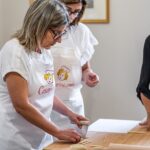
This class runs out of Villa Palamara, a former Benedictine monastery on the coast near Cefalù. It’s one of those places where you step inside and immediately understand why people choose cooking classes over another tour bus stop: the room makes you slow down a bit. The setting is surrounded by greenery, and you’ll also notice olive, orange, and lemon trees, plus terraces with coastal views.
Before you start cooking, the vibe is friendly and unrushed. Antonio welcomes you with something refreshing (lemon water) and even a sparkling pour to set the tone, along with small bites. There’s also a short look around the property, which helps you connect the food to the place—Sicily isn’t just a set of recipes here, it’s the setting and the season, too.
You start the day at 11:30 am at Villa Palamara 1868 (Contrada Plaia degli Uccelli; GPS 38 0’ 59,70” Nord 14 4’ 24,51” E, 90015 Cefalù PA, Italy). Expect about 5 hours total from start to finish, ending back at the meeting point.
You can also read our reviews of more tours and experiences in Sicily.
What you cook (and why Pasta alla Norma is the star)
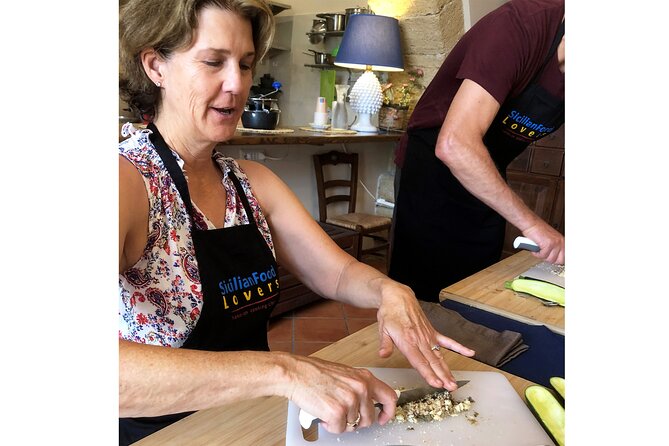
This class is built around two representative Sicilian dishes: Pasta alla Norma and Sicilian braciole. Those choices matter. They’re not “tourist pasta,” they’re comfort food with identity. And because you’ll make elements from scratch, you’ll understand what gives them character.
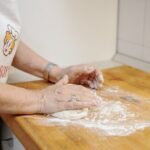
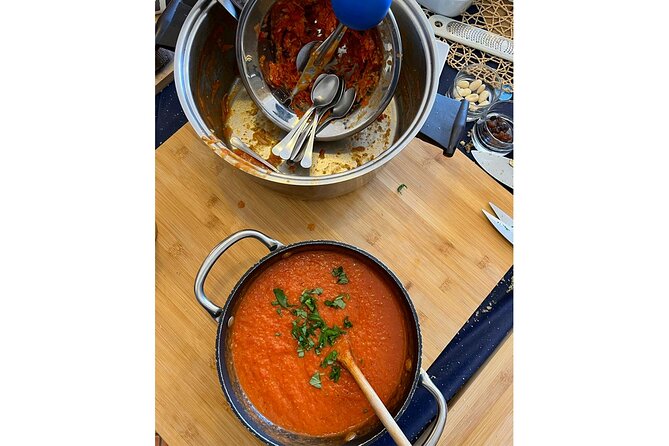
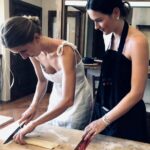
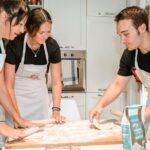
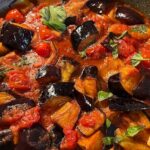
You’ll do the Pasta alla Norma using fresh pasta plus fresh tomato sauce, then fried eggplant. That combo is classic for a reason: eggplant brings a deep, slightly sweet flavor, the tomato sauce keeps everything bright, and the pasta turns it into a proper plate, not a salad with carbs. Even if you’ve never made pasta dough before, you’ll be guided step by step while working at your station.
Then comes Sicilian braciole, described as pork rolls. You’ll learn the basic idea behind the dish: how braciole are built and cooked so the stuffing and meat stay cohesive. The goal isn’t just to get something that looks right—it’s to understand the structure and technique so you can recreate it later.
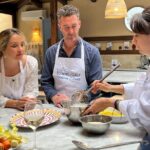
Chef Antonio’s teaching approach is one of the most praised parts of the experience. He doesn’t just say what to do. He explains what to watch for while you’re cooking. That turns the day from I hope I did it right into I know what’s happening.
The full 4-course menu (including the parts you might not expect)
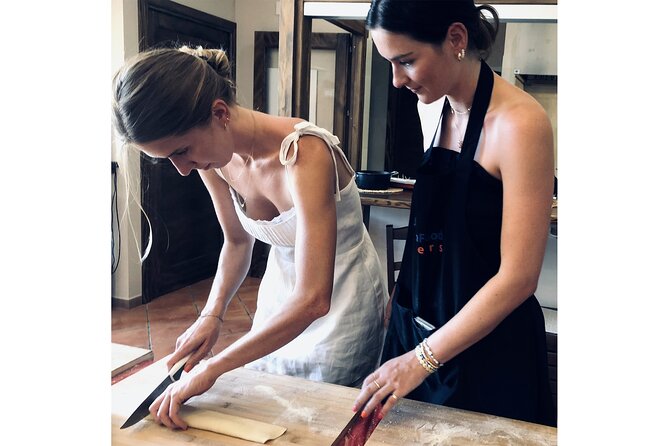
Even though it’s a 4-course meal, the day includes multiple preparations along the way, so you’ll stay busy but not confused. Here’s how the menu lays out:
Starter: stuffed zucchini
You start with stuffed zucchini, a dish that feels light but still satisfying. The “hands-on” part here is about filling and assembling with care so it holds together, then cooking it until it tastes like real Sicilian home cooking rather than something that’s been sitting on a tray.
Main: Pasta alla Norma
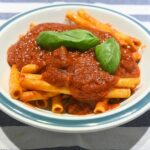
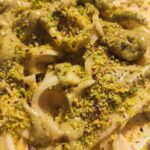
This is your pasta course and the most famous name on the menu. You’ll make fresh pasta and combine it with fresh tomato sauce. The fried eggplant is the key finishing element—crispy bits and silky eggplant flavor all in one plate. It’s the kind of dish where the technique matters, but the steps are learnable.
Main: Sicilian braciole (pork rolls)
Your other big main is the braciole, made as pork rolls. This is the course that feels a bit more like “proper cooking” than just mixing and heating. You’ll work through the assembly and then cook in a way that keeps the meat tender and the stuffing flavorful.
Traditional side: orange and fennel salad
Sicily does bright flavors well, and this side dish is built for balance. Orange and fennel salad helps cut through rich pasta and meat. You’ll see how a simple combination can taste like an entire season, not just garnish.
Desserts: bianco mangiare and fresh fruit
Dessert includes bianco mangiare, described as a typical Sicilian lemon cream served with fruit. Think simple, light, and refreshing after a meal that’s heavy in the best way. You’ll also use fresh ingredients as part of the cooking class dessert portion, so you get that end-to-end feel rather than finishing with something store-bought.
Dietary needs: you can still join
If you have dietary restrictions, this matters: vegetarian, vegan, gluten-free, and lactose-free options are available with prior notice. That’s not an afterthought here. It means you can plan ahead and still cook a full meal that matches your needs.
Wine with lunch: what’s included and how the meal feels
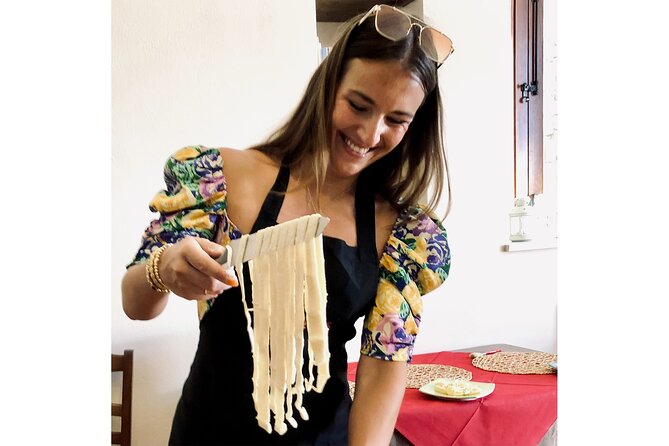
Food classes can sometimes feel like you’re cooking in a vacuum, then eating quietly at the end. This one keeps the meal social and paced.
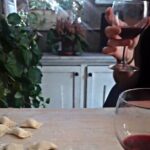
Alcoholic beverages are included as part of the experience: Sicilian sparkling wine, Sicilian wine (white or red), plus water and fruit juices. Coffee and/or tea also come with the meal. There’s an age note: alcohol is for ages 18 and above, so you can still participate fully if you’re not drinking.
The practical upside of including wine is that it encourages you to taste while you cook. You get a rhythm: work at the station, smell and taste as things come together, then sit down and eat your creations with the drinks that match the menu. It also helps the experience feel like a real Sicilian meal rather than a cooking workshop with a sad packet of crackers.
Pair that with the small group size—maximum 12 travelers—and you’ll find it’s easier to ask questions and get feedback in the moment. That’s a big deal in pasta dough and meat-roll cooking, where tiny differences in timing and texture can matter.
Price and value: is $144.82 fair for this class?
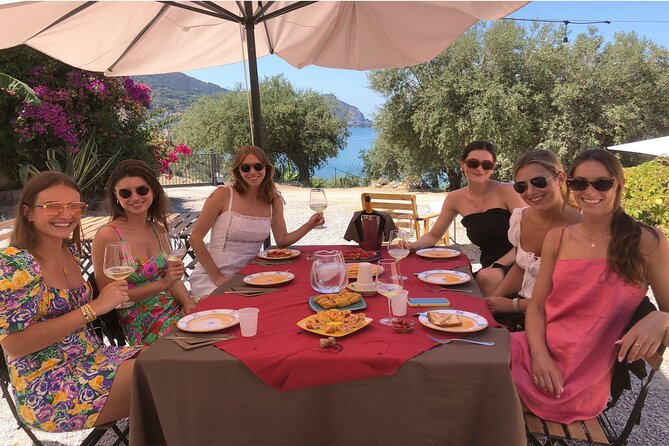
At $144.82 per person, you’re paying for three things that often cost extra elsewhere: instruction, ingredients, and the meal itself.
First, instruction isn’t “watch and copy.” This is hands-on with equipment provided and guided step-by-step work with a professional chef and sommelier involved in the experience. You’re not just learning names of dishes; you’re learning how the components come together.
Second, you’re working with fresh ingredients. That changes everything in flavor. Sicilian cooking is built on freshness—tomatoes, citrus, eggplant, herbs—and when the ingredients are real, the technique makes more sense.
Third, you eat what you make. That turns the class into a full lunch/dinner replacement rather than “a snack and a receipt.” For many people, that’s the biggest value: you’re not paying to be hungry later.
If you’re doing Cefalù for views and photo stops, this class is a different kind of souvenir. You’ll leave with skills you can use at home, and with a meal you actually understand.
One practical note: this is a non-refundable experience. If your travel plans are shaky, it’s wise to line up your schedule first.
Who this suits best (and who should choose another option)
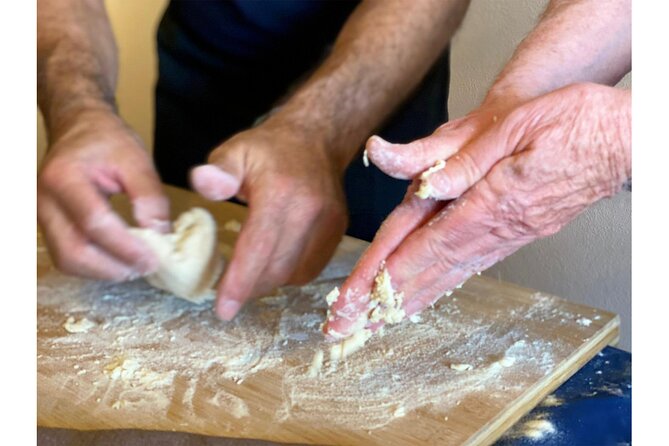
This class is a strong match if you want practical cooking knowledge and you enjoy spending time with food people who explain rather than lecture. It’s also beginner-friendly. The menu is approachable, and Antonio’s pace makes it possible to jump in even if you’ve never made pasta before.
You might want to consider a different activity if:
- you’re short on time and can’t spare about 5 hours
- you dislike hands-on cooking (for example, chopping, frying, rolling, and assembling)
- you prefer strictly sightseeing rather than learning by doing
Tips to enjoy the day more (no culinary degree required)
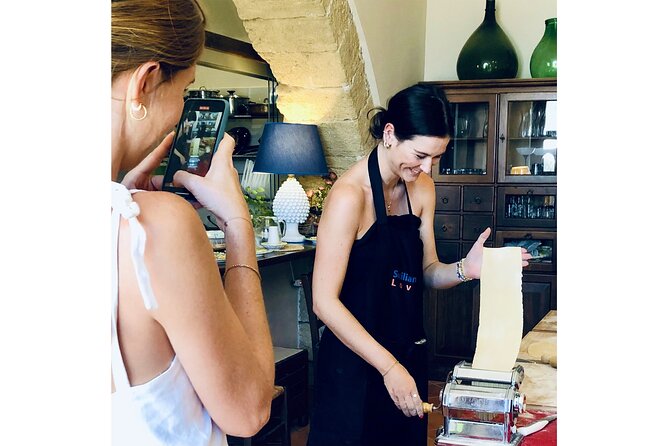
A few small things can make the experience smoother:
- Wear comfortable clothes you don’t mind getting splashed with sauce. You’ll be working close to the prep area.
- Expect to taste as you go. Wine and the included drinks are part of the experience, but the real goal is learning how flavors change while cooking.
- Come ready to ask questions. With a maximum of 12 people, you’ll have chances to get answers while you’re actively cooking.
- If you have dietary restrictions, plan ahead so the kitchen can adapt with the required prior notice.
- If you’re a first-time pasta maker, don’t panic if the dough feels different at first. Watch texture cues and follow Antonio’s guidance—this class is built for learning, not perfection.
Should you book Sea Villa Cefalù’s pasta and wine class?
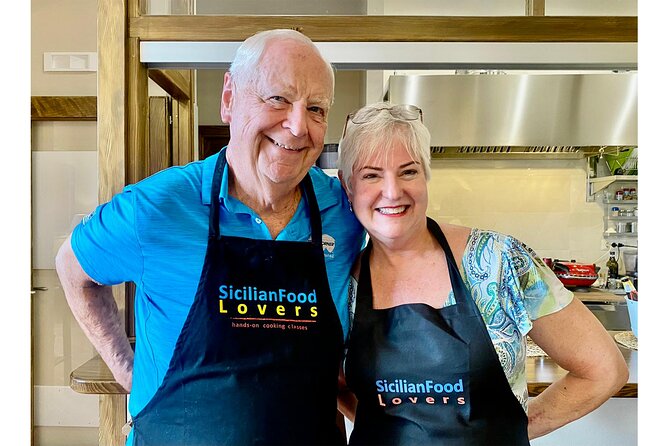
If you want a memorable Cefalù experience that’s not just another photo stop, I’d book it. The combination of hands-on cooking, the iconic Sicilian dishes (Pasta alla Norma and braciole), and the sea-view setting at Villa Palamara makes it feel like a real day in Sicily, not a generic activity.
I’d especially recommend it if you like learning recipes you can repeat. You’ll get technique, flavor logic, and a full meal at the end—plus wine included with the right age requirement. Just make sure you’re comfortable giving up about 5 hours to cook and eat what you make.
FAQ
How long is the cooking class?
It runs about 5 hours.
Where does the class meet and end?
It meets at Villa Palamara 1868, near Cefalù, and ends back at the same meeting point.
What’s included in the price?
All necessary equipment is included, plus Sicilian sparkling wine and Sicilian wine (white or red), water, fruit juices, coffee and/or tea, and bottled water.
What food will I cook and eat?
You’ll prepare a full 4-course menu, including Pasta alla Norma with fresh pasta and fresh tomato sauce plus fried eggplant, Sicilian braciole (pork rolls), stuffed zucchini, orange and fennel salad, and bianco mangiare (lemon cream with fruit).
Is this class beginner-friendly?
Yes. It’s suitable for beginners and food lovers.
Can the menu be adapted for dietary needs?
Vegetarian, vegan, gluten-free, and lactose-free options are available with prior notice.
What language is the class offered in, and how large is the group?
The class is offered in English, and the group size is limited to a maximum of 12 travelers.