Fresh pasta starts at a market. Kitchen of Mamma strings together a look at Italian ingredients at the Nomentano Market with a hands-on class at YellowSquare, then you sit down to eat what you made with Italian wine. I love the small-group feel and the way chef Marco teaches practical dough skills, not just steps. I also love that lunch is built around your pasta, so the day ends with something real, not a demo you watch. One drawback to plan around: the class is not suitable for gluten-free diets, and if numbers are too low the experience can be adjusted or canceled.
You’re meeting at Via Palestro 51 at 11:00 am and walking to the market with your guide, then returning to the kitchen for classic Roman-style pasta techniques. The whole thing runs about 6 hours, casual dress is fine, and English instruction is included. Vegetarian options are available if you ask ahead; vegan options aren’t offered.
In This Review
- Key Highlights at a Glance
- Fresh Pasta In Rome: Market to Kitchen Flow
- 11:00 am Meeting Point and Getting Ready
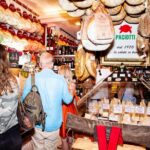
- Nomentano Market Stop: Buying Ingredients Like a Local
- YellowSquare Kitchen: Hands-On Pasta Techniques That Stick
- What you’ll likely cook
- Viewing and station setup
- The Lunch Part: Wine Pairings and a Real Italian Meal
- Price and Value: Is $151.23 Worth It?
- Group Size, Timing, and the Realistic Side of Scheduling
- Who This Tour Suits Best (and Who Should Skip It)
- Practical Tips to Get the Most Out of Your Pasta Day
- Should You Book Kitchen of Mamma?
- FAQ
- How long is the pasta cooking class and market visit?
- What time does the tour start?
- Where do we meet and where does it end?
- Is transportation to and from the kitchen included?
- Is the class suitable for gluten-free diets?
- Are vegetarian options available?
- What’s included with lunch?
Key Highlights at a Glance
- Nomentano Market ingredient hunt: You learn what to buy and why, directly tied to the pasta you’ll make.
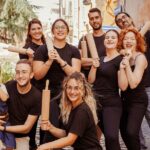
- Chef Marco’s hands-on teaching style: You work at the counter and learn dough feel and technique.
- Eat your own lunch: Your hard work turns into a leisurely meal with wine pairings.
- Italian wine + coffee + limoncello: The food doesn’t end with the plate.
- Small group size (max 14): More time with the chef, less standing around.
Fresh Pasta In Rome: Market to Kitchen Flow
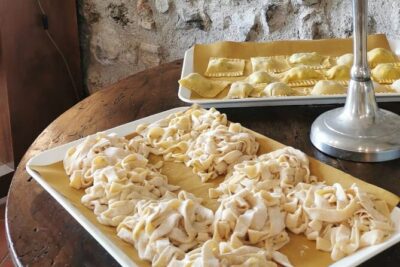
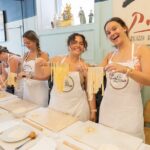
A Rome pasta cooking class can be either very “watch the chef” or very “make it yourself.” Kitchen of Mamma is built for the second one. The day is designed around two moments: first, a guided walk through a real local market, and then a kitchen session where you roll, cut, and cook classic pasta shapes that match what you selected earlier.
For me, the value is in the connection between the market and the meal. You’re not just buying ingredients as a souvenir. You’re learning how Italians think about basics like flour, eggs, and seasonings, and then applying it immediately. And since lunch includes wine pairings and you eat what you make, you get a full-circle experience: learn, cook, taste, repeat at home.
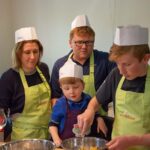
The group size (up to 14) also matters. In big classes you can feel rushed or lost. Here, you should expect more direct attention as you work through the steps.
One more thing: this runs close to 6 hours. It’s not a quick “two-hour pasta fix.” Plan it as your food-focused block for the day, the way you’d plan a museum visit, but with butter and wine instead of tickets and audio guides.
You can also read our reviews of more tours and experiences in Rome.
11:00 am Meeting Point and Getting Ready
The meeting point is Via Palestro 51, 00185 Roma RM. Start time is 11:00 am, and it ends back at the meeting point. Transportation isn’t included, so you’ll want to build in time to reach Via Palestro on your own using local buses/metro or a short taxi ride.
Dress is casual, but don’t show up in slippery sandals. You’ll be walking around the market and moving through the kitchen space. Also bring the mindset that you might get a little flour on your sleeves. That’s part of the fun.
If you have a dietary need, tell the chef when you arrive. Vegetarian is available upon request. Vegan and gluten-free aren’t offered, so if that’s you, you’ll need a different plan.
Nomentano Market Stop: Buying Ingredients Like a Local
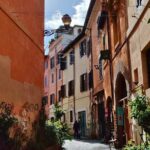
The market visit is not a random stroll. It’s guided with an Italian chef who links the ingredients to the pasta dishes you’ll cook later. The result is that you’ll actually understand what you’re seeing instead of just snapping photos and guessing.
Here’s what makes this stop useful for you: market knowledge doesn’t just add flavor to your day in Rome. It gives you a checklist you can use at home. If you’ve ever tried to make fresh pasta and ended up with dough that’s too sticky or too dry, the “why” matters. The chef’s job is to help you see ingredient differences and recognize what the dough needs.
The market also gives you a break from Rome’s heavy sightseeing rhythm. You get something different: people buying produce, shelves of Italian staples, and a sense of everyday food culture.
Practical note: this part of the day can feel warm depending on the season. If you’re traveling in summer, I’d wear breathable layers and bring a small bottle of water. You’ll still get the wine later, but hydration helps you enjoy the market walk.
YellowSquare Kitchen: Hands-On Pasta Techniques That Stick
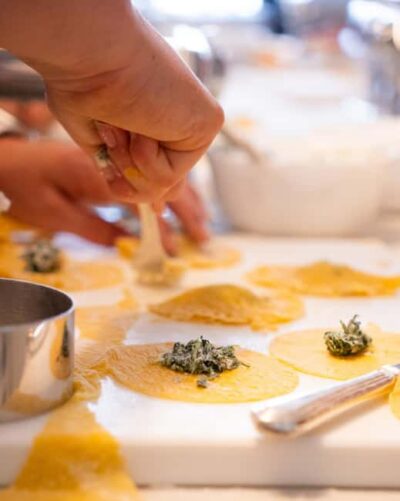
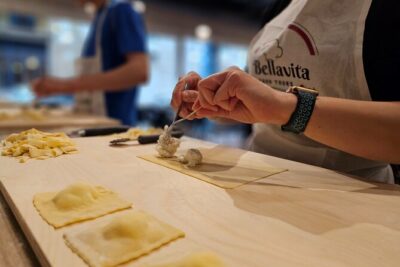
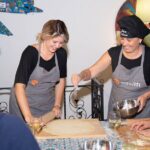
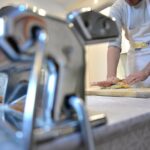
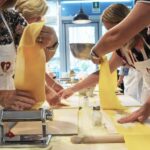
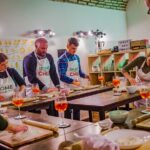
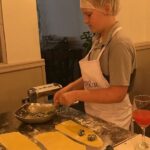
After the market, you head back to YellowSquare for the cooking portion. This is where most people decide if a class was worth it. Kitchen of Mamma is built around working with your hands, not standing at the edge.
Chef Marco is the name that comes up again and again. In past classes, he’s been praised for being funny, patient, and clear about technique. That’s exactly what you want when you’re learning something physical like pasta dough.
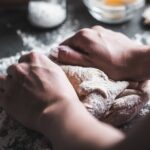
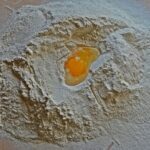
You’ll learn how pasta dough should look and feel, and you’ll pick up fixes if it’s not behaving. One of the most practical things you can take home from a pasta class is troubleshooting: how to adjust dryness or texture without turning the batch into a lost cause.
What you’ll likely cook
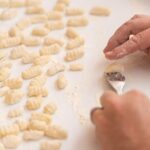
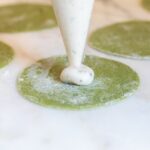
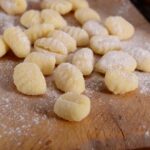
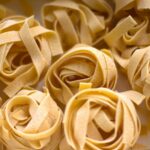
This experience focuses on classic pasta dishes. In many sessions, the format includes making more than one pasta shape and cooking at least two sauce variations. Even if the exact menu changes, the teaching is consistent: dough first, then shaping, then sauce.
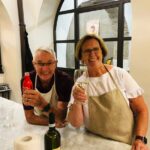
Viewing and station setup
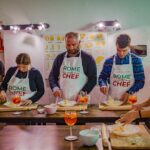
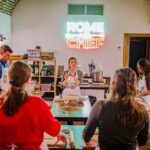
One caution I’d keep in mind is that kitchen layout can affect how well you can see. If you’re hoping for a perfect “watch every step” angle, aim to position yourself where you can clearly see the chef’s station and your own work area. If you notice you have a tougher sightline when you arrive, it’s reasonable to ask where to place yourself so you don’t miss a step.
The Lunch Part: Wine Pairings and a Real Italian Meal
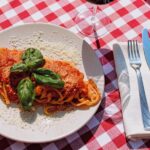
Lunch is the reward phase, and Kitchen of Mamma does it in a way that feels intentional. You eat the pasta you make, rather than getting a separate plated meal that bears little relation to your work.
A glass of Italian wine is included, and the experience includes local pairings with the meal. That’s not just “free alcohol.” It’s a guided way to taste what the pasta and sauce are doing. When you understand how the wine changes with the bite, you start learning flavor balance instead of only following recipes.
After lunch, coffee and limoncello are included. If you like the classic Italian pattern of a meal that ends with something sweet and digestif-like, this fits the mood perfectly.
Also, the pacing is often described as not rushed. If you like cooking classes where you can actually talk with the group while you eat, this is more your style than a timed production line.
Price and Value: Is $151.23 Worth It?
At $151.23 per person for about 6 hours, you’re paying for a bundled experience:
- market walking tour
- hands-on pasta instruction
- lunch built around what you cooked
- a glass of Italian wine
- coffee and limoncello
- pasta recipes and a participation certificate
If you’ve done “market + lunch” tours in Rome, you know how quickly that cost adds up. If you’ve done standalone cooking classes, you know many charge a similar range while leaving out the market. Here, the market component and the meal component are both included, and the food is tied to your work.
The best way to judge value is this: can you learn enough technique to recreate something at home? With pasta, the difference between okay and good is often dough texture and timing. When the chef helps you understand those parts, the class becomes a skill investment, not just a one-day activity.
One thing to factor in: this price is for a small group, max 14. Smaller groups are usually more enjoyable and more teaching-friendly, but they also depend on minimum numbers. That’s where you should be flexible with your schedule in case the provider needs to adjust.
Group Size, Timing, and the Realistic Side of Scheduling
This class runs with a maximum of 14 people, and it’s capped with a minimum number requirement. That’s normal for small, chef-led tours. What you should know is that last-minute cancellations can sometimes ripple into the experience, especially if the group becomes too small.
There’s at least one cautionary note in the overall experience history: a case where the chef did not show up when only one person had booked after larger group cancellations. I can’t predict if that will happen to you, but it’s a good reason to be alert on the day of your class. If you’re within a narrow window of travel days and you absolutely need this to happen, consider booking with enough cushion to handle schedule changes.
There’s also a note that some sessions can run late. If your afternoon includes a hard reservation, build a buffer after lunch and allow time to get back to your meeting point.
Who This Tour Suits Best (and Who Should Skip It)
This experience is a strong fit if you:
- want a Rome activity that centers on food skills, not just photos
- like market-to-kitchen days where the ingredients connect to the final meal
- enjoy being in a small group where the chef can help with dough questions
- want English instruction and a casual, friendly teaching style
It’s less ideal if you:
- need a gluten-free option (not available)
- need vegan options (not available)
- expect fully private, perfectly timed service with no possible delays (small-group experiences can shift)
Minimum age is 8, so families with kids who are ready to cook can make this work. Just remember it’s active: market walking, then hands-on dough work, then a sit-down meal with wine included for adults.
If you’re traveling with limited mobility, this may still be doable depending on the walking and kitchen setup, but you’ll want to consider the day’s movement since transportation isn’t provided.
Practical Tips to Get the Most Out of Your Pasta Day
Here are a few small things that make a big difference with an experience like this:
- Ask about dough adjustments early. If you have trouble with sticky or dry dough, mention it right away. Pasta classes reward fast feedback.
- Take notes on ingredients. You’ll get recipes, but knowing ingredient types and texture goals helps you cook later.
- Wear comfortable shoes. Markets and kitchens both punish bad footwear.
- Let them know vegetarian needs at arrival. If you don’t tell them when you get there, you might miss the chance to adjust.
- Plan buffer time after. A later-than-scheduled finish can happen.
If you treat it like a food workshop, you’ll enjoy it more. If you treat it like a quick tourist stop, you might feel like the day is too long.
Should You Book Kitchen of Mamma?
I think you should book this Rome pasta cooking class if you want an experience that connects learning to eating, with a real market component and a chef who teaches in an approachable way. The market walk plus hands-on pasta plus lunch with wine is a smart use of time, and the small group size helps you feel involved.
I’d hesitate only if you’re gluten-free or vegan (since there’s no option), or if your schedule is tight with no room for delays or adjustments due to minimum numbers. For most people, though, it’s a fun, practical way to take home more than a memory: you’ll take home pasta technique.
If you’re choosing one “food day” in Rome, this is the kind that turns into meals you can actually recreate.
FAQ
How long is the pasta cooking class and market visit?
It lasts about 6 hours.
What time does the tour start?
The start time is 11:00 am.
Where do we meet and where does it end?
You meet at Via Palestro, 51, 00185 Roma RM, Italy. The activity ends back at the same meeting point.
Is transportation to and from the kitchen included?
No. Transportation is not included.
Is the class suitable for gluten-free diets?
No, it’s not suitable for travelers with a gluten-free diet.
Are vegetarian options available?
Yes, vegetarian options are available upon request. You should inform the chef upon arrival.
What’s included with lunch?
Lunch includes pasta you make, a glass of Italian wine, plus coffee and limoncello. Recipes and a participation certificate are also included.