Prosecco and pasta in Verona. This 3-hour cooking class turns a famous city dinner into something you actually make in a working restaurant kitchen, starting with a glass of Prosecco. I especially love the hands-on pasta time, where flour and dough steps matter, not just watching.
I also like that the second half centers on classic tiramisu, finished in a warm, sit-down meal with a toast of local wine. The one drawback to plan around: the pacing is active, so it is not the kind of slow, wandering experience you build around long breaks.
In This Review
- Key Highlights to Know Before You Go
- A Working Verona Restaurant Kitchen, Not a Demo
- Fresh Pasta by Hand: Dough, Fettuccine, and Ravioli Skills
- Quick practical advice for pasta success
- Tiramisu the Traditional Way: From Components to the Final Assembly
- The Meal and Wine: What Happens After You Cook
- Group Size, English Instruction, and How to Plan Your Time
- What to do with aprons?
- Price and Value: Is $83.27 Worth It?
- Who This Cooking Course Fits Best
- Should You Book Verona in Arena for Pasta and Tiramisu?
- FAQ
- How long is the Verona pasta and tiramisu cooking course?
- What will I learn to make?
- Is the class offered in English?
- Is it suitable for vegetarians and people with celiac disease?
- How many people are in a group?
- Where do I meet, and does it end nearby?
- Is there free cancellation?
Key Highlights to Know Before You Go
- Prosecco welcome, then straight into the kitchen
- You learn fresh pasta technique plus tiramisu assembly
- Small group size (max 12) means real instructor attention
- English instruction with a hands-on, do-it-yourself format
- Diet-friendly options for vegetarians and celiacs
A Working Verona Restaurant Kitchen, Not a Demo
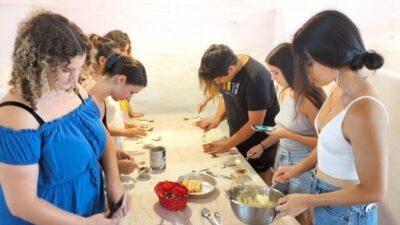
The best part of this class is the setting. You meet at Piazzetta Scalette Rubiani, 3 in Verona, then you head into one of the city’s most famous restaurant kitchens. This is not a classroom vibe. It feels like what you’d see behind the scenes in a real Italian restaurant: stations, timing, and the daily rhythm of cooking.
Before you touch dough, you get a glass of Prosecco. It is a small thing, but it sets the tone. You start as a visitor and end the night as someone who knows why pasta dough feels different when it is mixed and kneaded correctly.
The tour ends back at the meeting point, so you can plan it as one clean block in your Verona schedule. With an approximate 3-hour duration, it also works well if you still want to do an evening stroll afterward—just don’t schedule it too late if you’re planning more food.
You can also read our reviews of more tours and experiences in Verona.


Fresh Pasta by Hand: Dough, Fettuccine, and Ravioli Skills
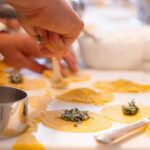
The class focuses on two icons of Italian cuisine: fresh handmade pasta and traditional tiramisu. The pasta portion is where your hands do the heavy lifting.
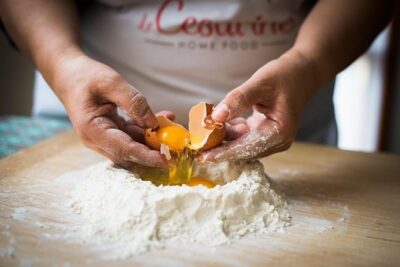
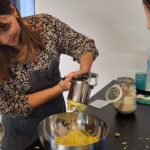
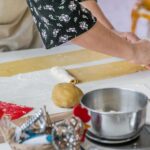
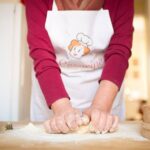
You’ll be guided through the pasta process from choosing flour to creating the dough. That flour choice is more than a trivia point. It affects texture, elasticity, and how the dough rolls out and holds together. The instructors walk you through what to look for as the dough comes together—less guesswork, more practical cues.
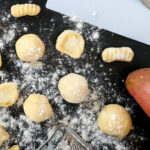
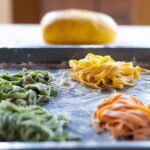
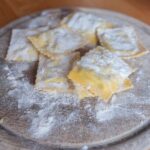
Depending on the session, you might make fettuccine and ravioli. One of the clearest examples from real class experiences is fettuccine plus spinach and ricotta ravioli. Even if your exact shapes differ, the key lesson stays the same: you learn how to form dough correctly and how to work with it without tearing, sticking, or overworking it.
One more detail that helps set expectations: some parts of the pasta can be cooked by the chef later for serving, while you focus on shaping and preparation. That means you get both the satisfaction of making it and the comfort of not having to manage every step alone in a restaurant kitchen.
If you’re a first-timer, take heart. The class is small, and the instruction style in these kitchens tends to be patient. In particular, instructors like Victoria and Ava come up often for being encouraging and steady—exactly what you want when your dough is doing something new.
Quick practical advice for pasta success
- Expect floury hands. Wear something you don’t mind getting messy.
- Ask how they want you to handle sticking dough while working.
- If you have questions, ask early—dough is not the thing you can pause for long.
Tiramisu the Traditional Way: From Components to the Final Assembly
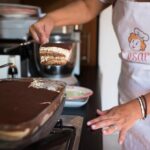
After pasta, you shift gears to tiramisu. This is the part where the class turns from technique to assembly—layering and timing, not just mixing.
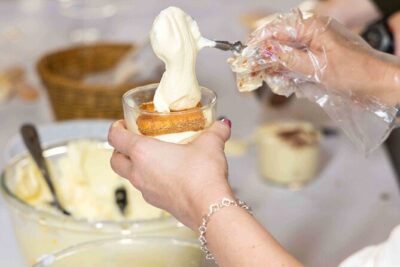
You’ll learn how to prepare tiramisu with genuine ingredients, and then you put the components together in the classic order. The goal is that recognizable texture: creamy filling, coffee-soaked layers, and the right finish so it sets properly for dessert service.
In many cooking experiences, dessert can feel like a quick afterthought. Here, tiramisu gets real attention as a full second lesson. You don’t just taste it—you understand what makes the structure work.
At the end, the tiramisu is served as dessert. So you get the full arc: you make it, then you sit down and eat it as part of the meal, not as a separate takeaway.
Also, this matters for dietary needs. The experience is listed as suitable for vegetarians and celiacs, so the instructors can plan for appropriate ingredients and handling. If celiac is your issue, it’s worth being clear about what you can and cannot eat at the start so they can guide you to the safest options.
The Meal and Wine: What Happens After You Cook
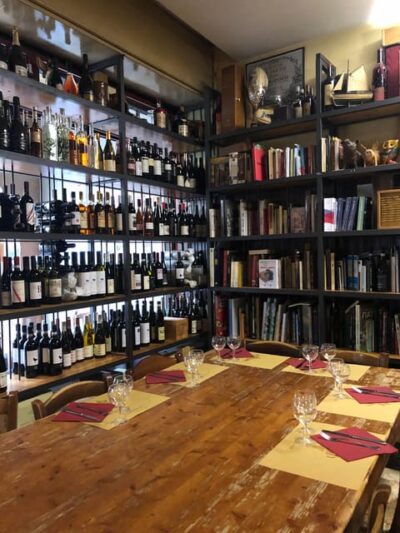
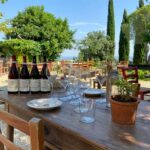
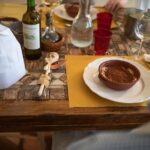
Here’s the payoff: you sit at the table and share what you cooked. The class is set up so you don’t just leave with recipes and a blurry memory. You eat the results in a warm, convivial Italian setting.
Waiters bring over your food. That matters because it keeps the experience smooth. You’re learning and cooking in the kitchen, then the restaurant side takes over for service.
And yes, there’s a toast. After cooking, you get a good glass of local wine with the meal. It is not a huge wine event with complicated tasting notes. Instead, it’s a simple, satisfying pairing to match the food you made: pasta you shaped and a dessert you assembled.
If you’re pairing this with a day of Verona sightseeing, think of it as both a class and a dinner. You’re essentially paying for an evening meal plus the lesson that turns it from dining into understanding.
Group Size, English Instruction, and How to Plan Your Time
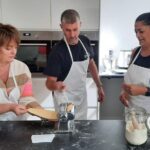
This is a small-group experience with a maximum of 12 travelers. That’s a sweet spot. You get the hands-on attention that makes a big difference, especially if you’re nervous about cooking.
Instruction is offered in English. That helps a lot if you don’t want to translate everything in your head while trying to knead dough or layer tiramisu.
Other logistics that make it easier to slot into a trip:
- You receive a mobile ticket.
- It’s near public transportation.
- Confirmation is received at booking.
- Service animals are allowed.
A timing tip: since this is about cooking, the 3-hour window can feel like a full evening block. If you want to do museums afterward, do it earlier in the day. This works best when you’re not rushing to a second reservation right after.
What to do with aprons?
Aprons are not explicitly listed. One class experience had a note wishing aprons were provided. So I’d treat aprons as a possible missing item and be ready with a plan: wear clothes you can protect, or bring something simple like an extra layer you don’t mind.
Price and Value: Is $83.27 Worth It?
At $83.27 per person, this is not a budget snack. But it also isn’t just a cooking demo you could imitate at home from a YouTube video.
Here’s where the value comes from, in plain terms:
- Real instruction in a working restaurant kitchen, with flour-to-dough guidance and dessert assembly steps.
- Ingredients and meal service built into the experience, since you cook and then eat what you made.
- A Prosecco start and local wine with the meal, which are part of why these classes feel like a proper night out.
If you compare it to eating dinner at a normal restaurant in Verona, you might already spend a similar range once wine is included. The difference is you’re not only consuming. You’re learning a process: pasta dough you understand, and tiramisu you can rebuild at home.
Also, small group size helps justify the price. In bigger crowds, classes become mostly watching. Here, the cap of 12 gives you a better chance of getting direct help.
Who This Cooking Course Fits Best
This class is a strong match if you want more than photos and a nice meal. You’re doing the work. That makes it ideal for:
- Couples looking for a fun, interactive night in Verona
- Families who want a shared activity that doesn’t feel like a gimmick
- Anyone curious about making fresh pasta and learning why dough behaves the way it does
- People following vegetarian or celiac needs, since the experience is listed as suitable for both
It also suits travelers who like structured experiences. The course gives you a clear flow: welcome drink, kitchen instruction, cooking, then sitting down together.
One more thing I’d note from the overall vibe: the instructors have a reputation for patience. That matters if you’re worried you’ll mess up dough. You likely will at first. Then you’ll get better fast with guidance.
Should You Book Verona in Arena for Pasta and Tiramisu?
Book it if you want a Verona dinner that turns into a skill. This is one of those experiences where the time feels well used: you’re learning and eating the same night, in a real restaurant setting, with small-group attention and classic Italian results.
Consider skipping or choosing a different format if you hate active, hands-on cooking. This class is not just tasting. It is kneading, shaping, and assembling within a set timeframe.
If you’re aiming to lock in the right time slot, try booking sooner rather than later. It’s often reserved well in advance (on average around 50 days), which suggests popular evenings fill up.
My simple call: if you want the Verona version of cooking class—Prosecco on arrival, fresh pasta technique, traditional tiramisu, and a sit-down meal with wine—this one is easy to justify.
FAQ
How long is the Verona pasta and tiramisu cooking course?
It runs for about 3 hours.
What will I learn to make?
You’ll learn to prepare fresh handmade pasta and traditional tiramisu.
Is the class offered in English?
Yes, the experience is offered in English.
Is it suitable for vegetarians and people with celiac disease?
Yes. The experience is listed as suitable for vegetarians and for celiacs.
How many people are in a group?
The maximum group size is 12 travelers.
Where do I meet, and does it end nearby?
You meet at Piazzetta Scalette Rubiani, 3, 37121 Verona VR, Italy, and the activity ends back at the meeting point.
Is there free cancellation?
Yes. You can cancel for a full refund up to 24 hours before the experience starts.